Introduction to Esports
In the last two decades, the world has witnessed a remarkable transformation in the way people engage with games, competition, and entertainment. The emergence of esports—competitive, organized video gaming—has changed the global entertainment landscape forever. Once seen merely as a hobby or pastime, gaming has evolved into a massive industry involving professional players, teams, coaches, analysts, and millions of fans around the globe. Esports is now a recognized part of modern culture, attracting both passionate gamers and mainstream audiences. It bridges technology, skill, and creativity, turning digital entertainment into a professional sporting discipline.
Esports is not just about playing video games; it’s about the thrill of competition, the mastery of strategy, and the global community it fosters. Whether it’s battling in games like League of Legends, Counter-Strike, or Dota 2, or competing in sports simulations like FIFA, esports has become a legitimate and respected form of competition that rivals traditional sports in popularity and revenue.
The Early Days of Esports
The roots of esports can be traced back to the early 1970s and 1980s, when the first video game tournaments were held in universities and arcades. In 1972, a competition for the game “Spacewar” at Stanford University marked one of the earliest organized gaming contests. The 1980s saw the rise of arcade gaming, with titles like Pac-Man and Donkey Kong capturing public attention. Although technology was limited, these small competitions laid the foundation for what would later become a global industry.
The 1990s saw the introduction of local area network (LAN) parties, where players could connect their computers to compete in multiplayer games like Quake and StarCraft. This era marked the beginning of community-driven tournaments, fostering a new kind of social interaction based on gaming. Companies began sponsoring small events, and by the late 1990s, esports had gained a loyal following among dedicated fans who watched matches and supported their favorite players.
The Internet Revolution and the Birth of Modern Esports
The real explosion of esports began with the rise of high-speed internet and online gaming platforms in the early 2000s. The ability to connect players from around the world changed everything. Games like Counter-Strike, Warcraft III, and StarCraft became international sensations, giving rise to competitive leagues and organized tournaments.
During this period, professional gaming organizations started to appear, providing structure and support for players. The development of streaming services and digital broadcasting platforms later became a major catalyst in the growth of esports. Platforms that allowed fans to watch live matches revolutionized the industry, turning esports into a form of global entertainment accessible from any device.
Esports began to attract sponsorship deals, media coverage, and substantial prize pools. By the end of the 2000s, what was once a niche hobby had become a rapidly growing professional field.
The Rise of Professional Esports Leagues and Teams
As esports continued to grow, the structure of the industry became more formalized. Professional teams emerged, often backed by large corporations or investors. Leagues were established with standardized rules, seasonal tournaments, and official rankings. Games like League of Legends, Dota 2, and Overwatch introduced official global leagues that mirrored traditional sports in organization and scale.
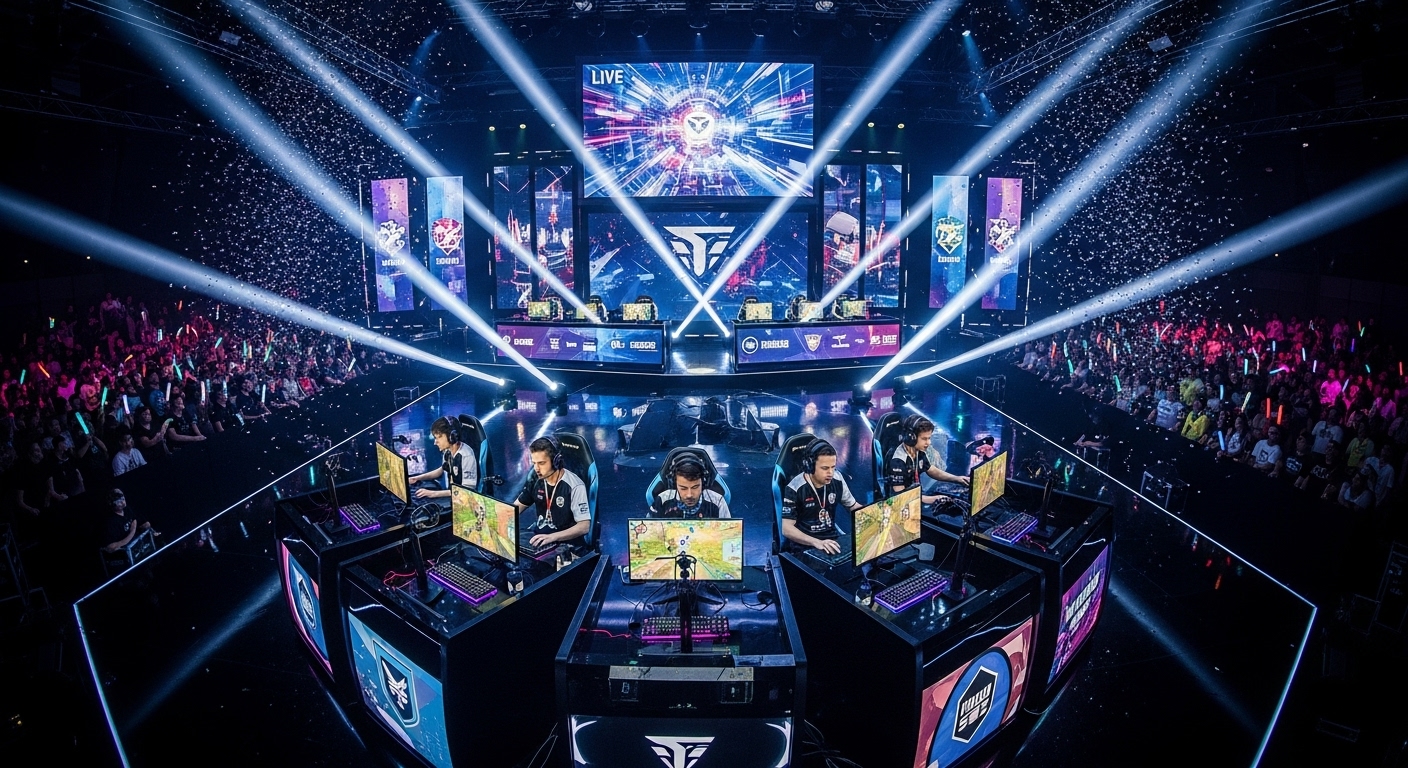
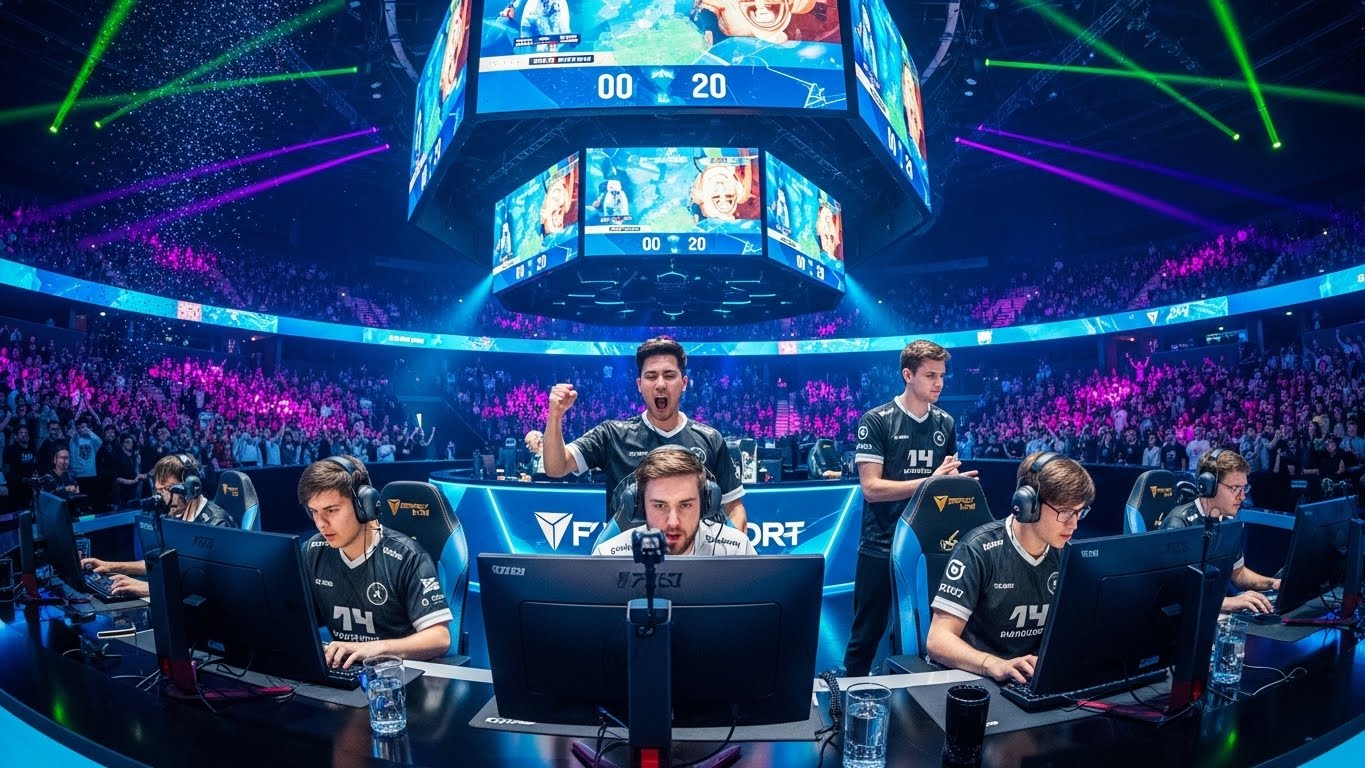
Players became celebrities in their own right, attracting massive online followings. Some professional gamers earned substantial salaries and sponsorship deals, proving that esports could be a viable career path. Major tournaments began filling arenas and stadiums, with fans attending in person to witness their favorite teams compete live.
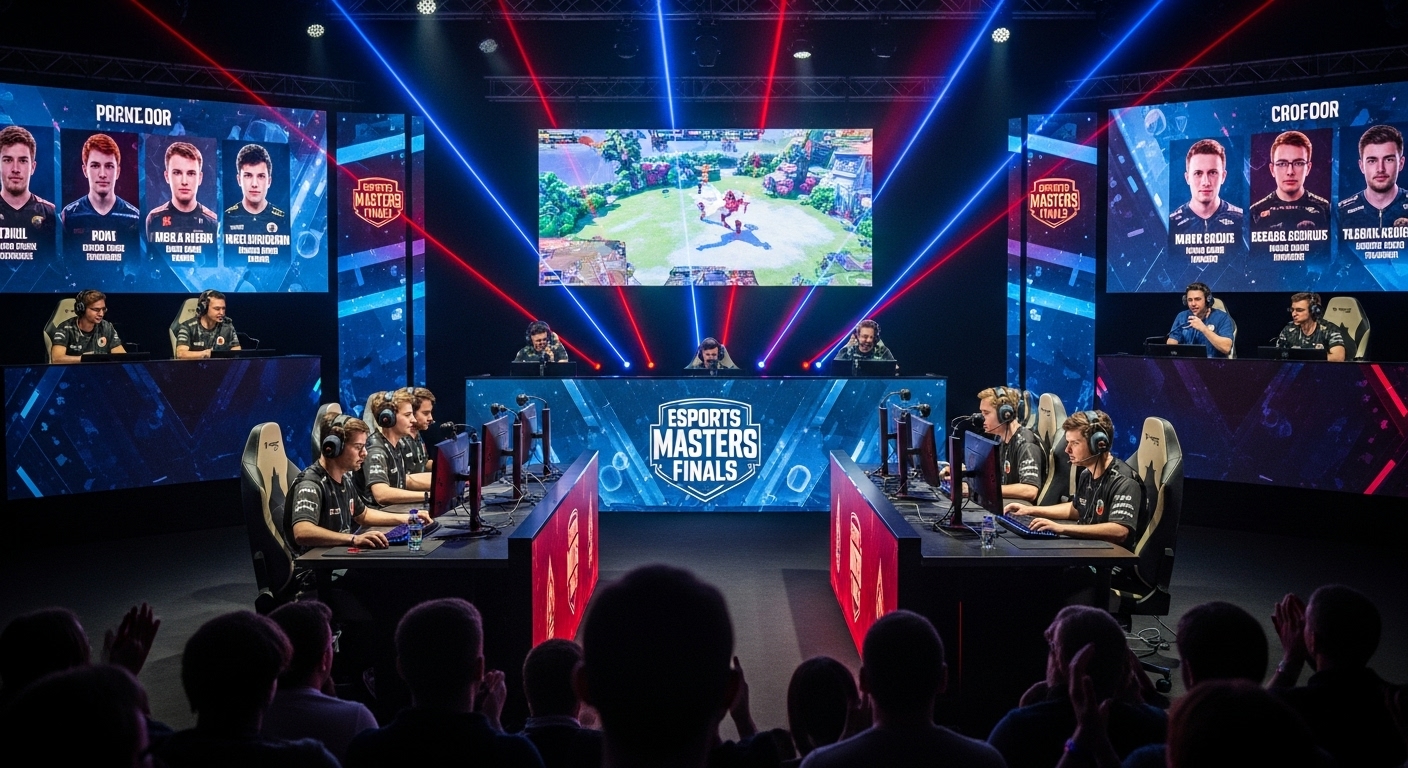
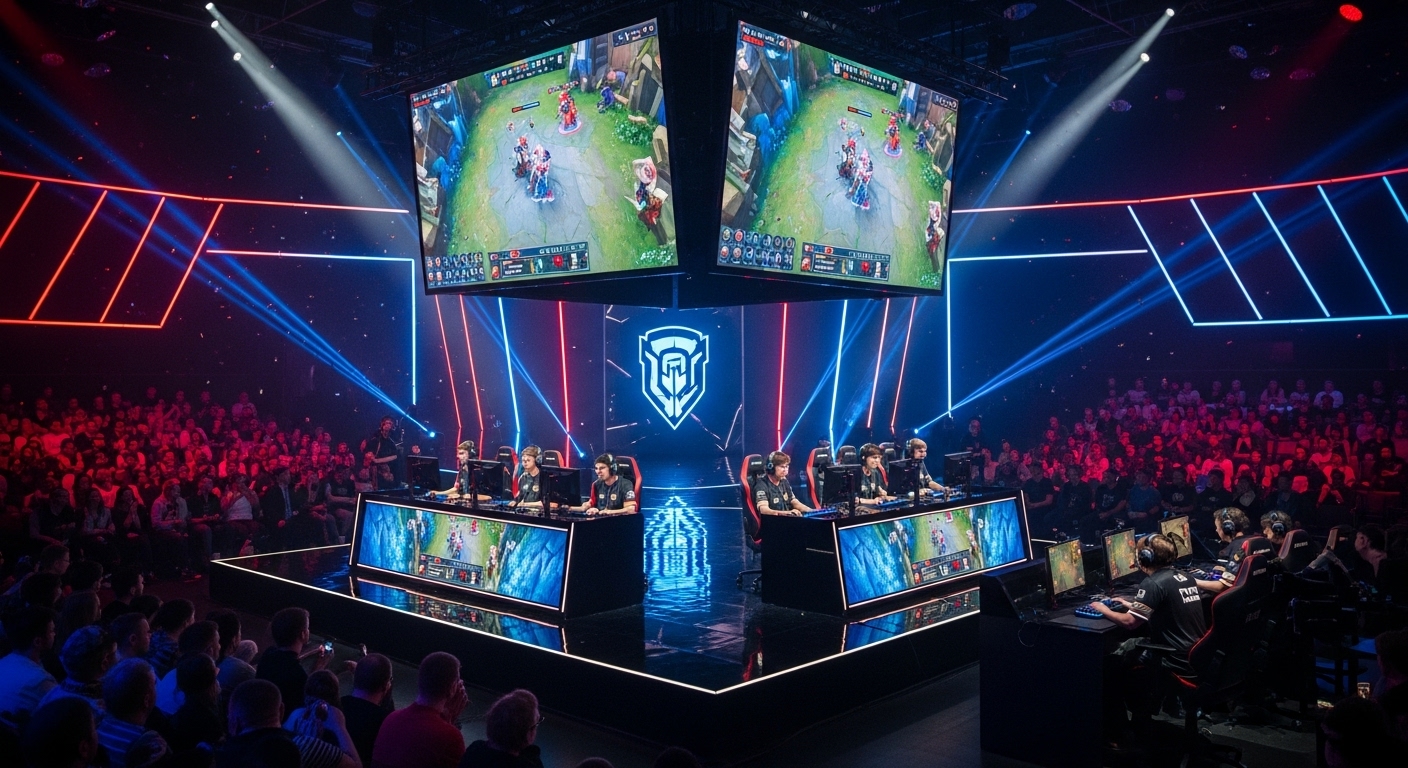
The 2010s marked the golden age of esports expansion. International tournaments like The International for Dota 2, the League of Legends World Championship, and the CS:GO Major Championships drew millions of viewers. The production quality of these events rivaled that of traditional sports broadcasts, complete with commentators, analysts, and elaborate stage designs.
Cultural Impact of Esports
Esports has had a profound cultural impact, shaping the way people interact with games and digital media. It has fostered a global community that transcends borders and languages. Gamers from different parts of the world come together online to compete, collaborate, and celebrate shared passions. Esports has also influenced fashion, music, and pop culture, with players becoming influencers and role models for younger generations.
Mainstream media has gradually embraced esports, featuring tournaments on television and digital streaming platforms. Celebrities and traditional athletes have invested in esports teams, recognizing its growing influence. Schools and universities have even begun offering scholarships for esports players, acknowledging the discipline and teamwork required to compete at a high level.
The Role of Technology in Esports Growth
Technology lies at the heart of esports evolution. Advances in hardware, graphics, and internet connectivity have made competitive gaming smoother, faster, and more immersive. High-performance gaming PCs, consoles, and peripherals have allowed players to reach new levels of precision and speed. The development of virtual reality and artificial intelligence promises to open even more possibilities for the future of esports.
Streaming technology, in particular, has revolutionized the industry. Live streaming platforms have become the primary medium for esports viewership, allowing fans to engage directly with players through chat and social media. This interactive relationship between gamers and audiences has created a unique form of entertainment, blending competition with community engagement.
The Business of Esports
Esports has evolved into a multi-billion-dollar industry supported by sponsorships, advertising, ticket sales, and merchandise. Game publishers play a central role by organizing tournaments and creating the infrastructure needed for competition. Corporate brands see esports as a valuable marketing avenue to reach younger audiences who are less likely to engage with traditional media.
Media rights have become a major revenue source, as broadcasters and streaming platforms compete to secure exclusive rights to popular tournaments. The esports economy extends beyond just competitions; it includes content creation, coaching, analytics, and even fantasy leagues.
Organizations are run much like traditional sports teams, employing managers, nutritionists, trainers, and marketing staff. The professionalism of the industry ensures that players are treated as athletes, with contracts, sponsorships, and strict performance standards.
Esports as a Legitimate Sport
The question of whether esports qualifies as a “real sport” has sparked debate for years. While it lacks the physical intensity of traditional athletics, esports demands an extraordinary level of mental agility, coordination, and reflexes. Players train rigorously, often practicing for several hours a day to refine their skills. The cognitive and strategic elements of esports require focus, teamwork, and endurance comparable to traditional sports.
Many countries have begun recognizing esports officially, granting professional players athlete visas and supporting national teams for international competitions. The inclusion of esports in major events such as the Asian Games demonstrates its growing legitimacy and cultural acceptance.
The Global Reach of Esports
One of the most remarkable aspects of esports is its global reach. Unlike traditional sports, which often require physical presence or specific facilities, esports can be played from virtually anywhere. This accessibility has led to an explosion of international participation.
Asia, particularly South Korea and China, has long been considered the epicenter of esports dominance. South Korea’s professional leagues, training facilities, and fan culture have set standards for the rest of the world. In North America and Europe, esports has become a mainstream entertainment medium, with major events selling out arenas in cities like Los Angeles, Berlin, and Paris. Meanwhile, emerging regions like South America, Africa, and Southeast Asia are rapidly developing competitive scenes of their own.
Education and Career Opportunities in Esports
The rise of esports has also created educational and career pathways. Universities around the world now offer degrees related to game design, esports management, and digital media production. Many institutions have established esports programs, complete with competitive teams and training facilities.
Beyond playing professionally, there are countless career opportunities within the esports ecosystem. These include roles in event organization, broadcasting, marketing, coaching, journalism, and data analytics. As the industry continues to expand, it provides new opportunities for creativity and innovation.
Challenges Facing the Esports Industry
Despite its success, esports faces several challenges that must be addressed for sustainable growth. One major issue is the mental and physical health of players. The intense training schedules and pressure to perform can lead to burnout, stress, and repetitive strain injuries. Many organizations are now prioritizing player welfare by offering psychological support and balanced training routines.
Another challenge lies in regulation. Because esports spans multiple countries and game publishers, there is no single governing body overseeing the entire industry. Issues like cheating, match-fixing, and doping scandals have occasionally damaged the sport’s reputation. Establishing consistent ethical and legal standards is crucial for maintaining integrity and professionalism.
Additionally, the reliance on digital platforms makes esports vulnerable to technological issues, data breaches, and server problems. Ensuring fair competition and secure systems remains a constant priority.
Women and Diversity in Esports
The esports community has traditionally been male-dominated, but this is gradually changing. More women are entering the competitive scene, becoming players, commentators, and organizers. Female-focused tournaments and diversity initiatives are helping create a more inclusive environment. Representation matters in esports, and the industry is slowly recognizing the importance of equal opportunity and respect for all participants.
Diversity also extends to nationality and background. Players from countries once considered outside the mainstream gaming world are now competing at the highest levels, proving that talent knows no boundaries.
The Future of Esports
The future of esports looks brighter than ever. Technological innovation continues to shape how games are played, watched, and experienced. The integration of virtual reality, augmented reality, and artificial intelligence may redefine competitive gaming in the next decade.
As esports grows, it is likely to merge further with mainstream entertainment. We may see esports broadcasts integrated into traditional sports networks or even included in future Olympic events. The line between gaming and traditional sports will continue to blur as both industries adopt new technologies and media strategies.
Furthermore, the development of mobile esports has opened up new possibilities, especially in regions where high-end gaming PCs are less accessible. Mobile titles have attracted millions of players and viewers, democratizing esports participation even further.
Conclusion
Esports has evolved from a simple pastime into a worldwide phenomenon that influences entertainment, technology, education, and culture. It represents the modern intersection of competition, creativity, and digital innovation. From small arcade tournaments to grand international championships, esports has traveled a long road to legitimacy and success.
Its growth is a testament to the power of community, technology, and human passion. As the industry continues to expand, it will not only redefine the concept of sport but also shape the future of global entertainment. The story of esports is far from over; it is only the beginning of a new digital era where skill, strategy, and technology unite people across the world.