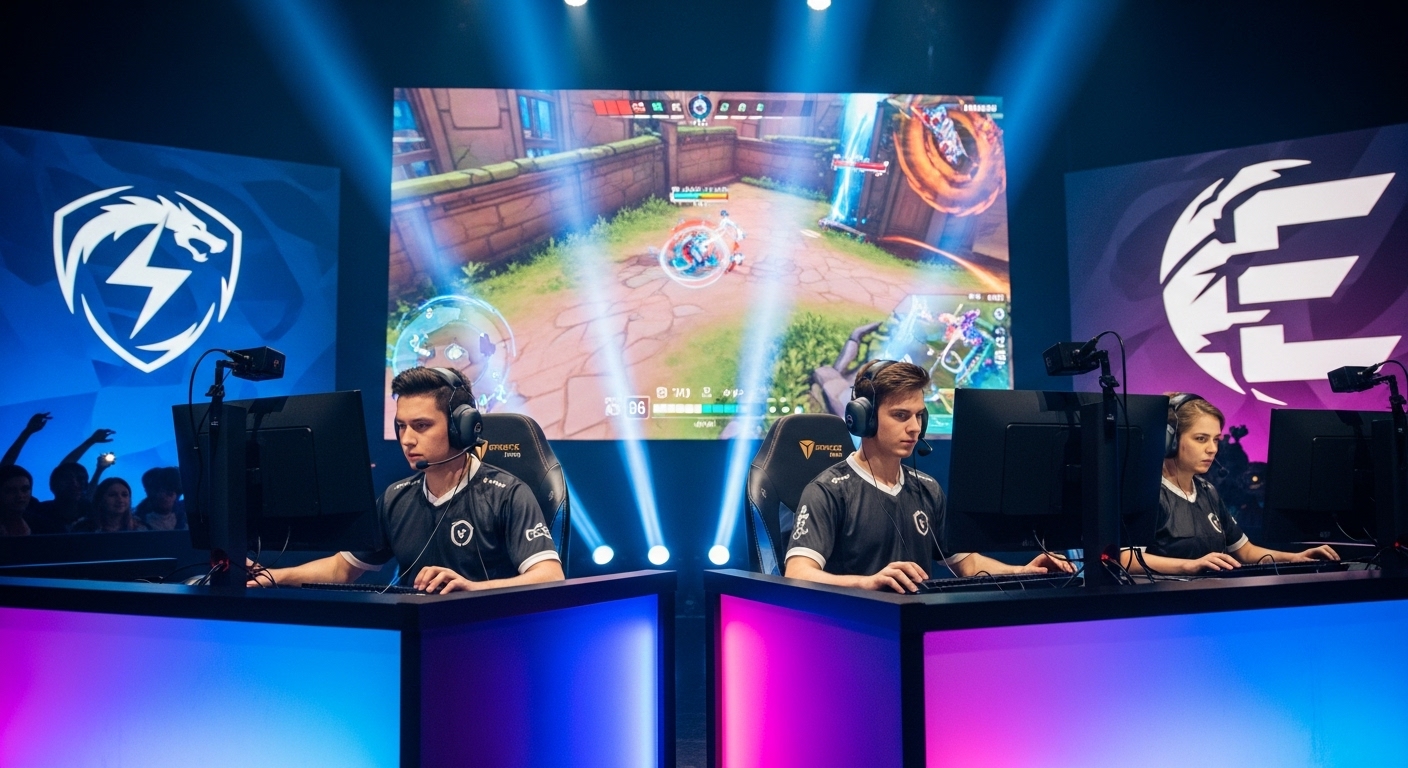
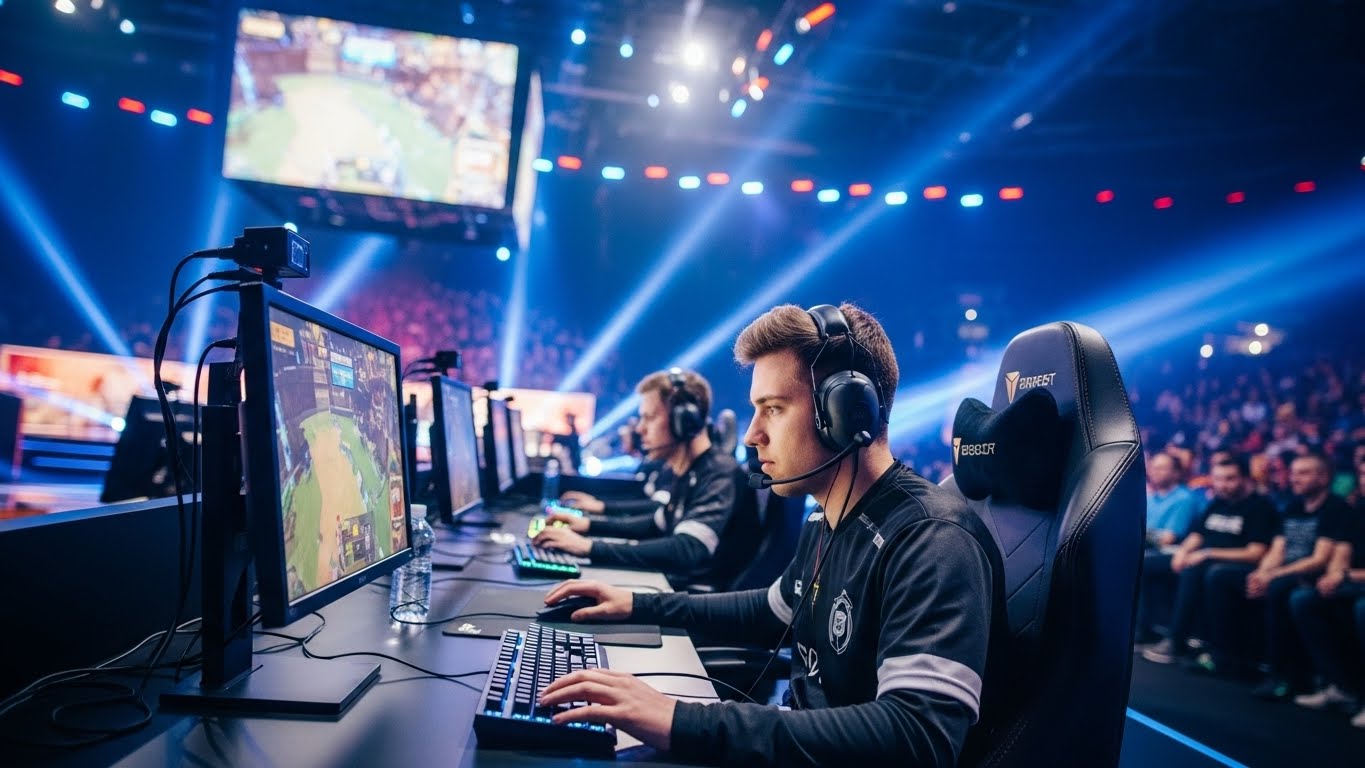
In recent years, esports has transitioned from a niche hobby to a global phenomenon, captivating millions of fans and transforming the landscape of entertainment, sports, and technology. Competitive gaming is no longer confined to local tournaments or online forums; it has become a multi-billion-dollar industry, attracting professional players, massive audiences, and corporate investments. This evolution reflects not only the growth of gaming culture but also the broader societal acceptance of esports as a legitimate form of competition. This blog explores the rise of esports, its economic impact, player culture, technological innovations, and the future of this rapidly expanding industry.
The Origins and Growth of Esports
Esports, short for electronic sports, began as informal competitions among video game enthusiasts. In the late 1970s and 1980s, arcade tournaments and home console competitions laid the groundwork for organized gaming events. Games like Pong, Pac-Man, and later Street Fighter and StarCraft attracted competitive communities and regional tournaments.
The true global explosion of esports, however, started with the advent of the internet and multiplayer online games in the late 1990s and early 2000s. Titles such as Counter-Strike, Warcraft III, and Dota began hosting online competitions with increasing prize pools. The creation of streaming platforms further accelerated growth, allowing fans to watch professional matches live, share highlights, and build dedicated communities around their favorite players and teams.
Esports as a Professional Career
One of the most remarkable aspects of esports is the rise of professional players. Unlike traditional sports, esports careers are accessible to anyone with skill, dedication, and a competitive mindset, regardless of physical stature. Players often specialize in a single game, mastering intricate strategies, reflexes, and teamwork required at the highest levels.
Professional teams operate much like traditional sports organizations, providing coaching, training facilities, nutrition plans, and sponsorships. Top players can earn substantial incomes through tournament winnings, streaming, sponsorship deals, and merchandise. Some esports athletes achieve celebrity status, with fan followings rivaling those of traditional sports stars.
Despite the lucrative potential, professional gaming comes with challenges. Intense training schedules, high pressure, and career longevity concerns make mental and physical health critical for long-term success. As esports continues to mature, organizations are increasingly emphasizing player wellness and sustainable career management.
Major Esports Titles and Genres
Esports encompasses a wide variety of game genres, each with its own competitive ecosystem. Multiplayer Online Battle Arenas (MOBAs) such as League of Legends and Dota 2 focus on team strategy, map control, and real-time decision-making. First-Person Shooters (FPS) like Counter-Strike: Global Offensive and Call of Duty emphasize precision, reflexes, and tactical coordination.
Battle Royale games, exemplified by Fortnite and Apex Legends, combine survival mechanics with fast-paced competition, attracting both players and viewers with unpredictable, high-intensity matches. Fighting games, sports simulations, and real-time strategy games further diversify the esports landscape, appealing to different types of gamers and audiences worldwide.
Each game has its own league structures, tournaments, and fan base, contributing to the rich tapestry of competitive gaming. The variety of esports genres ensures that the industry continues to expand and evolve, drawing in new participants and spectators every year.
The Role of Streaming and Media
Streaming platforms have been instrumental in propelling esports into mainstream entertainment. Services like Twitch and other video streaming platforms allow fans to watch matches live, interact with players, and participate in gaming communities. This level of engagement has transformed spectatorship, making esports not just a passive experience but an interactive cultural phenomenon.
Content creation, including highlight reels, tutorials, and behind-the-scenes footage, has further solidified the bond between players and fans. Media coverage of esports events, once limited to specialized websites, now extends to major sports networks and online publications. The accessibility and visibility provided by streaming have helped legitimize esports as a professional and commercial enterprise, attracting advertisers and sponsors seeking to reach a highly engaged audience.
Economic Impact of Esports
The esports industry is no longer a small-scale hobby; it has grown into a global economic powerhouse. Revenue streams include tournament prize pools, sponsorships, media rights, merchandise sales, and streaming subscriptions. Major tournaments such as The International for Dota 2 and the League of Legends World Championship offer multi-million-dollar prize pools, attracting worldwide attention.
Esports also generates significant economic activity for cities that host tournaments. Hotels, restaurants, and local businesses benefit from the influx of fans attending live events. Corporations invest in esports marketing, partnerships, and branding opportunities, recognizing the value of engaging a younger, tech-savvy demographic.
The economic influence of esports continues to expand, providing career opportunities not only for players but also for coaches, analysts, event organizers, commentators, and content creators. As the industry professionalizes, its economic footprint grows alongside its cultural significance.
The Esports Audience
Esports audiences are diverse and global, encompassing both casual viewers and hardcore fans. Demographically, the majority of esports fans are young adults, but interest is expanding across age groups and geographic regions. Viewers engage with esports through live streams, social media, and live events, creating a sense of community and shared passion.
Fan culture in esports is vibrant, with supporters forming teams, following favorite players, and creating fan art and content. Unlike traditional sports, esports audiences are highly interactive, often influencing game strategies, tournament outcomes, and player popularity through social media platforms. This participatory culture strengthens the connection between players, teams, and fans, making esports a unique form of entertainment.
Technology Driving Esports Innovation
Esports thrives at the intersection of gaming, technology, and innovation. High-performance hardware, fast internet connectivity, and advanced gaming software are essential for competitive play. Streaming technology ensures low-latency broadcasts, while analytics platforms help teams analyze strategies, monitor performance, and gain competitive advantages.
Virtual reality and augmented reality are emerging as potential game-changers, offering immersive esports experiences for both players and spectators. Artificial intelligence is being utilized to enhance training, simulate opponents, and create dynamic in-game environments. Technological innovation not only drives gameplay but also enhances fan engagement, transforming how audiences experience competitive gaming.
Challenges Facing the Esports Industry
Despite its rapid growth, esports faces several challenges. Sustainability is a key concern, as professional gaming careers are often short-lived, and mental burnout is common. Regulation and governance are still evolving, with issues such as cheating, match-fixing, and tournament integrity requiring robust oversight.
Monetization models must adapt to ensure long-term viability for players, teams, and organizers. Additionally, accessibility remains a concern, as high-performance equipment and stable internet connections are prerequisites for competitive participation. Addressing these challenges is essential for creating a sustainable and inclusive esports ecosystem that can continue to grow globally.
The Future of Esports
The future of esports is filled with exciting possibilities. Continued technological advancements, increased mainstream recognition, and expanded global reach are likely to propel esports into new frontiers. Integration with virtual reality, enhanced fan interactivity, and innovative formats could redefine what competitive gaming looks like.
Educational institutions are beginning to recognize esports as a legitimate field, offering scholarships, training programs, and research initiatives. The professionalization of the industry will continue, with structured leagues, global tournaments, and career development opportunities for players and associated professionals. As esports becomes more embedded in culture and society, its influence on entertainment, technology, and social interaction will only grow stronger.
Conclusion: Embracing the Esports Era
Esports is more than a trend; it is a cultural and economic revolution that is reshaping the world of entertainment. From its humble beginnings as informal gaming competitions to its current status as a global industry, esports reflects the power of technology, community, and innovation. The rise of professional players, the expansion of audiences, and the integration of cutting-edge technology demonstrate the dynamic nature of competitive gaming.
As the industry continues to evolve, embracing inclusivity, sustainability, and innovation will be critical for long-term success. Esports represents a new frontier where talent, strategy, and technology converge, offering unparalleled opportunities for players, fans, and businesses alike. The esports revolution is here, and it is transforming the way we play, watch, and experience competition in the digital age.