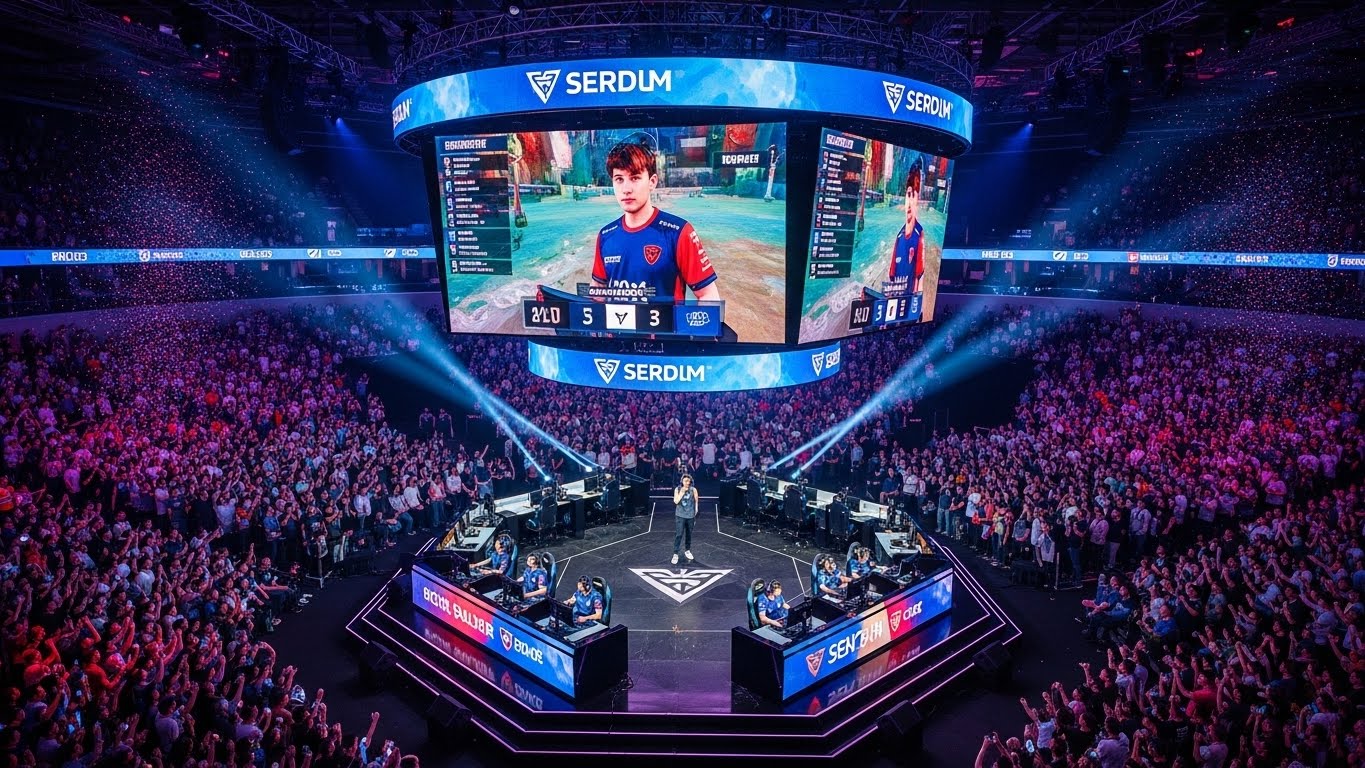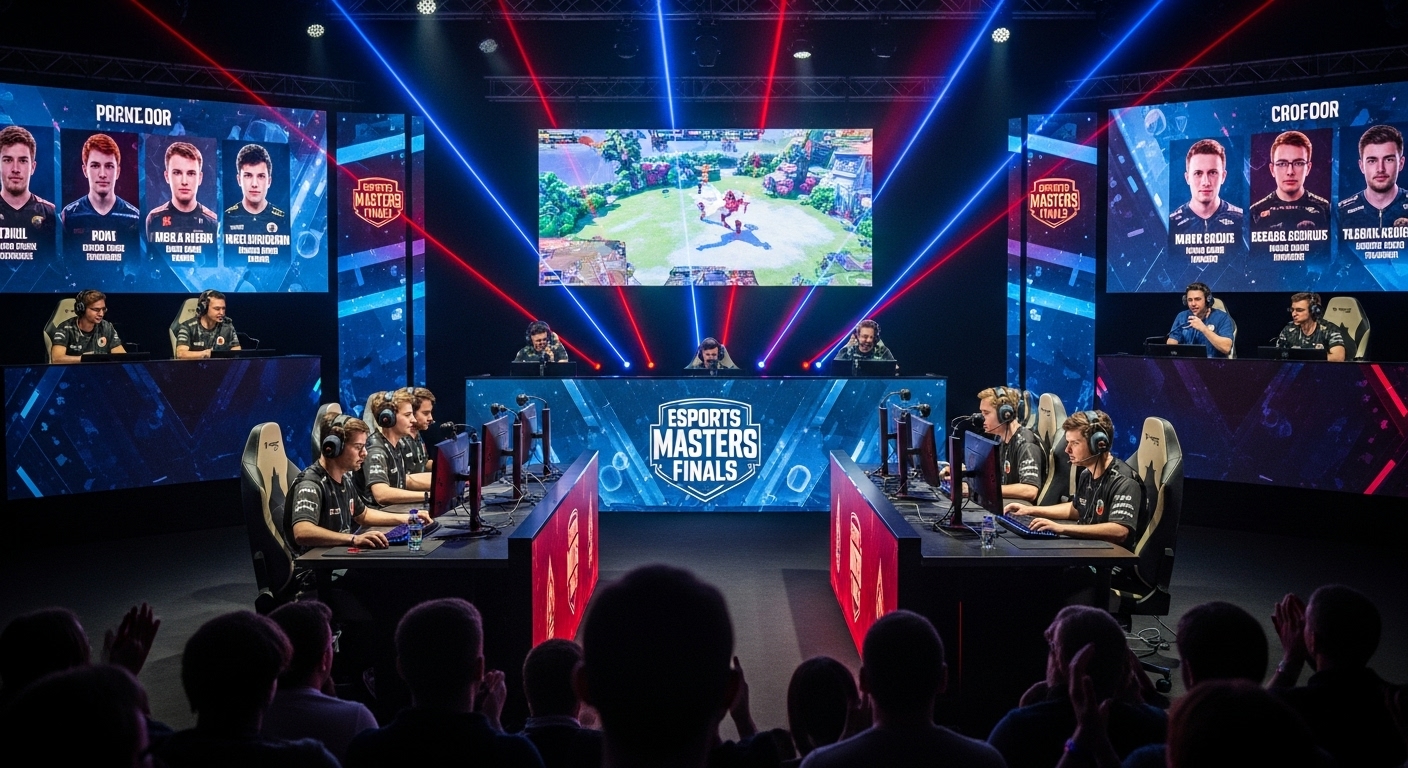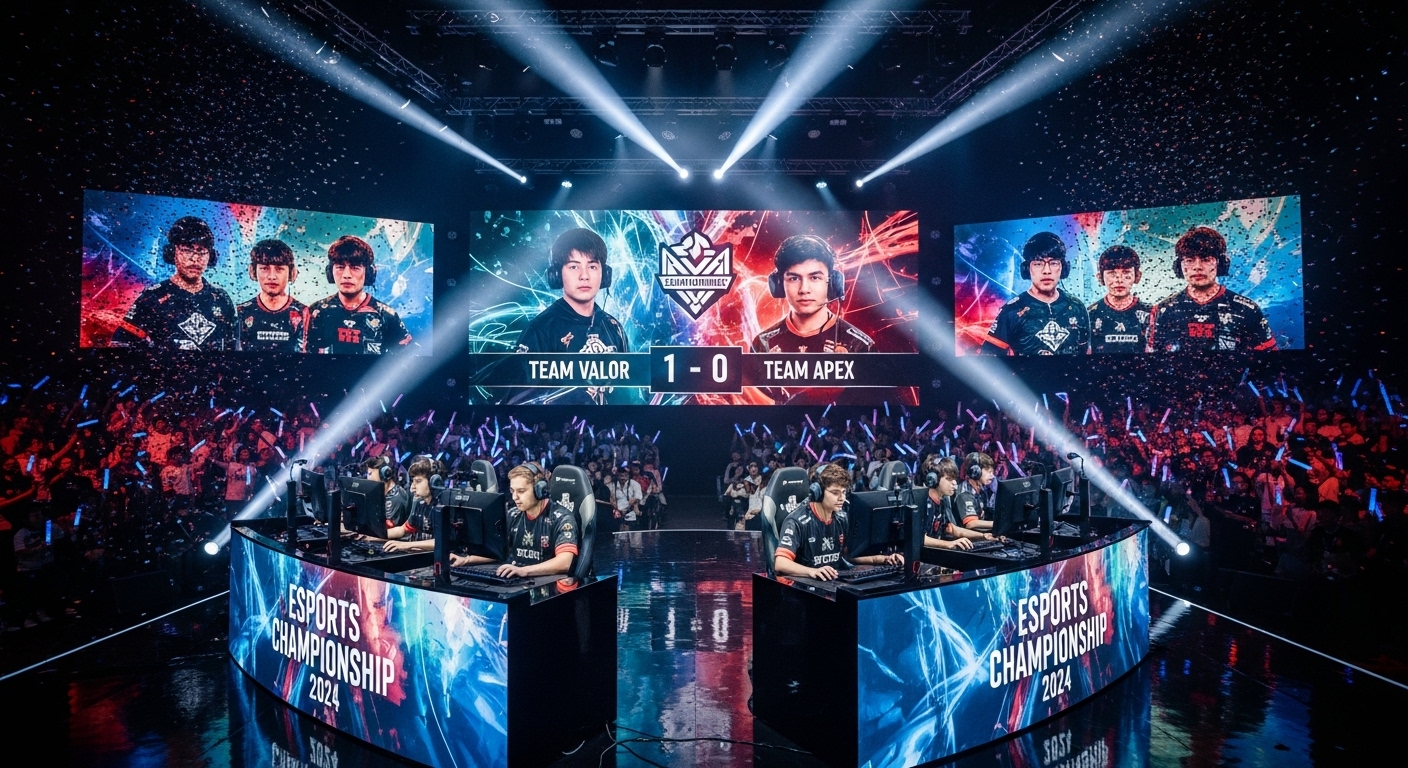

Esports, or electronic sports, has rapidly evolved from a niche hobby to a global phenomenon, reshaping the landscape of entertainment, culture, and even business. With millions of players, fans, and viewers around the world, competitive gaming has become one of the most exciting and fast-growing industries of the 21st century. In this blog post, we will explore the history, growth, and impact of esports, delving into its competitive scene, the technology behind it, the business side of the industry, and what the future holds for this dynamic sport.
The Early Days of Esports
Esports’ roots can be traced back to the early days of video gaming. The 1970s and 1980s marked the advent of arcade games like Pong and Space Invaders, which sparked a competitive spirit among players. However, it wasn’t until the 1990s that esports began to take its first serious steps toward becoming a structured competitive activity.
One of the earliest known competitive gaming events was the Red Annihilation tournament for the game Quake in 1997. This event, which attracted players from around the world, was one of the first to offer cash prizes, and its success demonstrated the potential for competitive gaming on a larger scale. The 1990s also saw the launch of several iconic games like StarCraft and Warcraft, which laid the foundation for the professional gaming scene.
However, it was the rise of online multiplayer games and broadband internet in the early 2000s that truly unlocked the potential of esports. The ability for players to connect and compete globally opened new avenues for tournaments, leagues, and professional organizations.
The Golden Age of Esports: 2000-2010
By the early 2000s, esports had begun to flourish, especially in South Korea, where gaming culture became an integral part of society. The Korean government and private companies recognized the potential of esports early on, and major television networks like OGN began broadcasting esports tournaments. This era saw the birth of some of the most significant esports games in history, such as StarCraft: Brood War, Warcraft III, and the Counter-Strike series.
The rise of online gaming platforms such as Battle.net and Steam allowed players to easily access competitive games, participate in matches, and even form professional teams. Major tournaments, like the World Cyber Games (WCG) and Electronic Sports World Cup (ESWC), began attracting international attention and providing substantial prize pools for top-tier players.
As esports continued to grow in popularity, gaming hardware and software also evolved to meet the demands of competitive play. High-performance computers, gaming peripherals, and improved network infrastructure allowed players to compete at higher levels of skill, precision, and speed.
The Esports Explosion: 2010-2020
The next decade saw esports explode into mainstream culture. By 2010, gaming companies and tournament organizers had perfected the formula for hosting large-scale esports events, with millions of dollars in sponsorships, prize money, and media coverage. The emergence of League of Legends in 2009, and its subsequent rise as one of the most popular esports games of all time, marked a key turning point in the development of the industry. Other games like Dota 2, Counter-Strike: Global Offensive, Overwatch, and Fortnite followed suit, further solidifying esports’ place in the entertainment world.
One of the key developments during this time was the rise of esports leagues and teams. In League of Legends, the formation of professional leagues such as the League of Legends Championship Series (LCS) in North America, and the League of Legends Pro League (LPL) in China, allowed players to compete in organized, recurring competitions. Teams began signing players to contracts, offering salaries, and supporting them with coaches, analysts, and other staff.
The International (Dota 2’s premier tournament) is another significant milestone in esports’ rise, with its prize pool surpassing tens of millions of dollars by 2018, making it one of the largest prize events in the history of esports. These tournaments were streamed live on platforms like Twitch, which became the go-to destination for esports fans to watch their favorite players and teams compete.
Esports’ exposure to a global audience also meant that it started attracting big-name sponsors from outside the gaming world. Companies like Coca-Cola, Intel, and Red Bull began investing in esports events, further boosting the industry’s credibility and attracting more viewers. The media began to take esports seriously, with mainstream outlets like ESPN, BBC, and CNN covering major tournaments.
The Role of Streaming Platforms
One of the key drivers of esports’ rapid growth was the rise of live streaming platforms like Twitch and YouTube Gaming. These platforms allowed fans to watch live competitions from anywhere in the world, creating a sense of community and engagement around esports.
Twitch, in particular, has become the heart of the esports streaming ecosystem. It offers a space for professional players, casual gamers, and fans to connect in real-time. Twitch’s rise was not just due to its live-streaming capabilities, but also its interactive features, including live chats, subscriptions, and donations. These features helped create a sense of intimacy between streamers and viewers, turning many professional gamers into full-time influencers and content creators.
The rise of streaming also gave rise to the phenomenon of esports content creators—players and influencers who create guides, gameplay commentary, and live streams of their gaming sessions. Many of these creators gained millions of followers, leading to lucrative sponsorship deals, brand collaborations, and even the creation of their own esports teams.
The Business Side of Esports
While esports was initially driven by passion and community, the business side of the industry has become just as important. With huge amounts of money pouring into sponsorships, media rights, and merchandise, esports is quickly becoming a multi-billion-dollar industry. According to a 2020 report by Newzoo, the global esports market was projected to generate over $1 billion in revenue in 2020, a figure that continues to grow year after year.
Esports organizations are now multi-faceted businesses, comprising teams, content creation, event management, and merchandise sales. The business model is also diversified, with revenue streams coming from multiple sources, including:
- Sponsorships: Companies in various industries—from tech to food and beverage—sponsor esports teams, tournaments, and events.
- Broadcast Rights: Major esports leagues and events sell broadcast rights to platforms like Twitch, YouTube, and traditional media networks.
- Merchandising: Esports teams have their own branded merchandise, including jerseys, hats, and accessories, which are sold to fans.
- Advertising: Ads played during streams, in tournaments, and on team sponsorships generate substantial revenue.
- Prize Pools: Top players and teams receive prize money, often amounting to millions of dollars in high-profile tournaments.
Esports has also created new career opportunities. Beyond professional players, there is now a demand for coaches, analysts, broadcasters, content creators, event organizers, and a wide range of other roles. Universities around the world have even begun offering esports scholarships and creating competitive teams, further legitimizing esports as a viable career path.
The Global Appeal of Esports
Esports is truly a global phenomenon. The competitive gaming scene is active in almost every part of the world, with notable hubs in North America, Europe, Asia, and Oceania. However, esports’ global nature means that it transcends traditional borders, cultures, and languages. Major tournaments and leagues often feature players from multiple countries, creating a truly international atmosphere.
In South Korea, esports is a major part of the national culture, and players are treated as celebrities. The country’s government has even recognized esports as a professional sport, supporting infrastructure and training programs. Similarly, in China, esports has become one of the most popular pastimes, with games like League of Legends and Honor of Kings leading the charge.
The accessibility of online gaming has made it possible for players from countries with less-developed esports scenes to compete with the best in the world. In regions like South America, Southeast Asia, and Africa, local esports organizations have begun to gain traction, with players from these regions making their mark on the global stage.
The Future of Esports
As esports continues to grow and mature, its future looks brighter than ever. One of the key trends that will shape the future of esports is the integration of new technologies, including virtual reality (VR) and augmented reality (AR). These technologies have the potential to revolutionize the way players experience competitive gaming, creating immersive environments that blend the digital and physical worlds.
Another exciting development is the continued integration of esports into mainstream sports organizations. In 2018, the Overwatch League (OWL) partnered with the National Basketball Association (NBA) to create an esports league modeled after traditional professional sports leagues. This partnership demonstrates the growing acceptance of esports as a legitimate competitive activity on par with traditional sports.
Additionally, as esports becomes even more mainstream, there is potential for it to become a feature in the Olympic Games. Discussions have taken place about the possibility of esports being included as an official Olympic sport, which would further elevate its status in the global sporting world.
Conclusion
Esports has come a long way since its humble beginnings in the late 20th century. From local LAN parties to multi-million-dollar tournaments watched by millions around the world, esports has evolved into a global cultural and economic force. With its ever-growing fan base, increasing sponsorships, and the rise of new technologies, the future of esports looks incredibly bright. As the industry continues to develop, esports will remain at the forefront of innovation in both gaming and entertainment, creating new opportunities for players, fans, and businesses alike. Whether you’re a casual gamer, a competitive player, or an esports fan, there’s no denying that the world of esports is here to stay.