Introduction
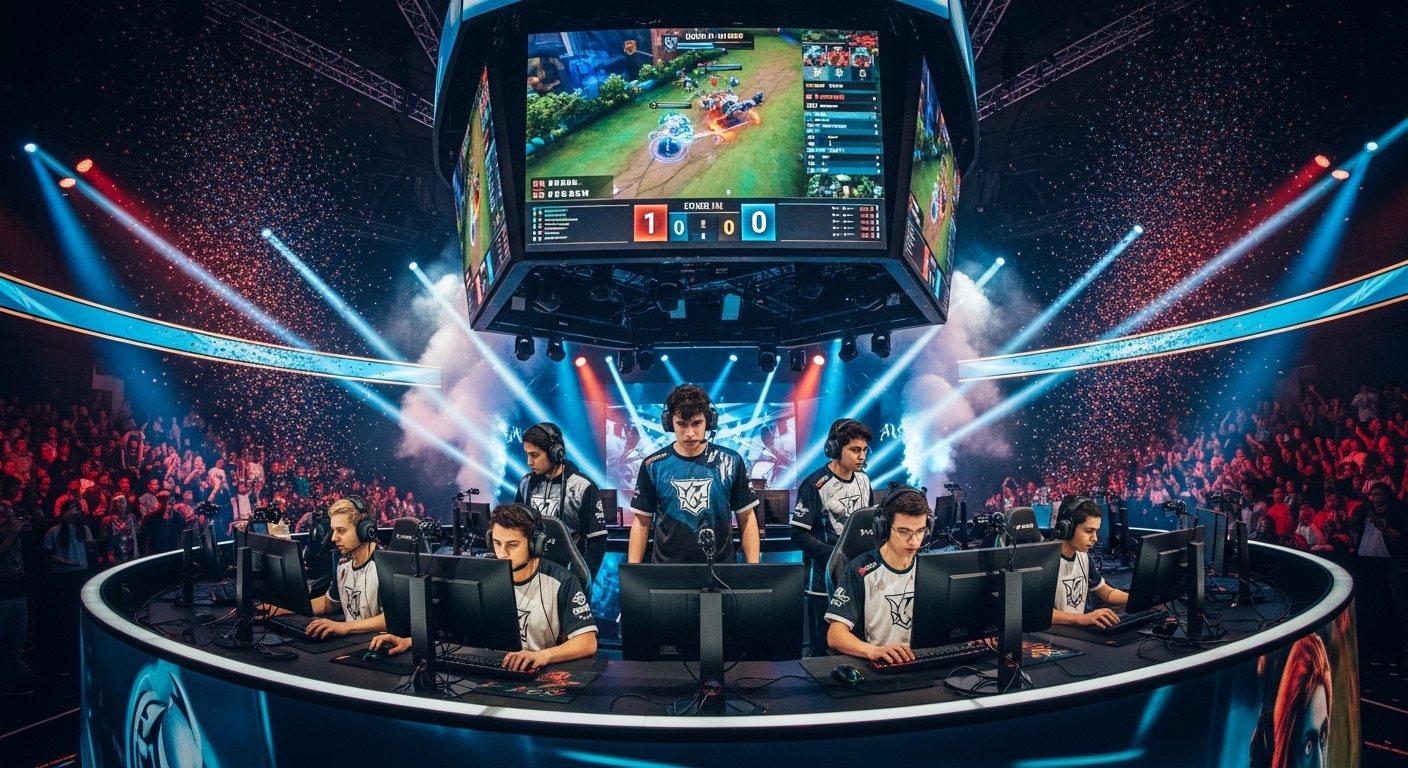
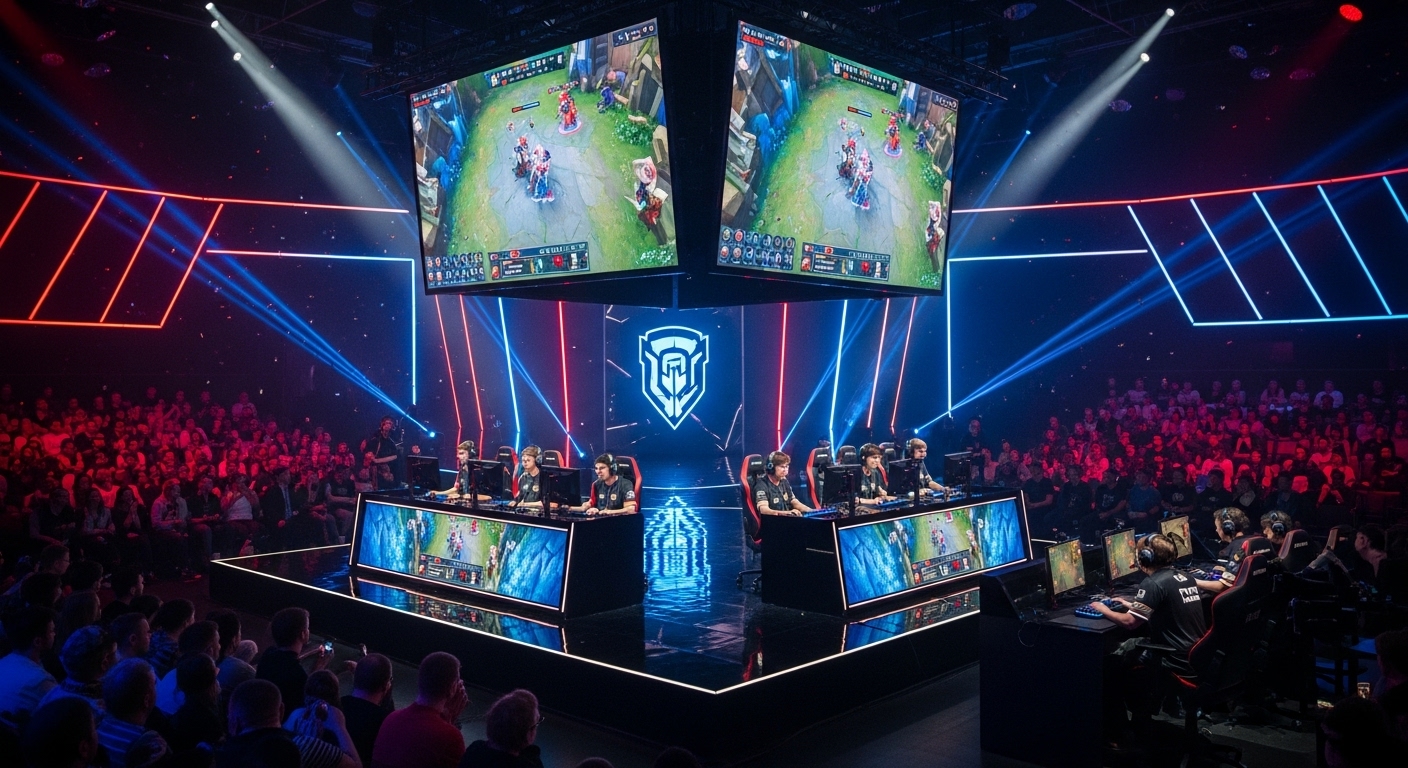
Esports, or competitive gaming, has become one of the most exciting and fastest-growing industries in the world. What was once considered a niche hobby has blossomed into a global phenomenon, attracting millions of fans, huge sponsorship deals, and offering enormous career opportunities for gamers. With tournaments like “The International” and “League of Legends World Championship” offering prize pools in the millions, esports is no longer a pastime but a serious, competitive industry. The rise of esports has redefined the gaming world, offering a unique blend of entertainment, competition, and community. In this blog, we will delve into how esports evolved from humble beginnings to become a multi-billion-dollar industry that is changing the face of entertainment and sports forever.
The Genesis of Esports: From Arcade Tournaments to Global Leagues
The roots of esports can be traced back to the early days of video games. Competitive gaming first emerged in the 1970s and 1980s with arcade tournaments and local competitions. One of the first major tournaments, the “Space Invaders Championship,” held in 1980, attracted thousands of participants and laid the groundwork for competitive gaming as we know it today. These early tournaments were informal and local, but they sparked the idea of bringing gamers together for competition.
As technology progressed, so did the scope of competitive gaming. In the 1990s, games like “Quake” and “StarCraft” brought multiplayer gaming to the forefront, and the first “major” esports event, Red Annihilation, was held in 1997, with “Quake” as the focal game. The event marked the beginning of professional esports, as players began to compete for substantial prizes and recognition. The growth of the internet and the rise of LAN (Local Area Network) parties helped expand competitive gaming even further, as players could now compete online, forming global communities around their favorite games.
By the mid-2000s, esports began to gain real traction. Games like “Warcraft III,” “Counter-Strike,” and “Dota” introduced more complex gameplay, professional teams, and international tournaments, attracting sponsorships and media attention. The global appeal of esports started to grow, with tournaments offering increasing prize pools and drawing larger audiences both in person and online.
Esports in the Digital Age: The Streaming Revolution
One of the key elements behind the growth of esports in recent years has been the rise of live streaming platforms. While esports has always had a strong community of players, the ability to watch games in real-time from anywhere in the world took the experience to the next level. Platforms like Twitch, YouTube Gaming, and Facebook Gaming have become the go-to places for both fans and aspiring players.
Twitch, in particular, has played a pivotal role in making esports accessible to a global audience. Launched in 2011, Twitch quickly became the hub for streaming live gaming content, with many top-tier esports events being broadcasted on the platform. For the first time, esports fans could watch their favorite players, teams, and tournaments from the comfort of their homes. The ability to interact with streamers, chat with fans, and even donate to players in real-time added a unique layer of engagement to the experience. Twitch not only provided a platform for watching esports but also gave rise to a new type of celebrity—the professional gamer and streamer.
As esports viewership grew, so did its mainstream appeal. Major esports tournaments like “The International” for “Dota 2” and the “League of Legends World Championship” began to attract millions of viewers, surpassing traditional sports events like the Super Bowl in terms of online viewership. This shift toward digital platforms made esports more accessible, and its popularity skyrocketed among younger generations, who are accustomed to digital entertainment and live-streaming content.
Esports as a Profession: The Emergence of the Professional Gamer
One of the most transformative aspects of esports is the rise of professional gaming as a legitimate career. In the past, competitive gamers were often seen as amateurs or hobbyists. However, today, esports has become a serious profession for those with the skill and determination to succeed. Professional gamers train for hours each day, refining their strategies, improving their reactions, and collaborating with teammates to outsmart their competition. These athletes, like their counterparts in traditional sports, rely on their mental agility, focus, and teamwork to reach the top.
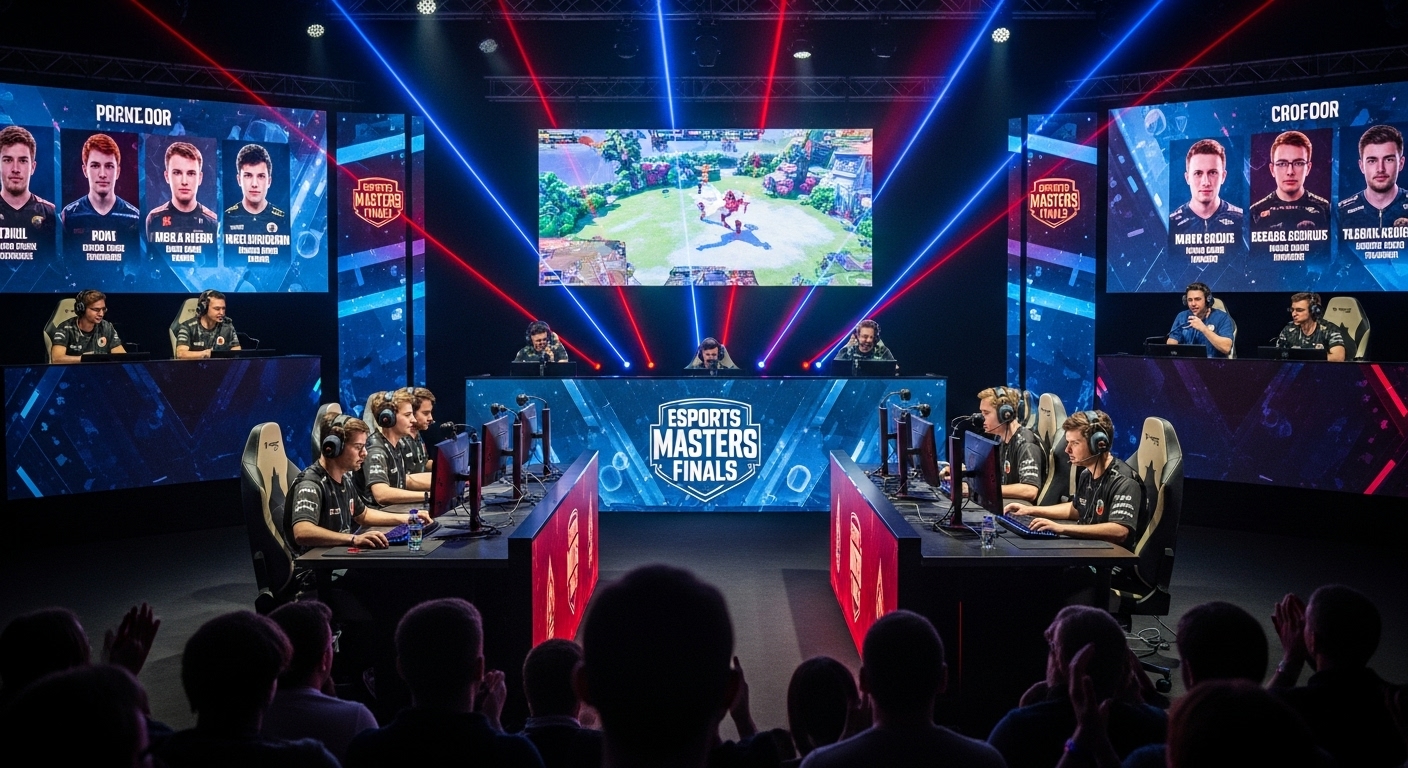
The financial rewards for professional gamers are substantial. Prize pools for major tournaments now often exceed millions of dollars. For example, “The International 2018,” a “Dota 2” tournament, offered a prize pool of over $25 million. This financial incentive, along with sponsorship deals, merchandise sales, and streaming income, has made esports a viable career option for top players. Organizations like Team Liquid, Cloud9, and FaZe Clan have become household names, recruiting some of the best players in the world. These organizations provide players with salaries, team support, and the infrastructure needed to succeed at the highest level.
Esports has also created job opportunities in various sectors. Professional coaches, analysts, broadcasters, event organizers, and managers are now integral parts of the esports ecosystem. With the growth of competitive gaming, the need for skilled professionals to manage and support esports teams has surged. This has led to the creation of esports-focused educational programs at universities, where students can learn game design, tournament management, and marketing. As the industry expands, esports offers a wide range of career opportunities for those passionate about gaming and competition.
Esports and Its Global Appeal
What makes esports truly unique is its global appeal. Unlike traditional sports, which often have regional or national boundaries, esports has a universal audience. Players from different countries and cultures can compete against each other on a level playing field, thanks to the internet. This ability to connect people across the world has led to the creation of massive esports tournaments with international participation.
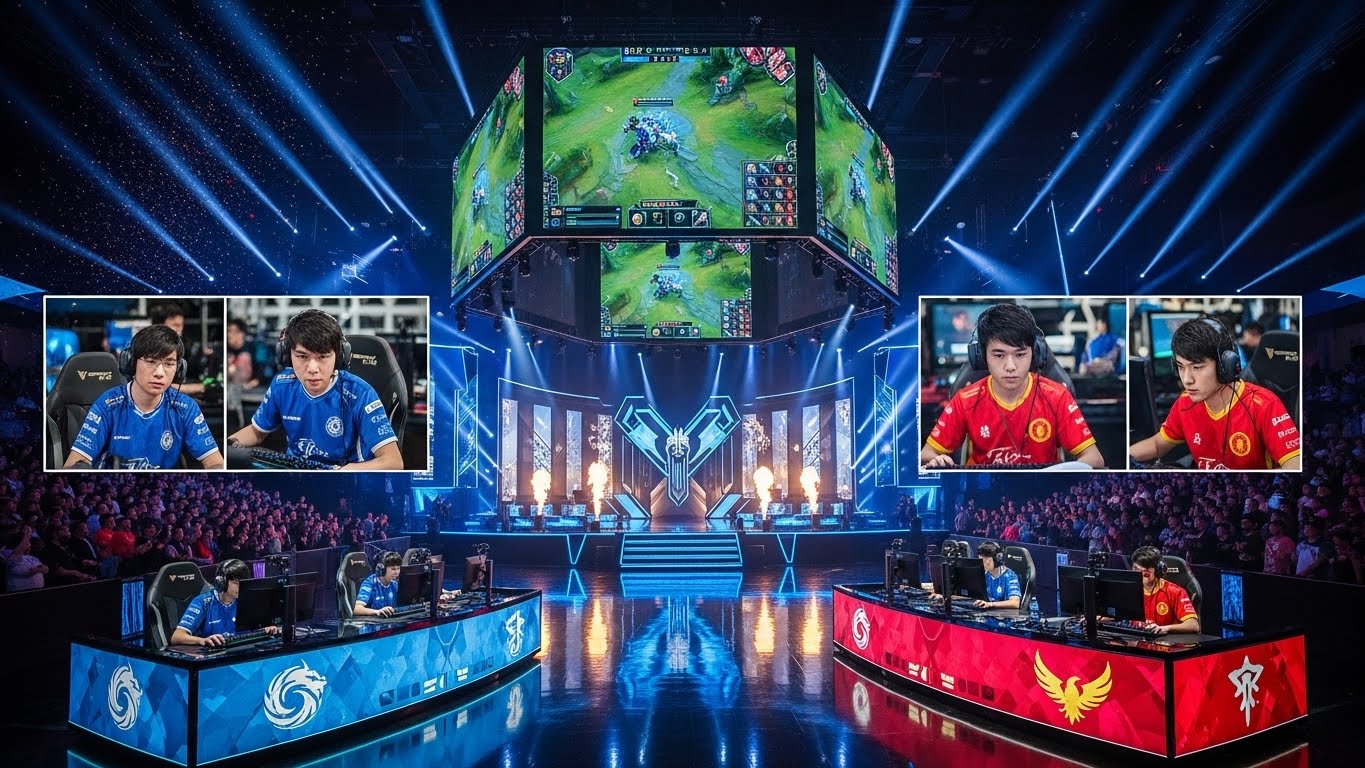
Major esports tournaments, such as the “League of Legends World Championship,” attract players from all continents. These tournaments offer a platform for gamers to showcase their skills on the world stage, and they are followed by millions of fans from various parts of the world. Fans of “Dota 2” in North America can cheer for their favorite European teams, while players in Asia can compete against talent from South America. The global nature of esports has fostered a diverse and passionate fanbase, and it has made esports a powerful tool for building international communities.
Esports also serves as a bridge between different cultures. The shared love for gaming creates a common ground where fans from different countries can communicate, collaborate, and celebrate their passion. This sense of unity and inclusion is one of the defining features of esports and is part of what makes the industry so powerful.
The Role of Sponsorship and Marketing in Esports
Like traditional sports, sponsorship and marketing play a crucial role in the growth and financial success of esports. Brands from a variety of industries have recognized the massive reach and influence of esports and have started investing heavily in the sector. Companies like Red Bull, Coca-Cola, Intel, and Nike have signed lucrative sponsorship deals with esports teams, individual players, and tournaments. These sponsorships provide the funding necessary to organize large-scale events, support players and teams, and continue expanding the esports ecosystem.
Esports has also become an attractive platform for digital marketing. Brands can engage with younger audiences through targeted campaigns, influencer partnerships, and in-game advertising. With a primarily millennial and Gen Z audience, esports offers a direct channel to one of the most sought-after consumer groups. As esports continues to grow in popularity, more brands are likely to enter the market, creating new opportunities for teams, players, and content creators.
The Cultural Impact of Esports
Esports has significantly impacted global pop culture, changing the way we view gaming and entertainment. Once relegated to basements and arcades, gaming is now a mainstream form of entertainment, with professional esports leagues and tournaments commanding massive audiences both in person and online. Competitive gaming has become a form of entertainment that is comparable to traditional sports, with millions of fans tuning in to watch their favorite teams compete at the highest level.
Esports has also brought gaming into the cultural spotlight in a way that was unimaginable a few decades ago. Major cities around the world now host esports events in large arenas, and esports has even been included as a medal event in multi-sport competitions like the Asian Games. The cultural shift from gaming being seen as a niche activity to being recognized as a legitimate form of entertainment has been significant.
The influence of esports extends beyond the gaming community. It has inspired new forms of content creation, including esports documentaries, live streams, and podcasts. Esports has also found its way into popular media, with video games and esports stars appearing in movies, television shows, and online content. This integration into mainstream media further solidifies esports as a cultural force to be reckoned with.
The Future of Esports
As esports continues to grow, its future seems bright. The industry is expected to expand even further, with new games, tournaments, and platforms emerging all the time. The increasing integration of virtual reality (VR) and augmented reality (AR) technologies into gaming is likely to revolutionize the esports experience, creating new opportunities for immersive gameplay and audience interaction.
Esports will also continue to blur the lines between traditional sports and gaming. With its growing influence, esports is increasingly being recognized as a legitimate form of competition and entertainment, attracting more investment, sponsorship, and global attention. The potential for esports to become as popular and influential as traditional sports is real, and the future of competitive gaming is filled with exciting possibilities.