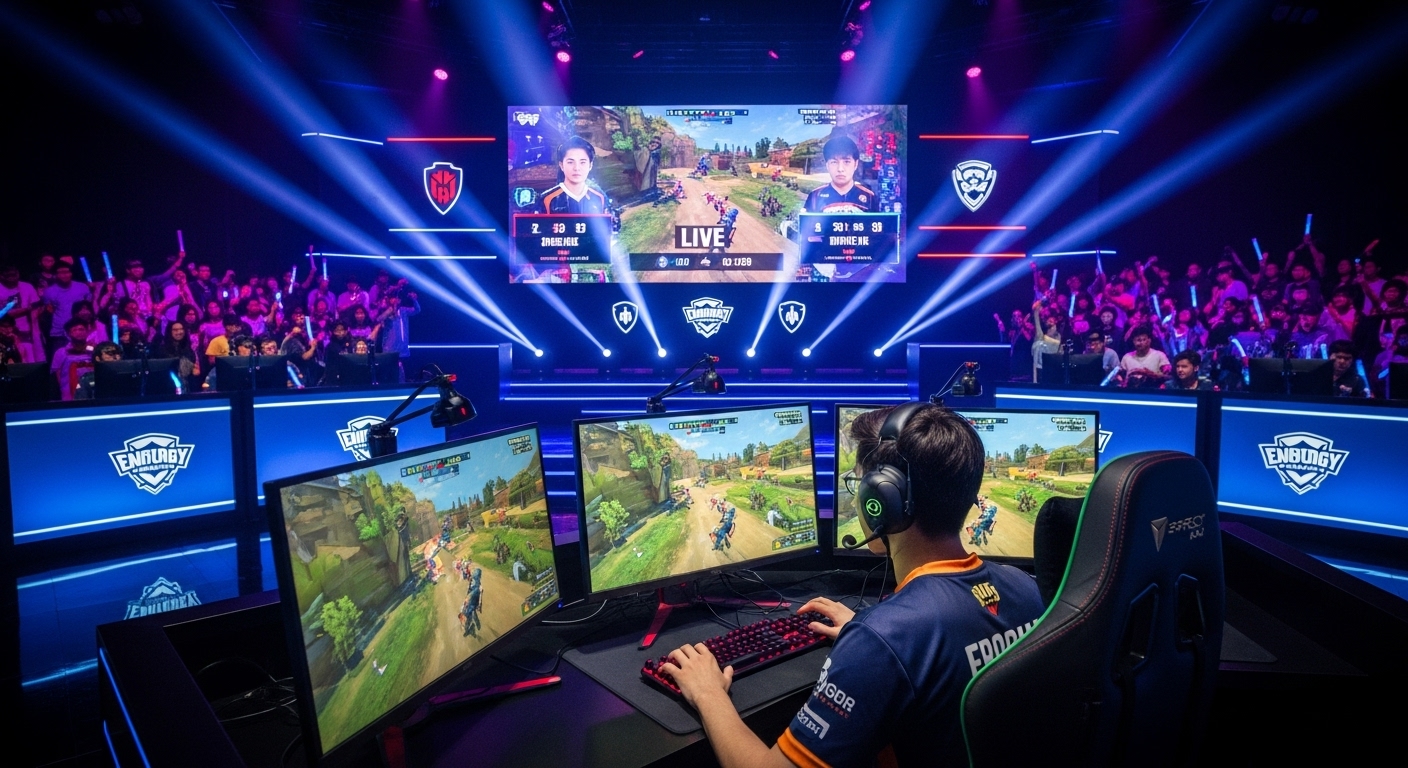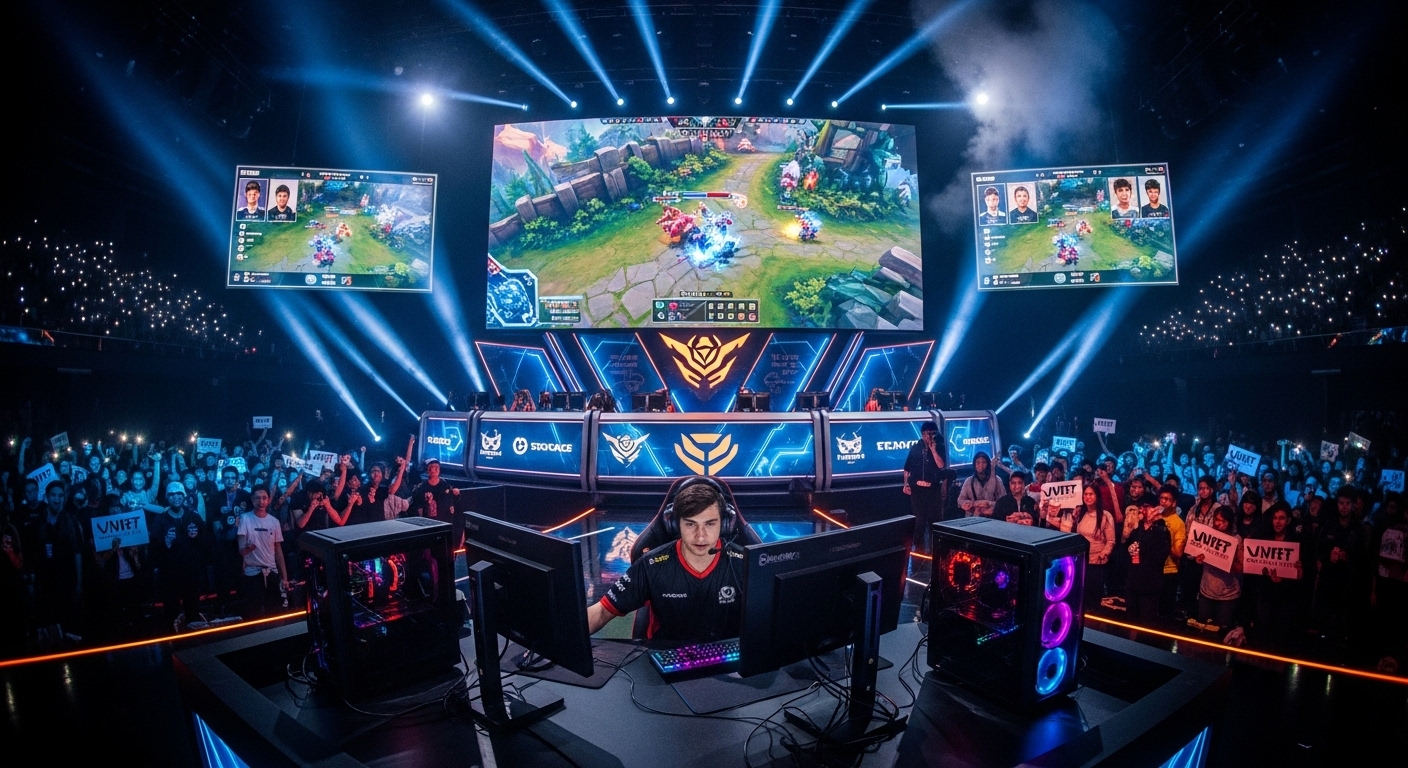
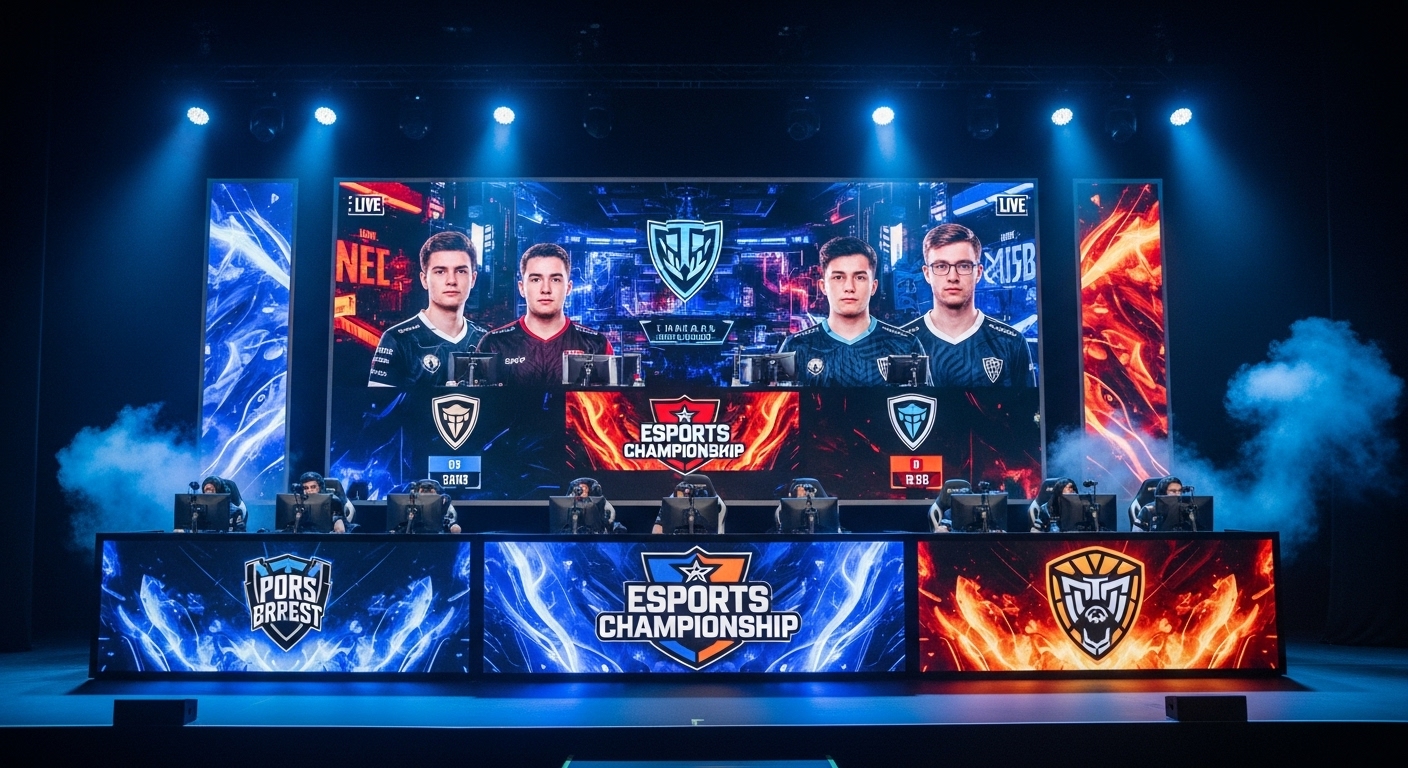
Introduction: A Digital Revolution
Esports, once considered a niche hobby, has emerged as a global phenomenon redefining what it means to compete. From the early days of arcade competitions to multi-million-dollar international tournaments, competitive gaming has transcended the boundaries of traditional sports. Today, esports commands a global audience, creates lucrative career opportunities, and drives technological innovation, all while uniting players and fans across continents.
The explosive growth of esports is not just about games—it’s about culture, strategy, community, and the relentless pursuit of excellence. In this blog, we explore the history, structure, and impact of esports, examining how it has evolved into one of the most influential entertainment industries of the 21st century.
The Origins of Esports: From Arcades to Online Arenas
Competitive gaming has humble beginnings. In 1972, the first known video game competition took place at Stanford University, where students competed in the game Spacewar for a modest prize. By the 1980s, arcade games like Pac-Man and Donkey Kong fueled a growing competitive scene. High scores became a badge of honor, and local tournaments gained popularity, turning casual play into an early form of esports.
The 1990s brought home gaming consoles and the emergence of online multiplayer games. Titles like Quake, StarCraft, and Counter-Strike allowed players from around the world to connect and compete. The Cyberathlete Professional League, established in 1997, formalized the concept of professional gaming, creating leagues, rankings, and prize pools that mirrored traditional sports.
The Rise of the Global Esports Industry
Esports entered the mainstream with the expansion of the internet and streaming technology. Games such as League of Legends, Dota 2, Fortnite, and Overwatch attracted massive audiences, both casual and professional. Platforms like Twitch revolutionized content consumption, allowing fans to watch live matches, interact with players, and participate in online communities.
Countries like South Korea and China became epicenters of competitive gaming. In South Korea, esports players are celebrities, supported by rigorous training academies and televised competitions. In China, esports tournaments attract millions of online viewers, demonstrating the global appeal of this digital sport.
The international expansion of esports has been fueled by accessibility. Unlike traditional sports, which require specific venues and equipment, esports can be played on personal computers, consoles, or mobile devices, allowing participation from almost anywhere.
The Structure of Esports: Teams, Tournaments, and Organizations
Esports has a well-defined structure that mirrors conventional sports leagues. At the core are professional teams, which recruit the most talented players and compete in tournaments worldwide. These teams often operate like corporations, employing managers, coaches, analysts, and marketing specialists to maximize performance and exposure.
Tournaments and leagues are central to esports. Developers or independent organizations host competitions, ranging from small online events to large international championships with multimillion-dollar prize pools. Major tournaments, such as The International for Dota 2 or the League of Legends World Championship, attract millions of live viewers and generate substantial media coverage.
Game publishers also play a critical role. They control the rules, updates, and competitive ecosystem of their games, ensuring balance, fairness, and excitement. Fans, in turn, are the lifeblood of esports, fueling growth through streaming, merchandise, and community engagement.
Careers in Esports: Beyond the Players
Professional players are the most visible face of esports, but the industry supports a wide range of careers. Coaches develop strategies and improve team performance. Analysts study game statistics to provide insights. Casters and commentators bring matches to life for audiences.
Additionally, esports organizations employ specialists in marketing, event management, content creation, and broadcasting. Universities now offer programs in esports management and game design, preparing students for careers in this rapidly growing field. The professionalization of esports ensures that it is not only entertaining but also a sustainable career path for thousands of individuals worldwide.
Esports as a Business: Sponsorships and Revenue Streams
The esports industry has evolved into a multibillion-dollar business. Sponsorships are a primary revenue stream, as global brands seek to engage younger, digitally connected audiences. Major corporations invest in team sponsorships, tournament naming rights, and advertising within streams and events.
Media rights are another major contributor to revenue. Streaming platforms provide access to live tournaments for millions of viewers, creating lucrative advertising opportunities. Ticket sales and merchandise further boost the financial ecosystem, enabling esports organizations to thrive and expand.
Investments from traditional sports franchises, venture capitalists, and technology companies have also accelerated growth. Esports has become not only a cultural phenomenon but a serious business with long-term potential.
Esports and Mainstream Media
The perception of esports has changed dramatically. Once dismissed as a niche pastime, competitive gaming now receives attention from mainstream media, television networks, and major sports organizations. Coverage includes live broadcasts, documentaries, news stories, and feature articles highlighting top players, teams, and tournaments.
Esports has even gained recognition in multi-sport events. Its inclusion in competitions like the Asian Games demonstrates the legitimacy of esports as a competitive discipline. Although debates continue regarding esports’ place in the Olympics, the growing acceptance reflects its cultural and global significance.
Esports also intersects with entertainment, influencing movies, TV shows, and online content. Its narratives—rivalries, underdog victories, and personal stories—resonate with audiences just as traditional sports stories do.
Psychological and Social Dimensions of Esports
Competitive gaming presents unique psychological challenges. Professional players face intense pressure, long training hours, and constant performance evaluation, which can lead to stress and burnout. Recognizing this, organizations are implementing wellness programs to support mental and physical health.
Despite the challenges, esports fosters valuable life skills. Teamwork, communication, strategic thinking, and problem-solving are central to success. Gaming communities provide social connection and inclusion, particularly for individuals who may feel marginalized in traditional sports or social settings. Esports thus serves both competitive and social purposes, enhancing personal growth and interpersonal skills.
Technological Innovations Driving Esports
Esports relies heavily on technology. High-speed internet, powerful computers, and online platforms enable real-time competition across continents. Emerging technologies such as virtual reality, augmented reality, and artificial intelligence are poised to further transform the industry.
AI is increasingly used to analyze gameplay, identify strategies, and optimize player performance. VR and AR create immersive experiences for both players and fans, potentially redefining how esports events are staged and consumed. Blockchain technology and digital assets are also being explored as ways to reward players and fans, creating new economic models for engagement.
Technological innovation ensures that esports remains dynamic, engaging, and at the forefront of digital entertainment.
Challenges Facing Esports
Despite its growth, esports faces challenges. Sustainability is a concern, as player burnout, tournament instability, and fluctuating revenues can threaten long-term viability. Governance is another issue, with no universal regulatory body overseeing all competitive gaming, resulting in inconsistent rules and player protections.
Fair play remains critical. Cheating, match-fixing, and online harassment must be addressed to maintain credibility and integrity. The industry must continue to implement technological safeguards, clear regulations, and ethical standards to protect players and preserve fan trust.
The Future of Esports
The future of esports is promising. Analysts predict continued growth in audience size, revenue, and mainstream acceptance. Younger generations, raised in digital environments, are more likely to embrace esports as a legitimate form of competition.
Innovation will drive the next phase of esports. Mixed-reality events, AI-assisted coaching, and immersive spectator experiences may redefine the boundaries of gaming. Universities, investors, and governments are increasingly supporting esports infrastructure, ensuring it matures as both an industry and cultural phenomenon.
The core of esports—community, passion, and competition—will remain its driving force. Whether playing casually or professionally, gamers worldwide share a commitment to skill, strategy, and shared experiences that define this modern sport.
Conclusion: Esports as a Cultural and Competitive Force
Esports is more than a trend—it is a transformation of how we understand competition, entertainment, and community. It combines skill, strategy, teamwork, and technology to create a unique global phenomenon. From small arcade competitions to massive international tournaments, esports has proven that virtual competition can inspire, entertain, and unite people worldwide.
As the industry continues to grow, it will redefine careers, shape media, and influence technology in unprecedented ways. Esports stands as a testament to the power of human creativity and competition in the digital era, a celebration of passion that goes beyond the screen and into the hearts of millions around the world.