Introduction
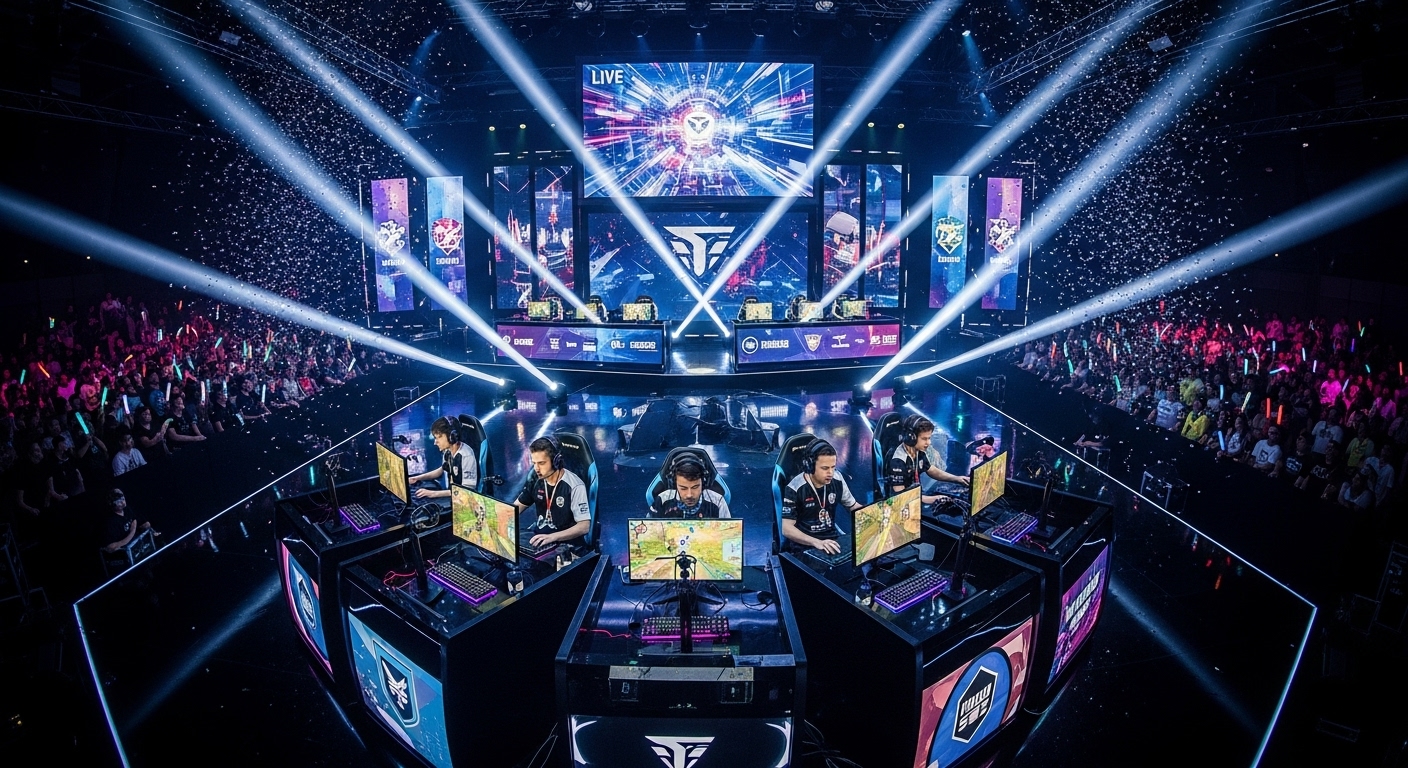
Esports, or competitive gaming, has rapidly evolved from a niche hobby into a global cultural phenomenon. Millions of people around the world now watch professional gamers compete in arenas and online platforms, and the industry continues to grow at an unprecedented pace. Esports is no longer just about playing video games—it has become a legitimate form of competition, entertainment, and career development. This blog explores the rise of esports, its impact on society, its economic influence, and the way it is reshaping the future of gaming and sports culture.
The Origins of Esports
The roots of esports can be traced back to the late 1970s and 1980s, when arcade competitions became popular. Early video games like Pong and Space Invaders inspired local tournaments, where players competed for high scores. These competitions were the foundation of competitive gaming culture, creating communities of passionate gamers who shared their skills and strategies.
By the 1990s, the rise of personal computers and online connectivity allowed multiplayer games to flourish. Titles such as StarCraft, Warcraft, and Counter-Strike became competitive staples, laying the groundwork for organized esports leagues. These games introduced structured tournaments, ranking systems, and team-based competition, setting the stage for esports as we know it today.
The Global Explosion of Esports
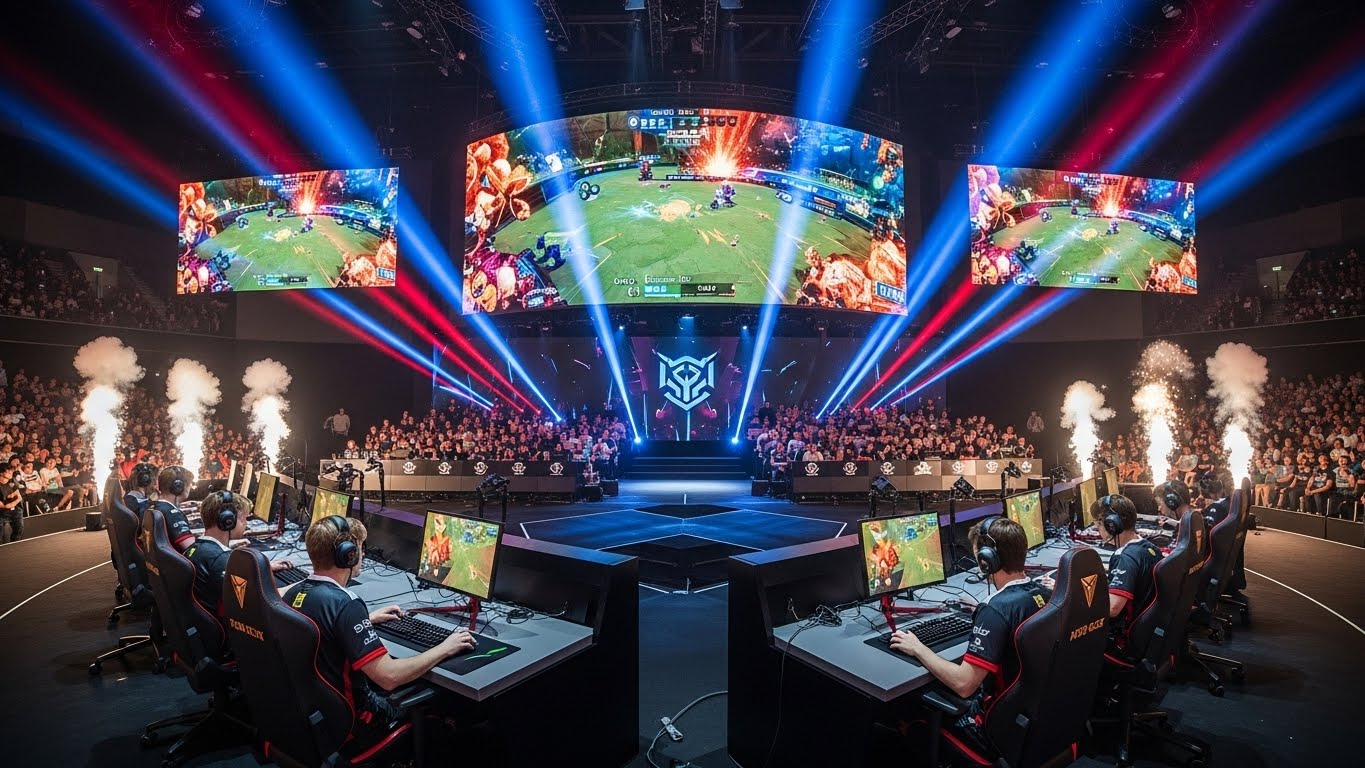
In the last decade, esports has grown into a global phenomenon. Games like League of Legends, Dota 2, Fortnite, and Call of Duty have attracted millions of viewers and players worldwide. Large-scale tournaments now offer multi-million-dollar prize pools and sell out stadiums, rivaling traditional sports in both popularity and spectacle.
Online streaming platforms play a critical role in this expansion. Fans can watch live matches, interact with players, and follow tournaments in real time from anywhere in the world. This accessibility has contributed to esports becoming a mainstream form of entertainment and has opened opportunities for fans, content creators, and professional players alike.
The Structure of Competitive Gaming
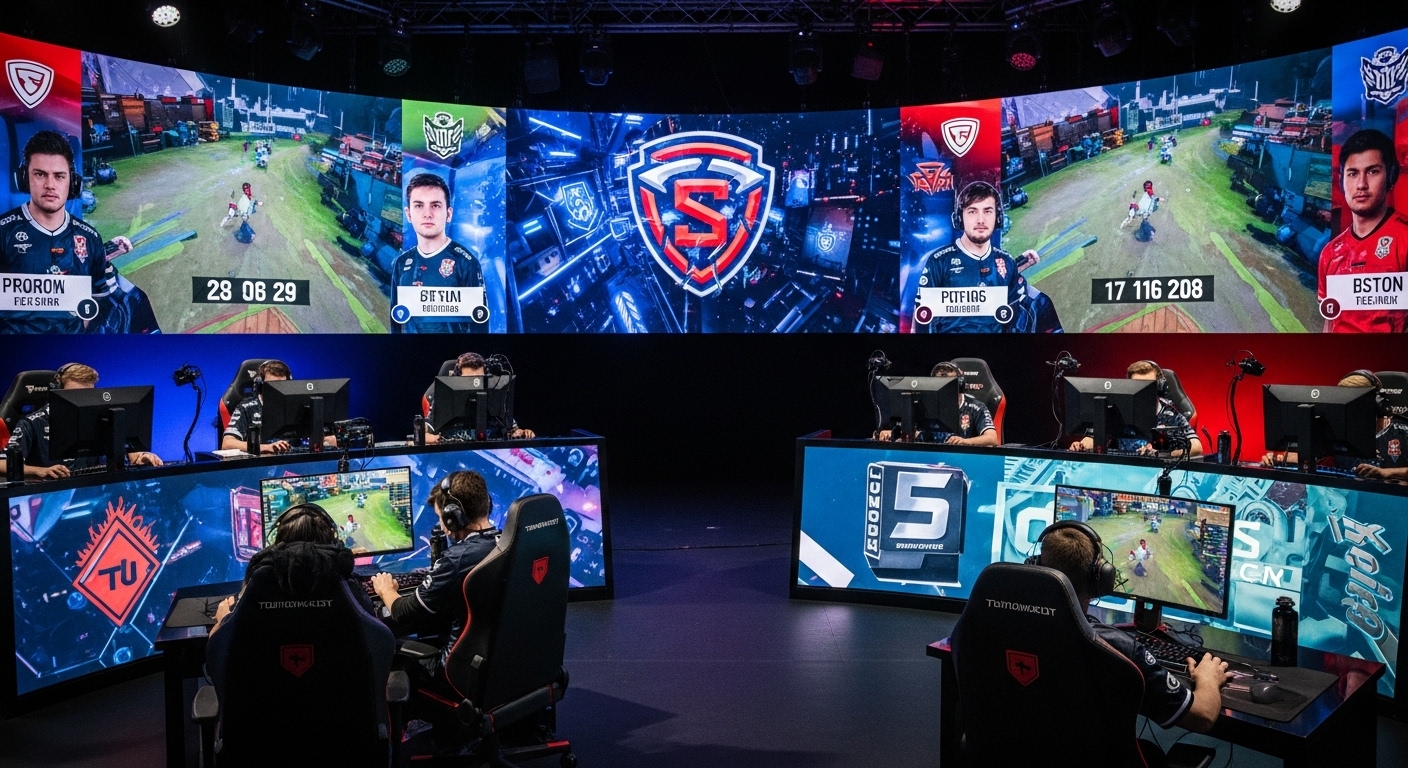
Esports operates with a level of professionalism comparable to traditional sports. Teams consist of players, coaches, analysts, and support staff. Training is rigorous, involving hours of practice, strategic planning, and performance analysis. Players must combine quick reflexes with strategic thinking, effective communication, and teamwork to succeed.
Unlike traditional sports that rely primarily on physical strength, esports demands precision, mental agility, and coordination. The pressure to perform in tournaments is intense, and players must manage stress, adapt to new strategies, and maintain consistency under scrutiny. This level of dedication emphasizes the professionalism required to compete in esports at the highest level.
Technology and Its Role in Esports
Technology is the backbone of esports. High-performance computers, gaming consoles, advanced peripherals, and reliable internet connections are essential for competitive play. Streaming platforms, analytics tools, and broadcasting technologies allow tournaments to reach millions of viewers in real time.
Emerging technologies such as virtual reality and augmented reality are also starting to influence esports. These tools provide immersive experiences for players and spectators alike, creating new possibilities for competition and engagement. The rapid advancement of technology ensures that esports will continue to evolve, expanding the ways players compete and audiences participate.
Esports as a Career Path
Esports has become a viable career option for many individuals. Professional players earn salaries, sponsorship deals, and prize money from tournaments. Beyond playing, there are career opportunities in coaching, event management, broadcasting, content creation, and game development.
Professional esports teams now operate like traditional sports franchises. They invest in training facilities, provide mental health and nutrition resources, and offer structured schedules for their players. This professionalization demonstrates that esports is more than just entertainment—it is a serious industry capable of supporting long-term careers.
Youth Engagement and Educational Impact
Esports has a significant influence on youth, offering both educational and social benefits. Participation in competitive gaming can improve problem-solving skills, hand-eye coordination, and strategic thinking. Schools and universities have started incorporating esports programs, providing scholarships and structured opportunities for students to develop their skills.
Esports also fosters teamwork and communication. Players must collaborate effectively to achieve objectives and navigate challenges during matches. These experiences teach leadership, collaboration, and resilience—skills that are valuable in both academic and professional settings. By combining fun with skill-building, esports serves as a platform for personal growth and development among young people.
Community Building Through Esports
Esports creates vibrant online and offline communities. Fans, players, and content creators interact in forums, streaming chats, and social media platforms. These communities provide spaces for sharing strategies, celebrating victories, and discussing tournaments.
Local esports leagues and events also foster community engagement. Participants come together to compete, learn, and support each other, creating a sense of belonging. Esports encourages inclusivity, bringing together individuals from diverse backgrounds and connecting people through a shared passion for gaming.
Economic Impact of Esports
The economic footprint of esports is immense. The industry generates revenue through tournament prize pools, sponsorships, advertising, merchandising, and media rights. Professional teams attract investments, and tournaments drive tourism and local business growth.
Additionally, esports stimulates innovation in technology and entertainment. Hardware manufacturers, software developers, and digital content creators benefit from the growth of esports, which has created new markets and business opportunities. The industry’s rapid expansion highlights its economic significance and potential for further growth.
Health and Wellness in Esports
While esports is primarily a digital activity, physical and mental well-being are critical for players’ performance. Many professional gamers follow fitness routines, maintain proper nutrition, and use ergonomic setups to prevent strain or injury. Mental health is also a focus, as competitive gaming involves stress, long hours of practice, and high-pressure matches.
Participating in esports can also enhance cognitive abilities, including memory, multitasking, and decision-making. When balanced with physical activity and social engagement, esports can provide both entertainment and skill development.
The Future of Esports
The future of esports is bright and dynamic. Advancements in technology, growing investment, and increasing mainstream recognition will continue to drive the industry’s growth. Virtual reality, augmented reality, and artificial intelligence will expand the possibilities for gameplay, spectatorship, and tournament design.
Esports is also likely to integrate further with traditional sports, creating hybrid competitions and cross-industry collaborations. The professionalization of esports and the rise of educational programs will ensure a sustainable pipeline of talent and innovation. The continued global popularity of esports indicates that it is more than a passing trend—it is a lasting cultural and economic force.
Conclusion
Esports has transformed the way we view competition, entertainment, and technology. From its origins in arcades and early multiplayer games to its current status as a global industry, esports has proven that gaming is a legitimate and influential form of human expression.
Esports inspires youth, builds communities, drives economic growth, and provides new career opportunities. It combines strategy, skill, and teamwork with digital innovation, creating experiences that engage millions worldwide. As technology advances and the industry continues to evolve, esports will play an increasingly important role in shaping the future of entertainment, culture, and human interaction.
For players and fans alike, esports is more than a game—it is a passion, a profession, and a global movement that reflects the creativity, ambition, and potential of the digital age.