Introduction The New Competitive Revolution
Esports has evolved from a pastime enjoyed by small gaming communities into a global sensation that commands the attention of millions. What was once labeled as simple entertainment is now a powerful industry filled with professional players, massive tournaments, dedicated fans, and expanding career opportunities. The world of esports blends skill, strategy, technology, and culture, creating a competitive landscape that rivals traditional sports. This blog explores the origins, growth, impact, and future of esports, revealing why it has become one of the most influential digital revolutions of the twenty first century.
From Hobby to Global Phenomenon
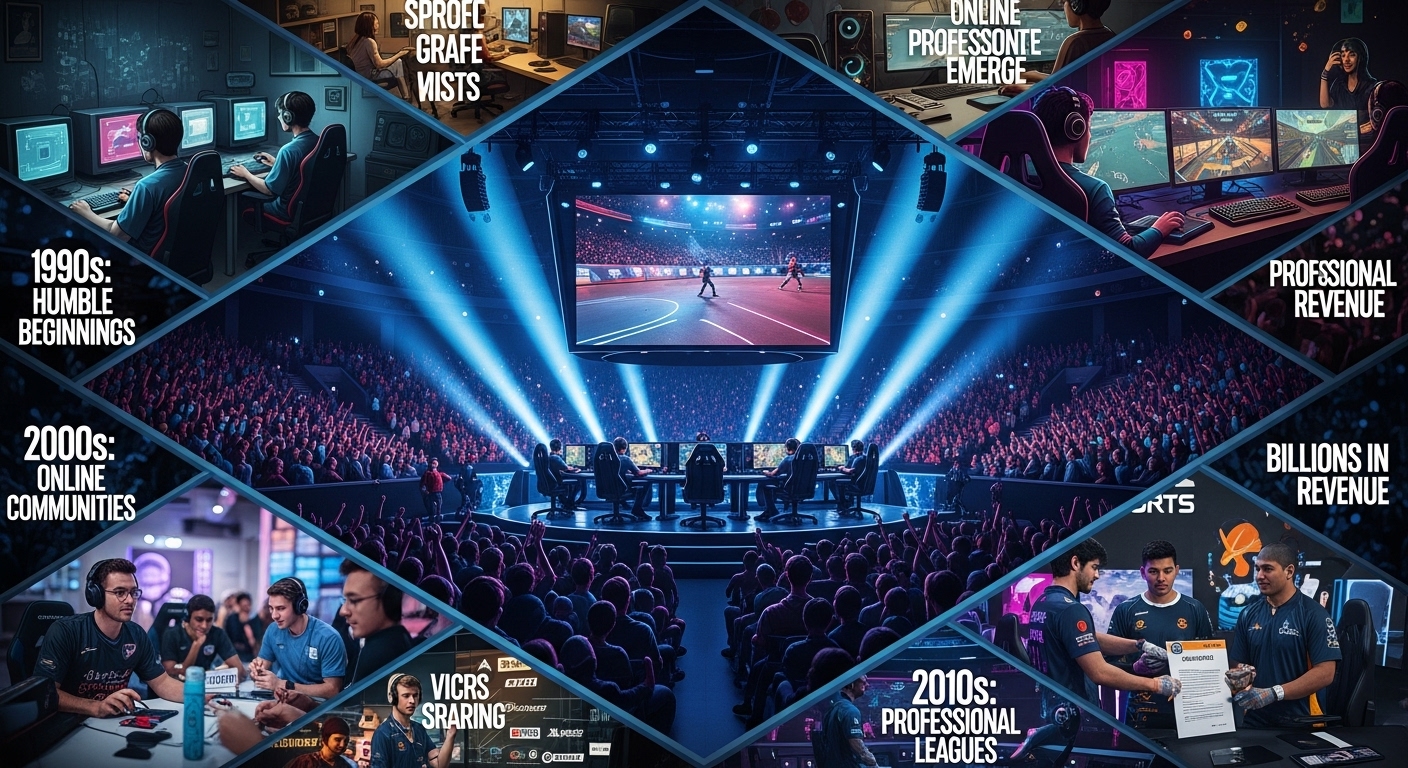
The journey of esports began with informal gaming competitions in arcades and living rooms. Early computer games sparked competitive interest, but the scale was small compared to today. The turning point came with the rise of online gaming, which allowed players from different regions to challenge one another in real time. As the internet expanded, so did gaming communities.
By the early two thousands, organized tournaments began to take shape. Competitive titles like strategy games and early shooters helped build the foundation for modern esports. As technology advanced, professional leagues emerged, and esports gained recognition as a legitimate competitive field. Today, esports is a worldwide phenomenon, drawing millions of viewers and generating significant economic growth.
The Variety of Esports Titles
One of the defining strengths of esports is the wide range of game genres that appeal to different audiences. Multiplayer battle arenas focus on team coordination and strategic planning. First person shooters demand reflexes, precision, and communication. Battle royale titles combine survival elements with high intensity action. Sports simulation games recreate the excitement of athletic competitions in virtual arenas.
Each genre offers something unique. Strategy games reward deep thinking and long term planning. Action games highlight fast decision making. Sports simulations mirror real world athletic challenges but add digital creativity. This variety ensures that esports remains dynamic and continuously evolving, with something to attract every type of gamer and spectator.
Streaming Platforms and Community Growth
Streaming platforms have played a crucial role in the rise of esports. These platforms allow players to broadcast their gameplay live, creating a direct connection with audiences. Viewers can comment, react, and interact with both the streamer and the community, building a sense of shared excitement.
Streaming transformed gaming from a solitary activity into a social experience. It also opened the door for content creators, who entertain viewers through skillful gameplay, humor, or educational commentary. Fans follow streamers, join communities, and participate in discussions, making esports not just a competitive field but a cultural movement.
The availability of live matches ensures that anyone with an internet connection can enjoy esports competitions. This accessibility fuels rapid growth and strengthens the global esports community.
The Rise of Professional Players
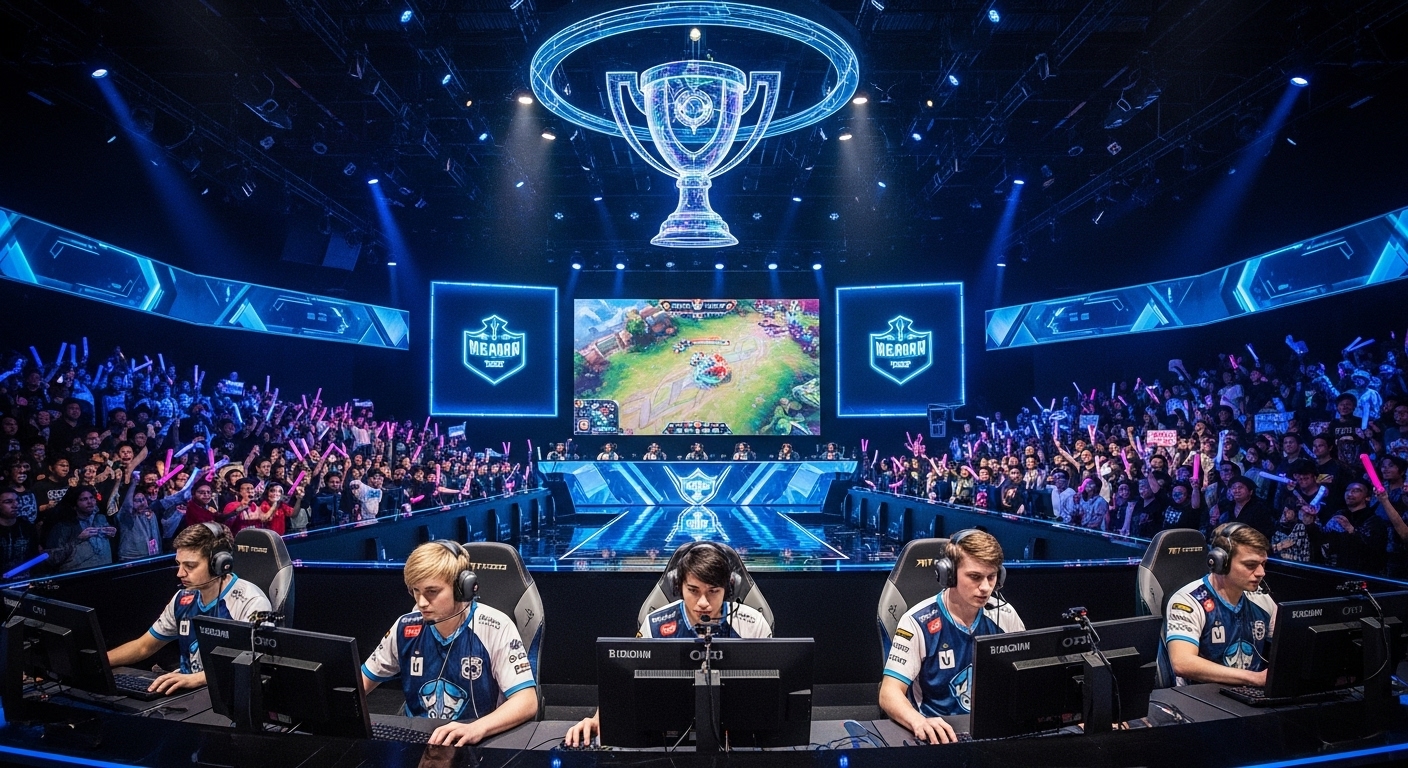
Professional esports players dedicate countless hours to mastering their games. Their training schedules mirror those of traditional athletes, involving daily practice, strategy development, team coordination, and mental conditioning. Many players specialize in specific roles, contributing unique strengths to their teams.
These professionals compete in leagues and tournaments that offer significant rewards. Their matches are streamed worldwide, attracting audiences comparable to large sporting events. Many esports athletes gain celebrity status, inspiring aspiring gamers and representing a new generation of digital competitors.
The rise of professional players proves that gaming is far more than a hobby. It is a discipline requiring dedication, analytical thinking, emotional control, and teamwork.
Esports Organizations and Team Culture
Esports organizations operate much like traditional sports clubs. They recruit talent, hire coaches, employ analysts, and create training environments for their players. Team culture plays a vital role in success. Players must communicate effectively, support each other through challenges, and maintain a unified focus during competition.
Organizations also manage business operations such as sponsorships, merchandising, branding, and media partnerships. The professionalism within these organizations shows how far esports has grown. What began as informal gatherings has developed into a structured industry with strong leadership, strategic planning, and global impact.
Career Opportunities Beyond Playing
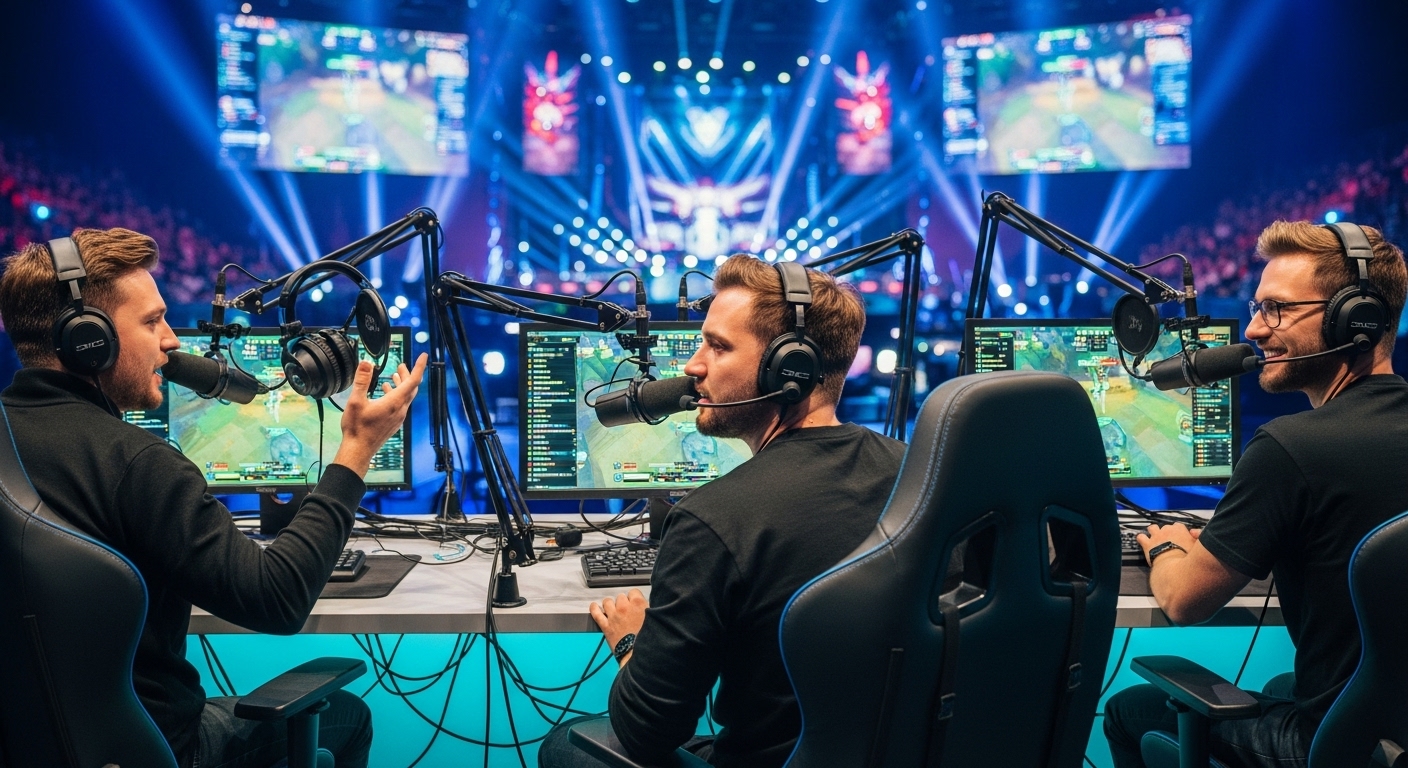
Esports is not limited to professional players. The industry offers numerous career paths. Commentators bring matches to life with exciting analysis. Coaches help refine strategies and improve teamwork. Analysts break down performance data to guide improvements. Event coordinators plan tournaments and manage logistics.
Content creators produce videos, tutorials, and behind the scenes coverage. Graphic designers, marketers, social media specialists, and photographers contribute to the branding and promotion of organizations and players. Game developers work closely with esports communities to refine competitive environments.
This diversity proves that esports is a thriving ecosystem filled with opportunities for people with creative, technical, or managerial skills.
The Global Influence of Esports
Esports has transcended borders, becoming a truly international phenomenon. Countries host tournaments, support gaming communities, and invest in esports infrastructure. Some governments formally recognize esports as an official sport. Universities offer scholarships to talented players and build competitive teams.
This global influence brings people from different cultures together. Fans support international teams, learn about different regions, and connect with others who share their passion. Esports promotes collaboration, understanding, and communication across cultural boundaries.
Its worldwide reach continues to grow, demonstrating its power as a unifying force in modern entertainment.
Technology Shaping the Esports Experience
Technological advancement is one of the driving forces behind esports. High performance gaming equipment enhances player precision and comfort. Fast internet speeds allow smooth online competition. Advanced graphics and game engines create visually stunning environments.
Artificial intelligence tools help analyze gameplay patterns. Virtual reality offers immersive gaming experiences that may soon expand into competitive arenas. Cloud gaming services bring high quality performance to users without expensive hardware.
As technology continues to evolve, esports will become even more immersive, accessible, and engaging. These innovations pave the way for future generations of competitive gamers.
Challenges Faced by the Esports Industry
Despite its success, esports faces challenges. Player burnout is common due to intense practice schedules and high expectations. Mental health concerns need to be addressed with proper support systems. Online toxicity and harassment are ongoing issues that require strong regulation and community engagement.
Another challenge is maintaining competitive fairness. Game balance, rule enforcement, and tournament integrity must be carefully managed. The industry also needs clear standards for contracts, player rights, and organizational responsibilities.
Addressing these challenges will ensure the sustainability and credibility of esports as it continues to grow.
Esports in Education and Youth Development
Esports is gaining recognition in educational settings. Schools and universities now create esports programs that teach teamwork, strategy, communication, and leadership. Students participate in competitive leagues and gain valuable social and technical skills.
Educational esports emphasizes discipline, problem solving, and time management. It provides opportunities for students who may not participate in traditional sports but still thrive in competitive environments. As these programs expand, esports will become an even greater force in youth development and academic growth.
The Cultural Impact of Esports
Esports has influenced fashion, entertainment, and digital culture. Players create signature styles, teams develop branded merchandise, and collaborations with artists and designers produce unique trends. Gaming themed music, virtual concerts, and interactive entertainment have become part of the broader cultural landscape.
The language of gaming has entered everyday conversation. Memes, phrases, and shared experiences unite players across the globe. Esports inspires films, documentaries, and digital series that celebrate the competitive spirit and emotional journeys of players.
The Future of Esports
The future of esports holds limitless potential. As technology advances, competitions will become more interactive and immersive. Audience participation may play a greater role in shaping events. Virtual arenas and holographic displays could create new ways to experience tournaments.
Esports will continue merging with traditional sports, entertainment, and media. More opportunities for education and career growth will emerge, and global influence will expand. The industry will likely become an essential part of modern culture, inspiring future generations of players and fans.
Conclusion A Digital Arena with Endless Possibilities
Esports stands as one of the most significant developments in modern entertainment. It combines passion, strategy, skill, and global connection in ways few industries can match. What began as a simple hobby has grown into a worldwide movement with its own culture, economy, and identity.
As esports continues its rise, it will shape the future of competition, technology, and community. The digital arena is open to everyone, offering endless possibilities for players, creators, and fans. The story of esports is still being written, and its potential is only just beginning to unfold.