Introduction: The Growing World of Esports
Over the past few decades, esports has transitioned from a niche hobby to a globally recognized entertainment industry. What was once a pastime for passionate gamers has now evolved into a multi-billion-dollar sector, with millions of viewers, professional leagues, and lucrative sponsorship deals. Esports is no longer just about playing video games for fun; it has become a professional career, a spectator sport, and an integral part of modern culture. In this blog post, we’ll explore the rapid rise of esports, its impact on the gaming world, the business behind it, and what the future holds for this exciting industry.
The Origins of Esports: A Humble Beginning
The roots of esports can be traced back to the early days of competitive gaming. In the 1970s and 1980s, video game competitions were small, localized events often held at arcades or gaming conventions. These tournaments were simple, informal affairs where players competed for bragging rights or small prizes. Games like Space Invaders, Pong, and Street Fighter were early favorites in these competitions, but the concept of gaming as a competitive sport was still in its infancy.
The first major step in the evolution of esports came in 1997 with the launch of the Red Annihilation tournament for the game Quake. This event, which attracted a global audience, featured some of the best players in the world competing for a grand prize of $10,000. While it may seem modest by today’s standards, the Red Annihilation tournament helped lay the groundwork for what would eventually become a massive, global industry.
The late 1990s and early 2000s saw the emergence of larger esports tournaments, thanks to the increasing popularity of online multiplayer games. Titles like StarCraft, Counter-Strike, and Warcraft III provided the competitive framework for more organized esports leagues. Major tournaments such as The World Cyber Games (WCG) and Electronic Sports World Cup (ESWC) began to emerge, with participants from around the globe battling for international recognition and cash prizes.
The Rise of Streaming: Bringing Esports to the Masses
One of the most important factors in the rapid rise of esports has been the advent of online streaming platforms. In the early 2010s, platforms like Twitch revolutionized the way people consumed esports content. Twitch, which launched in 2011, allowed players to stream their gameplay live to an audience, creating an interactive experience where fans could watch, comment, and even engage with streamers in real-time.
Twitch, combined with the growing popularity of games like League of Legends, Dota 2, and Counter-Strike: Global Offensive, became the go-to platform for esports events. The ability to watch tournaments and games live, as well as interact with players and other fans, created a sense of community that helped propel esports into the mainstream.
In addition to Twitch, platforms like YouTube Gaming and Facebook Gaming also played a significant role in promoting esports. These platforms allowed gamers to share content, broadcast live events, and build dedicated fanbases. As viewership grew, it attracted the attention of major sponsors and advertisers, further legitimizing esports as a serious entertainment medium.
Esports as a Professional Career
As esports continued to grow in popularity, the idea of gaming as a professional career began to take shape. Just as traditional athletes earn their livelihoods from their respective sports, esports players started to make money through tournament winnings, sponsorships, and brand endorsements. The salaries of professional esports players, particularly in major titles like League of Legends, Dota 2, and Fortnite, can rival those of professional athletes in traditional sports.
Top players now sign contracts with major esports organizations such as Team Liquid, Cloud9, and Fnatic, and they often receive salaries, prize money from tournaments, and additional revenue from sponsorship deals. These players train rigorously, practicing for hours each day to hone their skills and compete at the highest level. Much like traditional sports, esports players are constantly seeking to improve their gameplay, with many dedicating their lives to the pursuit of victory.
The growth of esports as a career path has led to the development of training facilities, coaching staff, and analysts who help players develop their skills, understand game strategies, and prepare for tournaments. Esports organizations also focus on player well-being, offering mental health support, physical fitness programs, and career development services to ensure that players can sustain long, successful careers in the industry.
Esports Tournaments and Leagues: The Heart of Competitive Gaming
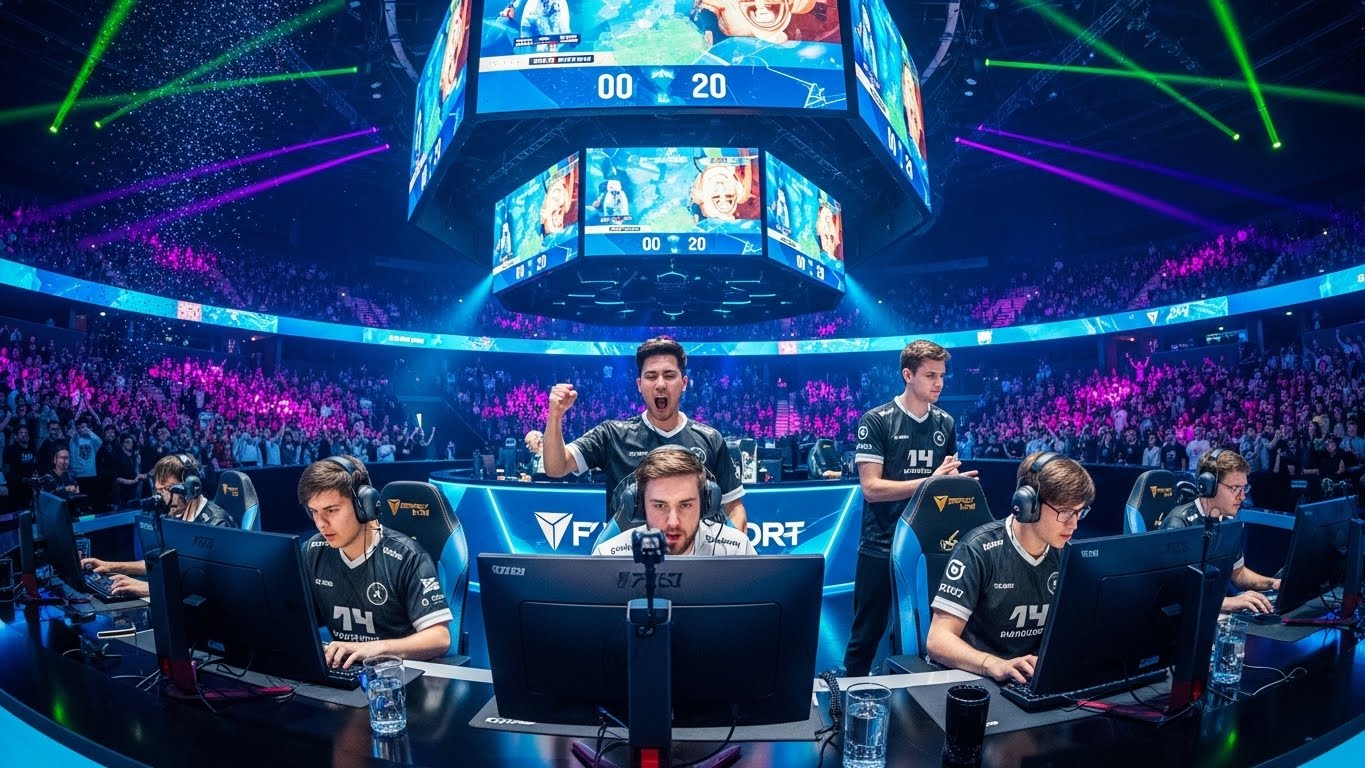
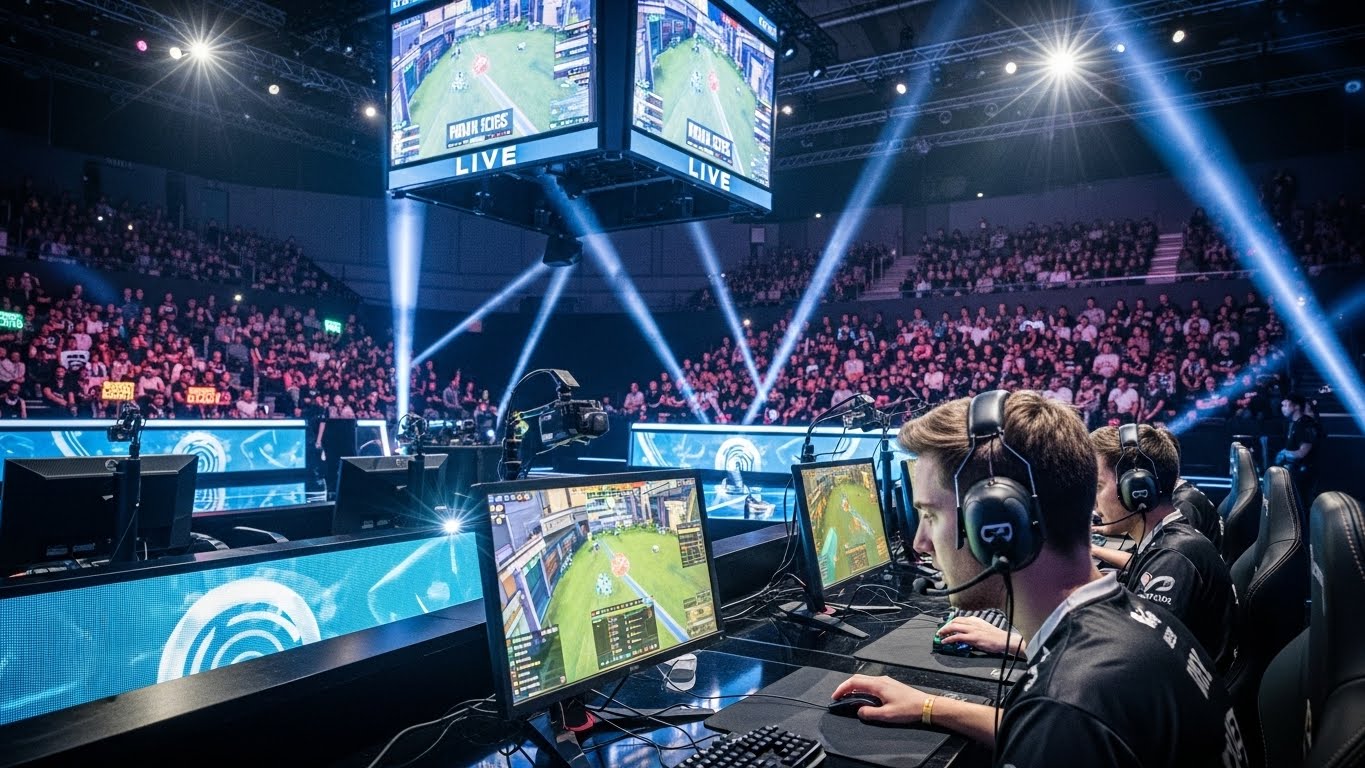
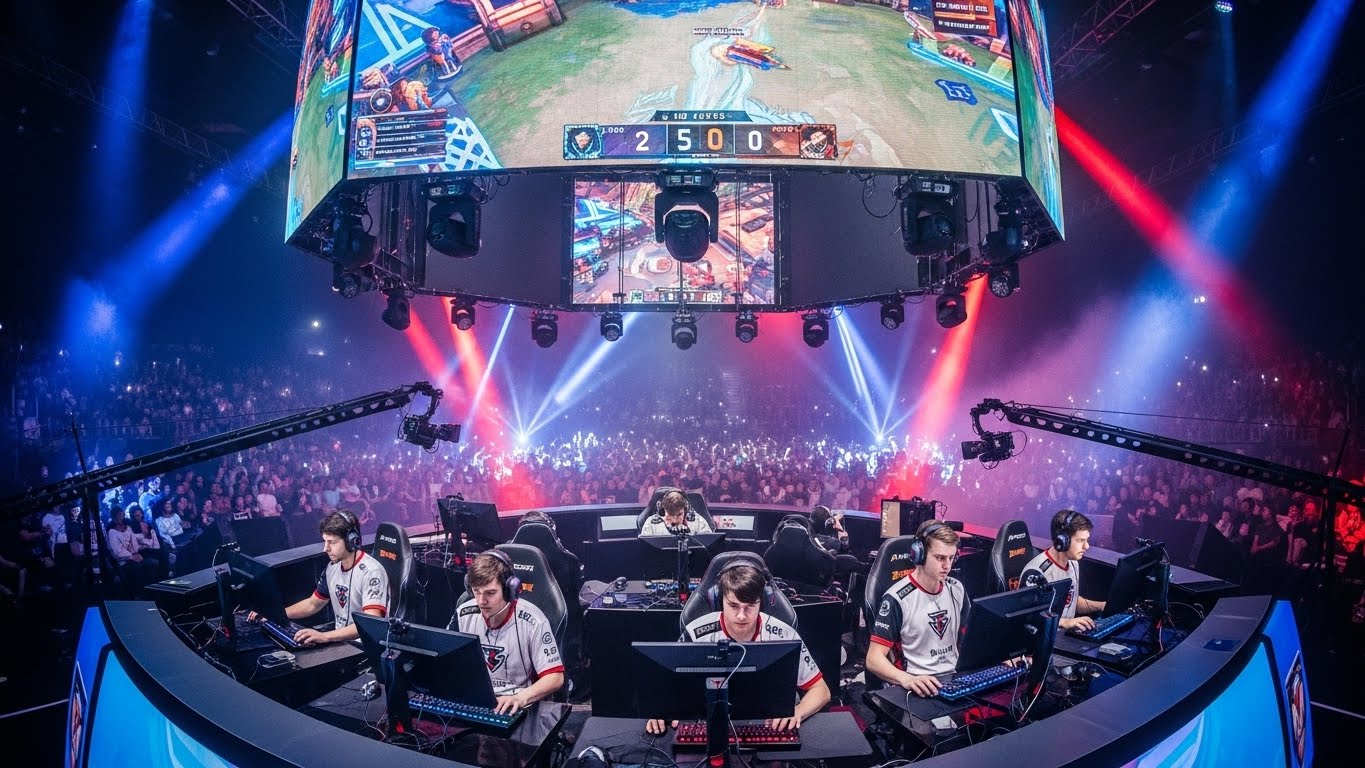
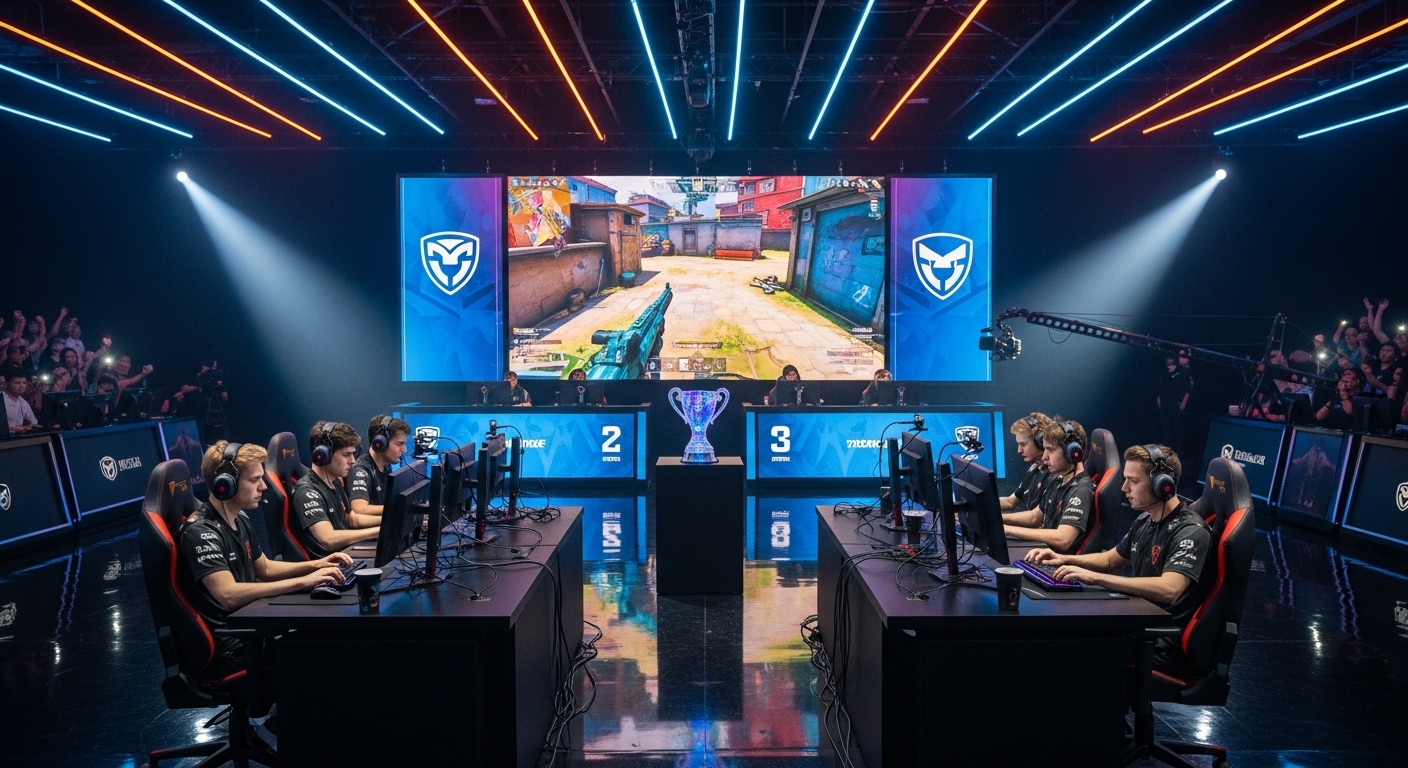
Esports tournaments have become the epicenter of competitive gaming, offering players the opportunity to showcase their skills on a global stage. These tournaments attract massive audiences both online and in person, and they are often broadcast on television and streaming platforms.
One of the most famous esports tournaments is The International (TI), an annual Dota 2 competition that offers some of the largest prize pools in the industry. In 2018, The International had a prize pool of over $25 million, making it one of the richest tournaments in any sport. Other major events include the League of Legends World Championship, Overwatch League, Counter-Strike: Global Offensive Major Championships, and Call of Duty League.
Esports leagues, like Overwatch League and League of Legends Championship Series (LCS), operate similarly to traditional sports leagues, with teams competing in regular-season matches leading up to playoffs and championships. These leagues have become crucial to the structure of esports, providing a consistent and organized framework for players, teams, and fans alike.
These events are not only about the competition; they are also massive entertainment spectacles. The production value of esports tournaments rivals that of traditional sports broadcasts, with professional commentators, analysts, and hosts providing in-depth coverage and insights. The atmosphere of these events, whether in a stadium or a live-streamed broadcast, is electric, as fans cheer for their favorite teams and players.
Esports Sponsorship and the Business Side of the Industry
As esports has grown, so too has the business side of the industry. Major brands and companies across various sectors—technology, entertainment, and even traditional sports—have taken notice of the enormous potential of esports. Sponsorships, advertising, and media rights have become key revenue streams for esports organizations, teams, and event organizers.
Companies like Intel, Coca-Cola, Red Bull, and Mercedes-Benz have become major sponsors of esports events, providing financial backing and creating marketing opportunities that reach a young, engaged audience. These sponsorships often involve product placements, branded content, and promotional campaigns designed to connect with esports fans on a deeper level.
Media rights have also become a significant revenue source for the esports industry. As viewership of esports events grows, broadcasters and streaming platforms have started to bid for the rights to air major tournaments. For example, The International has been broadcast on platforms like ESPN, while League of Legends has attracted broadcast deals with networks such as ESPN2 and ABC. The growing interest in esports has made it an attractive investment for companies looking to tap into a highly engaged, digitally native audience.
Esports and the Global Community
One of the defining features of esports is its global nature. Unlike traditional sports, which are often limited by geographical boundaries, esports allows players and fans from all over the world to connect and compete. Tournaments like The International and the League of Legends World Championship draw participants and viewers from diverse countries, creating a global community of esports enthusiasts.
The accessibility of online gaming means that anyone with an internet connection can participate in esports, regardless of where they live. This has helped foster a sense of inclusivity and community among players and fans, who come together to share their love of gaming, celebrate victories, and discuss strategies.
Esports also provides a platform for underrepresented groups to showcase their skills and gain recognition. Female gamers, for example, are increasingly gaining prominence in esports, with organizations like The Women’s Esports League and Women’s Invitational providing opportunities for women to compete at the highest level. As the industry continues to evolve, there is growing support for diversity and inclusion in esports.
The Future of Esports: Expanding Horizons
The future of esports looks incredibly bright, with continued growth in both the competitive and business aspects of the industry. As technology continues to advance, esports tournaments are likely to become even more immersive, with virtual reality (VR) and augmented reality (AR) playing a larger role in how fans experience events.
The expansion of esports into new regions, such as Latin America, Southeast Asia, and the Middle East, will further globalize the industry, attracting new players, fans, and sponsors. The continued development of esports infrastructure, including dedicated arenas and training facilities, will also support the growth of professional gaming.
Furthermore, esports will likely continue to merge with traditional sports, with more crossover events and collaborations between the two industries. The potential for esports to be included in future Olympic Games or other major sporting events remains a topic of discussion, further legitimizing esports as a mainstream form of competition.
Conclusion: Esports’ Legacy as a Cultural Force
Esports has come a long way from its humble beginnings as a niche pastime. Today, it stands as a global cultural force, with professional players, massive fanbases, and significant economic impact. The competitive nature of esports, combined with its ability to bring people together from all corners of the globe, has made it an integral part of the entertainment landscape.
As esports continues to evolve, it will undoubtedly shape the future of both gaming and entertainment. With its growing popularity, dedicated communities, and potential for future innovation, esports is no longer just a hobby—it’s a cultural phenomenon, and its influence will only continue to grow in the years to come.