Introduction
Esports, short for electronic sports, has evolved from niche hobbyist gatherings into a global phenomenon. Competitive gaming now attracts millions of players and spectators worldwide, rivaling traditional sports in viewership, sponsorship, and cultural impact. What began as casual competitions among friends has transformed into highly organized leagues, multi-million-dollar tournaments, and careers for professional gamers. This blog explores the world of esports, examining its history, growth, cultural influence, and the unique opportunities it offers in the digital age.
The Origins of Esports
The roots of esports can be traced back to the early days of arcade and console gaming. In the 1970s and 1980s, high-score competitions and local tournaments attracted passionate gamers. Titles like Space Invaders, Pac-Man, and early fighting games provided players with a platform to compete and showcase skill.
By the 1990s, online multiplayer games such as Quake and StarCraft introduced a competitive dimension to gaming. Players could connect over networks, forming rivalries and communities that extended beyond physical locations. These early competitions laid the groundwork for the professional esports scene that exists today.
The Growth of Esports as an Industry
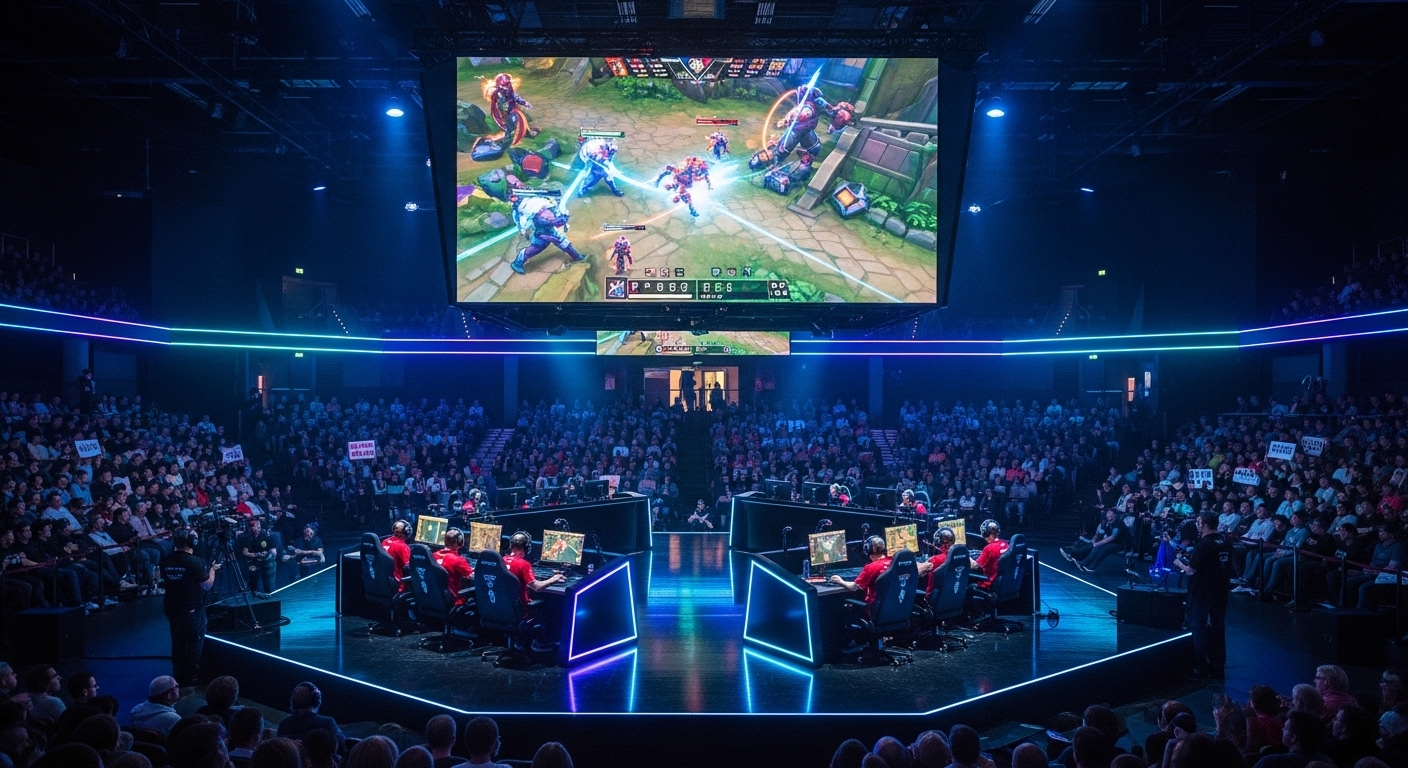
Over the past two decades, esports has grown into a multi-billion-dollar industry. Professional leagues, sponsorships, and streaming platforms have created sustainable careers for players, coaches, analysts, and content creators. Tournaments now feature live audiences, global broadcasting, and significant prize pools, making competitive gaming a legitimate form of professional entertainment.
Major esports titles like League of Legends, Dota 2, Counter-Strike, and Fortnite have become household names. Their popularity demonstrates not only the demand for high-level competition but also the potential for gaming to rival traditional sports in reach and influence.
The Structure of Competitive Gaming
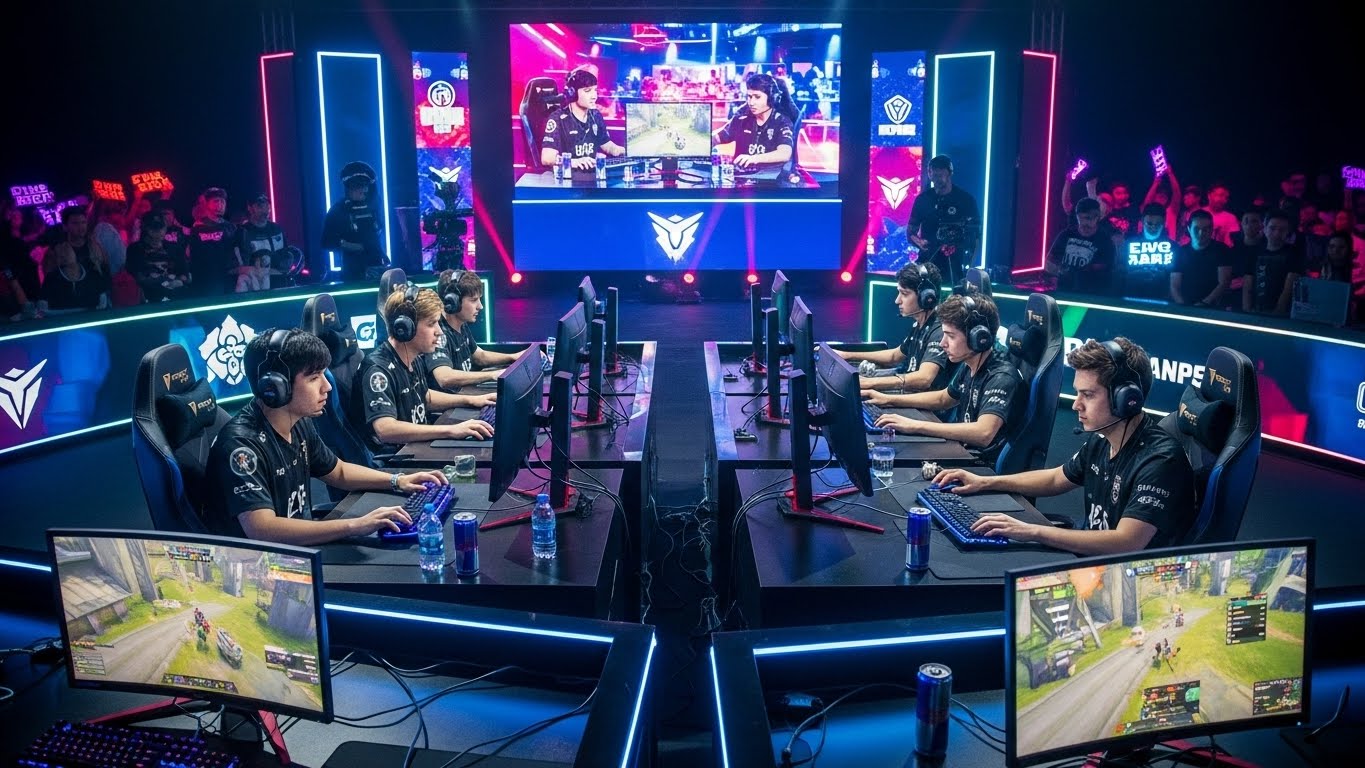
Esports competitions are highly organized, with structured leagues, seasons, and playoff systems. Teams and individual players train rigorously, often dedicating hours daily to practice, strategy, and teamwork. Coaches, analysts, and managers play crucial roles in preparing athletes for competition, similar to traditional sports organizations.
Competitive formats vary depending on the game. Some esports focus on team-based strategies, while others highlight individual skill. Despite these differences, all competitive gaming requires precision, coordination, and mental agility, demonstrating that esports is as much a test of intellect as it is of reflexes.
The Role of Streaming and Online Platforms
Streaming platforms have been pivotal in the growth of esports. Platforms like Twitch, YouTube Gaming, and others allow players to broadcast live gameplay to global audiences. Fans can watch competitions in real-time, interact with streamers, and engage in communities built around shared gaming interests.
Streaming has also created new career paths. Professional players can supplement tournament earnings through sponsorships, advertisements, and viewer subscriptions. Content creators who specialize in esports analysis, tutorials, or entertainment further expand the ecosystem, making competitive gaming a multi-faceted industry.
Esports and Global Communities
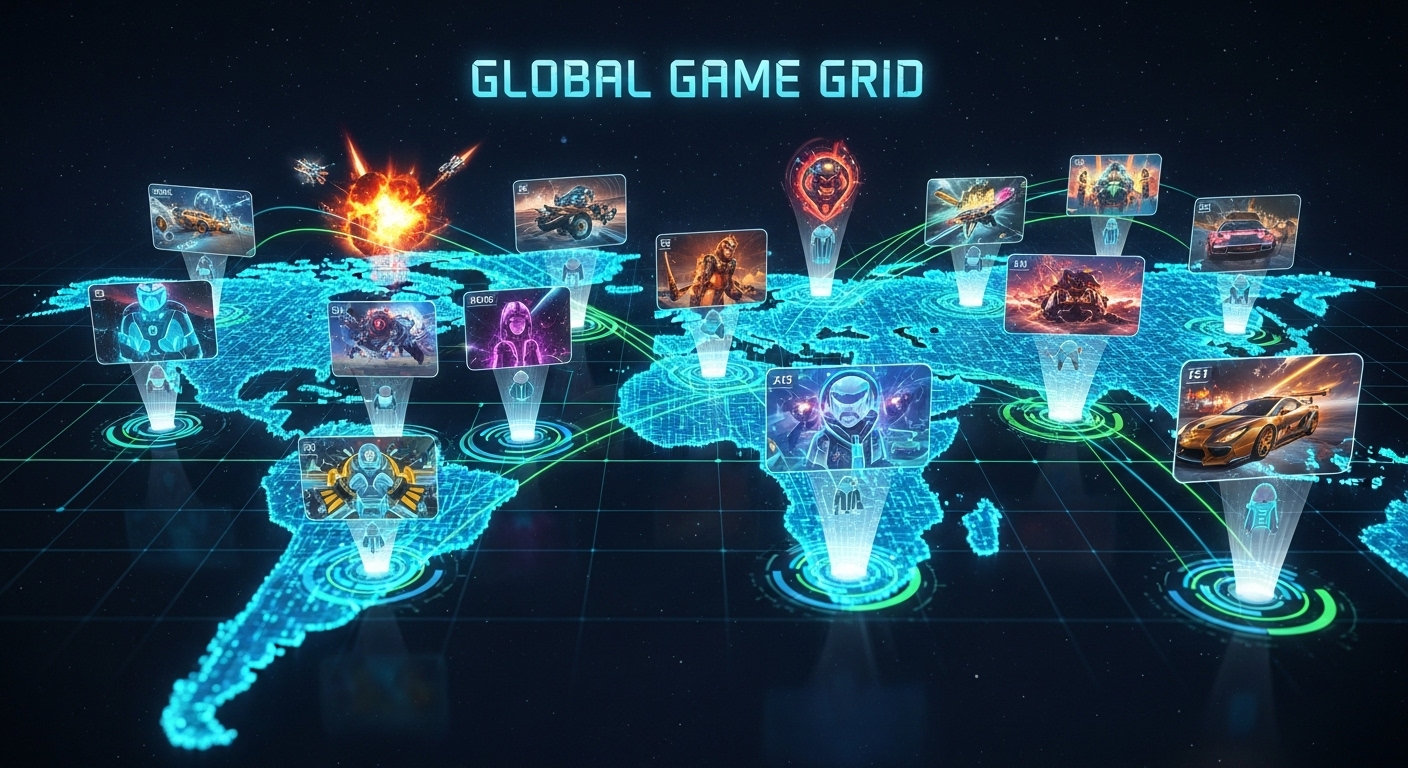
Esports has fostered global communities that transcend geographical and cultural boundaries. Players from different countries compete against each other in international tournaments, while fans form online networks to share experiences, strategies, and support for their favorite teams.
These communities create a sense of belonging and identity, similar to traditional sports fandoms. The global nature of esports allows for cultural exchange, collaboration, and appreciation of diverse gaming styles, further enhancing the industry’s international appeal.
The Mental and Physical Demands of Esports
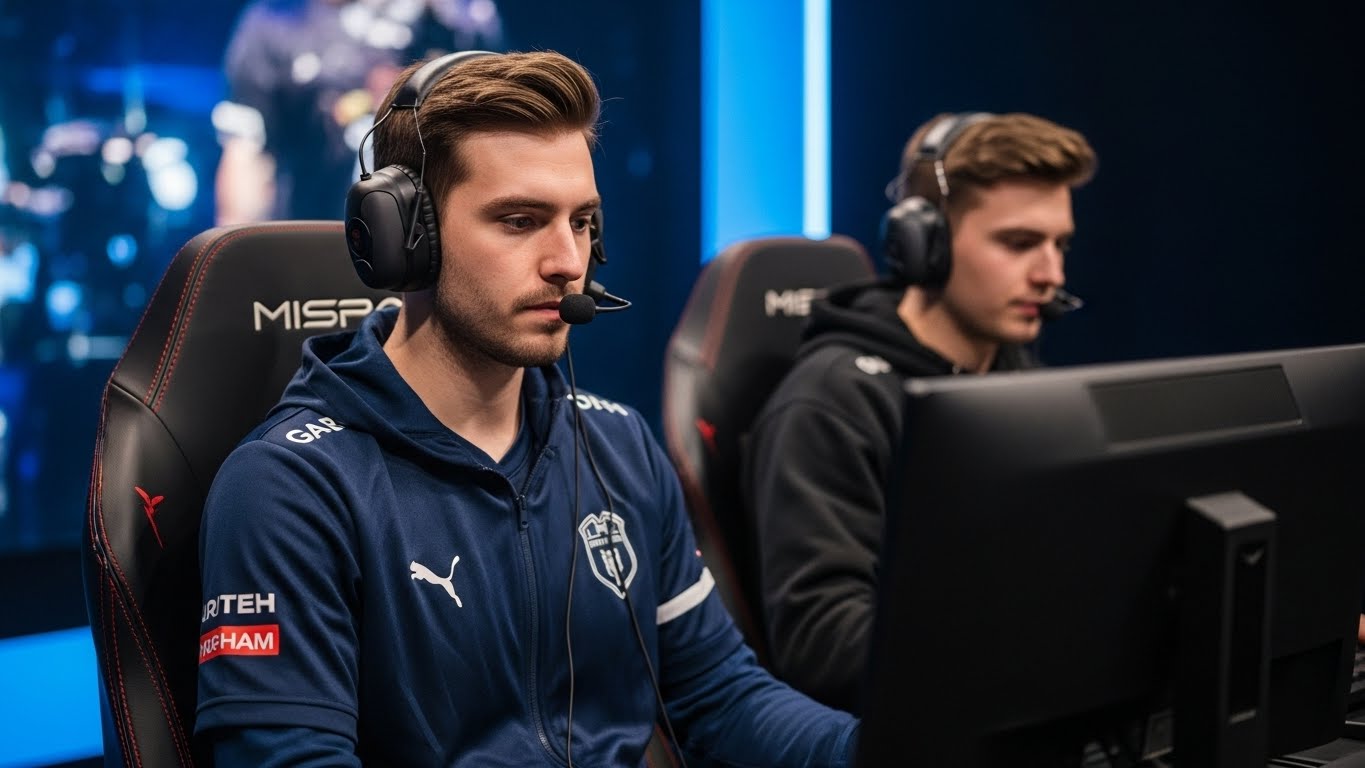
While esports may not involve traditional physical exertion, it requires significant mental focus, reflexes, and endurance. Players must make split-second decisions, anticipate opponents’ moves, and execute precise actions under pressure. This demands high levels of concentration, strategic thinking, and stress management.
Professional players also prioritize physical health to maintain peak performance. Hand-eye coordination, reaction time, and stamina can be affected by fatigue and poor physical condition. Many teams incorporate fitness routines, proper nutrition, and mental coaching into their training regimen, highlighting the holistic demands of esports.
Women in Esports
Historically, esports has been male-dominated, but female participation is growing steadily. Women compete professionally, stream content, and contribute to the esports community in meaningful ways. Initiatives promoting inclusivity and gender equality have helped break barriers, creating opportunities for women to excel in competitive gaming.
Prominent female players serve as role models, inspiring younger generations and encouraging diversity within the industry. Their presence strengthens the esports community, highlighting the importance of representation and equal opportunity in competitive gaming.
The Economic Impact of Esports
Esports contributes significantly to the global economy. Major tournaments generate revenue from ticket sales, sponsorships, merchandise, broadcasting rights, and digital advertising. The industry also creates employment opportunities in coaching, event management, media production, marketing, and software development.
Sponsorship deals from major brands indicate the commercial potential of esports. Companies recognize the engagement, loyalty, and spending power of esports audiences, making it an attractive market for investment. The economic growth of esports reflects its transition from a niche hobby to a mainstream entertainment industry.
Esports and Cultural Influence
Esports has permeated popular culture, influencing music, fashion, and media. Iconic players become celebrities, and gaming moments are shared widely on social media, inspiring memes, videos, and fan art. Competitive gaming shapes cultural trends, language, and lifestyle, particularly among younger generations.
Esports also plays a role in education and career development. Universities and colleges now offer scholarships for esports athletes, recognizing competitive gaming as a legitimate pathway for personal growth, teamwork, and leadership. This institutional support demonstrates how deeply esports is embedded in modern culture.
The Future of Esports
The future of esports is filled with promise. Technological advancements such as virtual reality, augmented reality, and artificial intelligence will continue to transform gameplay, training, and spectator experiences. Personalized, interactive viewing experiences will allow fans to engage with competitions in ways never before possible.
Global expansion is likely to continue, with esports becoming more inclusive and accessible. Emerging markets and underrepresented communities will contribute to the industry’s diversity, creativity, and innovation. As esports grows, it will continue to redefine entertainment, competition, and digital culture.
Conclusion
Esports is more than competitive gaming; it is a cultural, social, and economic phenomenon. It provides opportunities for skill development, community building, and professional growth while entertaining millions of fans worldwide. From its humble origins in arcades to its current status as a global industry, esports demonstrates the transformative power of technology and human creativity.
As esports continues to evolve, it will shape the future of entertainment, redefine the concept of competition, and inspire new generations of players and fans. The rise of esports proves that gaming is not just a pastime—it is a legitimate, dynamic, and influential force in the modern digital era.