Introduction: The Digital Revolution of Competitive Gaming
In the last two decades, competitive gaming has undergone a dramatic transformation, evolving from a niche hobby to a global entertainment juggernaut. What was once considered a pastime for gamers in dark basements or arcades has become a multi-billion-dollar industry, with millions of fans worldwide and professional athletes who train as hard as any in traditional sports. Esports, as it is now known, has quickly become a mainstream cultural force. From streamed tournaments to packed stadiums, esports is not only redefining the world of entertainment but also opening up new career opportunities for players, streamers, and content creators.
This blog delves into the meteoric rise of esports, examining how it evolved from casual gaming to a professional sport, the impact it’s had on global culture, and what the future holds for this rapidly growing industry.
The Birth of Esports: A New Era of Competitive Gaming
Esports as we know it today didn’t happen overnight. Its roots go back to the early 1990s when competitive gaming was still in its infancy. One of the first major tournaments, the “Red Annihilation” tournament for Quake in 1997, offered a glimpse into the future of competitive gaming by attracting hundreds of players and a wide audience. However, it wasn’t until the 2000s, with the rise of online multiplayer games like StarCraft, Warcraft III, and Counter-Strike, that esports began to gain traction as a competitive and spectator sport.
The early 2000s also saw the rise of dedicated esports leagues and events, such as the World Cyber Games and Electronic Sports World Cup, which helped solidify esports as a legitimate competitive discipline. At the same time, professional gamers began to emerge, with some players making a name for themselves through online tournaments. However, it wasn’t until the advent of platforms like Twitch in 2011, where viewers could watch live streams of esports tournaments, that the esports ecosystem truly began to flourish. This created a direct connection between players and fans, building a massive following for esports events.
The Growth of Esports: Turning Passion Into Profession
As technology advanced and gaming platforms became more sophisticated, esports rapidly evolved. High-speed internet, better graphics, and advanced game engines allowed for more immersive and dynamic competitive experiences. Games like League of Legends, Dota 2, Overwatch, and Fortnite gained enormous popularity, each fostering their own communities and esports ecosystems.
One of the major catalysts for the growth of esports was the increasing amount of money being invested into the scene. Sponsorship deals, prize pools, and media partnerships grew exponentially, attracting big-name brands and major corporations. The Dota 2 International Championship, for example, offered a prize pool that exceeded $30 million in 2020, illustrating the financial potential of esports. This surge in investment led to the creation of professional leagues, such as the League of Legends Championship Series (LCS) and the Overwatch League, which further formalized esports as a legitimate professional sport.
In parallel, the rise of esports media platforms also played a crucial role. Twitch, YouTube Gaming, and other streaming services enabled millions of viewers to watch live gameplay and tournaments, further increasing the popularity of esports. As these platforms grew, so too did the opportunity for players to monetize their skills through sponsorships, donations, and advertisements. Gamers who once played for fun could now build careers, becoming influencers, content creators, and, most importantly, professional athletes in the world of competitive gaming.
The Global Appeal of Esports: A Universal Language
One of the most remarkable aspects of esports is its global reach. Unlike traditional sports, which often have a strong geographic or cultural focus, esports transcends borders. Competitive gamers from all around the world can compete against each other in online tournaments, with no need to travel to a physical location. This global accessibility is one of the primary reasons why esports has grown so rapidly in recent years.
Esports also bridges the gap between different age groups. While younger generations are the primary consumers and participants in esports, it has increasingly attracted older viewers as well. The global appeal is further reinforced by the fact that esports encompasses a wide range of genres, from real-time strategy games like StarCraft to first-person shooters like Counter-Strike, to battle royale games like Fortnite. This diverse offering means that there is something for everyone, regardless of gaming preference or skill level.
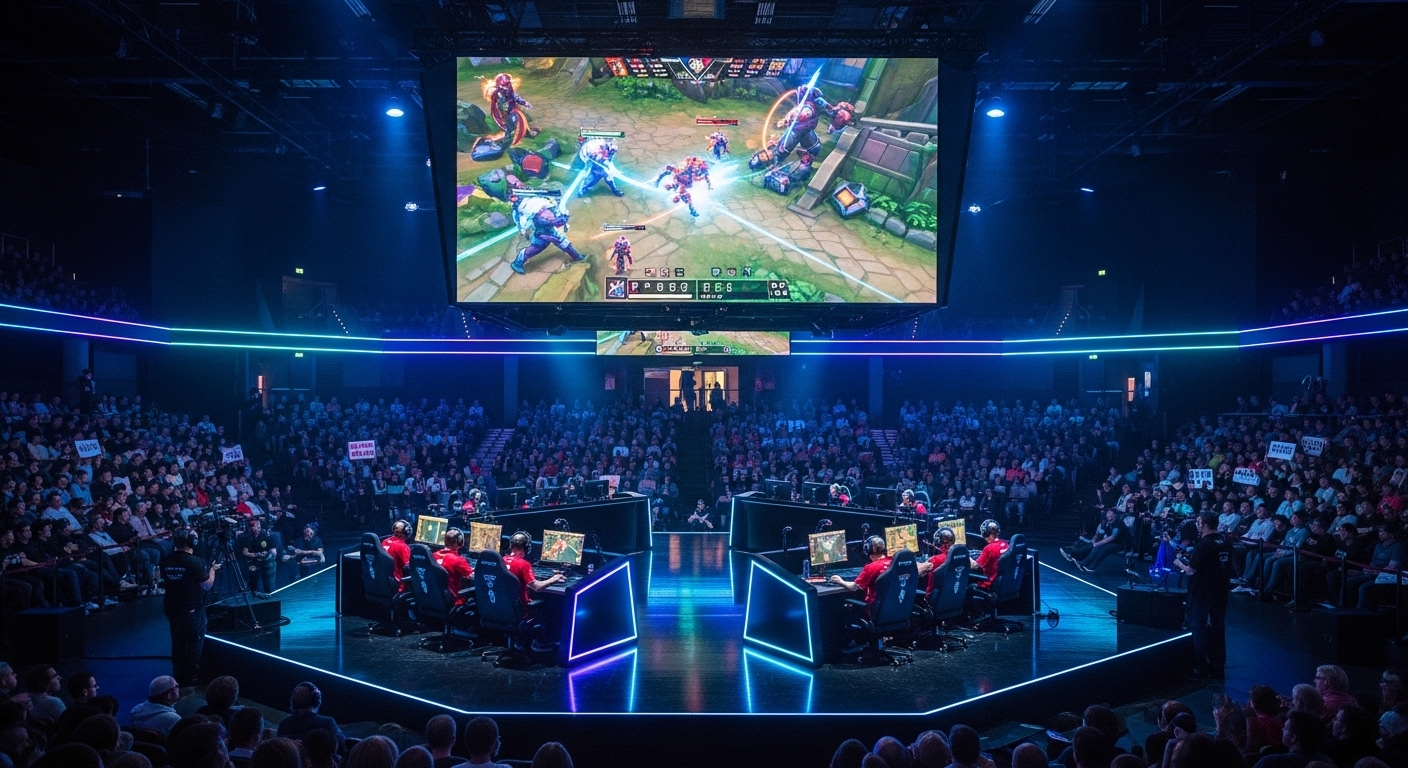
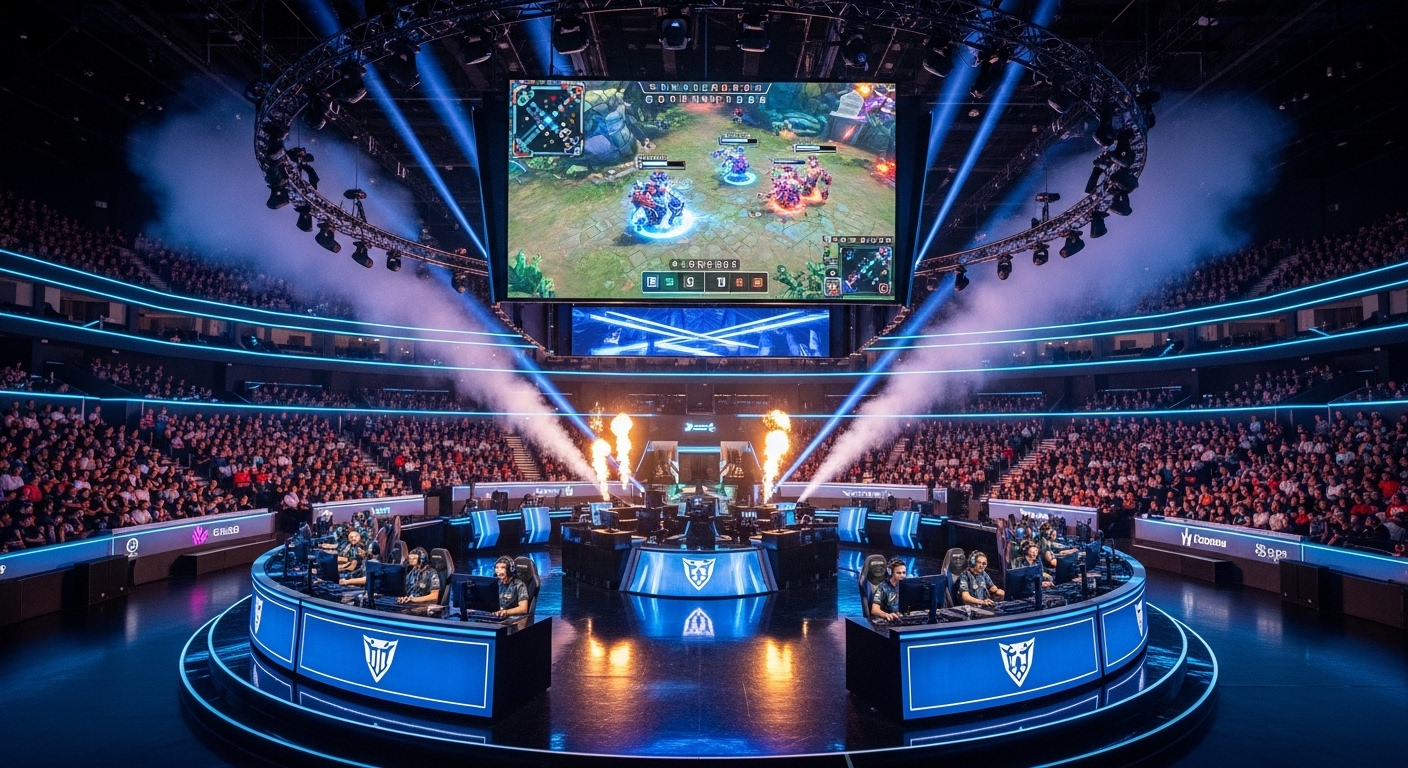
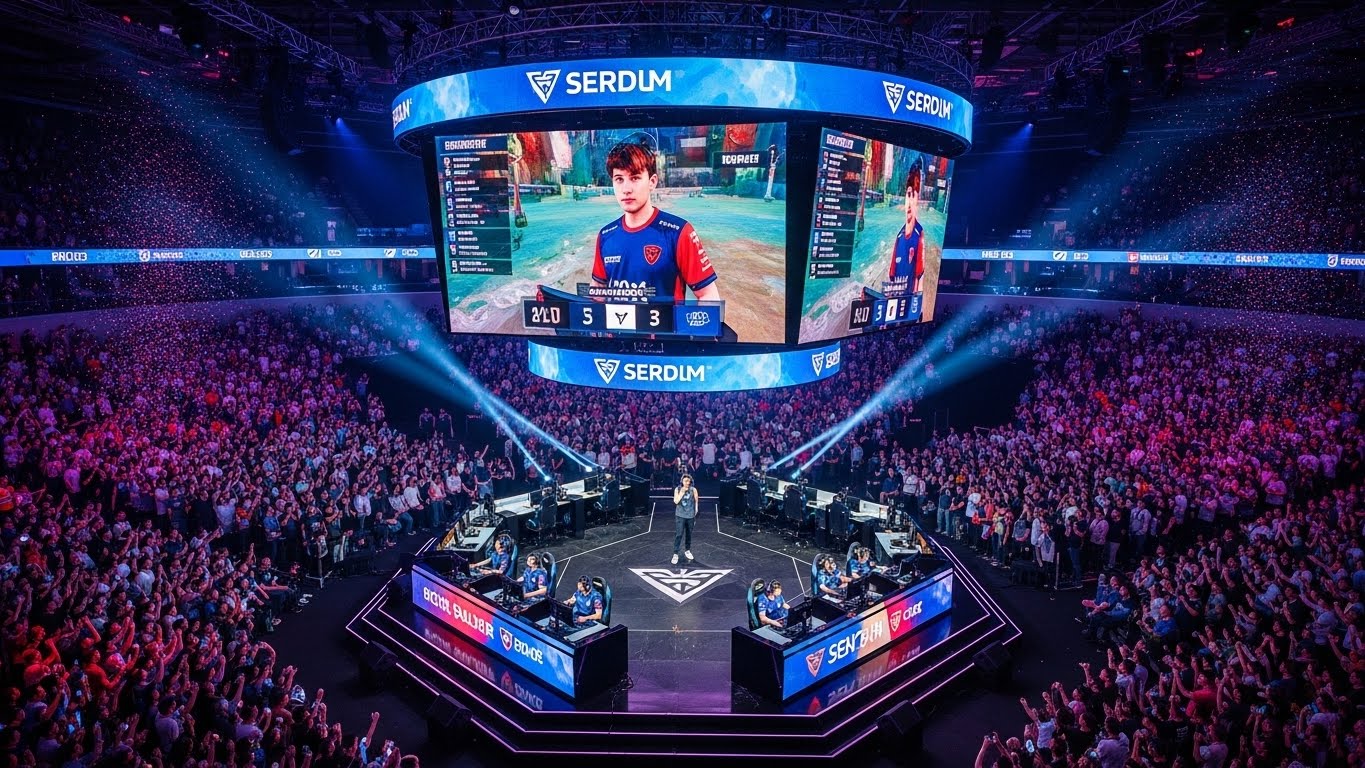
Moreover, major esports events like the League of Legends World Championship, the International Dota 2 Championship, and CS:GO tournaments are broadcast to millions of viewers worldwide. These tournaments often take place in large, sold-out arenas, attracting a level of attention comparable to traditional sports events. Fans from different countries come together to cheer on their favorite teams, creating a sense of global camaraderie that transcends cultural and language differences.
Esports and the Rise of the Professional Gamer
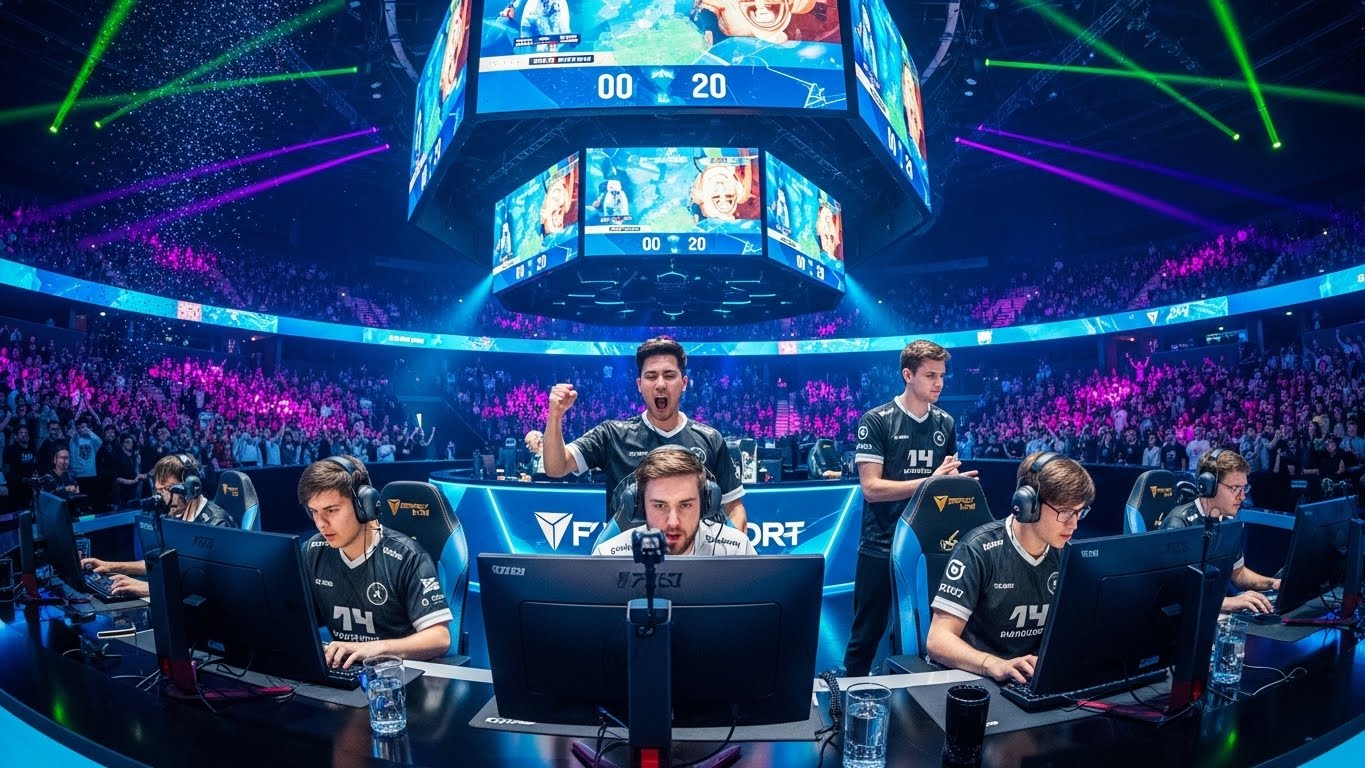
With the growth of esports came the rise of the professional gamer. These athletes, often in their teens or early twenties, dedicate their lives to mastering a particular game and competing at the highest level. Just like traditional sports, professional gamers must train rigorously, often for up to 10 hours a day, practicing strategies, improving their reflexes, and refining their teamwork.
In addition to the sheer amount of time spent practicing, professional gamers must also stay in peak mental and physical condition. Competitive gaming demands incredible focus, quick decision-making, and the ability to maintain composure under pressure. Many esports organizations employ coaches, analysts, and psychologists to help players enhance their performance both inside and outside of the game.
Esports organizations and teams now operate much like traditional sports franchises. Teams compete in leagues, and their players receive salaries, bonuses, and sponsorships. Top-tier teams in games like League of Legends, Valorant, and Dota 2 have loyal fanbases and generate millions of dollars in revenue each year. Some players even build personal brands, streaming their gameplay and creating content that allows them to earn money through various platforms.
The Impact of Esports on Youth Culture
One of the most significant impacts of esports has been on youth culture. As gaming has become more mainstream, it has also shifted the way young people view competition, teamwork, and entertainment. Video games, once considered a solitary activity, are now a social experience. Gamers can team up with friends online, engage in collaborative gameplay, and join global tournaments, all from the comfort of their own homes.
For many young people, esports offers a viable career path that didn’t exist a generation ago. Instead of dreaming of becoming a professional athlete in traditional sports, many youths now aspire to be professional gamers or streamers. Esports also encourages important life skills like teamwork, problem-solving, and communication. These skills are critical not only in gaming but also in many professional and personal situations.
Furthermore, esports has opened doors to a diverse range of roles within the industry. Beyond players, there are opportunities for individuals to work as coaches, analysts, broadcasters, event organizers, and content creators. The growing demand for content related to esports—such as highlights, tutorials, and live commentary—has led to the rise of a new generation of esports influencers who can turn their passion for gaming into a full-time career.
The Future of Esports: Challenges and Opportunities
As esports continues to grow, the future looks incredibly promising. However, the industry faces its own set of challenges. One of the primary concerns is the sustainability of esports careers. While top-tier players can earn substantial amounts through tournament winnings and sponsorships, the majority of professional gamers do not achieve the same level of financial success. Additionally, the short shelf-life of a professional gamer’s career, often peaking in their mid-20s, raises questions about long-term stability.
Another challenge is the growing competition for viewers. As the market for esports continues to expand, so too does the number of games, platforms, and tournaments. Standing out in this crowded space will be a significant challenge for both developers and esports organizations.
Despite these challenges, the future of esports remains bright. Increasing mainstream acceptance, larger investment from traditional media and brands, and the continued integration of esports into educational institutions will drive further growth. Universities are offering esports scholarships, and high schools are introducing esports programs, providing young players with the opportunity to pursue their passion while receiving an education.
Conclusion: Esports as the Future of Entertainment
Esports is no longer a subculture—it is a global phenomenon that has transformed the landscape of competitive gaming and entertainment. With its rapid growth, esports has created new career opportunities, changed the way we consume entertainment, and fostered a sense of global unity among fans. As the industry continues to evolve, there’s no doubt that esports will play a pivotal role in shaping the future of gaming, entertainment, and culture. Whether you’re a casual fan, an aspiring professional, or someone who just enjoys the thrill of the game, esports offers something for everyone—and its impact will be felt for generations to come.