Introduction: The Rise of a New Arena
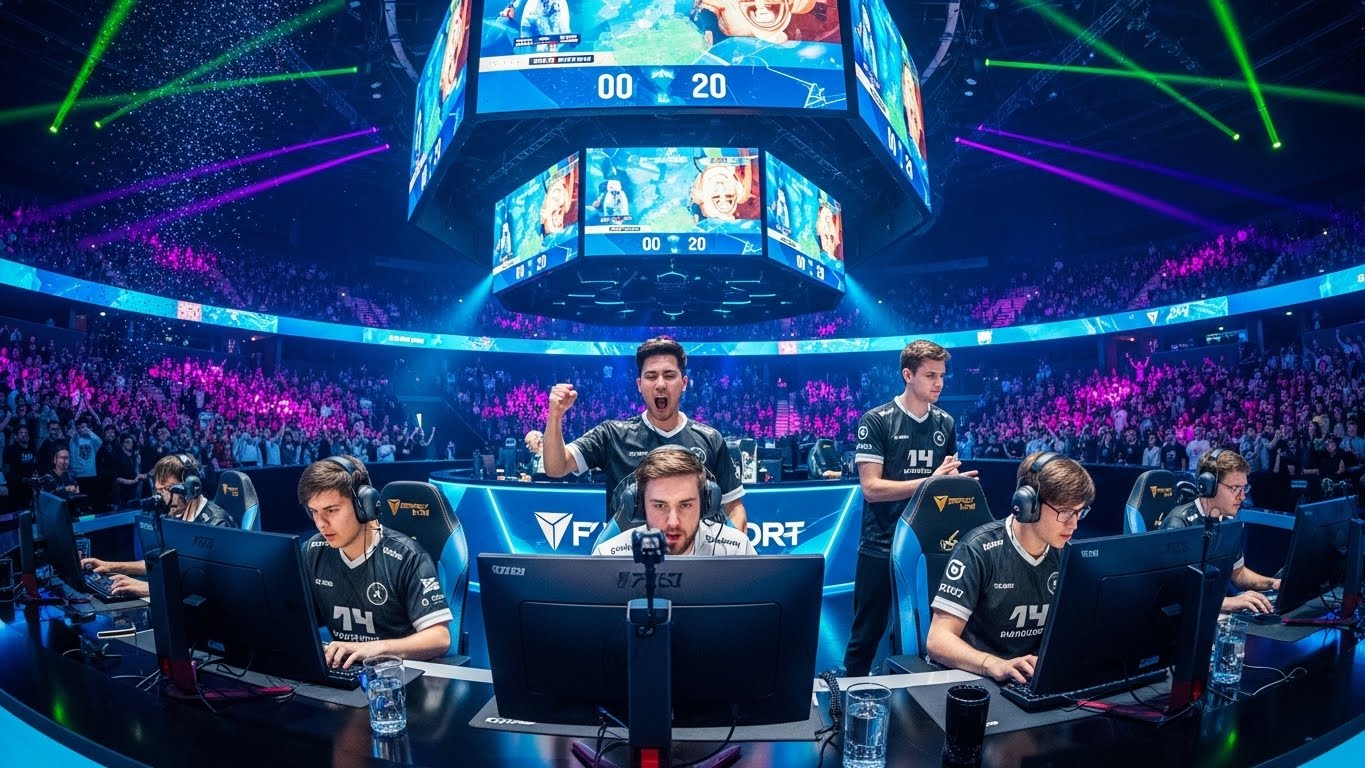
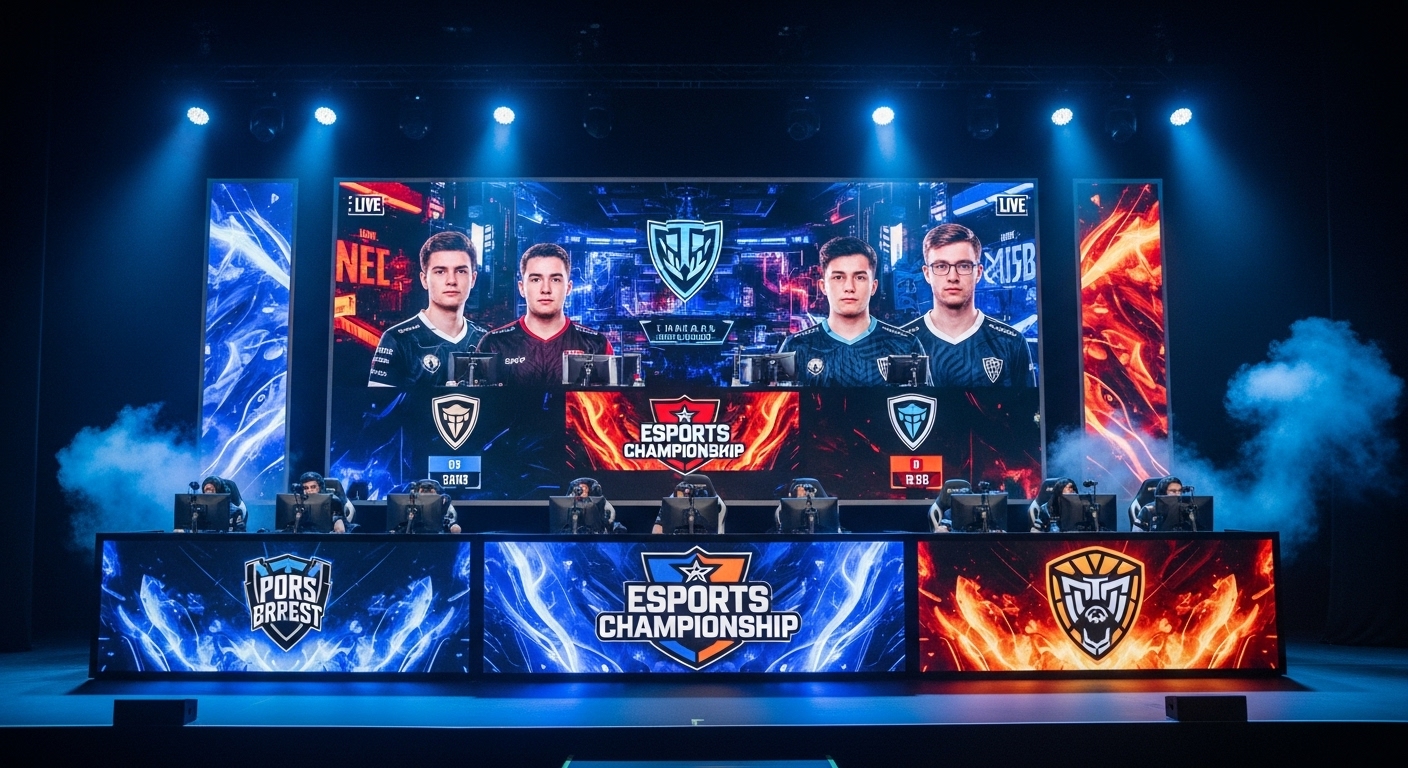
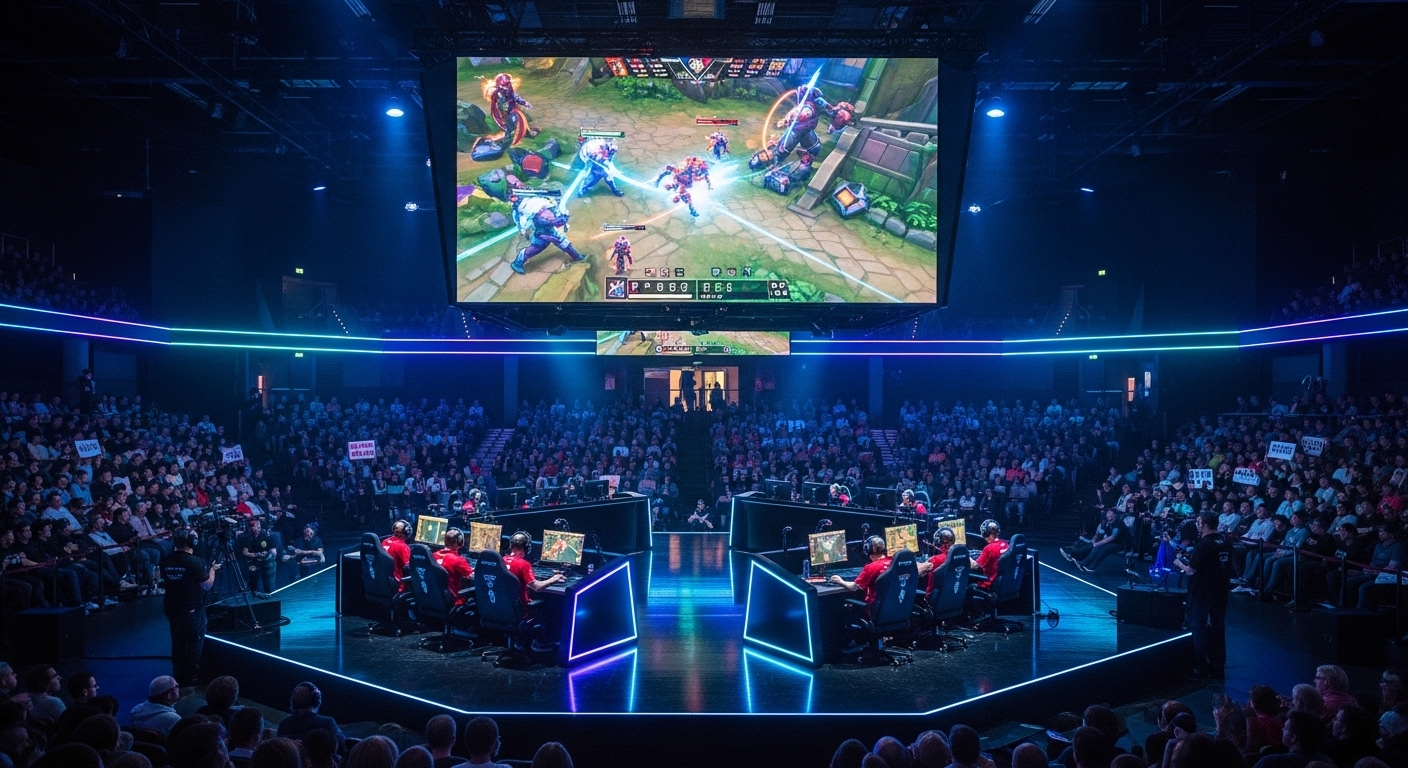
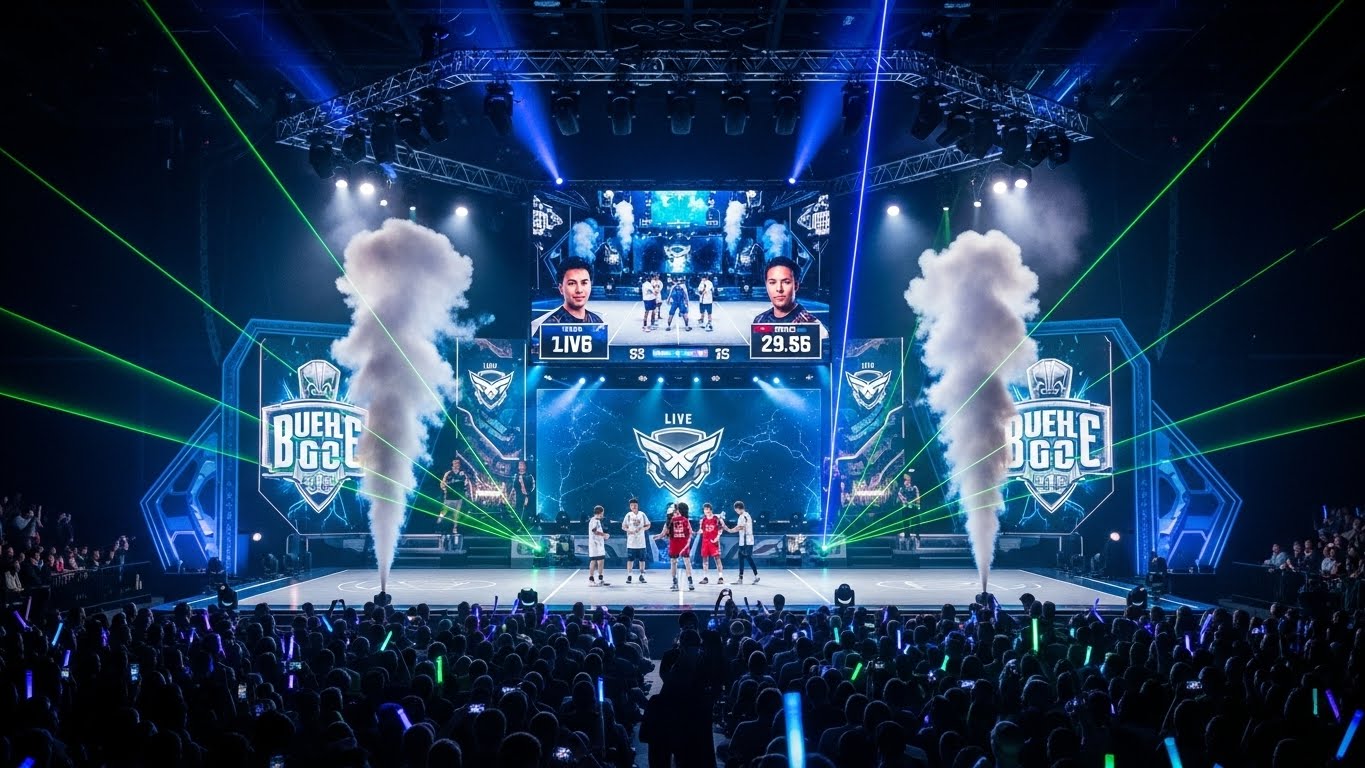
Not long ago, competitive gaming was seen as a hobby confined to bedrooms and internet cafés. Today, esports has transformed into a global phenomenon that rivals traditional sports in viewership, revenue, and cultural impact. Stadiums filled with cheering fans, professional athletes with rigorous training schedules, and millions of online spectators have become normal sights in the esports ecosystem. This blog explores how esports evolved, why it matters, and where it is headed in the future, highlighting its role as one of the most influential movements in modern digital culture.
Understanding Esports: More Than Just Gaming
Esports, short for electronic sports, refers to organized, competitive video gaming where individuals or teams compete at a professional level. Unlike casual gaming, esports demands strategic thinking, mechanical precision, teamwork, and mental resilience. Players specialize in specific games, mastering complex mechanics and strategies over thousands of hours. These competitions are structured with leagues, tournaments, coaches, analysts, and even sports psychologists, making esports a serious competitive discipline rather than mere entertainment.
The Evolution of Esports Through the Years
The roots of esports can be traced back to early arcade competitions and local multiplayer events. As technology advanced and internet connectivity improved, competitive gaming moved online, allowing players from different regions to compete. The emergence of streaming platforms played a crucial role, enabling fans to watch live matches and interact with players in real time. Over time, grassroots tournaments evolved into professional leagues with international reach, setting the foundation for the billion-dollar industry esports is today.
Popular Esports Genres and Games
Esports is not defined by a single type of game. Instead, it encompasses multiple genres, each attracting different audiences. Multiplayer online battle arena games emphasize teamwork and strategic map control. First-person shooters focus on reflexes, aim, and tactical positioning. Real-time strategy games demand long-term planning and quick decision-making. Sports simulation games mirror real-world athletics, while fighting games highlight one-on-one skill and mind games. This diversity allows esports to appeal to a wide range of players and fans.
The Life of a Professional Esports Player
Becoming a professional esports player requires dedication comparable to traditional sports careers. Players often start young, honing their skills through ranked matches and amateur tournaments. Once signed by a team, their daily routine may include long practice sessions, strategy meetings, physical fitness activities, and mental training. Contrary to stereotypes, top players focus on maintaining healthy lifestyles to sustain peak performance. The pressure to perform, adapt to game updates, and remain competitive makes esports a demanding profession.
Esports Teams, Organizations, and Infrastructure
Behind every successful player is a well-structured organization. Esports teams operate similarly to sports clubs, with management staff, coaches, analysts, and support personnel. Organizations invest in training facilities, housing, and brand development. Sponsorships and partnerships play a vital role in sustaining teams financially. This professional infrastructure has helped legitimize esports and attract investors from outside the gaming world.
The Role of Streaming and Community Engagement
One of the defining features of esports is its close connection to fans. Live streaming allows audiences to watch matches, follow players’ daily lives, and engage through chat and social interaction. This direct connection has created strong communities around teams and individual players. Fans feel personally invested, contributing to esports’ rapid growth and cultural relevance. Unlike traditional sports, the barrier between athletes and audiences is significantly lower, fostering a unique sense of belonging.
Economic Impact and Career Opportunities
Esports has created a wide range of career paths beyond professional play. Opportunities exist in coaching, commentary, event management, marketing, content creation, and game development. Universities now offer esports programs and scholarships, recognizing its educational and economic potential. The industry generates revenue through advertising, merchandise, ticket sales, and media rights, contributing significantly to the global digital economy.
Esports as a Cultural Movement
Beyond competition, esports represents a cultural shift in how society views gaming and digital interaction. It has challenged outdated stereotypes about gamers and highlighted the value of cognitive skills, teamwork, and adaptability. Esports also promotes inclusivity by bringing together players and fans from diverse backgrounds. While challenges remain regarding representation and accessibility, the industry continues to evolve toward a more inclusive future.
Health, Wellness, and Ethical Challenges
Despite its success, esports faces important challenges. Long hours of screen time, repetitive strain injuries, and mental stress are real concerns for players. Organizations are increasingly addressing these issues through wellness programs and regulated schedules. Ethical considerations, such as fair play, performance-enhancing substances, and player exploitation, also require ongoing attention. Addressing these challenges responsibly is essential for the sustainable growth of esports.
The Future of Esports
The future of esports looks promising, with continued technological innovation shaping how games are played and experienced. Virtual reality, augmented reality, and artificial intelligence may redefine competitive formats. As esports gains wider acceptance, its integration into mainstream media, education, and even global sporting events is likely to increase. The line between traditional sports and esports will continue to blur, creating new hybrid experiences for fans.
Conclusion: A Digital Revolution in Competition
Esports is no longer a niche interest but a powerful force reshaping entertainment, competition, and culture. From humble beginnings to global recognition, it has proven that skill, dedication, and passion transcend physical arenas. As technology advances and communities grow, esports will continue to redefine what it means to compete in the modern world. The story of esports is not just about games; it is about how humanity adapts, connects, and competes in the digital age.