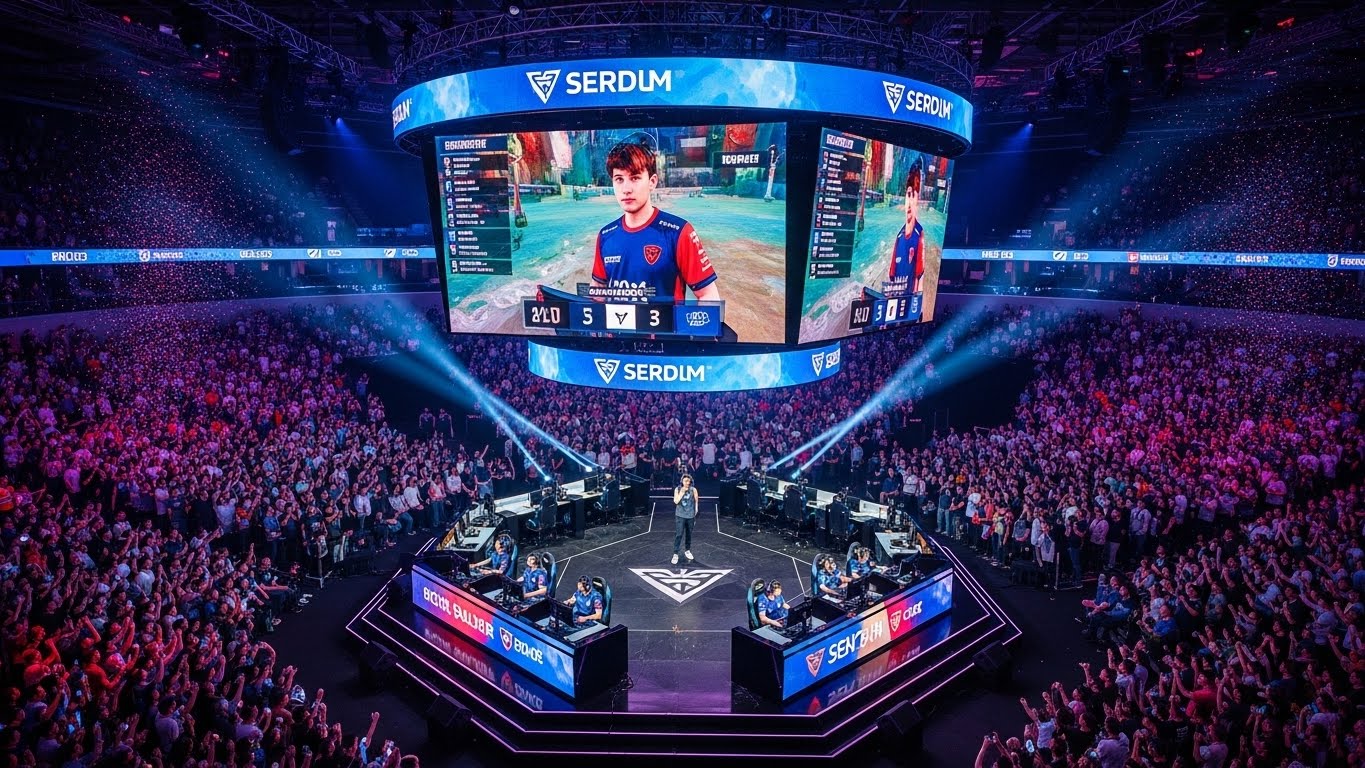

Esports has grown from a niche pastime into a billion-dollar global industry, with professional teams generating revenues rivaling traditional sports franchises. What was once considered casual gaming is now a serious business, complete with sponsorship deals, merchandise, media rights, and competitive prize pools. The professionalization of esports has attracted investors, advertisers, and media companies eager to capitalize on its massive audience and cultural influence.
Understanding the business behind esports provides insight into why teams are able to generate millions annually. Beyond just playing games, esports organizations operate like corporations, with structured management, marketing strategies, player contracts, and brand development. This blog explores how esports teams make money, the different revenue streams, and the business strategies that allow them to thrive in a competitive industry.
Competitive Prize Pools
At the core of esports’ financial ecosystem are competitive tournaments, which often come with substantial prize money. Major games like Dota 2, League of Legends, Counter-Strike: Global Offensive, and Fortnite offer multi-million-dollar prize pools for professional teams.
1. Tournament Earnings
Teams earn money directly from winning tournaments. In games like Dota 2, the International championship has a prize pool exceeding $40 million, which is distributed among top-performing teams. Even mid-tier tournaments offer significant financial incentives, motivating teams to invest in top talent.
2. Player Salaries
Professional players often receive salaries in addition to tournament winnings. Salaries vary depending on the game, team reputation, and the player’s skill level. Top-tier players can earn six to seven figures annually, making competitive gaming a lucrative career.
Tournament earnings and player salaries form the backbone of the esports economy, incentivizing both performance and investment in player development.
Sponsorship Deals
Sponsorship is one of the largest revenue streams for esports teams. Brands recognize the opportunity to reach a young, engaged, and digitally connected audience through esports partnerships.
1. Gaming and Technology Brands
Companies producing hardware, peripherals, and gaming software often sponsor teams to promote products like keyboards, headsets, and high-performance PCs. These partnerships are mutually beneficial, enhancing brand visibility while providing teams with financial support.
2. Lifestyle and Apparel Brands
Fashion and lifestyle brands increasingly collaborate with esports teams, releasing co-branded merchandise and apparel. This not only generates revenue through merchandise sales but also strengthens the team’s brand identity and cultural presence.
3. Media and Beverage Companies
Non-endemic brands, including energy drinks, beverage companies, and streaming platforms, sponsor esports teams to access global audiences. These deals often include advertising, social media promotion, and event partnerships.
Sponsorship revenue allows teams to maintain operations, pay players, and invest in infrastructure, while brands gain exposure to a passionate fan base.
Merchandise and Branding
Merchandising has become a significant income source for esports teams. Fans purchase jerseys, hats, posters, and in-game items to show support for their favorite teams and players.
1. Branded Apparel
Teams often release limited-edition clothing and merchandise in collaboration with fashion brands. Fans purchase these items not only to support their team but also as lifestyle statements, generating recurring revenue.
2. Digital Merchandise
In addition to physical goods, esports teams monetize through in-game skins, avatars, and virtual items. Some teams collaborate with game developers to create unique items that fans can buy or unlock, providing a new revenue layer.
3. Content and Media Rights
Teams also generate revenue from streaming content, highlight reels, tutorials, and behind-the-scenes videos. Paid subscriptions, ad revenue, and exclusive content deals contribute to overall income while strengthening fan loyalty.
Merchandise and branding revenue ensures that teams are financially sustainable beyond tournament winnings.
Media and Streaming Revenue
Streaming platforms have revolutionized esports, providing teams with direct access to global audiences. Platforms like Twitch, YouTube Gaming, and others allow teams to broadcast matches, practice sessions, and exclusive content.
1. Ad Revenue and Subscriptions
Teams earn money from ads shown during live streams, pre-roll videos, and sponsored content. Subscription models allow fans to pay for premium access, emotes, and exclusive streams, adding another layer of income.
2. Media Rights
Major esports leagues and tournaments sell broadcasting rights to streaming platforms and networks. Teams often receive a share of these deals, similar to traditional sports media rights agreements.
3. Content Partnerships
Teams collaborate with platforms and influencers to create branded content, such as tutorials, entertainment videos, and sponsored streams. These partnerships expand reach and generate additional revenue streams.
Media and streaming revenue highlights the importance of digital platforms in modern esports business models, enabling teams to reach global audiences while monetizing content.
Franchise and League Participation
Some esports leagues operate under a franchise model, similar to traditional sports. Teams buy into these leagues and benefit from revenue sharing, sponsorship deals, and league-managed media rights.
1. League Revenue Sharing
Franchise leagues like the Overwatch League and League of Legends Championship Series distribute a portion of league revenue to participating teams. This ensures financial stability and creates incentives for teams to invest in competitive performance and fan engagement.
2. Brand Exposure
Franchise participation provides teams with consistent exposure across multiple events, increasing sponsorship appeal and merchandise sales. The visibility gained from league play is invaluable for team branding and long-term growth.
3. Infrastructure and Academy Programs
Revenue from league participation allows teams to invest in training facilities, coaching staff, and youth academies. These programs cultivate future talent while strengthening the organization’s competitive edge.
Franchise and league involvement has professionalized esports, providing structured financial stability and long-term growth opportunities.
Strategic Partnerships and Investments
Esports teams increasingly form strategic partnerships with investors, corporations, and venture capital firms. These investments provide capital for expansion, player recruitment, and marketing initiatives.
1. Venture Capital Investments
Esports teams often attract venture capital funding to scale operations, expand into new markets, and enhance infrastructure. Investors see esports as a high-growth sector with global appeal.
2. Cross-Industry Collaborations
Teams collaborate with technology firms, entertainment companies, and sports organizations to diversify revenue streams. For example, partnerships with traditional sports franchises create crossover events and joint marketing campaigns.
3. International Expansion
Investments allow teams to expand globally, opening new markets for merchandise, streaming content, and sponsorship opportunities. This international reach amplifies brand value and revenue potential.
Strategic partnerships and investments ensure that esports teams have the resources to compete at the highest level while capitalizing on emerging business opportunities.
Diversifying Revenue Streams
Successful esports teams focus on multiple revenue streams to maintain financial stability and reduce reliance on tournament winnings. By combining sponsorships, media rights, merchandise, franchise participation, and strategic investments, teams build robust business models capable of long-term growth.
Diversification also allows teams to withstand fluctuations in competitive performance. Even if tournament results are inconsistent, revenue from merchandise, sponsorship, and media can sustain operations and provide resources for future success.
The Role of Branding and Fan Engagement
A strong brand identity is crucial for revenue generation. Teams that cultivate loyal fan bases through social media, live events, and interactive content can monetize engagement effectively.
1. Fan Loyalty
Teams with passionate fans enjoy higher merchandise sales, premium subscriptions, and event attendance. Fan loyalty translates directly into revenue streams beyond competitive performance.
2. Social Media Influence
Active engagement on platforms like Instagram, TikTok, and Twitter helps teams expand their audience, attract sponsors, and promote content. Teams with a strong digital presence have a competitive advantage in monetizing their brand.
3. Community Events
Meet-and-greets, online tournaments, and fan interactions strengthen community bonds, driving revenue and enhancing long-term brand value.
Branding and fan engagement are as important as in-game success, allowing teams to thrive both financially and culturally.
Conclusion
The business behind esports is complex, dynamic, and highly lucrative. Teams make millions through tournament winnings, sponsorship deals, merchandise, media rights, franchise participation, and strategic partnerships. By diversifying revenue streams and investing in branding, fan engagement, and infrastructure, esports organizations have transformed competitive gaming into a sustainable and profitable industry.
Esports is no longer just about playing games—it’s about running a business, building a global brand, and creating engaging experiences for fans worldwide. The rise of professional teams demonstrates that esports is here to stay, and as the industry continues to expand, revenue opportunities will grow alongside audience interest.
In 2025 and beyond, esports teams will continue to innovate, diversify, and scale, solidifying their position as major players in the entertainment and sports business landscape.