Esports, once seen as a niche hobby for gamers, has now emerged as a multi-billion-dollar industry with a global following. What started in basements and local LAN parties has grown into an entertainment phenomenon, attracting millions of viewers and becoming a viable career for professional players. From video games to massive arenas, Esports has come a long way, and its growth shows no signs of slowing down. In this blog post, we’ll explore how Esports evolved, what it has become today, and where it’s headed in the future.
The Origins of Esports: Competitive Gaming Gets Serious
The roots of esports can be traced back to the early 1970s, when the first-ever video game competition, the Intergalactic Spacewar Olympics, was held at Stanford University. Although the event was modest by today’s standards, it was the start of something much bigger. Over the years, various competitive gaming tournaments came and went, but the real boom began in the late 1990s with the rise of games like StarCraft and Quake.
In the early days, tournaments were often held at local LAN (Local Area Network) events, where players would gather in a physical location to compete. These were small gatherings with a tight-knit community of gamers, but the thrill of competition and the excitement of a well-played game were undeniable. As internet speeds increased and online multiplayer games became more popular, the idea of connecting players across the globe began to take shape.
By the mid-2000s, major tournaments like World Cyber Games (WCG) and ESL (Electronic Sports League) began to gain traction, offering significant prize pools and bringing attention to competitive gaming on a global scale. These events marked the early days of professional esports, where skilled players could win real money, sponsorships, and recognition for their gaming talents.
The Boom of Esports: From Hobby to Profession
The late 2000s and early 2010s witnessed the most significant rise in esports’ popularity. League of Legends, developed by Riot Games, was released in 2009 and quickly became a staple of competitive gaming. With its regular seasonal tournaments and massive prize pools, it revolutionized the industry. The League of Legends World Championship, held annually, now draws millions of live viewers and boasts prize pools in the millions of dollars. Dota 2 from Valve, with its The International tournament, also pushed the limits of what was possible in esports, offering prize pools of over $40 million in some years.
These games were the launching pads for the rise of esports as a legitimate, highly organized sport. Esports leagues began to form around these titles, creating professional teams, dedicated coaches, analysts, and infrastructure, similar to what you’d see in traditional sports like basketball or football. It wasn’t just about playing games anymore—it was about building teams, honing skills, and turning gaming into a career.
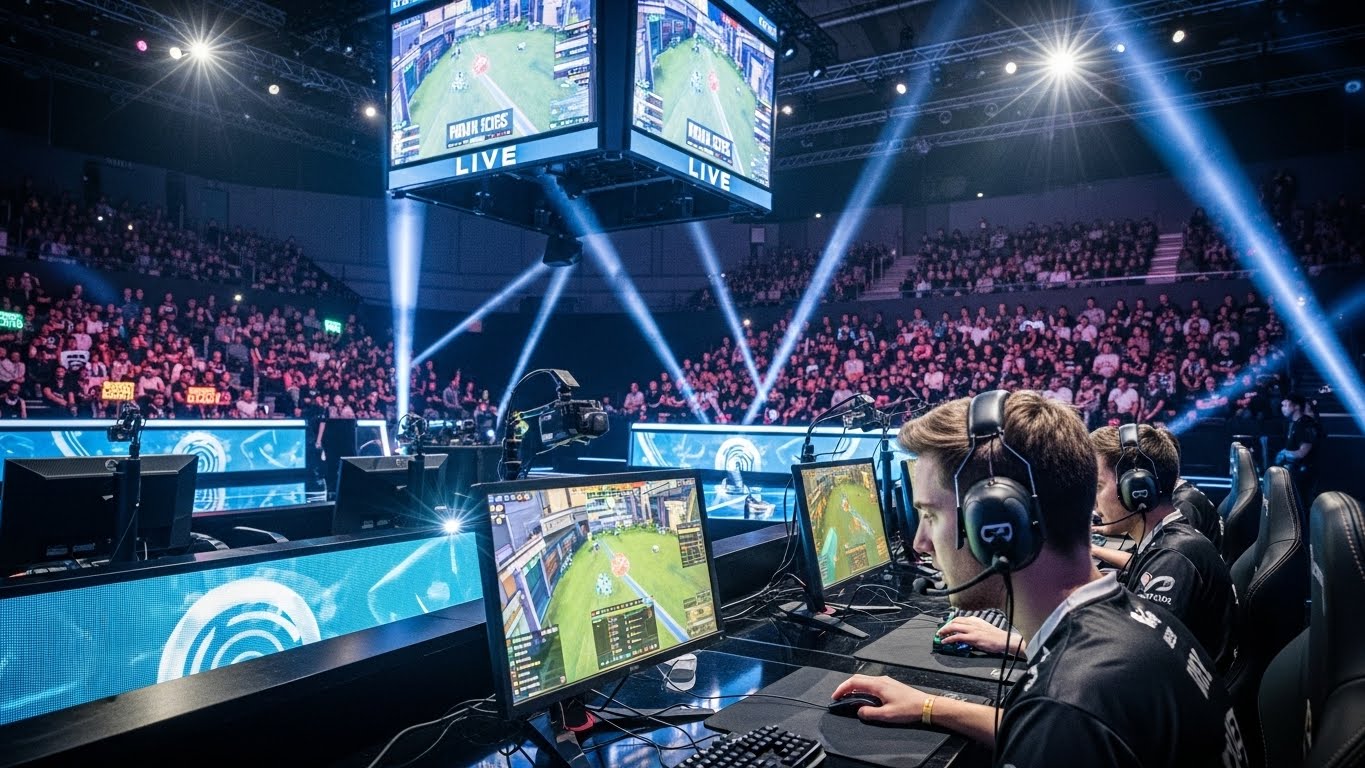
As streaming platforms like Twitch exploded in popularity, fans began to have real-time access to their favorite players, teams, and tournaments. Watching competitive gaming became a spectator sport in itself, where fans could interact with players and cheer on their favorite teams. The exposure of esports through streaming platforms has played an essential role in turning esports into a multi-billion-dollar industry.
Esports as Mainstream Entertainment: Money, Sponsors, and Viewership
Today, esports is a far cry from its humble beginnings. The industry is projected to reach over $1.5 billion in revenue by 2023, fueled by sponsorships, media rights, merchandise sales, and the growth of live streaming. Major brands, including Coca-Cola, Intel, and Red Bull, now sponsor top esports teams and tournaments, while streaming services like Twitch, YouTube Gaming, and Facebook Gaming have become the go-to platforms for esports content.
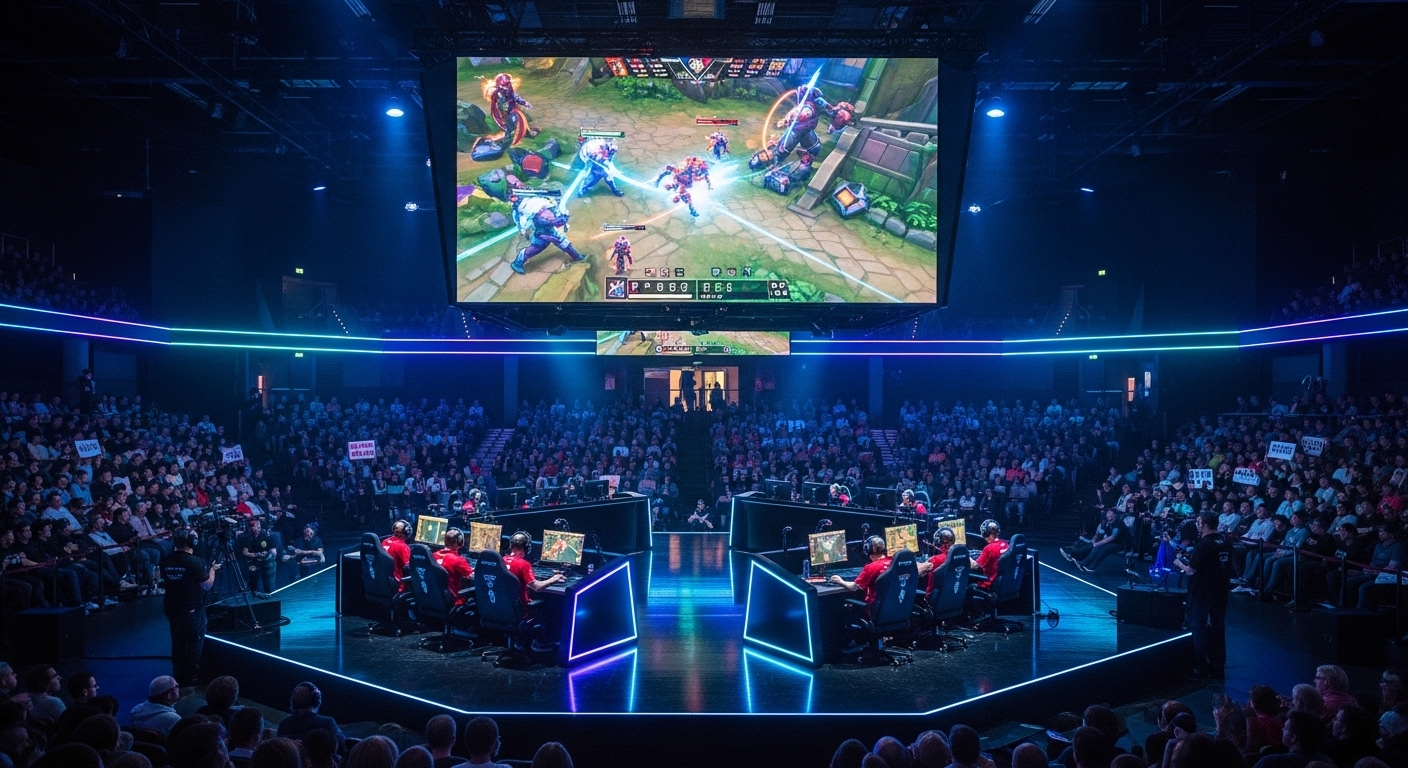
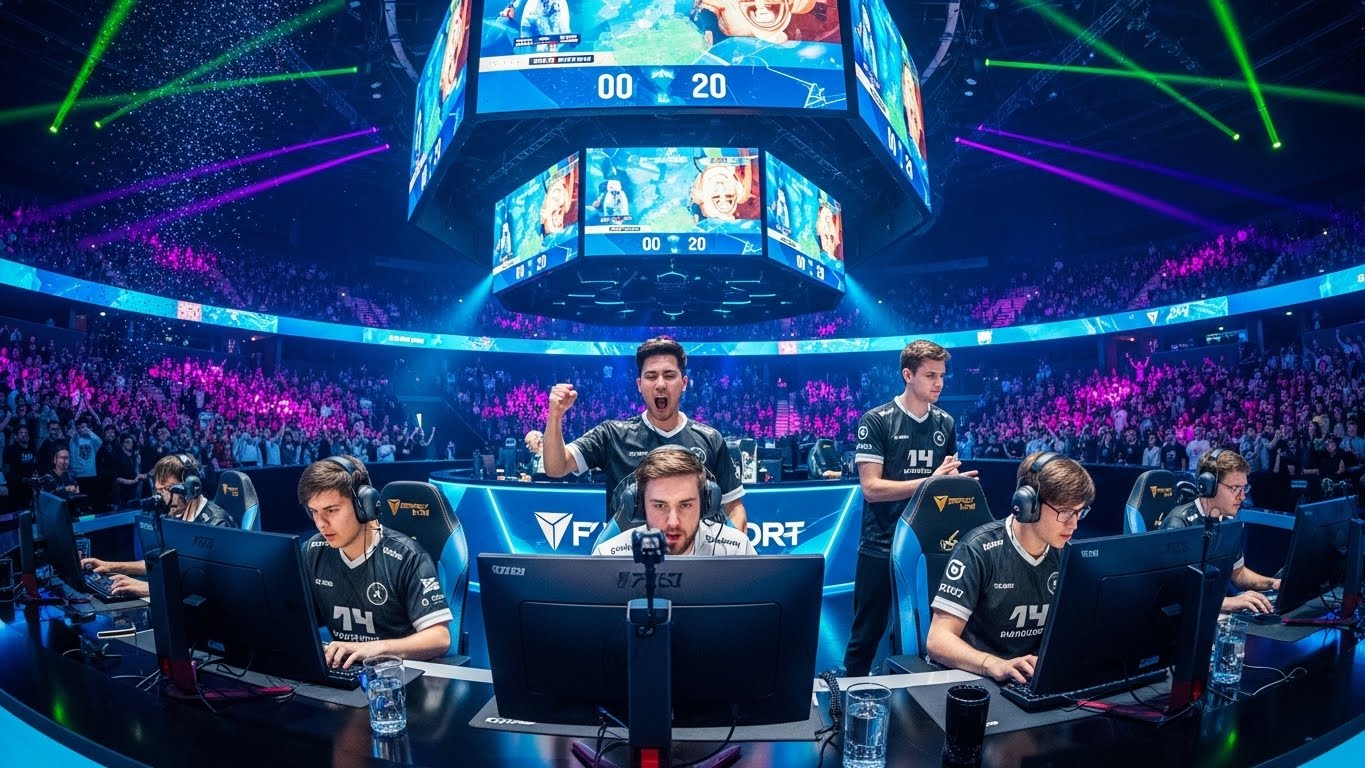
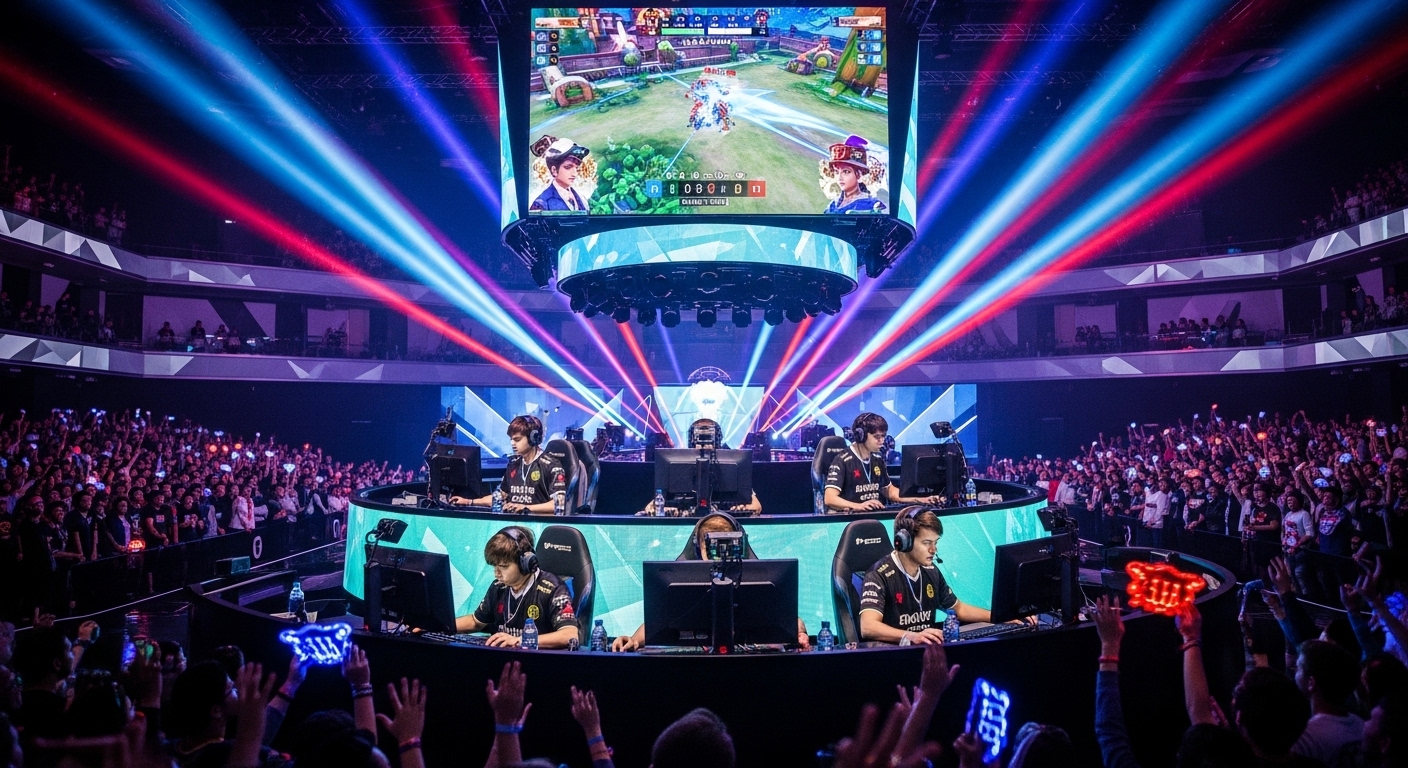
Esports tournaments are now broadcast on major networks like ESPN, which helps cement the legitimacy of esports in mainstream entertainment. The World Cup of esports, The International for Dota 2, regularly draws in over 10 million viewers at its peak, comparable to some of the largest traditional sports events in the world. These tournaments are not only broadcast live but often sell out stadiums and arenas, such as the League of Legends World Championship finals held in iconic venues like the Bird’s Nest Stadium in Beijing.
The accessibility of esports to global audiences is a key factor in its mainstream success. Unlike traditional sports, which often require significant infrastructure and investment, esports is available to anyone with an internet connection. Fans from all over the world can watch, engage, and participate, whether they are cheering on a favorite team or simply trying to learn new strategies from pro players.
The Rise of Esports as a Career: Players, Teams, and Management
One of the most significant aspects of the esports revolution is the emergence of esports as a legitimate career. Professional players now sign multi-million-dollar contracts with teams, and some of the biggest names in esports, such as Faker (League of Legends), N0tail (Dota 2), and Ninja (Fortnite), have become household names. Esports players can earn salaries, sponsorship deals, and prize money, making it possible for gaming to become a full-time career.
Beyond players, esports has created a whole ecosystem of jobs and professions. Coaches, analysts, team managers, event organizers, and content creators all play vital roles in the esports world. With large-scale tournaments and leagues, there’s a growing demand for skilled individuals in various fields, including marketing, broadcasting, and data analytics. Esports organizations are now run as businesses, complete with staff, branding, and management, creating a professional structure that mirrors traditional sports organizations.
Esports players can also become influencers and streamers, with many players transitioning from professional competition to live-streaming their gameplay on platforms like Twitch or YouTube. These players often generate revenue through ad revenue, sponsorships, and fan donations, making it possible for some gamers to become millionaires through their content alone.
The Cultural Impact of Esports: Connecting a New Generation
Esports has had a profound impact on pop culture, particularly among younger generations. As digital natives, younger viewers see esports as a natural extension of their entertainment experiences. The rise of esports has reshaped the way people think about sports, entertainment, and competition. Gaming is no longer seen as a solitary activity; it’s now a social, interactive experience. Fans gather to watch tournaments in person or online, engage in discussions on social media, and participate in fan-driven activities like fantasy leagues and online betting.
Esports has also been instrumental in breaking down cultural and geographical barriers. With games played and watched globally, esports has allowed people from all over the world to come together over a shared interest. Whether it’s a Korean StarCraft tournament or a Brazilian Rainbow Six Siege match, fans from all corners of the globe can unite in their love for the game, creating an international community.
The Future of Esports: VR, AI, and New Frontiers
The future of esports is filled with exciting possibilities. As technology continues to advance, we can expect to see even more immersive and engaging experiences for fans and players alike. Virtual Reality (VR) and Augmented Reality (AR) could take esports to new levels, providing players and viewers with unprecedented levels of immersion. Imagine watching a tournament in a 360-degree virtual arena, where you can look around and feel like you are right there with the players.
Artificial Intelligence (AI) could also play a significant role in the future of esports. AI might help optimize training for players by analyzing their gameplay and suggesting improvements, or even act as virtual coaches during live events. Machine learning could be used to predict player performance, identify in-game strategies, and even offer insights into player health and fatigue levels.
As more countries invest in esports infrastructure, the global reach of esports will only continue to grow. Esports will continue to see major investment from both traditional sports franchises and tech companies, helping to drive innovation, engagement, and competition to new heights.
Conclusion: Esports – A Cultural and Economic Juggernaut
Esports is no longer a niche interest; it has become a global phenomenon. From humble beginnings in local LAN parties to sold-out stadiums and multi-million-dollar prize pools, esports has evolved into one of the most significant entertainment industries in the world. Its growth continues to transform gaming into a viable career path, and the increasing mainstream recognition of esports proves that competitive gaming is here to stay.
Whether you’re a casual fan or a die-hard follower, the rise of esports has changed the way we think about sports and entertainment. With new technologies on the horizon and an ever-growing global fanbase, the future of esports is poised to be even more exciting and innovative. As the industry continues to mature, esports will undoubtedly continue to shape culture, careers, and entertainment for generations to come.