Introduction: The Rise of eSports
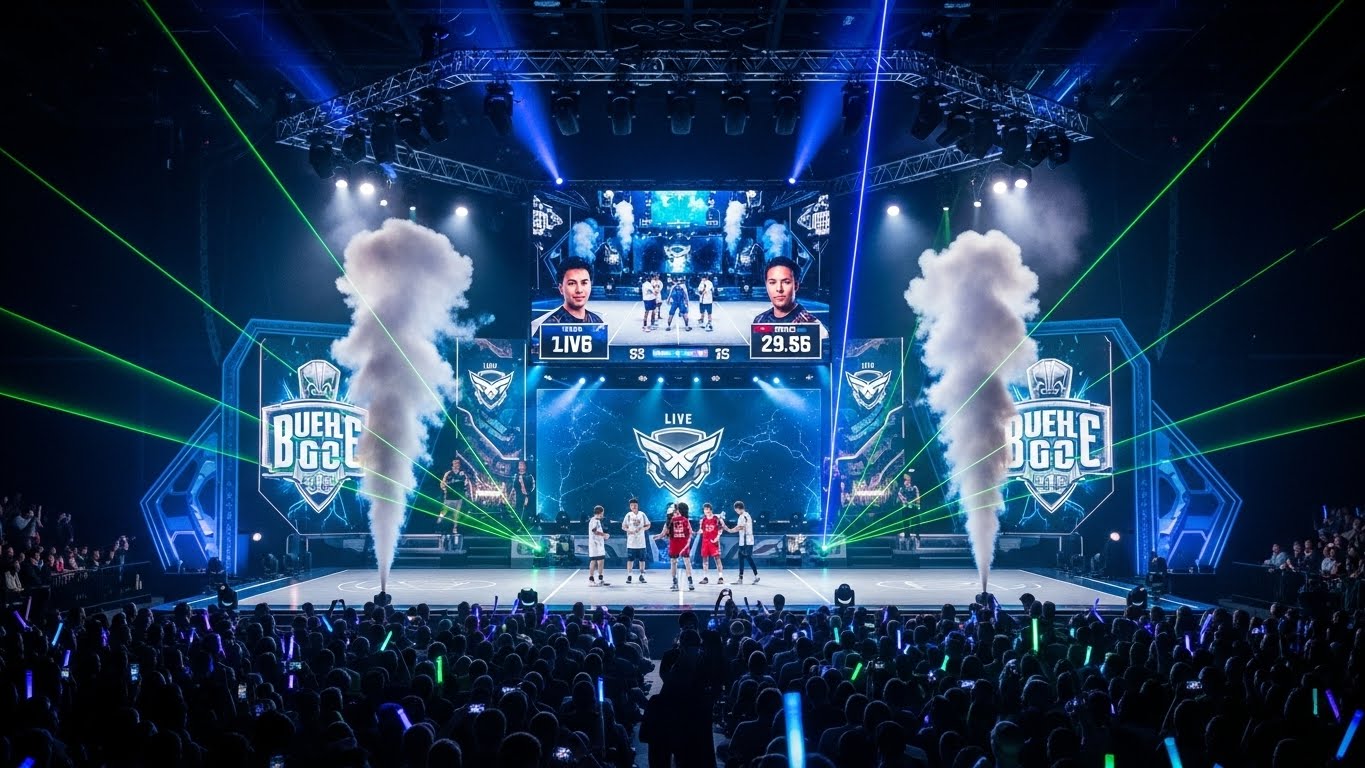
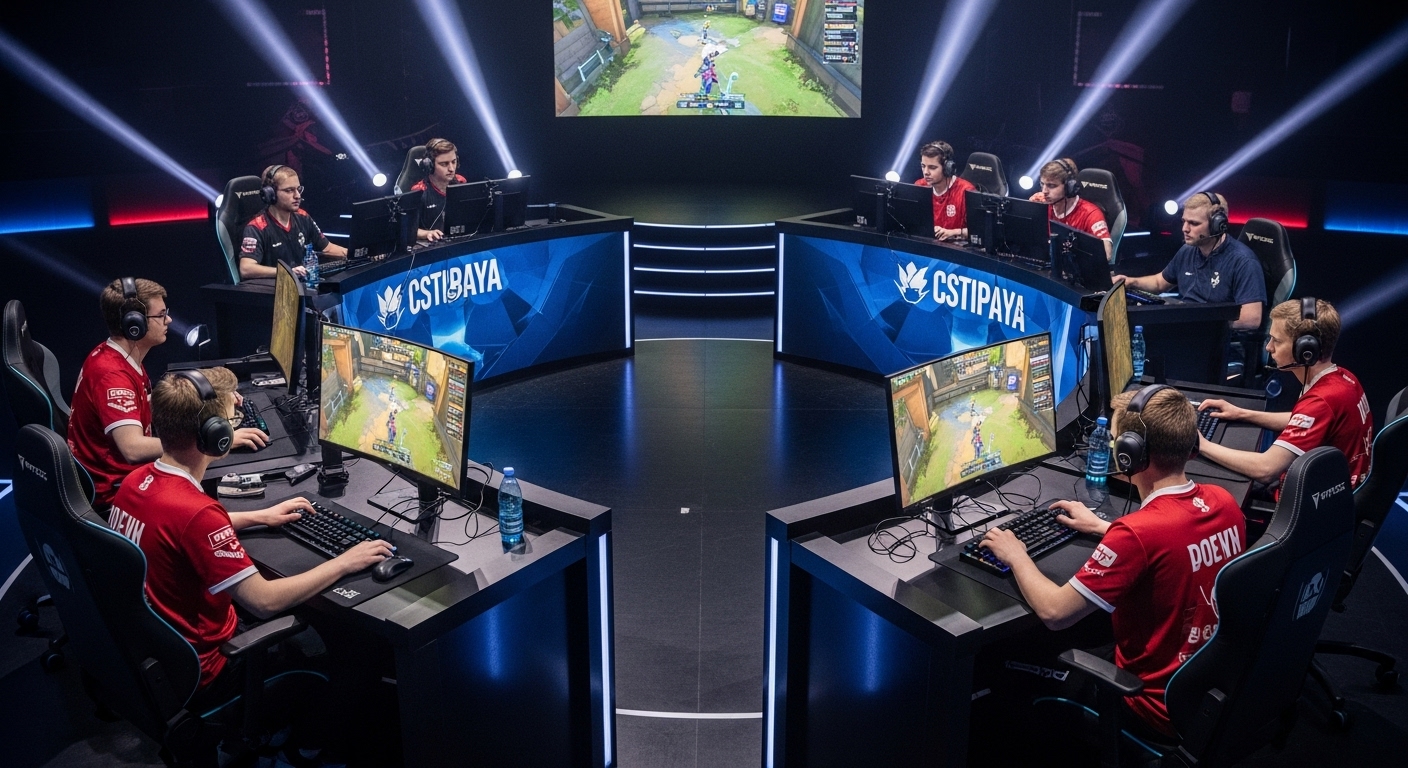
eSports has grown from casual gaming competitions into a global phenomenon, captivating millions of fans and players worldwide. Competitive gaming now rivals traditional sports in terms of viewership, excitement, and professional opportunities. It combines skill, strategy, and teamwork, creating a unique form of entertainment that appeals to a diverse audience.
The History of eSports
The roots of eSports trace back to local gaming tournaments and early arcade competitions. As technology advanced, online multiplayer games allowed players from around the world to compete in real time. Titles like Counter-Strike, League of Legends, and Dota 2 brought competitive gaming into the spotlight, leading to professional leagues, sponsorships, and large-scale tournaments that draw global audiences.
Why eSports Captivates Audiences
eSports offers a unique appeal for players and spectators alike:
- Skill and Strategy: Success requires sharp reflexes, quick decision-making, and strategic thinking.
- Community Engagement: Fans can interact through online platforms, social media, and live events, building vibrant communities.
- Entertainment Value: Watching skilled players compete delivers suspense, excitement, and emotional highs comparable to traditional sports.
- Career Opportunities: Professional gaming, streaming, coaching, and content creation have become viable careers within the eSports ecosystem.
The Role of Technology
Technology is the backbone of eSports. High-performance computers, consoles, and reliable internet connections are essential for competitive play. Streaming platforms allow millions to watch tournaments live, while analytics tools help players improve performance. Emerging technologies like virtual reality and augmented reality promise to make eSports even more immersive in the future.
Challenges Facing eSports
Despite its growth, eSports faces challenges including maintaining fair competition, addressing online toxicity, and ensuring players’ mental and physical health. Organizations and leagues are increasingly implementing regulations, coaching, and support programs to create a healthier, more professional environment for players and fans.
The Future of eSports
The future of eSports looks promising. With technology constantly evolving, tournaments will become more interactive and immersive. Recognition of eSports as a legitimate form of competition will grow, opening doors to more sponsorships, educational programs, and global collaboration. eSports is not just a trend—it is a new frontier in the world of entertainment and sports.
Conclusion: eSports as a Cultural Force
eSports is more than just gaming—it is a cultural movement that blends technology, skill, and community. It brings people together, inspires innovation, and offers exciting opportunities for both players and spectators. As eSports continues to grow, it redefines competition, entertainment, and the possibilities of the digital age.