Introduction
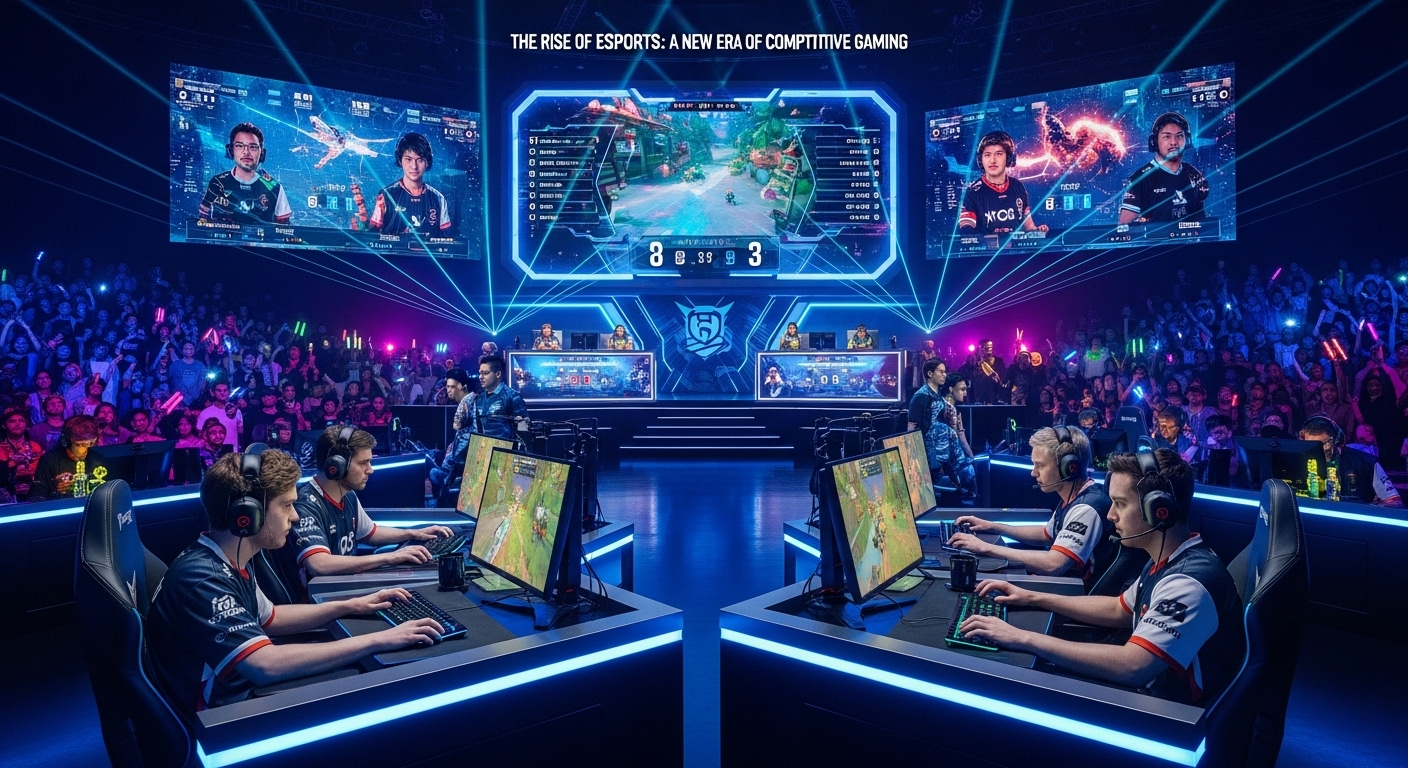
In the span of just a few decades, the world has witnessed the birth of a new kind of competitive spectacle — one that exists not in stadiums filled with grass fields or courts but in digital arenas where pixels and reflexes collide. This phenomenon, known as Esports, short for “electronic sports,” has transformed the landscape of entertainment, competition, and even culture itself. Once considered a pastime for hobbyists and teenagers, Esports has grown into a billion-dollar global industry, complete with professional athletes, sponsorships, international tournaments, and devoted fan bases that rival those of traditional sports.
Today, Esports is no longer a subculture. It’s a legitimate and thriving field of competition, drawing millions of viewers online and in-person. But this rise did not happen overnight. It is the result of technological innovation, community passion, and an evolving understanding of what constitutes a “sport.”
This blog takes a deep dive into the origins, growth, influence, and future of Esports — exploring how digital gaming transformed from a recreational hobby to a professional, global powerhouse.
The Origins of Esports
The story of Esports begins long before the modern internet or online gaming existed. In the early 1970s, video games were still a novelty — found mostly in university labs or early arcades. The first recognized video game competition took place in 1972 at Stanford University. Students gathered to compete in a game called Spacewar!, a simple but revolutionary computer game. The grand prize was not a trophy or money, but a one-year subscription to Rolling Stone magazine.
While the prize may seem trivial today, that event marked the first documented Esports competition. Over the next decade, competitive gaming evolved alongside technology. The late 1970s and 1980s saw the rise of arcade tournaments, where players battled for high scores in classics like Pac-Man, Donkey Kong, and Space Invaders. In 1980, Atari organized the Space Invaders Championship, which attracted over 10,000 participants — an astonishing number for that time.
The concept of competition in gaming was beginning to take shape, but without the internet or large-scale broadcasting, Esports remained a niche pursuit.
The 1990s: The Birth of Modern Competitive Gaming
The 1990s brought significant technological advancements that laid the groundwork for modern Esports. The rise of home gaming consoles and personal computers made gaming more accessible than ever. More importantly, the emergence of local area networks (LANs) allowed players to compete directly against each other.
During this era, several iconic games defined competitive play. Titles like Street Fighter II, Mortal Kombat, StarCraft, Quake, and Counter-Strike became household names within gaming communities. LAN parties became the birthplace of many early tournaments. One of the most influential moments came with the release of StarCraft in 1998. In South Korea, this real-time strategy game became a national obsession. Dedicated television channels began broadcasting StarCraft matches, and professional players were treated like celebrities.
By the late 1990s, organized leagues began to appear. The Cyberathlete Professional League (CPL) and QuakeCon were among the first formal Esports organizations. The dream of making a career out of gaming was becoming a reality.
The 2000s: The Internet Age and Global Expansion
The turn of the millennium marked the beginning of a new era for Esports. The internet became faster and more accessible, online gaming flourished, and live streaming began to emerge. Competitive gaming was no longer restricted to LAN parties or local tournaments — it could now reach global audiences in real time.
Games such as Counter-Strike, Warcraft III, Halo 2, and Call of Duty became the backbone of professional competition. At the same time, South Korea continued to dominate the Esports scene with its sophisticated infrastructure, corporate sponsorships, and dedicated television coverage. South Korea’s model became a blueprint for Esports organizations worldwide.
In the West, tournaments such as the World Cyber Games and Major League Gaming (MLG) helped legitimize Esports in North America and Europe. MLG events drew thousands of attendees and millions of online viewers, marking a new level of mainstream visibility.
By the end of the 2000s, Esports was no longer an underground movement. It was a rapidly expanding entertainment industry that was beginning to rival traditional sports in terms of audience engagement and cultural impact.
The 2010s: The Golden Era of Esports
The 2010s are often referred to as the golden age of Esports. During this decade, Esports broke into the mainstream and achieved global recognition as a professional sport. Several factors fueled this growth — faster internet speeds, the rise of streaming platforms, massive investment from corporations, and the explosion of social media.
The Rise of Streaming Platforms
One of the most influential developments was the rise of live streaming services, particularly Twitch, which launched in 2011. Twitch provided gamers and fans with a dedicated platform to watch live matches, interact with players, and follow their favorite teams. This accessibility revolutionized how Esports were consumed. Fans no longer needed to wait for television broadcasts — they could tune in anytime, anywhere.
The Growth of Major Titles
Certain games became pillars of Esports culture. League of Legends, Dota 2, Counter-Strike: Global Offensive, and Overwatch created professional ecosystems that spanned continents. League of Legends hosted world championships that filled entire stadiums, such as the Staples Center in Los Angeles and the Bird’s Nest in Beijing.
Meanwhile, Dota 2’s The International became one of the most lucrative tournaments in the world, with prize pools surpassing 30 million dollars — much of it crowdfunded by the game’s community.
Esports as a Career
During this period, professional Esports players began to gain recognition not just as gamers but as athletes. Training facilities, nutrition programs, and mental coaching became part of the professional Esports lifestyle. Top players earned salaries, sponsorships, and endorsement deals comparable to traditional athletes.
Esports organizations such as Team Liquid, Fnatic, Cloud9, and T1 became global brands. Universities began offering Esports scholarships, and schools introduced competitive gaming programs.
The Cultural Impact of Esports
Esports has done more than redefine gaming — it has reshaped modern culture. It blurs the lines between technology, entertainment, and sport, influencing everything from fashion to music to education.
A New Generation of Heroes
The rise of Esports has created a new type of celebrity. Esports athletes are now household names, especially among younger audiences. Players like Faker (Lee Sang-hyeok) from League of Legends, s1mple from Counter-Strike: Global Offensive, and N0tail from Dota 2 have millions of fans and sponsorships from major brands.
These players represent a shift in cultural values — from physical prowess to digital skill, strategy, and mental agility. The traditional image of an athlete is evolving, and Esports players are at the forefront of that transformation.
The Influence on Pop Culture
Esports has influenced music, film, and fashion. Artists perform at gaming events, game-inspired clothing lines are released, and documentaries highlight the lives of professional gamers. Mainstream networks and streaming services produce series that explore Esports stories, solidifying its place in entertainment culture.
Community and Global Connectivity
Esports has united people from around the world. Whether a player is from Seoul, Los Angeles, or Stockholm, they can connect through shared passion and competition. Tournaments bring together international audiences, often with live translations and global chat rooms. This sense of digital unity has become a hallmark of Esports culture.
The Business of Esports
Behind the flashing lights, roaring crowds, and thrilling matches lies a complex business ecosystem that fuels the Esports industry.
Sponsorships and Advertising
Sponsorships are the backbone of Esports revenue. Major corporations — from energy drink companies to technology giants — invest heavily in teams, tournaments, and players. Esports provides brands access to a young, tech-savvy demographic that traditional advertising often struggles to reach.
Media Rights and Streaming
Broadcasting rights and streaming deals have become another major source of income. Platforms pay significant sums for the rights to air tournaments, and advertisers compete for placement during high-profile events.
Merchandise and Branding
Esports teams have embraced branding much like traditional sports franchises. Jerseys, limited-edition merchandise, and collectibles generate substantial revenue while strengthening fan loyalty.
Esports Arenas and Live Events
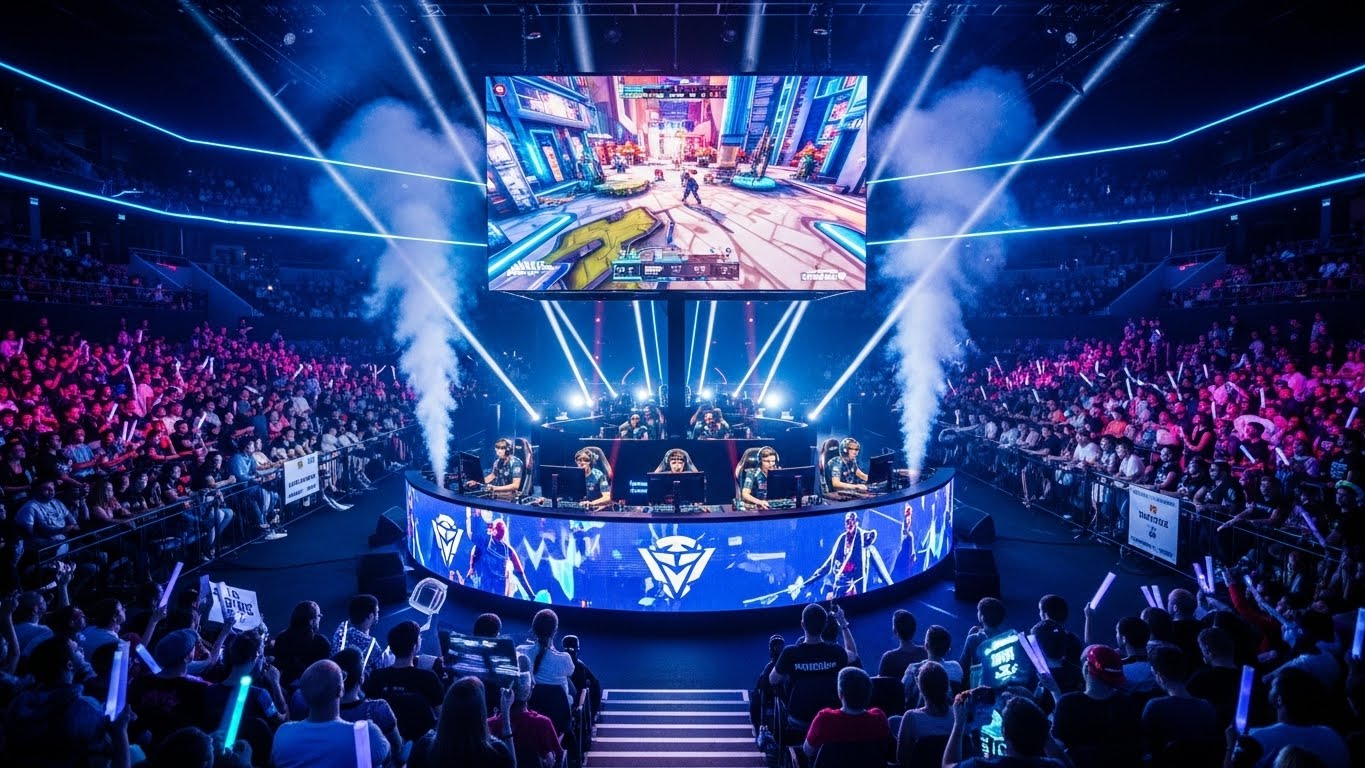
Physical arenas dedicated to Esports have emerged worldwide. Venues in cities like Seoul, Shanghai, and Las Vegas host massive tournaments that sell out within hours. The energy of a live Esports event, filled with cheering fans and elaborate stage setups, rivals that of any major sports championship.
The Challenges Facing Esports
Despite its incredible success, Esports is not without its challenges. As the industry continues to grow, it faces issues related to sustainability, regulation, and inclusivity.
Player Burnout
Professional gamers often face intense schedules, long hours of practice, and immense pressure. Unlike traditional athletes who might peak in their late 20s or 30s, many Esports players retire in their early 20s due to mental and physical fatigue.
Fair Play and Integrity
Cheating, match-fixing, and the use of unauthorized software remain significant concerns. Ensuring fair competition requires continuous technological and ethical oversight.
Gender and Diversity Gaps
Esports has made strides toward inclusivity, but gender representation remains a challenge. Female players often face discrimination or lack of visibility. Organizations are beginning to promote diversity and create safer spaces for all players, but more progress is needed.
Financial Stability
While top-tier tournaments offer huge prize pools, many smaller teams and players struggle financially. Balancing the ecosystem to support both elite and grassroots competition is a key challenge for the industry’s future.
The Future of Esports
As technology continues to evolve, so too will Esports. The future promises even greater integration with emerging technologies such as virtual reality (VR), augmented reality (AR), and artificial intelligence (AI).
Virtual and Augmented Reality
VR and AR could revolutionize how games are played and viewed. Imagine audiences stepping inside virtual arenas or interacting with live matches through holographic projections. These innovations could make Esports more immersive and accessible than ever.
The Role of Artificial Intelligence
AI-driven analytics may become integral to coaching and training. Teams can use AI to analyze gameplay, optimize strategies, and even predict opponents’ moves. This could elevate the level of competition to unprecedented heights.
Esports in Education
More schools and universities are recognizing Esports as an educational tool. Programs in game design, event management, and digital marketing are integrating Esports as part of their curriculum. Scholarships and degrees in Esports management are becoming more common.
Olympic Recognition
One of the most debated topics in the Esports world is whether it should be included in the Olympic Games. Although still under consideration, the International Olympic Committee has already hosted Esports exhibitions, signaling a growing acceptance of digital sports as legitimate competition.
Esports and Society: A Reflection of Modern Values
Esports is more than just a form of entertainment; it’s a reflection of our digital age. It embodies the values of global connectivity, innovation, and diversity. In a world increasingly defined by technology, Esports represents how human competition and creativity can adapt and thrive in virtual environments.
It also challenges traditional notions of success. Esports celebrates intelligence, coordination, and teamwork in ways that transcend physical boundaries. It has given a platform to individuals who might never have found recognition in conventional sports, offering new forms of achievement and identity.
Conclusion
From humble beginnings in university labs to grand stadiums filled with roaring fans, the journey of Esports is nothing short of extraordinary. What began as a hobby for a few enthusiasts has evolved into one of the most dynamic, inclusive, and profitable industries in the world.
Esports stands as a symbol of how human ambition adapts to change. It merges the thrill of competition with the possibilities of technology, creating an entirely new realm of entertainment. As we look ahead, one thing is certain — Esports is not a passing trend. It is the future of competitive sports, community, and global connection.