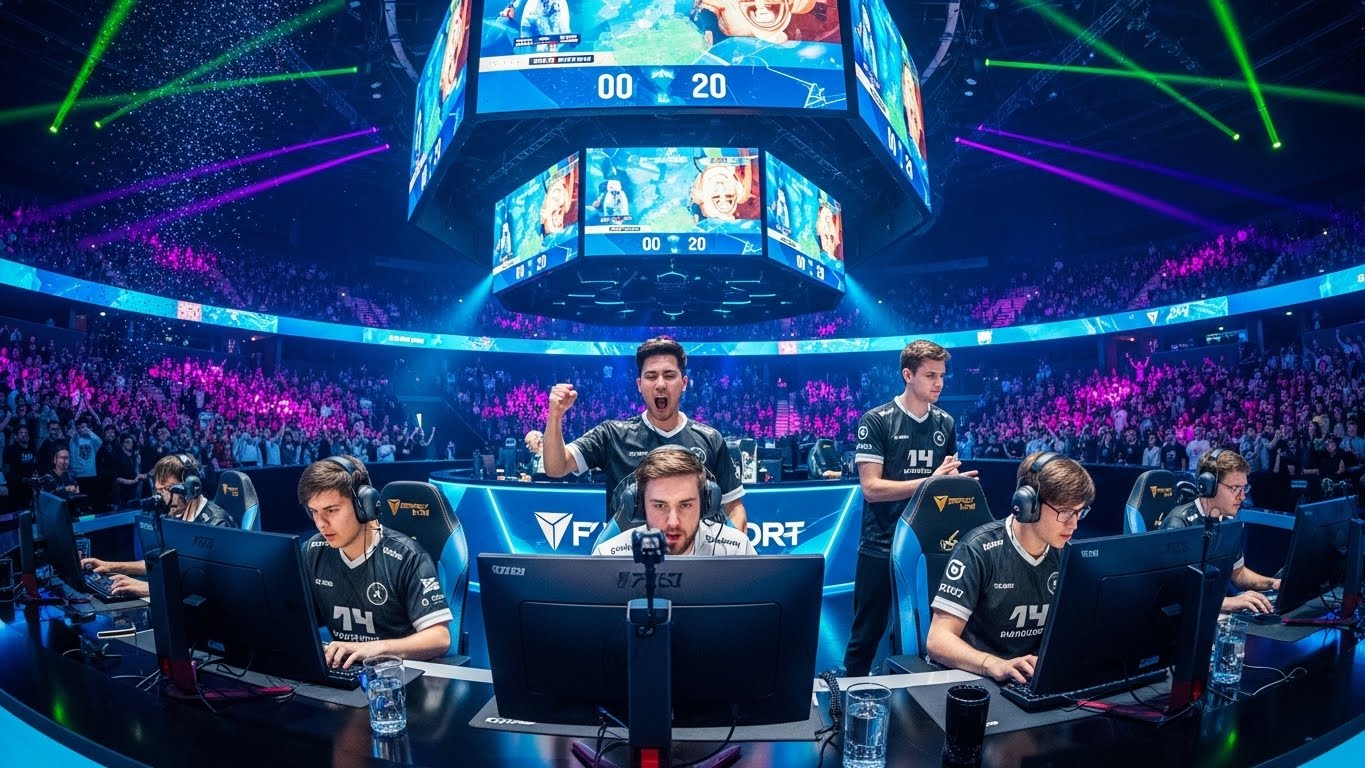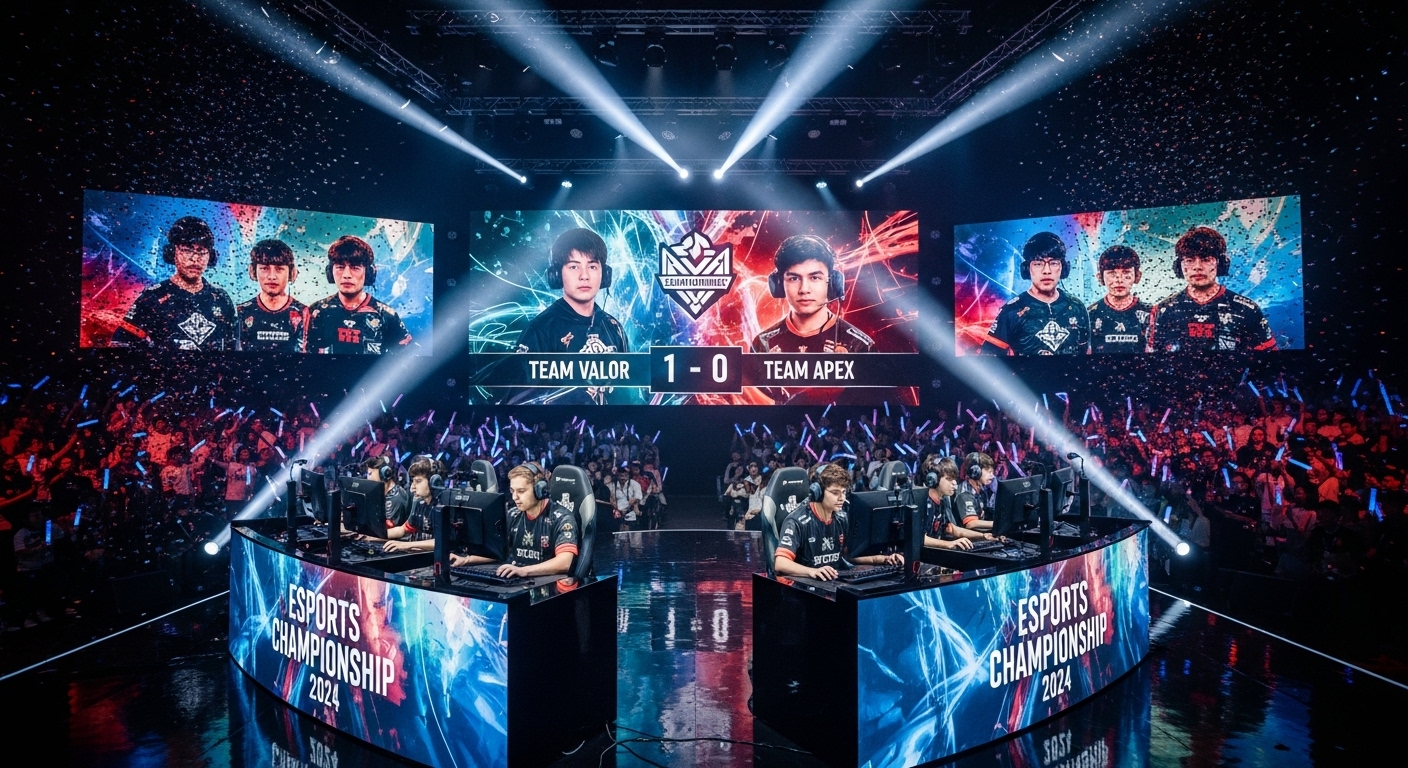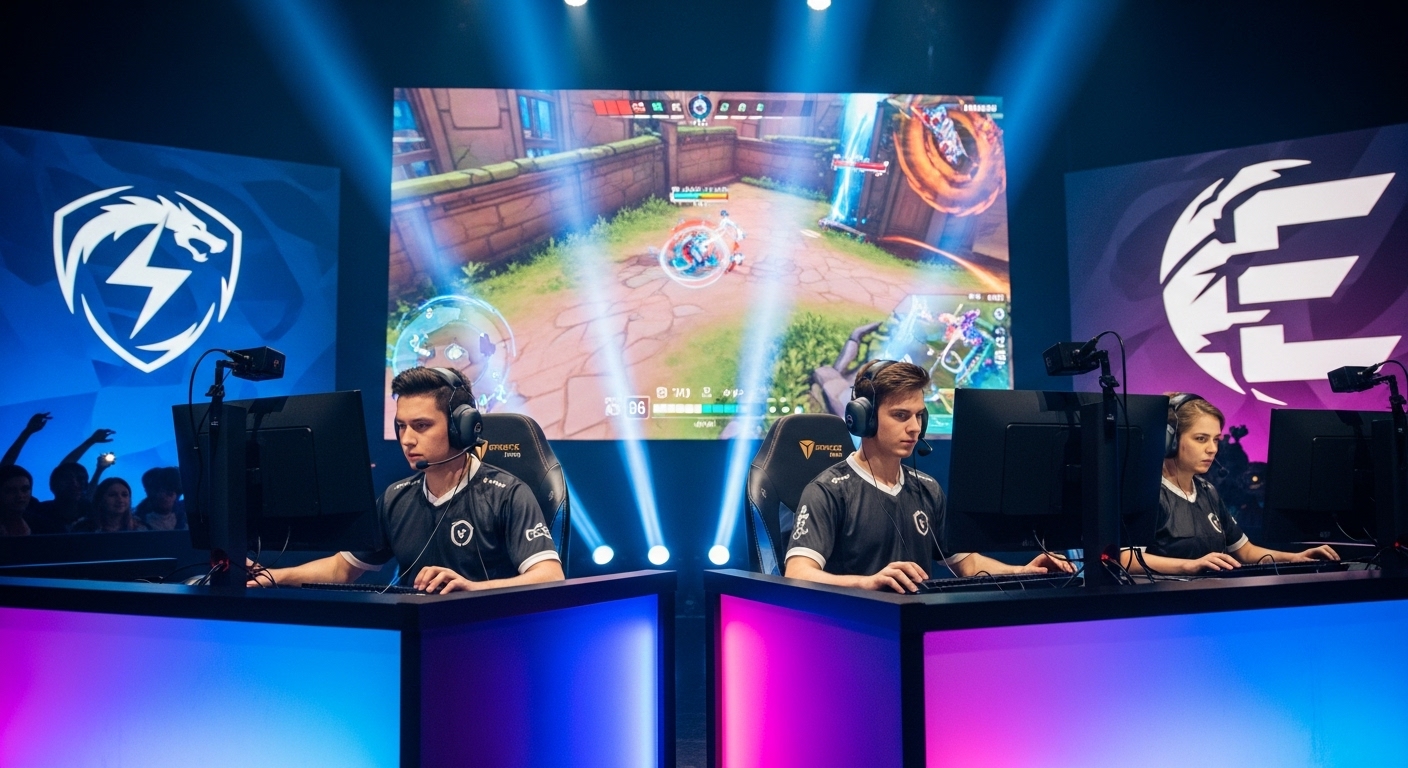
Esports has rapidly grown from being a niche community activity into a multi-billion-dollar global industry that rivals traditional sports in terms of popularity, viewership, and influence. At the heart of this growth lies not just the players and the games but also the voices that bring these competitions to life. Commentators, or “casters” as they are often called in the esports community, play a crucial role in shaping the viewer’s experience. They provide context, analysis, and excitement, guiding audiences through the complexity of professional matches while creating unforgettable moments with their words.
The best commentators in esports broadcasting are those who not only understand the technical aspects of the games but also have the charisma and storytelling ability to engage millions of viewers around the world. They are entertainers, analysts, historians, and sometimes even comedians, capable of elevating the thrill of every play and making esports more accessible to new fans. This blog explores the role of esports commentators, the qualities that make them exceptional, and highlights some of the most respected and admired voices across various games.
The Role of Commentators in Esports
Commentators in esports serve as the bridge between the game and its audience. While professional players may be showcasing extraordinary skill, it is the commentators who interpret and amplify these actions for fans. Their primary responsibilities include:
- Play-by-play narration: Commentators describe the live action as it happens, ensuring that viewers can follow every critical move even during chaotic sequences.
- Color commentary and analysis: Experienced casters provide in-depth insights into strategies, team decisions, and player performances.
- Entertainment and storytelling: The best commentators infuse passion and emotion into their calls, making every round, match, or series feel significant.
- Context building: They remind audiences of the stakes, rivalries, and histories that add weight to each encounter.
Without commentators, esports broadcasts would feel incomplete. Their presence transforms matches into narratives, giving fans not only the gameplay but also a story to remember.
Qualities of Great Esports Commentators
Not every talented gamer can become a successful commentator. The best esports broadcasters often share a set of unique qualities that allow them to thrive in the spotlight:
- Deep Game Knowledge
They must understand the mechanics, strategies, and meta of the game. This knowledge enables them to explain complex plays in a way that both seasoned veterans and casual viewers can understand. - Clear Communication
Commentators must articulate their thoughts quickly and clearly, often during moments of intense action where multiple things are happening simultaneously. - Charisma and Personality
Beyond simply describing the game, great casters inject their own flair and personality, turning esports into a theatrical experience that keeps fans engaged. - Chemistry with Co-commentators
Most broadcasts feature at least two commentators: a play-by-play caster and a color commentator. The synergy between them can significantly enhance the quality of a broadcast. - Adaptability
Esports titles differ in pace and style, so commentators must adjust their energy and approach depending on the game. A Counter-Strike round requires a different rhythm compared to a League of Legends team fight.
Pioneers of Esports Broadcasting
In the early days of esports, commentators often came from the community itself rather than traditional media backgrounds. Many started as fans who loved the game and gradually gained recognition through online tournaments, streaming platforms, or grassroots events. These pioneers paved the way for professional standards in esports commentary today.
One of the most well-known early figures is Marcus “djWHEAT” Graham, who became a central voice in multiple games and set the foundation for modern esports broadcasting. Another influential figure is Nick “Tasteless” Plott, who along with his brother Dan “Artosis” Stemkoski formed one of the most legendary duos in esports history. Their work in StarCraft II not only entertained but also educated audiences around the globe.
Best Commentators in Different Esports Titles
Since esports spans across multiple games, the best commentators are often tied to specific titles. Let’s explore some of the most notable casters across the biggest esports.
League of Legends
League of Legends has one of the most polished esports scenes, with Riot Games heavily investing in production and talent.
- David “Phreak” Turley
Phreak is a veteran caster who has been part of League of Legends since its earliest days. Known for his energetic style and occasional puns, he has helped guide countless fans into understanding the complex strategies of the game. - Trevor “Quickshot” Henry
Quickshot’s commanding voice and sharp analysis make him one of the standout commentators in the League of Legends European Championship. His passion and ability to hype up critical moments have created unforgettable highlights. - Clayton “CaptainFlowers” Raines
CaptainFlowers has quickly become a fan favorite due to his incredibly energetic play-by-play style. His ability to match the pace of intense team fights with booming calls makes every match feel electric.
Counter-Strike: Global Offensive
Counter-Strike has one of the richest histories in esports, and its commentators have become iconic figures within the industry.
- Anders Blume
Known for his iconic voice and catchphrases, Anders is one of the most recognizable commentators in CS:GO. His enthusiasm and storytelling ability have elevated countless matches. - Auguste “Semmler” Massonnat
Semmler is widely respected for his analysis and charismatic style. His chemistry with Anders formed one of the most celebrated duos in CS:GO commentary. - Henry “HenryG” Greer
HenryG brought a mix of professionalism and humor to the desk, making him both entertaining and insightful during broadcasts.
Dota 2
Dota 2’s International tournaments are among the most prestigious esports events, and its commentators play a massive role in capturing the intensity of the game.
- Toby “TobiWan” Dawson
Famous for his booming voice and legendary calls, TobiWan became synonymous with Dota 2 casting. His iconic lines during game-defining moments remain etched in esports history. - Owen “ODPixel” Davies
ODPixel is regarded as one of the fastest and most skilled play-by-play commentators in esports. His ability to keep up with the chaotic pace of Dota 2 team fights has earned him immense respect from fans. - Troels “syndereN” Nielsen
A former professional player turned commentator, syndereN brings a wealth of knowledge and tactical insight to his analysis, complementing play-by-play casters perfectly.
StarCraft II
StarCraft II may not dominate the esports landscape as it once did, but its commentators remain legendary.
- Nick “Tasteless” Plott and Dan “Artosis” Stemkoski
Known collectively as Tastosis, this duo is arguably the most iconic casting team in all of esports. Their chemistry, humor, and deep understanding of the game created unforgettable broadcasts that defined the StarCraft II scene.
Overwatch
Overwatch League has also produced some notable commentators who bring high energy to fast-paced gameplay.
- Mitch “Uber” Leslie
Uber is widely admired for his ability to capture the speed and chaos of Overwatch while maintaining clarity. His hype calls have become a staple of the Overwatch League. - Matt “Mr. X” Morello
Often paired with Uber, Mr. X provides excellent color commentary with insights into strategy and player decisions.
Fighting Games
The fighting game community thrives on passion and grassroots events, and its commentators reflect this spirit.
- Stephen “Sajam” Lyon
Sajam is one of the most respected commentators in the fighting game community, known for his clear explanations and ability to teach viewers while keeping the broadcast fun. - James Chen and David “UltraDavid” Graham
This duo has been central to the fighting game community for years, bringing both knowledge and enthusiasm to tournaments like EVO.
The Impact of Great Commentators on Esports Growth
The importance of commentators in esports broadcasting cannot be overstated. They help make esports accessible to broader audiences by explaining mechanics and strategies in digestible ways. They also contribute to creating iconic moments that are remembered for years. For instance, a legendary clutch play in Counter-Strike or a miracle base defense in Dota 2 would not resonate as strongly without the passionate commentary that accompanies it.
Moreover, commentators often become celebrities in their own right. Fans attend events not just to see their favorite teams but also to hear their favorite casters live. Some commentators even expand into content creation, podcasts, and analysis shows, further embedding themselves into the esports culture.
The Evolution of Commentary Styles
Esports commentary has evolved over the years. Early broadcasts were often casual, with commentators sometimes lacking professional training. As the industry grew, commentary became more polished, with production values rivaling those of traditional sports. Today, commentators are expected to bring not only enthusiasm but also professionalism, balancing entertainment with expert analysis.
The industry has also become more inclusive, with diverse voices joining the commentary desks across different games. This inclusivity enriches the esports viewing experience, providing varied perspectives and styles that cater to different audiences.
Future of Esports Commentating
As esports continues to grow globally, the role of commentators will only become more significant. With the integration of technologies such as augmented reality, virtual reality, and AI-driven stats, commentators will have new tools at their disposal to enhance broadcasts. They will be able to provide even deeper insights, more interactive storytelling, and personalized experiences for fans.
In addition, the growing crossover between traditional sports and esports means that commentary styles may continue to evolve, blending the best of both worlds. Future commentators will not only be game experts but also multimedia entertainers capable of connecting with audiences across multiple platforms.
Conclusion
The best commentators in esports broadcasting are far more than just narrators of gameplay. They are storytellers, educators, entertainers, and ambassadors of their respective games. Their voices have shaped the way fans experience esports, turning moments of brilliance into legendary memories. From the dynamic duo of Tastosis in StarCraft II to the booming energy of CaptainFlowers in League of Legends and the iconic calls of TobiWan in Dota 2, these commentators have left an indelible mark on the industry.
As esports continues to expand its global reach, commentators will remain at the forefront, guiding new fans into the world of competitive gaming and ensuring that the passion, excitement, and drama of esports are felt by everyone watching. The future promises even greater opportunities for esports broadcasting, but the magic will always lie in the voices that bring these digital battles to life.