Introduction: The New Frontier of Competitive Gaming
In recent years, the term “esports” has evolved from niche internet slang to a mainstream phenomenon, capturing the attention of millions worldwide. Once considered a casual hobby, competitive gaming now rivals traditional sports in viewership, sponsorship, and professional opportunities. From the intensity of live tournaments to the intricacies of strategy-driven gameplay, esports has established itself as a dynamic cultural force, bridging the gap between technology, entertainment, and sportsmanship.
The Evolution of Esports: From Basement Battles to Stadiums
Esports’ journey began modestly, with local gaming competitions and arcade tournaments in the late 20th century. Early enthusiasts often met in small gatherings, fueled by passion and community rather than fame or fortune. Titles like StarCraft, Counter-Strike, and Street Fighter became the backbone of competitive gaming, providing structured challenges and fostering rivalries among players.
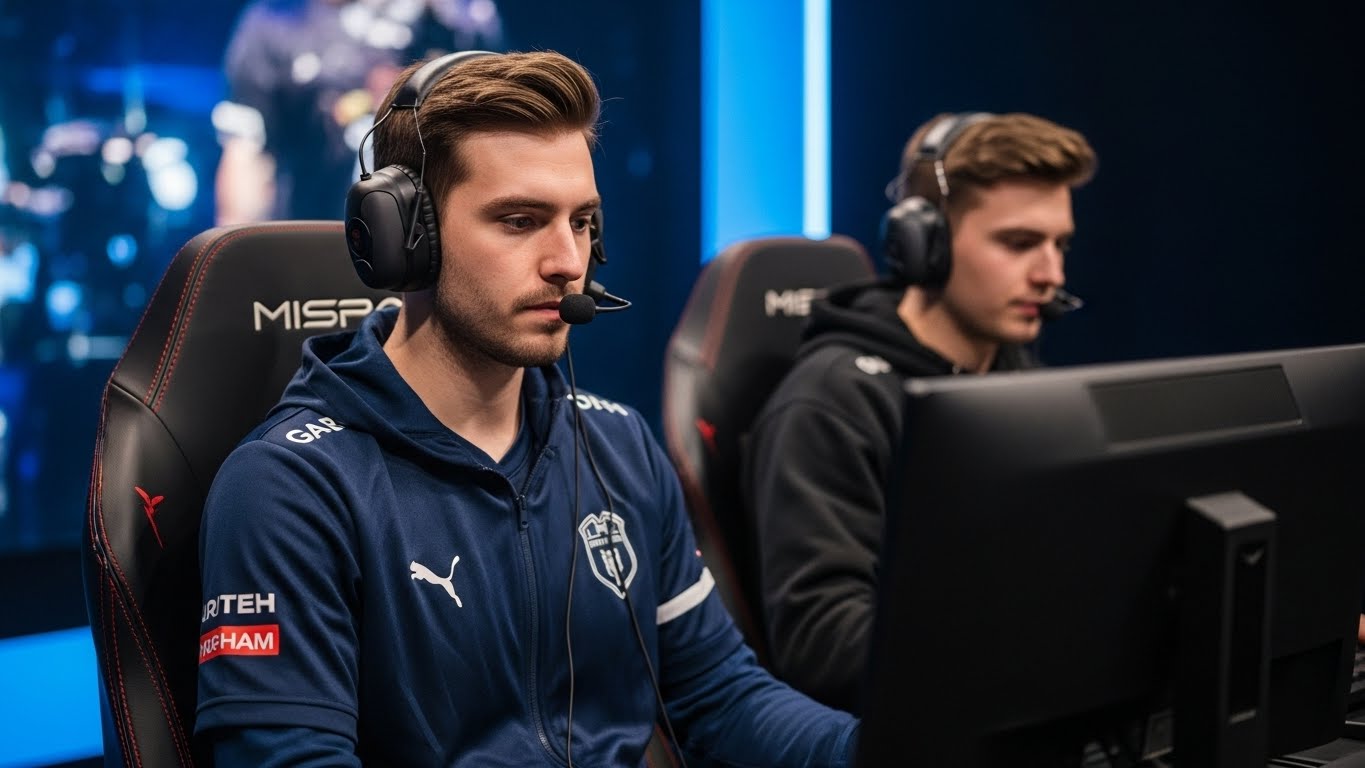
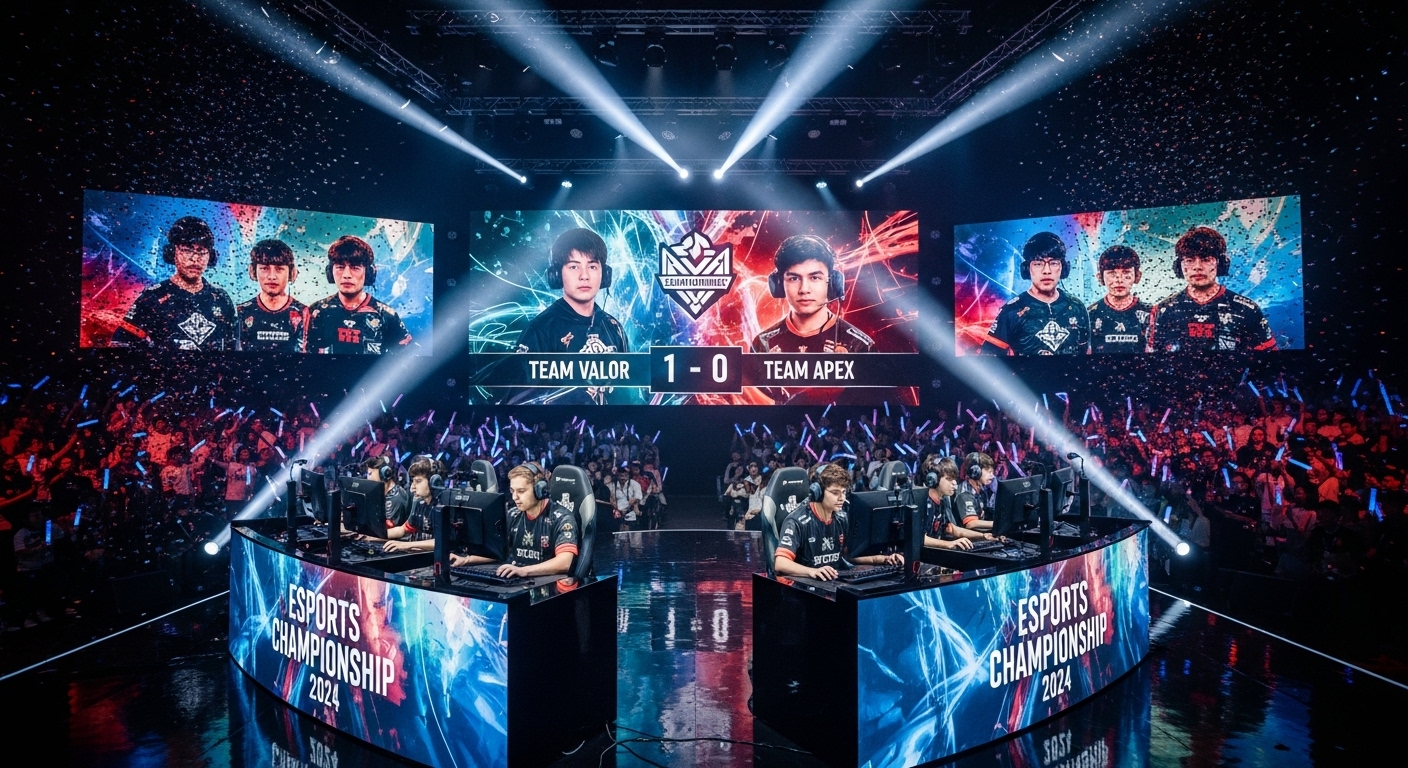
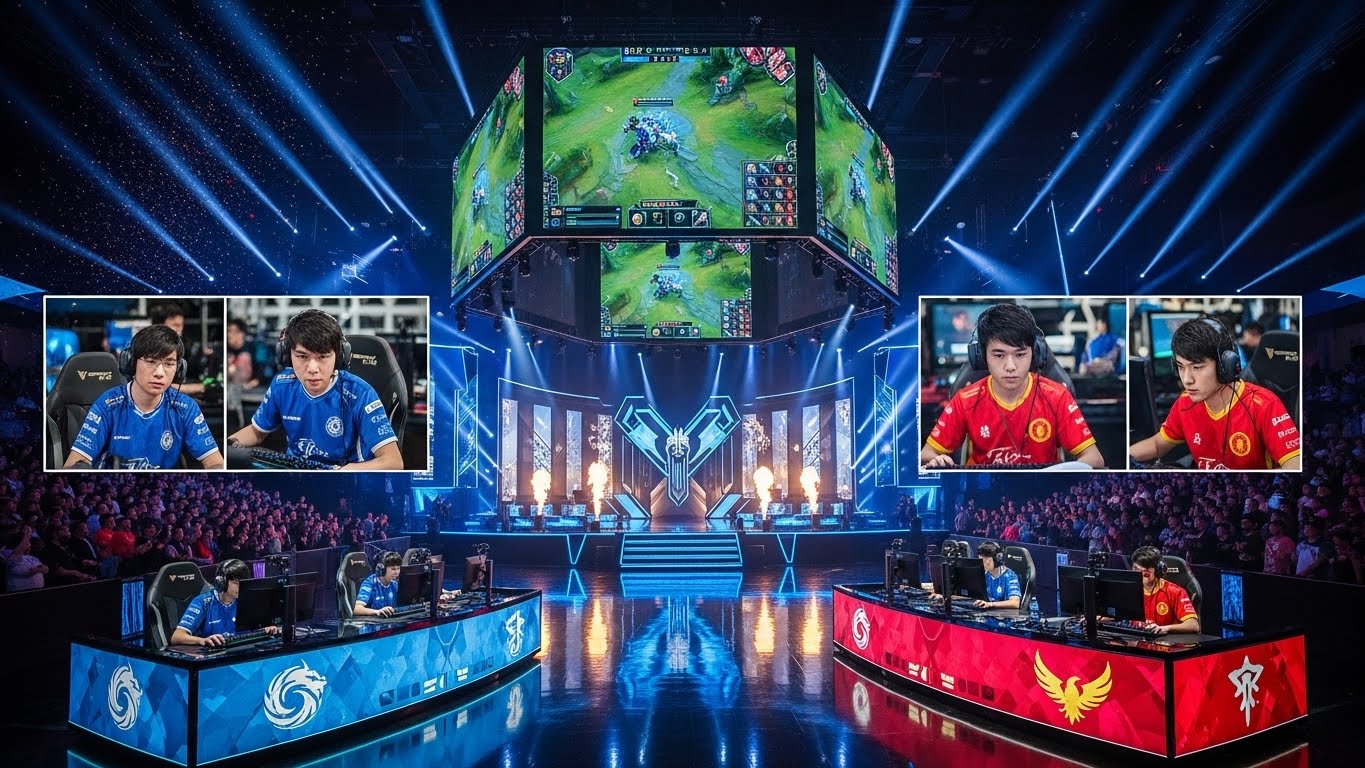
The 2000s marked a significant turning point, as high-speed internet became more accessible, enabling online multiplayer games to reach broader audiences. This era witnessed the rise of global tournaments and the emergence of professional teams. By the 2010s, esports had transcended the confines of digital spaces. Large-scale events in arenas and stadiums drew thousands of live spectators, while streaming platforms allowed millions to watch from home. Today, esports tournaments often feature prize pools worth millions, mirroring the financial and cultural weight of traditional sports leagues.
Popular Esports Games and Their Appeal
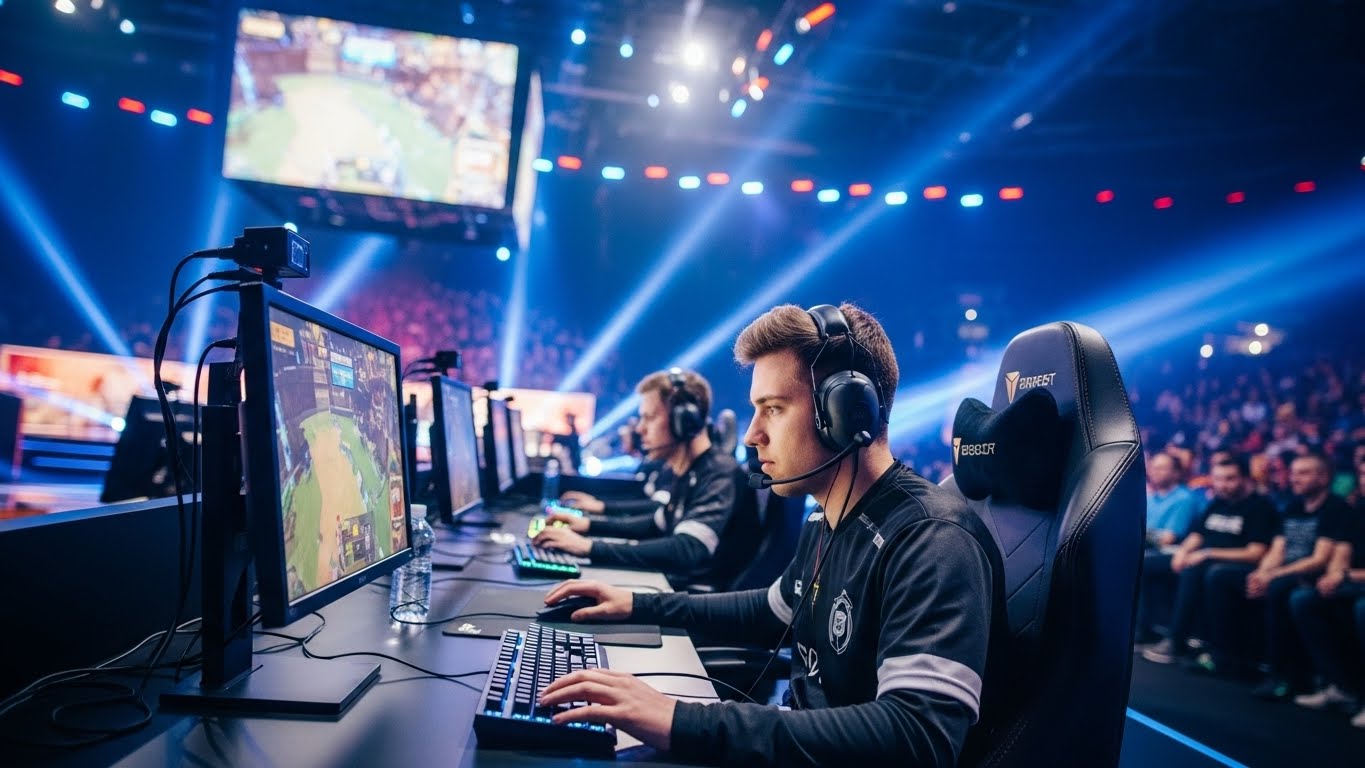
Esports encompasses a diverse range of game genres, each offering unique challenges and experiences. Multiplayer Online Battle Arenas (MOBAs) like League of Legends and Dota 2 emphasize strategic teamwork, resource management, and split-second decision-making. First-Person Shooters (FPS) such as Call of Duty and Counter-Strike: Global Offensive test reflexes, aim precision, and tactical coordination. Fighting games like Street Fighter and Tekken highlight skillful timing and psychological warfare between opponents.
The appeal of these games goes beyond mere entertainment. Fans are drawn to the stories of individual players, the intensity of competitive matches, and the evolving meta-strategies that constantly reshape gameplay. Esports allows spectators to engage actively, analyzing strategies, predicting outcomes, and celebrating moments of skill or ingenuity. This participatory culture sets esports apart from traditional sports, where audience interaction is often limited to cheering from the stands.
The Professionalization of Esports
One of the most remarkable aspects of esports is its transformation into a legitimate professional career path. Players undergo rigorous training schedules, mirroring the discipline seen in traditional athletes. Professional teams employ coaches, analysts, and support staff to optimize performance, while sports psychologists and nutritionists help maintain physical and mental well-being.
Salaries for top-tier players can rival those of mainstream athletes, supplemented by tournament winnings, sponsorship deals, and streaming revenue. Brands ranging from technology companies to lifestyle products recognize the marketing potential of esports, investing heavily in endorsements and partnerships. The industry’s professionalization has also led to structured leagues, standardized rules, and regulatory bodies to ensure fair competition and player welfare.
The Role of Streaming and Digital Platforms
The meteoric rise of esports owes much to streaming platforms. Services dedicated to live gameplay broadcasts, commentary, and tutorials have created a global audience that can tune in anytime. Platforms allow players to connect with fans directly, building personal brands and fostering communities around shared gaming interests.
Streaming has blurred the lines between content creation and competition. Many professional players maintain a dual presence, performing at tournaments while regularly streaming practice sessions or casual matches. This constant interaction enhances fan engagement, providing insights into players’ techniques, personalities, and lifestyles.
Esports and Its Cultural Impact
Esports is more than just a competitive endeavor; it is a cultural phenomenon. It has influenced fashion, music, and even language, with gaming terminology permeating mainstream discourse. Cosplay events, fan art, and community tournaments celebrate this culture, creating inclusive spaces for creativity and expression.
Furthermore, esports promotes teamwork, strategic thinking, and problem-solving skills. Participants must adapt to rapidly changing scenarios, communicate effectively, and maintain composure under pressure. These skills often translate beyond gaming, benefiting educational and professional pursuits. Esports also fosters diversity, attracting players and audiences from various backgrounds, genders, and nationalities, contributing to a more globalized entertainment landscape.
Challenges Facing the Esports Industry
Despite its rapid growth, esports faces several challenges. Mental and physical health concerns, including burnout and repetitive strain injuries, are significant issues for professional players. The competitive nature of the industry can exacerbate stress, and the pressure to perform consistently at high levels is immense.
Additionally, the lack of universally recognized regulations creates inconsistencies in tournament organization, player contracts, and prize distribution. Fraud, match-fixing, and unethical behavior remain concerns that the industry must address proactively. The perception of esports as “less legitimate” than traditional sports persists in some circles, creating barriers to broader acceptance in mainstream society.
The Future of Esports: Innovation and Expansion
The future of esports promises continued expansion and innovation. Advances in virtual reality (VR) and augmented reality (AR) could redefine competitive experiences, creating immersive tournaments that blend digital and physical realities. Artificial intelligence (AI) may assist in game analysis, strategy optimization, and fan engagement, enhancing the competitive and entertainment aspects of esports.
Educational institutions are also recognizing esports’ potential, with universities offering scholarships, degree programs, and dedicated esports facilities. This formal integration into academia signals a growing acknowledgment of esports as a viable career path and cultural contributor.
Moreover, global accessibility is expected to increase. As internet infrastructure improves worldwide, previously underrepresented regions will gain opportunities to participate in competitive gaming, fostering new talent and diverse fan communities. The globalization of esports may further bridge cultural gaps, uniting audiences through shared passion rather than geographical proximity.
Conclusion: Esports as a Defining Trend of the Digital Age
Esports represents a profound shift in how we perceive competition, entertainment, and community in the digital era. From humble beginnings in local arcades to global tournaments watched by millions, esports has reshaped the landscape of modern culture. Its impact extends beyond gameplay, influencing professional opportunities, social interaction, and cultural expression.
As technology continues to evolve, esports will likely remain at the forefront of innovation, blending entertainment, strategy, and social engagement in ways previously unimaginable. What began as a niche pastime has transformed into a worldwide phenomenon, proving that the world of competitive gaming is not just about the games—it is about connection, creativity, and the relentless pursuit of excellence.