
What is Esports?
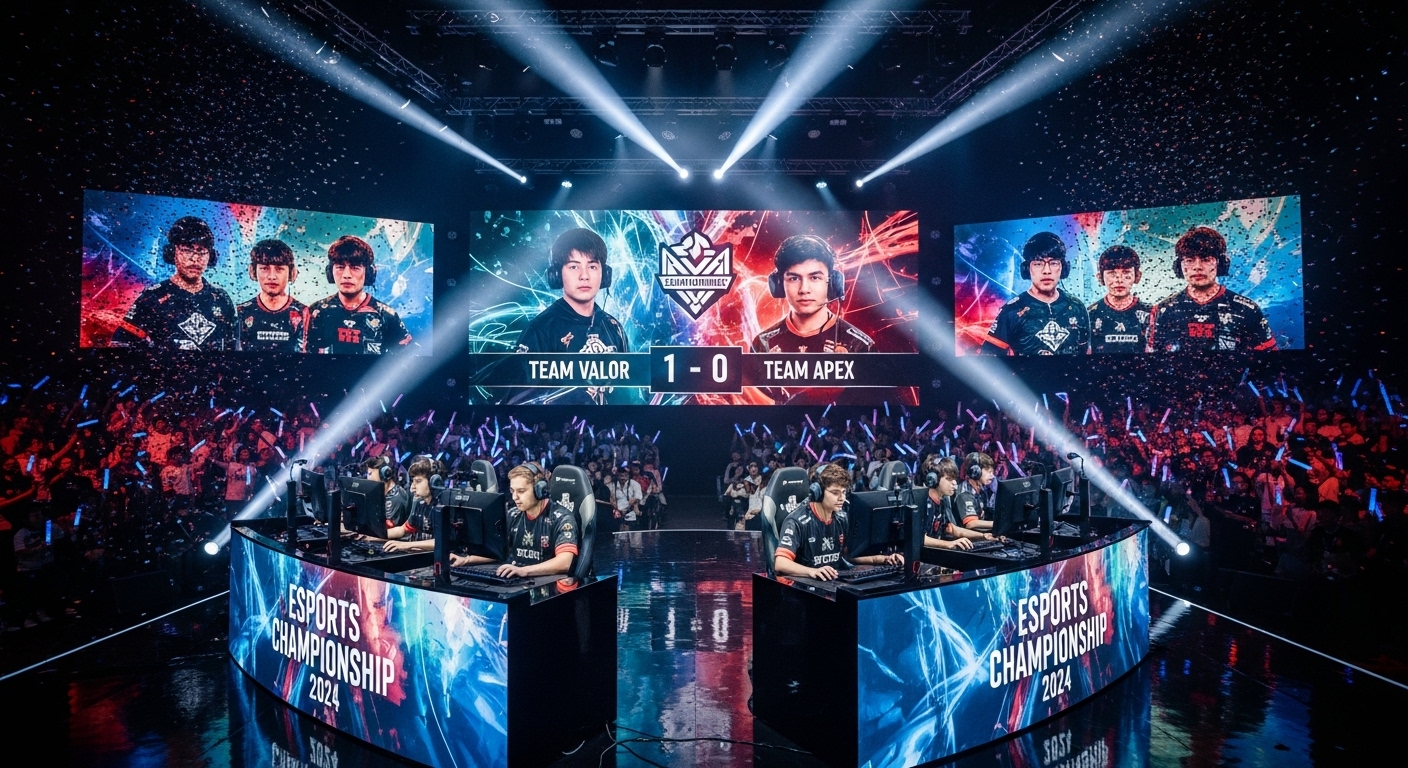
Esports, short for electronic sports, refers to competitive video gaming at a professional level. Players and teams compete in popular games like League of Legends, Dota 2, Fortnite, and Counter-Strike in tournaments that draw millions of viewers worldwide. What was once a hobby has evolved into a legitimate career path and a global phenomenon with prize pools rivaling traditional sports.
The Growth of Esports
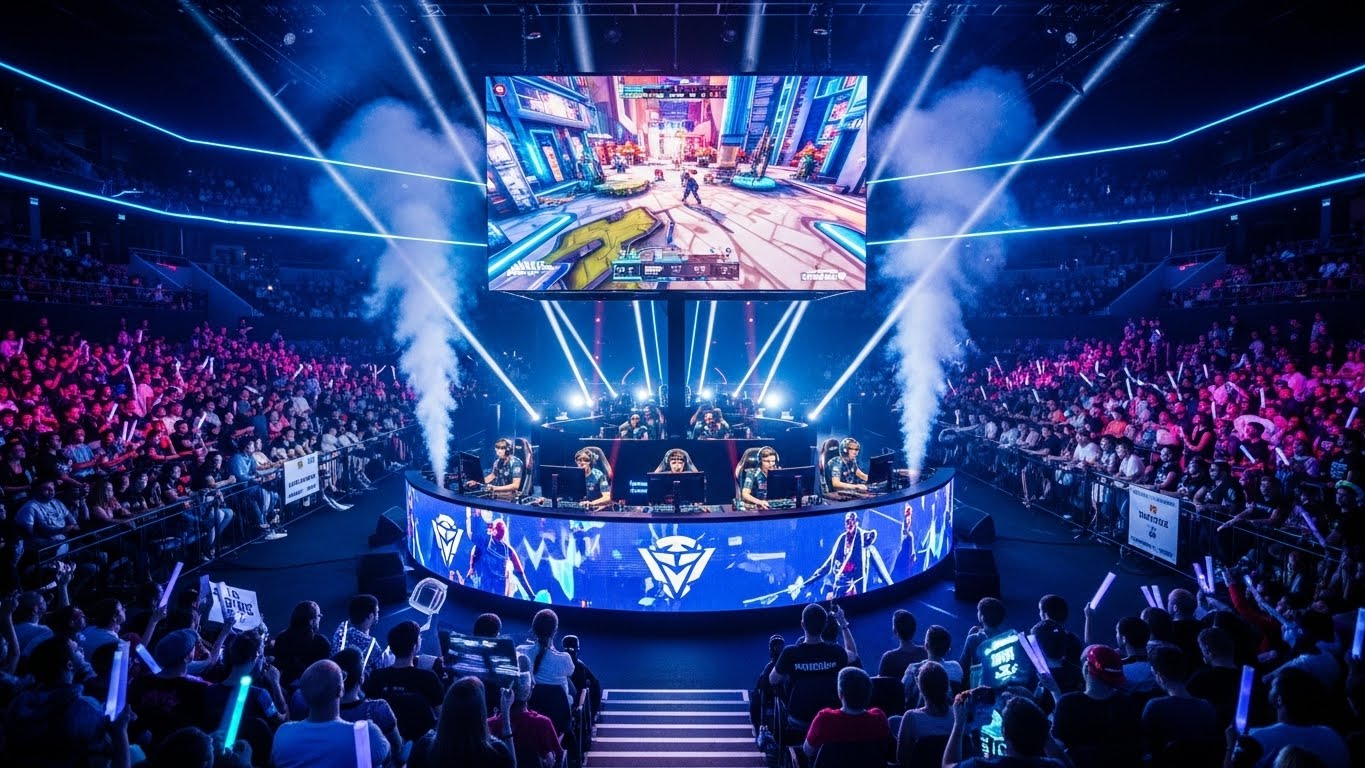
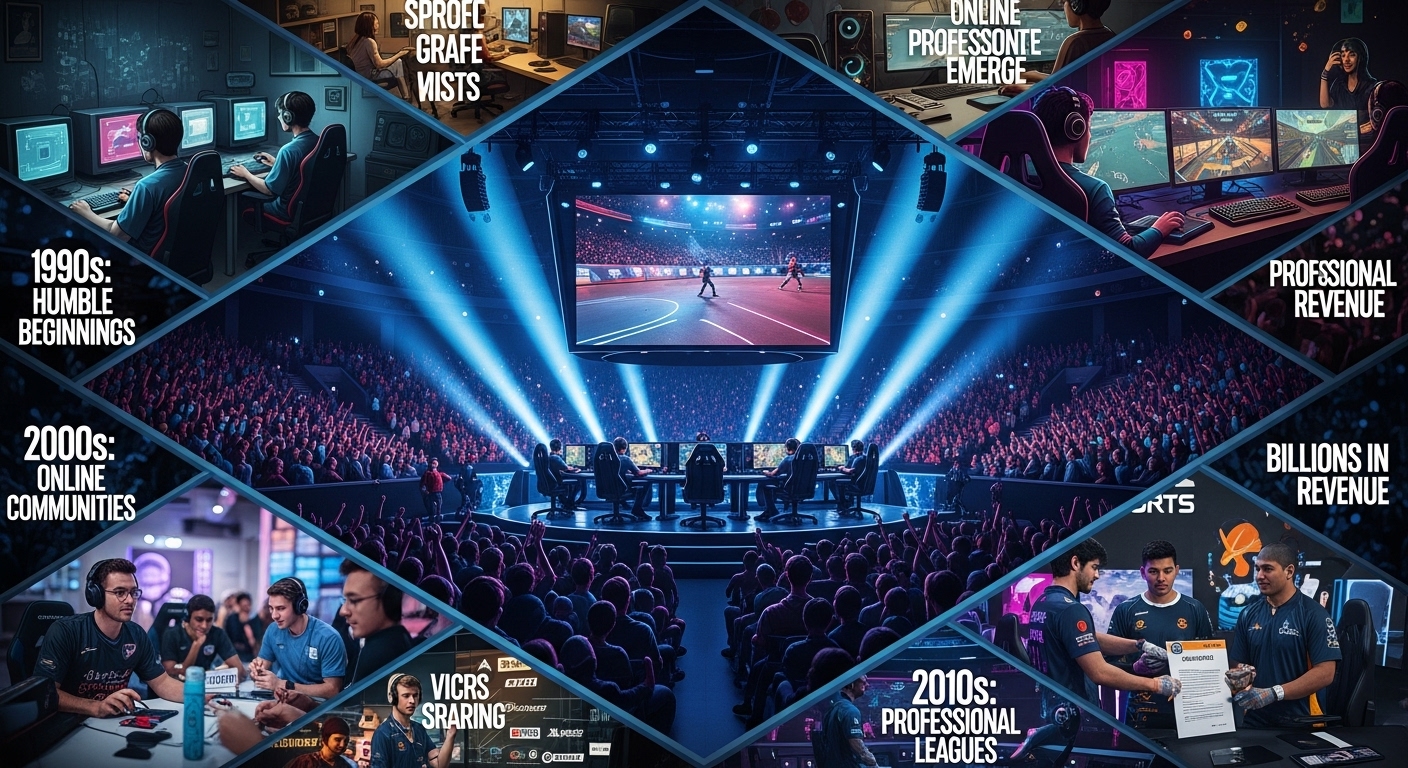
Over the past decade, esports has experienced explosive growth. Major tournaments are broadcast to stadiums filled with cheering fans and millions of online viewers. Sponsorships, merchandise, and streaming platforms have turned esports into a multi-billion-dollar industry. Its rise reflects not just the popularity of gaming, but the increasing cultural acceptance of video games as a form of entertainment and competition.
Skills Behind the Game
Success in esports requires more than just reflexes. Professional players train for hours, honing strategic thinking, teamwork, communication, and mental endurance. Quick decision-making under pressure, precision, and adaptability are crucial for winning matches. Esports athletes must also manage stress, practice consistently, and maintain a disciplined lifestyle to perform at the highest level.
Esports and Community
One of the most exciting aspects of esports is its community. Fans connect through live streams, forums, and social media, forming a global network of enthusiasts. Players often inspire others to pursue gaming professionally or simply enjoy it as a social activity. The sense of belonging and shared passion strengthens the culture around esports, making it more than just a competition—it’s a movement.
The Impact of Esports on Careers
Esports is not limited to players alone. The industry provides opportunities in coaching, game analysis, broadcasting, event management, and marketing. Streaming platforms allow content creators to reach audiences directly, monetizing their skills and personality. The growing ecosystem demonstrates that esports offers diverse career paths beyond just competitive gaming.
The Future of Esports
The future of esports looks brighter than ever. Advancements in technology, including virtual reality and augmented reality, promise more immersive experiences. Increased recognition from educational institutions and mainstream media further legitimizes esports as a professional and cultural force. As the industry evolves, esports will continue to shape entertainment, competition, and digital culture worldwide.
Conclusion
Esports has transcended the boundaries of traditional gaming to become a global phenomenon. With its blend of skill, strategy, community, and entertainment, it offers players and fans alike a dynamic and engaging experience. As technology and culture continue to advance, esports is set to redefine how we play, watch, and connect through games.