Introduction: The Emergence of Esports
Esports, short for electronic sports, has grown from a niche hobby into a global phenomenon. What once began as casual multiplayer competitions has transformed into a highly organized and professional industry. Millions of players compete in tournaments every year, while millions more watch online streams and attend live events. Esports is not just about gaming; it represents a cultural movement, a professional career path, and a social platform connecting communities worldwide.
Unlike traditional sports, esports thrives in digital landscapes, allowing players from different continents to compete in real time. It combines strategy, skill, teamwork, and mental acuity, making it a unique form of competition. The rapid growth of esports demonstrates that the boundaries of sports and entertainment are expanding, and digital arenas are now the center stage of global engagement.
The History of Competitive Gaming
Competitive gaming has existed for decades, but esports as we know it today started gaining traction in the late 1990s and early 2000s. Early tournaments were organized in local communities or through small online networks. Games like StarCraft, Counter-Strike, and Warcraft laid the foundation for competitive play, attracting dedicated players and growing fan communities.
As technology improved, particularly with broadband internet and streaming platforms, esports became a global phenomenon. Platforms allowed fans to watch live gameplay, interact with players, and participate in online communities. Over time, esports evolved into a professional ecosystem with organized leagues, sponsorships, and massive prize pools, rivaling traditional sports in scale and popularity.
The Global Popularity of Esports
Esports has captured the attention of audiences worldwide. In Asia, countries like South Korea and China have made esports a mainstream cultural activity. North America and Europe host large-scale tournaments and leagues with international recognition. Games like League of Legends, Dota 2, Fortnite, and Valorant attract millions of viewers, demonstrating that esports appeals to a diverse demographic.
The accessibility of esports contributes to its popularity. Unlike traditional sports, esports does not require expensive facilities or specialized equipment. Players can compete from home or local gaming centers, leveling the playing field and allowing global participation. Social media and streaming platforms further enhance engagement, making esports a community-driven and interactive experience.
Essential Skills for Esports Players
Esports demands a unique set of skills, blending physical reflexes, mental strategy, and social intelligence. High-level players possess exceptional hand-eye coordination, quick reflexes, and precise motor control. They can make split-second decisions that influence the outcome of a match.
Mental agility is equally important. Players must analyze situations, anticipate opponents’ moves, and adapt strategies in real time. Team-based games require communication, leadership, and collaboration, as players coordinate to achieve shared objectives. Beyond competition, professional esports players develop discipline, resilience, and time management skills that extend into their personal and professional lives.
Team Dynamics in Esports
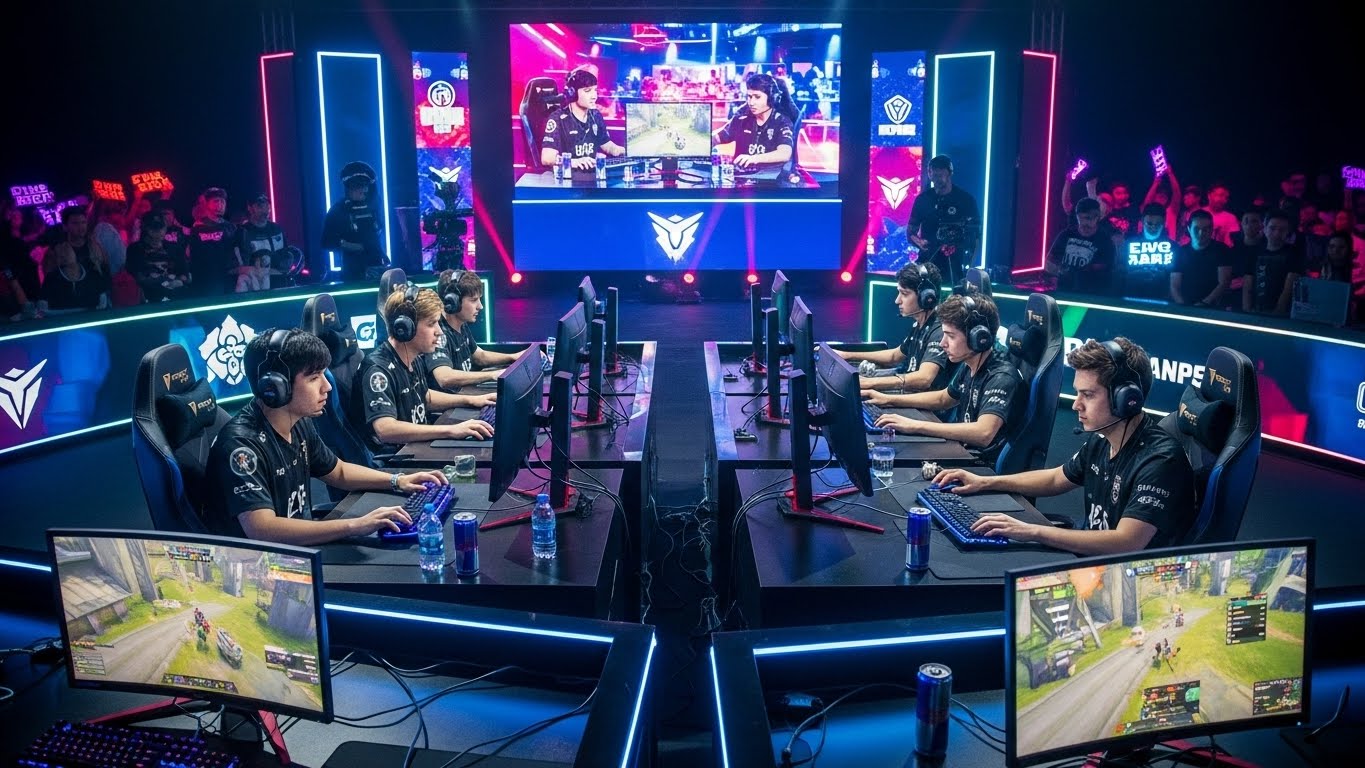
Teamwork is central to many esports competitions. Games like Dota 2, League of Legends, and Overwatch require players to work closely, communicate efficiently, and execute strategies cohesively. The coordination and synergy of a team often determine success more than individual skill alone.
Coaches and analysts play a significant role in shaping team performance. They study opponents, devise strategies, and provide feedback, similar to traditional sports. Team practice sessions focus not only on mechanics but also on mental preparation, communication, and stress management. This structured approach highlights the professionalism and dedication required to excel in esports.
Professionalization of Esports
Esports has evolved into a structured, professional industry. Players can earn salaries, sponsorships, and prize money while competing in international tournaments. Organizations invest in training facilities, mental coaching, nutrition, and performance analytics to maximize player output.
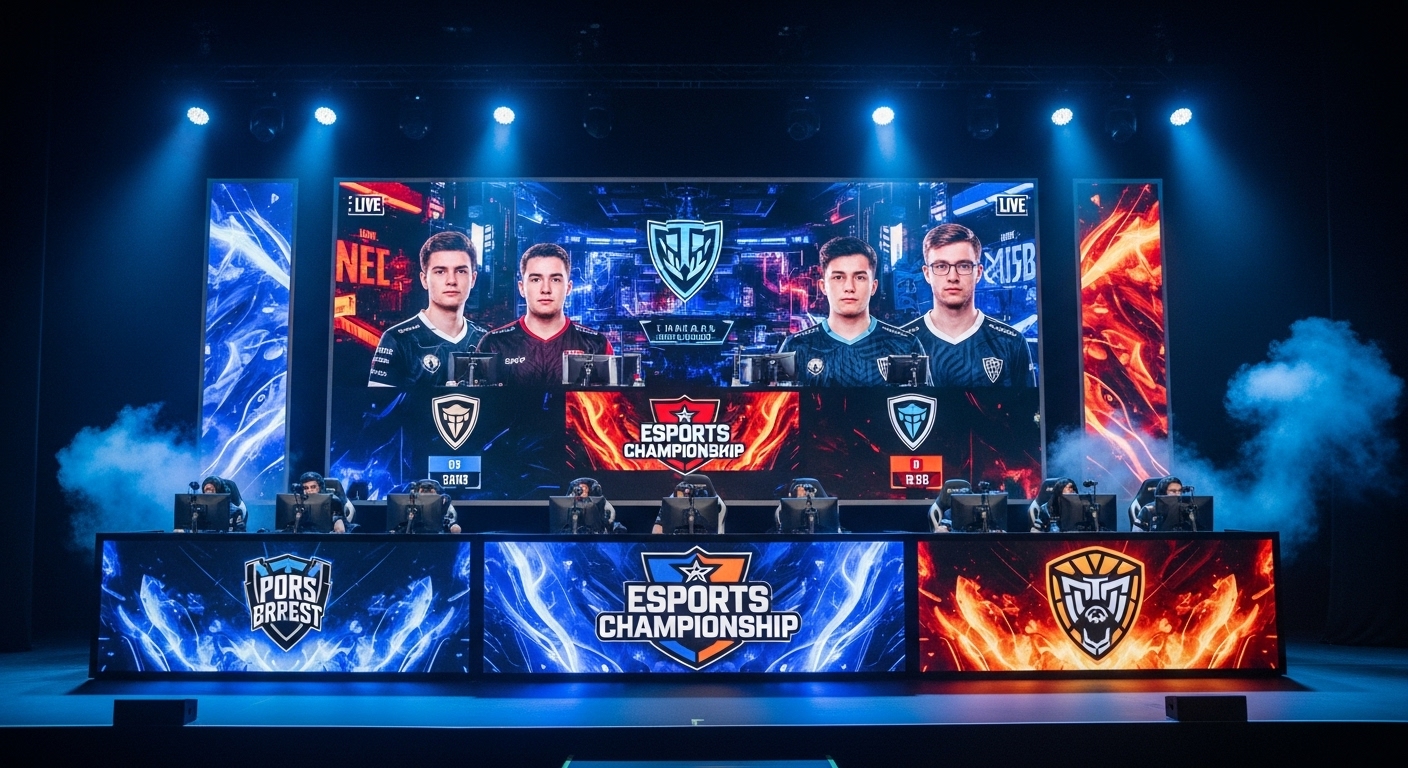
Professional leagues mirror traditional sports in organization and presentation. Broadcasts feature live commentary, analysis, and high-quality production, enhancing the spectator experience. Teams and players also build personal brands, gaining influence and recognition beyond the game itself. This professionalization validates esports as a career path and establishes it as a serious, competitive discipline.
Esports as Spectator Entertainment
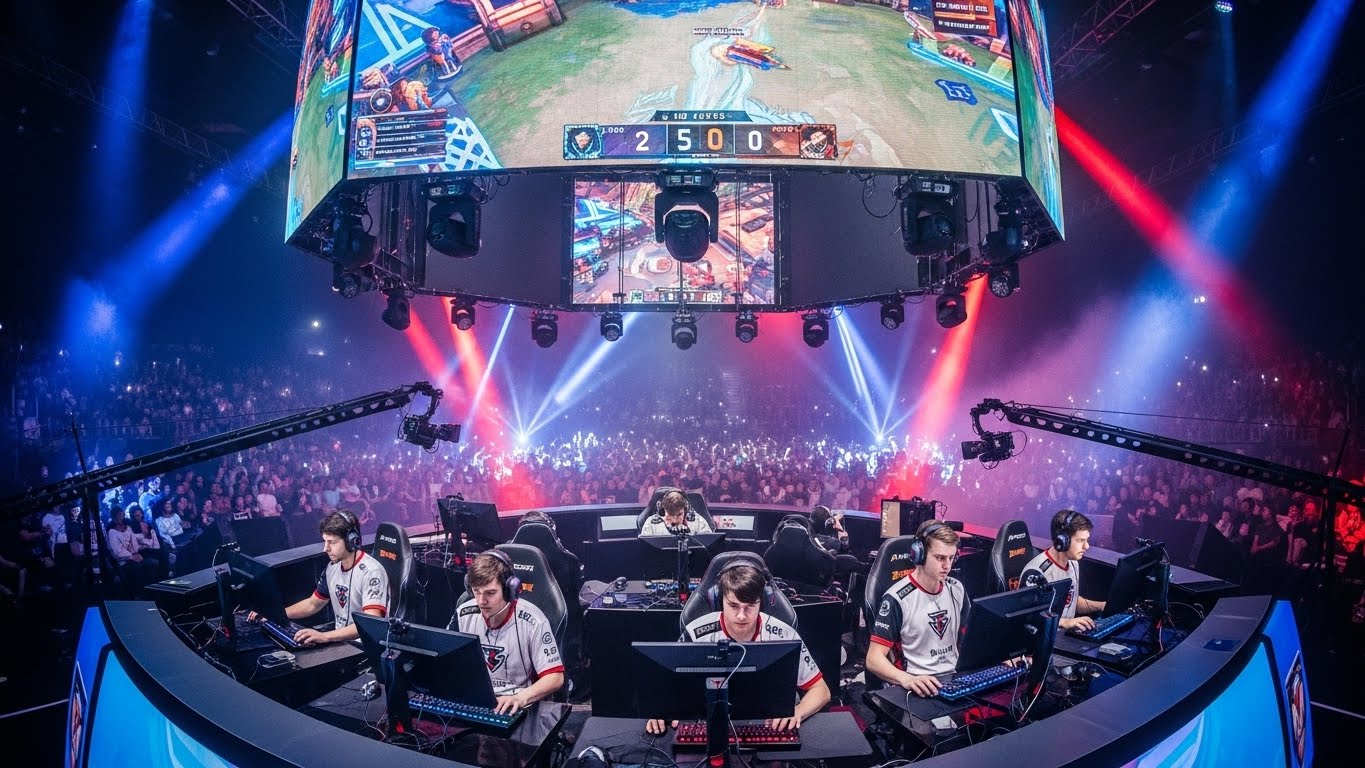
Watching esports has become an engaging experience for millions of fans. Spectators enjoy the excitement of live competition, strategic gameplay, and high-pressure moments. Interactive features on streaming platforms allow fans to comment, participate in polls, and engage with players in real time, creating a unique sense of community.
Tournaments are often produced with professional quality, including commentary, analysis, and cinematic presentation. Fans celebrate iconic plays, analyze strategies, and build communities around their favorite teams. Spectating esports is not passive; it is an immersive, social, and participatory form of entertainment that rivals traditional sports in engagement and intensity.
Economic Impact of Esports
Esports has become a significant economic force. Revenue streams include tournament prize money, sponsorship deals, merchandise sales, and media rights. International tournaments draw large audiences, stimulating local economies through tourism, hospitality, and event organization.
The industry also creates employment opportunities beyond professional play. Coaches, analysts, event managers, content creators, marketing specialists, and commentators contribute to the esports ecosystem. This economic growth underscores esports’ legitimacy as a thriving global industry with both direct and indirect benefits.
Cultural Influence of Esports
Esports is more than competition; it has become a cultural phenomenon. It has inspired fan communities, fashion trends, digital media, and content creation. Players and teams are celebrated as icons, influencing music, art, and lifestyle choices. Cosplay, fan art, and online communities create spaces for creative expression and shared identity.
The cultural impact extends to education and social awareness. Schools and universities offer esports scholarships and programs, while grassroots initiatives promote diversity, inclusion, and access to gaming for all. Esports reflects contemporary culture, combining technology, entertainment, and social interaction in a unique and influential way.
Education and Career Opportunities in Esports
Esports has created new educational and career pathways. Academic institutions now provide degrees and programs in esports management, game design, and digital media. Scholarships for talented players encourage participation and skill development, making esports a legitimate field of study.
Career opportunities extend beyond competitive play. Coaches, analysts, event organizers, content creators, marketers, and journalists all have roles in the esports ecosystem. The industry nurtures talent, fosters creativity, and provides professional growth opportunities, proving that esports is not just entertainment—it is a multifaceted career option.
Challenges Facing Esports
Despite its growth, esports faces challenges. Player burnout, mental health issues, and the stress of constant competition are significant concerns. Long hours of training and the pressure to perform can impact physical and mental well-being, making support systems essential.
Maintaining fair play, regulating cheating, and ensuring ethical competition are also ongoing challenges. Organizations must create standards and frameworks to preserve integrity and credibility in esports. Addressing these challenges is crucial for sustaining the industry’s growth and protecting players and fans.
The Future of Esports
The future of esports is full of promise. Virtual reality, augmented reality, and artificial intelligence will continue to enhance gameplay, training, and spectator experiences. Cloud gaming may make high-level competition accessible to anyone with an internet connection, further democratizing participation.
Esports will likely continue blending with traditional sports, entertainment, and digital media, creating hybrid experiences that attract even broader audiences. Grassroots initiatives, inclusive programs, and educational opportunities will ensure that esports remains a pathway for skill development, social engagement, and professional growth.
Conclusion: Esports as a Transformative Force
Esports is more than a game; it is a transformative cultural, social, and economic phenomenon. It redefines competition, challenges traditional notions of sports, and builds communities around shared passion. Esports develops skills, fosters teamwork, and inspires creativity, offering opportunities for personal and professional growth.
As the industry matures, esports will continue to innovate, entertain, and connect people across the globe. It demonstrates that skill, strategy, and collaboration can thrive in digital arenas, creating experiences as compelling and impactful as any traditional sport. Esports represents the future of competitive entertainment, offering excitement, engagement, and opportunity for generations to come.