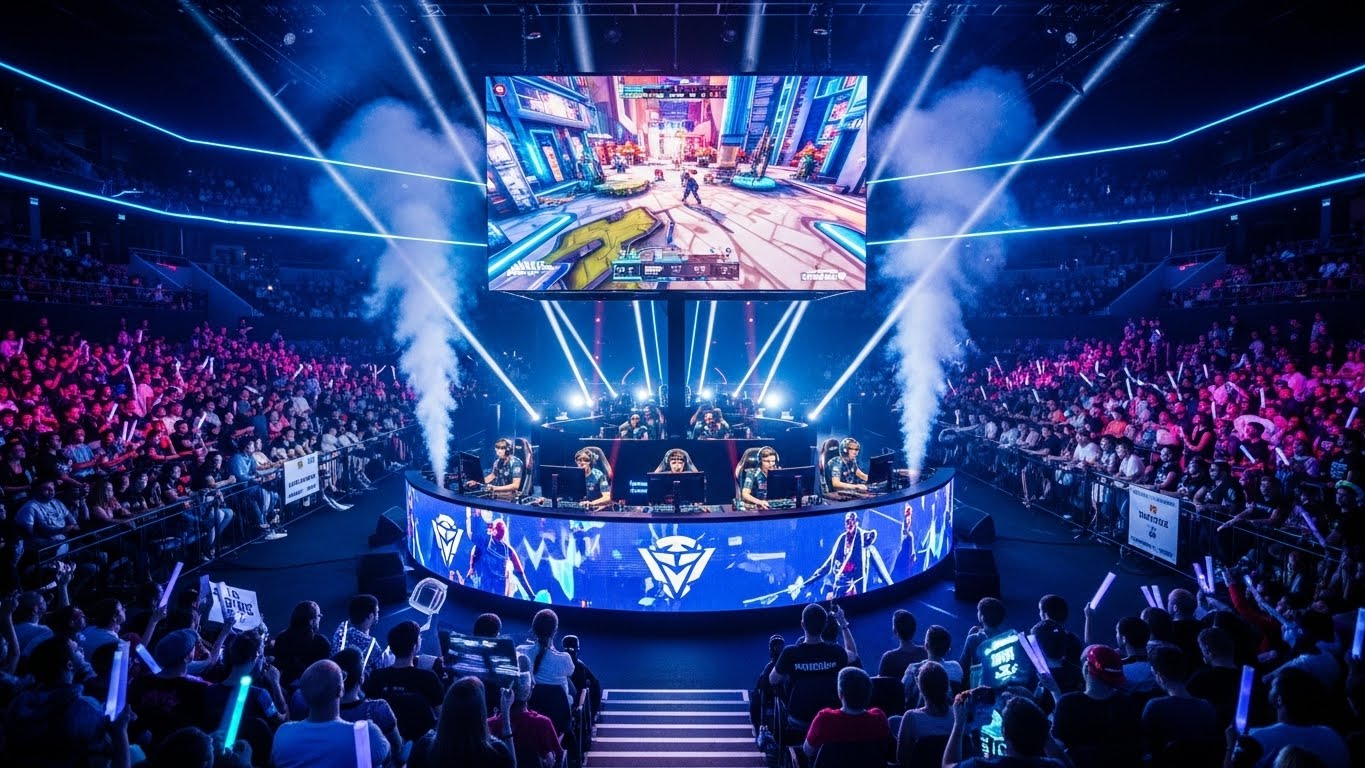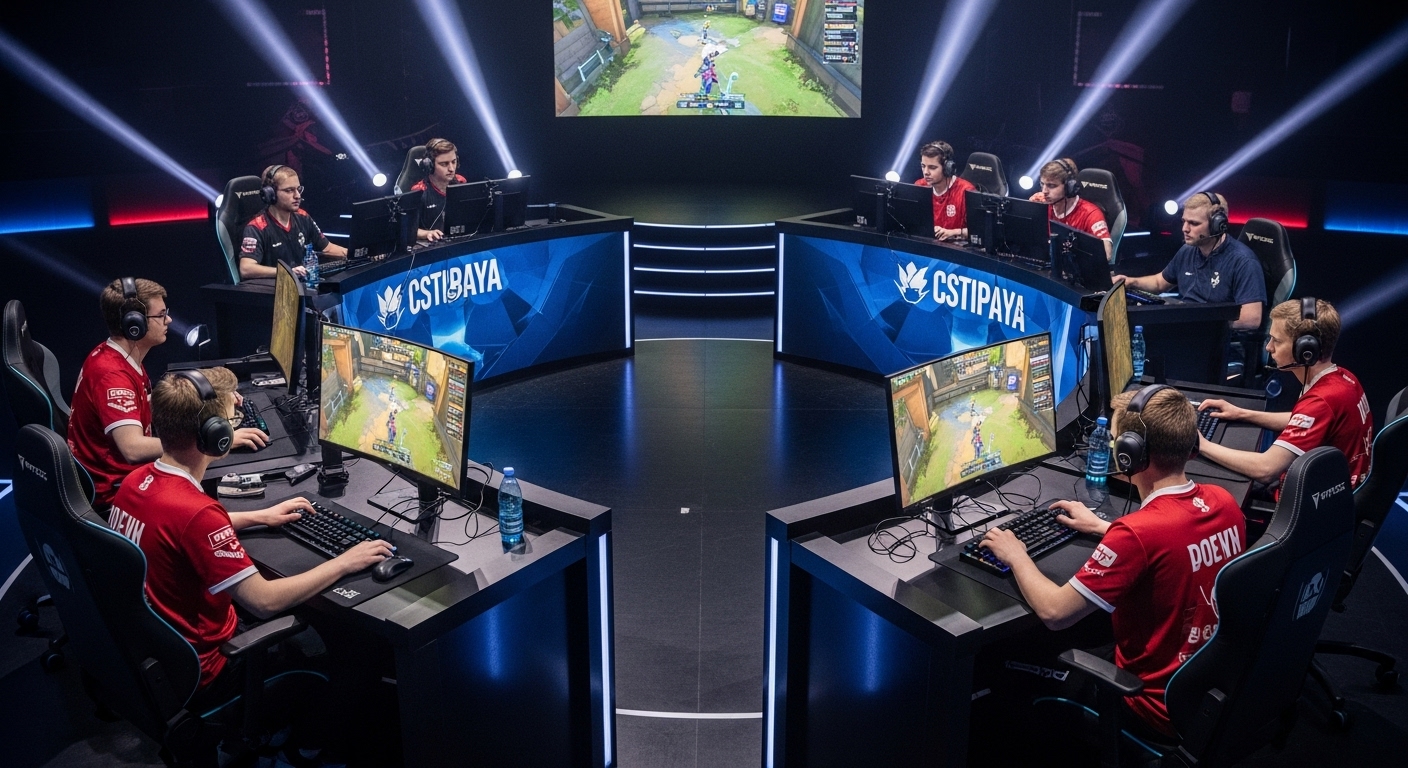
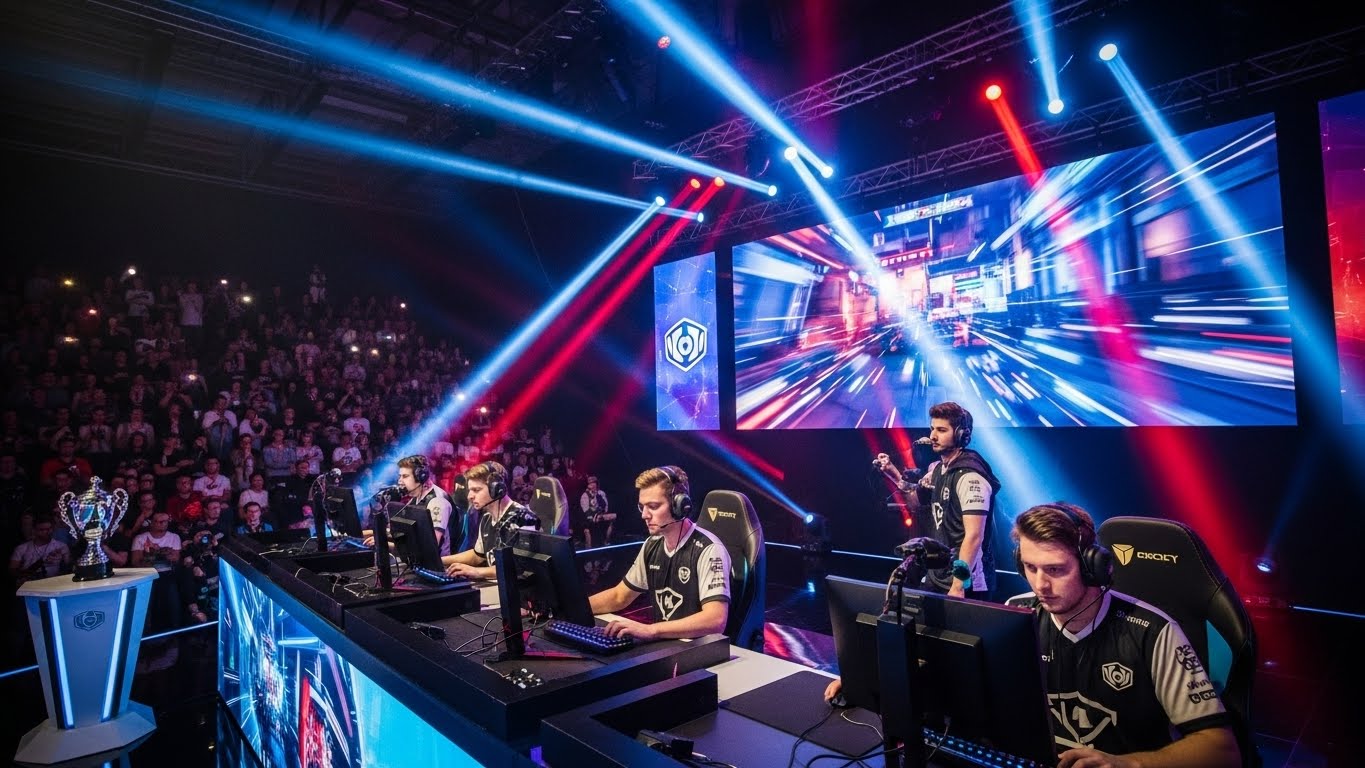
The world of competitive gaming, known as esports, has transformed the landscape of entertainment, sports, and technology. What began as casual gaming competitions has evolved into a global phenomenon, drawing millions of viewers, professional players, and significant economic investment. Esports is no longer just a hobby; it is a thriving industry, a career pathway, and a cultural force redefining competition in the digital age. This blog explores the rise of esports, its impact on players and society, and its future potential.
The Evolution of Esports
Esports has a history that stretches back decades. Early competitive gaming emerged in the 1970s and 1980s with arcade competitions and high-score challenges. Games like Pong and Space Invaders drew small but passionate communities who competed locally or through magazines that tracked scores. By the 1990s, competitive gaming had expanded with the advent of networked computers and console systems, allowing players to compete in titles like StarCraft, Quake, and Counter-Strike.
The 2000s saw esports transition into a more structured form with professional leagues, sponsorship deals, and online streaming platforms. Tournaments like the World Cyber Games and Major League Gaming showcased elite players and established esports as a legitimate competitive arena. Today, esports includes global tournaments for games such as League of Legends, Dota 2, Call of Duty, Fortnite, and Valorant, attracting millions of live viewers and offering multi-million dollar prize pools.
The Global Esports Industry
Esports is no longer confined to niche communities; it has become a multi-billion-dollar industry. Revenue streams include sponsorships, media rights, merchandise, ticket sales for live events, and in-game purchases. Countries like South Korea, China, and the United States have invested heavily in esports infrastructure, building professional arenas, training facilities, and academies for aspiring players.
Professional esports teams operate similarly to traditional sports franchises. They recruit players, provide coaching, nutrition plans, and even psychological support to maximize performance. Organizations often participate in multiple games, expanding their influence across different competitive communities. The rapid growth of esports has led to its recognition as a legitimate sport in many regions, offering career opportunities for players, commentators, analysts, and event organizers.
The Appeal of Esports
The popularity of esports stems from several factors. First, it is highly accessible. Unlike traditional sports that require physical strength or specialized facilities, esports can be played by anyone with a computer, console, or mobile device. This accessibility has democratized competition, allowing talent to emerge from diverse backgrounds and regions.
Second, esports offers a unique blend of strategy, reflexes, and teamwork. Games require mental agility, quick decision-making, and coordinated team play. Spectators enjoy the intensity, unpredictability, and skill displayed in high-level matches. The rise of streaming platforms and social media has further amplified engagement, allowing fans to watch live matches, follow players, and participate in discussions.
Mental and Cognitive Benefits
While esports is often criticized for sedentary behavior, it offers numerous cognitive and mental benefits. Competitive gaming improves hand-eye coordination, multitasking abilities, and strategic thinking. Players often analyze complex scenarios, anticipate opponents’ moves, and make split-second decisions, honing mental sharpness in ways that extend beyond the gaming environment.
Esports also fosters problem-solving and adaptability. Games frequently evolve through updates and patches, requiring players to adjust strategies and learn new mechanics. This continuous learning environment promotes mental flexibility, perseverance, and goal-setting skills. For younger players, esports can serve as a platform for personal growth, teamwork, and leadership development.
Social Connection and Community
Esports thrives on community and social interaction. Online multiplayer games connect players across continents, forming friendships and collaborative networks. Professional teams and fan communities create a sense of belonging, where individuals share a common passion and celebrate achievements collectively.
Events like international tournaments foster cultural exchange, bringing together players and fans from diverse backgrounds. Esports also enables inclusivity, providing opportunities for individuals who may face barriers in traditional sports due to physical limitations or social constraints. Digital platforms allow communities to flourish without geographic limitations, making esports a truly global social phenomenon.
The Career Path in Esports
The esports ecosystem offers a variety of career opportunities beyond playing professionally. Top-tier players can earn substantial incomes through salaries, sponsorships, streaming, and tournament winnings. However, the industry also relies on coaches, analysts, commentators, event organizers, and content creators.
Coaches focus on strategy, team coordination, and mental preparation, while analysts study opponents, data trends, and gameplay mechanics. Commentators and streamers bring matches to life for fans, providing entertainment and insights. Event organizers handle logistics, marketing, and broadcast coordination for tournaments. With the growth of esports, educational programs and academies have emerged to train individuals for these specialized roles, creating a sustainable career pipeline.
Challenges and Criticisms
Despite its growth, esports faces significant challenges. One major concern is the physical and mental strain on professional players. Long hours of practice, irregular sleep patterns, and the pressure to perform at high levels can lead to burnout, eye strain, and repetitive strain injuries. Organizations are increasingly emphasizing player wellness, incorporating exercise, nutrition, and psychological support into training regimens.
Another challenge is public perception. Critics often dismiss esports as “just gaming,” overlooking the skill, strategy, and discipline required at professional levels. Addressing misconceptions is essential for broader recognition and acceptance of esports as a legitimate competitive activity.
Integrity is another area of concern. Cheating, hacking, and match-fixing threaten fair competition and undermine trust in the ecosystem. Regulatory frameworks and anti-cheating measures are vital to maintaining credibility and professionalism in esports.
Technology and Innovation in Esports
Esports is at the forefront of technological innovation. Streaming platforms allow real-time broadcasting to millions of viewers, while advanced analytics provide insights into player performance and audience engagement. Virtual reality and augmented reality are beginning to influence competitive formats, offering immersive experiences for both players and fans.
Artificial intelligence is also playing a role in training and analysis. AI tools can simulate opponents, predict strategies, and optimize gameplay, helping players refine their skills. The integration of technology continues to push the boundaries of what esports can achieve, making it an evolving and dynamic industry.
Esports and Education
Esports is increasingly being integrated into educational settings. Schools and universities offer esports programs, scholarships, and competitive teams, recognizing the value of gaming in skill development. These programs teach teamwork, communication, leadership, and strategic thinking—skills that are transferable to professional and personal life.
Collegiate esports competitions provide a structured pathway for players to pursue professional careers while obtaining an education. Academic institutions are also exploring research opportunities in esports, studying its impact on psychology, technology, and business. By combining education and competition, esports is creating new avenues for personal growth and professional development.
The Future of Esports
The future of esports is promising and dynamic. As technology evolves, the industry will continue to expand, incorporating new game genres, platforms, and global audiences. Esports will likely gain further mainstream recognition, bridging the gap between traditional sports and digital competition.
Sustainability and inclusivity will be key priorities. Efforts to make esports accessible to individuals with disabilities, promote gender equality, and reduce environmental impact are growing. Virtual events and digital platforms offer innovative ways to engage fans while minimizing resource consumption, reflecting the changing values of the global community.
The industry is also expected to foster hybrid forms of entertainment, blending esports with virtual reality, interactive storytelling, and live streaming experiences. This convergence of technology, media, and competition will redefine how audiences engage with digital content and create entirely new forms of interactive entertainment.
Esports as a Cultural Phenomenon
Esports is not just a competitive activity; it is a cultural movement. It influences music, fashion, social media trends, and even mainstream entertainment. Esports celebrities have large followings, impacting culture in ways similar to traditional athletes and movie stars. Merchandising, fan art, and community-driven events further embed esports into popular culture.
The rise of esports has also challenged societal norms about what constitutes “sports” and “athleticism.” It has demonstrated that skill, strategy, and dedication are not limited to physical activity alone, expanding the definition of competition in the 21st century.
Conclusion
Esports represents a convergence of technology, competition, and culture, redefining the way people engage with games and sports. From its humble beginnings in arcade competitions to global professional leagues, esports has become a multi-billion-dollar industry and a legitimate career path. It fosters cognitive development, social connection, and cultural exchange, while offering opportunities for innovation, entertainment, and personal growth.
Despite challenges such as physical strain, public perception, and integrity issues, esports continues to thrive and evolve. Its accessibility, diversity, and technological integration make it a unique platform that connects millions of people worldwide. As esports grows, it will continue to shape society, inspire new generations, and redefine what it means to compete in the digital era.
Whether you are a player, a fan, or someone curious about the phenomenon, esports offers an exciting and transformative experience that extends far beyond the screen. It is not just a game; it is a digital arena where skill, strategy, and passion come together to create a truly global stage.