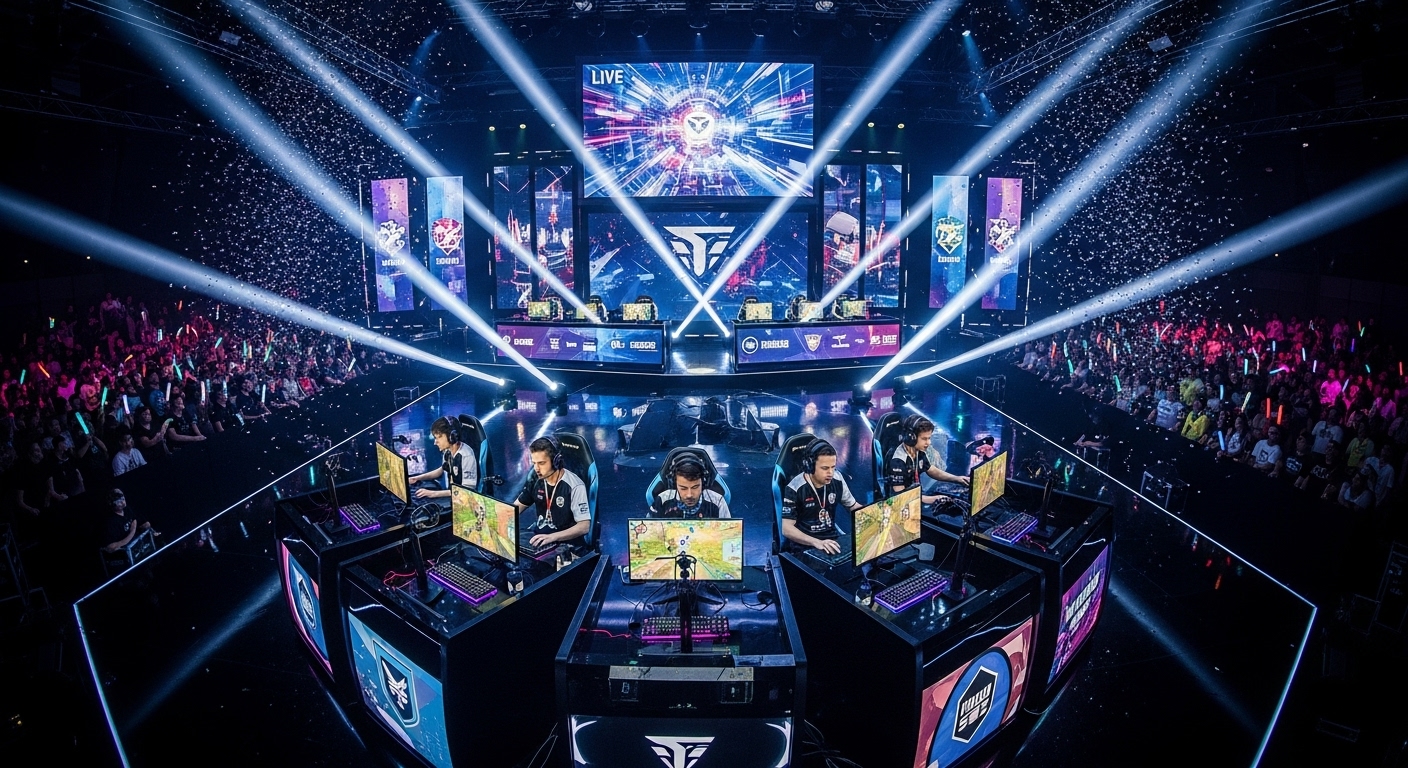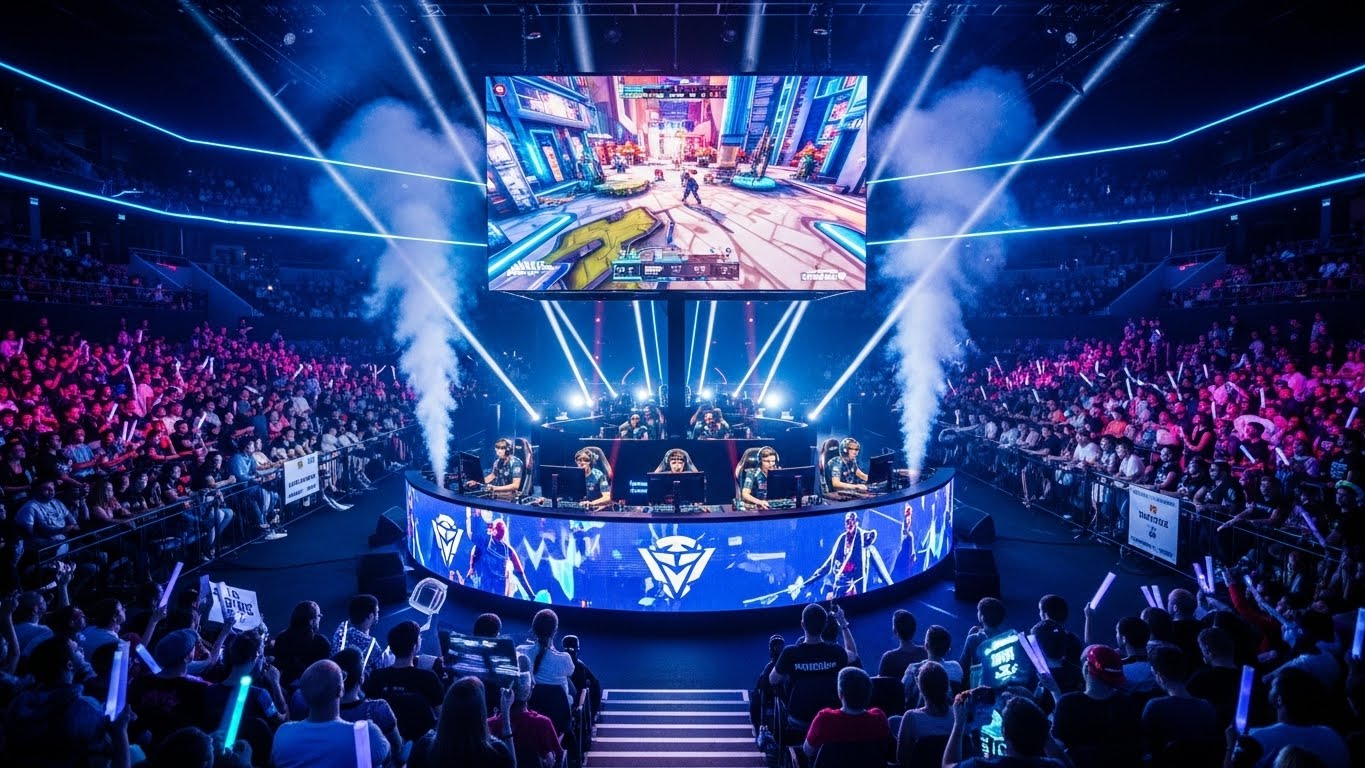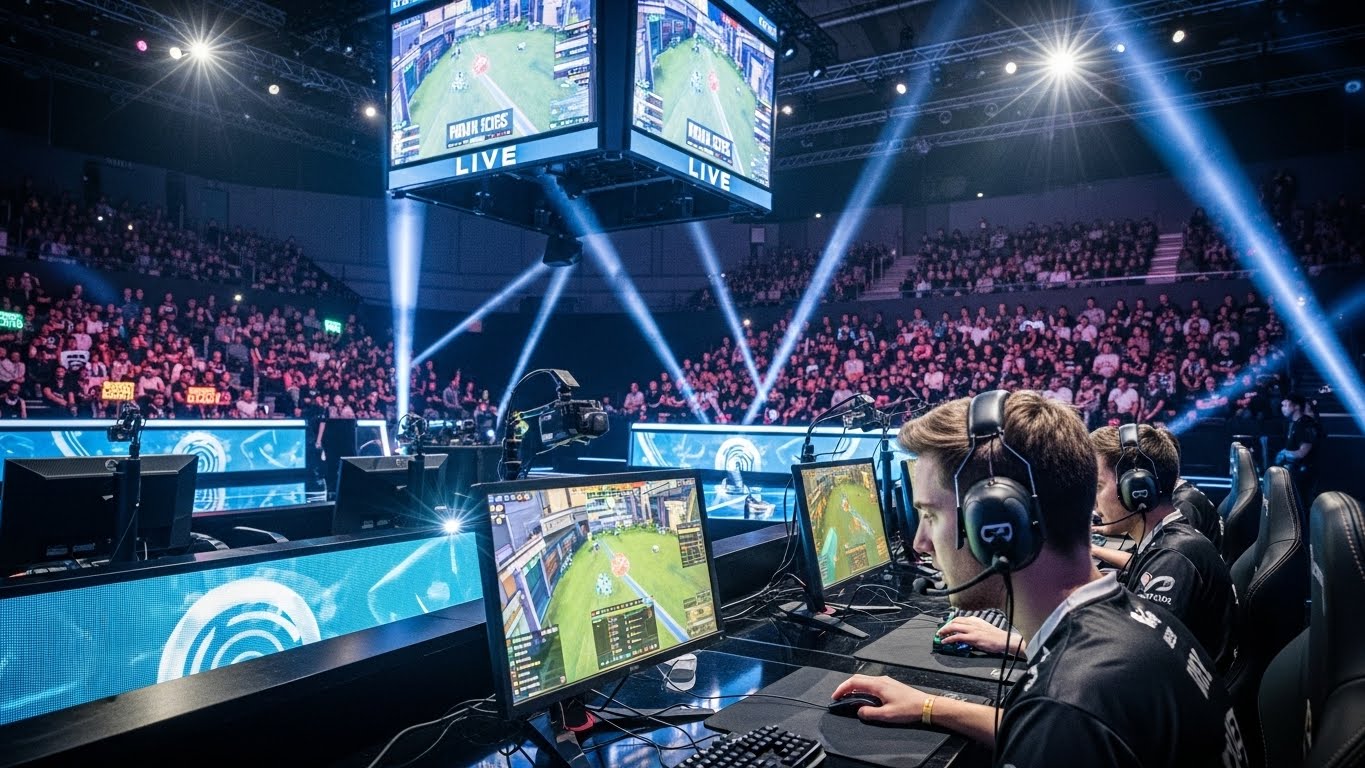
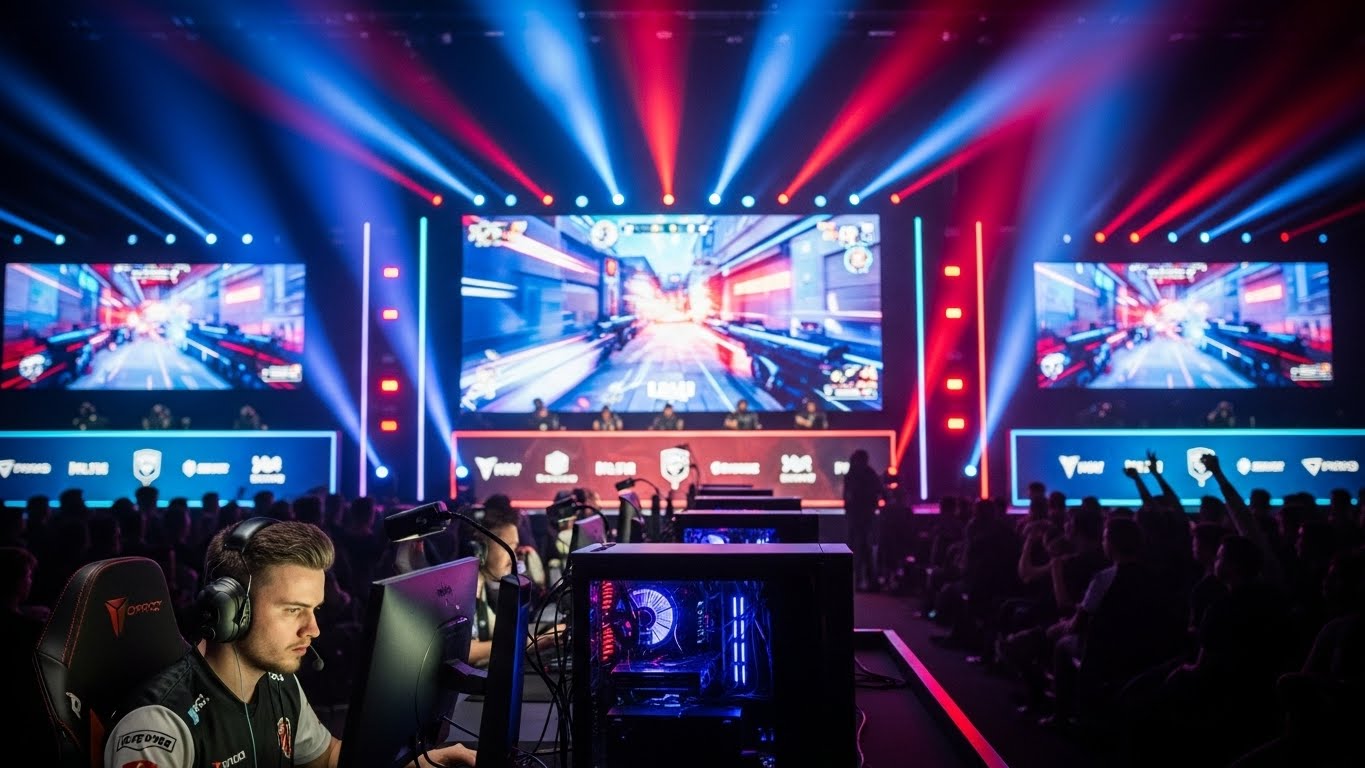
Esports, or competitive gaming, has evolved from a niche pastime into a global phenomenon that rivals traditional sports in viewership, revenue, and cultural impact. What was once casual gameplay among friends has become a professional industry with organized tournaments, professional teams, coaches, and millions of passionate fans worldwide. The rise of esports reflects not only technological advancements but also the changing ways people socialize, compete, and consume entertainment. This blog explores the history, growth, cultural influence, psychological and social benefits, economic impact, challenges, and the future of esports.
The Origins of Esports
The roots of esports trace back to the late 20th century when arcade games, home consoles, and personal computers began gaining popularity. Early competitions emerged in the 1970s and 1980s, featuring games such as Space Invaders, Pac-Man, and Donkey Kong. These events were modest in scale but demonstrated a growing interest in competitive gameplay.
The 1990s marked a turning point as multiplayer games like Street Fighter, StarCraft, and Doom introduced the concept of organized tournaments with rankings and prizes. The advent of the internet further expanded esports, enabling players to compete online across countries and continents. Communities of players and fans began forming, creating the foundation for the professional esports ecosystem we see today.
The Evolution of Competitive Gaming
Esports has grown into a highly structured industry with international leagues, professional players, sponsorships, and broadcasting deals. Titles such as League of Legends, Dota 2, Counter-Strike: Global Offensive, Fortnite, and Call of Duty dominate competitive gaming. Each game demands a unique combination of strategy, reflexes, teamwork, and mental agility, drawing players who dedicate hours of practice to master their skills.
Professional esports teams function similarly to traditional sports franchises. They employ coaches, analysts, and support staff to optimize performance, and players follow strict training schedules that include physical fitness, strategic study, and mental conditioning. Major tournaments now offer prize pools worth millions of dollars, demonstrating the financial and professional viability of competitive gaming.
Esports as a Cultural Phenomenon
Esports has evolved into a significant cultural movement, influencing entertainment, social interaction, and digital lifestyle. Live streaming platforms allow millions of fans to watch tournaments in real time, cheering for favorite teams and players. Popular streamers and esports personalities have become influential figures, shaping gaming trends, culture, and fan communities.
The appeal of esports goes beyond gameplay. Fans create content, discuss strategies, and follow team rivalries, forming a digital culture that spans the globe. Unlike traditional sports, esports communities emphasize inclusivity, connecting people across age groups, genders, and geographies through shared passion and interaction.
The Psychological Benefits of Esports
Participating in esports provides numerous cognitive and emotional benefits. Competitive gaming enhances problem-solving skills, quick decision-making, multitasking, and strategic thinking. Players constantly adapt to dynamic scenarios, anticipate opponents’ moves, and execute precise actions under pressure. These skills are transferable to education, work, and other aspects of life.
Esports also fosters resilience and emotional intelligence. Players face victories and defeats, learning to manage stress, maintain focus, and persevere in the face of challenges. Team-based games encourage communication, collaboration, and empathy, as players must coordinate strategies and work toward shared goals. Additionally, esports offers an outlet for relaxation, self-expression, and personal achievement, improving overall well-being.
Social and Community Aspects of Esports
Community engagement is at the heart of esports. Online platforms, forums, and streaming services connect players and fans worldwide, creating spaces for social interaction and collaboration. Whether participating in a competitive team, joining an online league, or following international tournaments, individuals find a sense of belonging and shared purpose.
Esports offers accessibility unmatched by many traditional sports. Players of varying physical abilities can compete on an even playing field, and digital connectivity allows people from different regions to interact seamlessly. Communities emphasize mentorship, teamwork, and fan engagement, providing both social and emotional support in a global, interconnected environment.
The Economic Impact of Esports
The economic growth of esports is remarkable. Revenue is generated through tournament prize pools, sponsorships, merchandise, advertising, and broadcasting rights. Professional teams operate like traditional sports franchises, managing players, marketing, and fan engagement.
Corporate sponsorships, ranging from technology companies to consumer brands, demonstrate mainstream recognition and commercial potential. Esports also fuels related industries such as streaming platforms, gaming hardware, and event management. The financial impact extends to tourism and infrastructure as major tournaments attract international audiences and boost local economies.
Challenges Facing Esports
Despite its popularity, esports faces significant challenges. The mental and physical demands of competitive gaming can lead to burnout, repetitive strain injuries, and psychological stress. Maintaining a balanced lifestyle, including physical exercise, mental health care, and social interaction, is crucial for sustaining careers.
Regulation and standardization are also ongoing concerns. Rapid industry growth has outpaced formal governance, leading to disparities in tournament rules, contracts, and player rights. Ensuring fair play, combating cheating or hacking, and promoting ethical behavior are essential for maintaining credibility. Online harassment and toxicity are additional challenges, requiring community moderation and cultural awareness.
Technology and Innovation in Esports
Technology drives esports innovation. High-performance computers, gaming consoles, and peripherals allow players to perform at elite levels, while streaming platforms connect millions of fans in real time. Artificial intelligence and analytics enhance team strategy, player performance, and tournament organization.
Virtual reality and augmented reality represent the next frontier, promising immersive gameplay experiences that blend physical and digital environments. Cloud gaming and mobile esports are expanding access, allowing players to compete globally without expensive hardware or traditional gaming setups. Technology ensures that esports remains dynamic, engaging, and continually evolving.
Esports as a Career and Lifestyle
Professional esports offers diverse career opportunities beyond playing competitively. Players, coaches, analysts, content creators, event organizers, and broadcasters all contribute to the ecosystem. Success requires dedication, strategic thinking, teamwork, and adaptability, as well as a balance between training, physical health, and mental well-being.
Esports lifestyle considerations differ from traditional sports. Travel for tournaments, extensive screen time, and continuous skill adaptation demand discipline and self-care. Players who manage these aspects effectively enjoy long-term career prospects, financial stability, and personal growth.
The Future of Esports
The future of esports is bright and multifaceted. Emerging technologies like virtual reality, augmented reality, and artificial intelligence will redefine gameplay and viewing experiences. Mobile esports is expanding rapidly, enabling participation from new regions and demographics. Educational programs, scholarships, and school leagues further legitimize esports as both an academic and professional pursuit.
Inclusivity and diversity initiatives are gaining traction, ensuring broader access for underrepresented groups. The industry is also prioritizing sustainability, with eco-friendly event practices and digital innovation reducing environmental impact. As esports continues to evolve, it will shape entertainment, social interaction, and digital culture in unprecedented ways.
Conclusion: The Lasting Impact of Esports
Esports represents a transformative shift in how people compete, socialize, and engage with entertainment. Beyond the games themselves, esports develops cognitive and social skills, creates global communities, drives economic growth, and inspires a new generation of players and fans.
As technology advances and accessibility increases, esports will continue to redefine competitive entertainment. Its unique combination of strategy, skill, and spectacle has made it a cultural and professional powerhouse. The rise of esports demonstrates that passion, innovation, and digital connectivity can create a world where competition, creativity, and community thrive together.