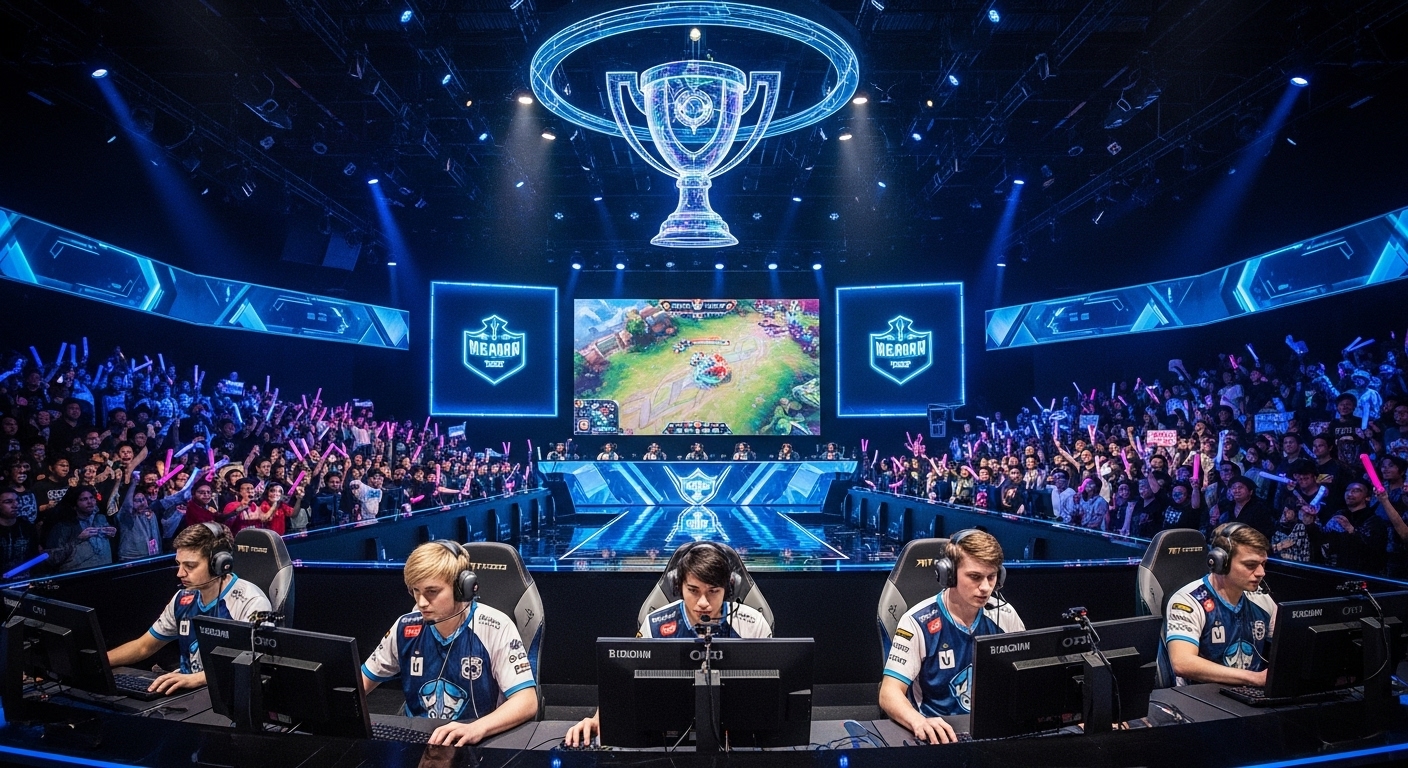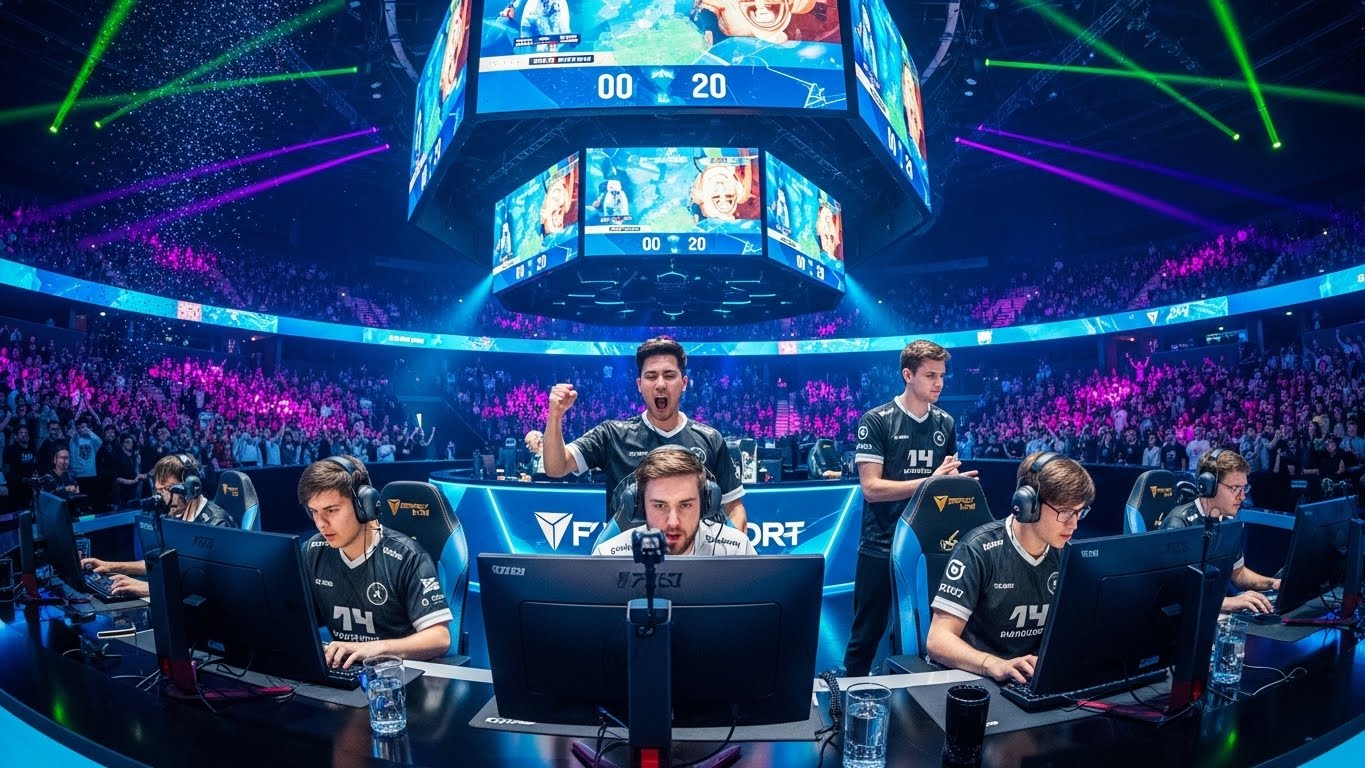

Esports, short for electronic sports, has evolved from a niche hobby into a global phenomenon that captivates millions of fans and players worldwide. What once began as casual video game tournaments among friends has now transformed into a professional industry worth billions of dollars. This digital revolution has redefined the concept of competition, community, and entertainment. In this blog, we explore the rise of esports, its impact on society, the economic potential, and what the future holds for this dynamic industry.
The Rise of Esports
Esports traces its roots back to the early 1970s when competitive gaming first emerged. The earliest known video game competition occurred in 1972 at Stanford University, featuring the game Spacewar. From these humble beginnings, the concept of gaming as a competitive sport gradually gained traction. The 1980s saw the growth of arcade competitions and gaming magazines that documented scores and high achievers. However, it was not until the 1990s and the advent of the internet that esports began to take shape as a global community. Online multiplayer games like Quake, StarCraft, and Counter-Strike allowed players from different regions to compete in real-time, creating the foundation for the esports industry.
The 21st century marked a turning point for esports. With faster internet speeds and advanced streaming technology, platforms emerged where players could showcase their skills to a global audience. Twitch, YouTube Gaming, and similar platforms became digital arenas where professional gamers could connect with fans. Large tournaments, such as The International for Dota 2 and the League of Legends World Championship, now draw millions of viewers, rivaling traditional sports events in scale and excitement.
Understanding Esports: More Than Just Games
At its core, esports is competitive gaming, but it encompasses much more than casual play. Professional esports athletes train rigorously, sometimes exceeding eight hours a day, to master mechanics, strategies, and teamwork. These players are often supported by coaches, analysts, and performance psychologists, mirroring the structure of traditional sports teams. The dedication and skill required to compete at the highest level are immense, challenging the perception that video games are purely recreational.
Esports covers a wide variety of game genres, including real-time strategy, first-person shooters, fighting games, and sports simulations. Popular titles like League of Legends, Dota 2, Counter-Strike: Global Offensive, and Fortnite have become household names among fans. Each game has its unique set of rules, strategies, and competitive formats, creating diverse opportunities for players to specialize and excel.
The Global Esports Community
One of the most remarkable aspects of esports is its ability to bring together a global community. Unlike traditional sports, which may be limited by geography, esports allows players and fans from different continents to interact seamlessly. Online forums, social media, and live streaming platforms enable gamers to form friendships, share strategies, and celebrate victories together.
This global community is not only about competition but also about inclusivity. Esports has lowered the barriers to entry compared to traditional sports, enabling people of all ages, genders, and physical abilities to participate. While competitive gaming does require skill and dedication, it does not demand physical prowess in the same way conventional sports do, making it accessible to a broader audience.
Esports and the Economy
The esports industry has grown into a multi-billion-dollar business, attracting sponsorships, investments, and advertising deals from major corporations. Brands from technology, apparel, beverages, and even automotive sectors have recognized the immense marketing potential of esports. Sponsorship deals can be extremely lucrative for professional players, teams, and tournament organizers.
Esports tournaments now offer prize pools that rival those of traditional sports championships. For instance, The International, Dota 2’s flagship tournament, consistently features prize pools exceeding tens of millions of dollars. These earnings are not limited to players alone. Game developers, streaming platforms, event organizers, content creators, and merchandise producers all contribute to and benefit from the esports economy.
The rise of esports has also created new career paths beyond professional gaming. Roles such as shoutcasters, analysts, tournament organizers, team managers, and marketing specialists are in high demand. Universities and educational institutions have even started offering scholarships and courses in esports management, reflecting its growing legitimacy as a profession.
Technology Driving Esports
Technological advancements have been a crucial driver in esports’ rapid growth. High-speed internet, powerful gaming hardware, and sophisticated streaming platforms have made competitive gaming more accessible and immersive than ever. Innovations such as virtual reality, augmented reality, and AI-assisted training tools are opening new possibilities for the industry.
Streaming platforms deserve special mention for revolutionizing the way fans engage with esports. These platforms allow viewers to watch live matches, interact with players through chat, and access behind-the-scenes content. The interactive nature of esports streaming sets it apart from traditional sports broadcasts, creating a more personalized and engaging experience for fans.
The Cultural Impact of Esports
Esports has made a significant mark on popular culture. It has influenced fashion, music, social media trends, and even mainstream entertainment. Professional players have become celebrities, and esports tournaments are now celebrated as major cultural events. Cosplay, fan art, and community-driven content further strengthen the bond between players and fans, creating a vibrant ecosystem of creativity and engagement.
Moreover, esports has challenged traditional perceptions of sports and competition. The success of digital athletes has sparked conversations about what constitutes athleticism, skill, and dedication. By showcasing mental agility, teamwork, and strategic thinking, esports demonstrates that excellence can be achieved in both physical and virtual arenas.
Challenges Facing the Esports Industry
Despite its tremendous growth, the esports industry faces several challenges. One major concern is the lack of standardized regulation. Unlike traditional sports, which have governing bodies to enforce rules and ensure fair play, esports is still fragmented across different games, leagues, and regions. This lack of uniform oversight can lead to disputes over contracts, prize distributions, and player conduct.
Mental health is another critical issue. Professional esports players often endure intense pressure, long hours of practice, and public scrutiny. Burnout, stress, and anxiety are common, and the industry is increasingly recognizing the need for mental health support and sustainable work practices.
Finally, inclusivity and diversity remain areas for improvement. While esports is more accessible than many traditional sports, certain communities—especially women and marginalized groups—still face barriers to participation. Encouraging diversity and creating safe spaces for all gamers is crucial for the long-term growth of the industry.
The Future of Esports
The future of esports looks promising, with continued growth expected in viewership, revenue, and professional opportunities. Emerging technologies like cloud gaming, virtual reality, and artificial intelligence will further enhance the esports experience, making it more immersive and interactive. Global tournaments may become even more spectacular, combining physical venues with digital innovation to create hybrid events that captivate audiences worldwide.
Educational institutions are increasingly recognizing the value of esports. Scholarships, degree programs, and research initiatives are helping legitimize esports as a professional and academic pursuit. This institutional support will likely foster innovation, improve player development, and expand the career possibilities within the industry.
Additionally, as esports continues to intersect with mainstream entertainment, we may see collaborations with movies, music, and virtual reality experiences that push the boundaries of what competitive gaming can offer. The blending of technology, culture, and sport ensures that esports will remain a dynamic force in the digital age.
Conclusion
Esports has transformed the way we perceive competition, entertainment, and community. From its modest beginnings as a niche hobby to a billion-dollar global industry, it has proven that skill, strategy, and dedication transcend the boundaries of the digital and physical worlds. As technology advances and communities grow, esports is poised to continue reshaping the landscape of modern sports and entertainment.
The rise of esports reflects a broader cultural shift toward digital engagement, inclusivity, and innovation. Whether as a player, fan, or industry professional, being part of this evolving ecosystem offers exciting opportunities. Esports is not just a trend; it is a testament to human creativity, adaptability, and the universal desire to compete and connect. In the digital arena, the game is always evolving, and the possibilities are endless.