Introduction
Esports has become one of the most rapidly growing industries in modern entertainment, and its rise has been nothing short of extraordinary. What started as friendly competitions among gaming enthusiasts has evolved into a global arena where millions tune in to watch world-class players battle for fame, pride, and substantial prize pools. Esports has proven that competition does not always require a physical field or stadium. Instead, the digital realm has become its own battleground, where strategy, skill, and passion collide. As more people embrace gaming as a serious form of entertainment and competition, esports continues to break boundaries, redefine careers, and captivate audiences worldwide. This blog explores the full spectrum of esports, from its origins and growth to its cultural impact, career opportunities, and future potential, offering a detailed look at how digital competition has reshaped modern entertainment.
The Evolution of Competitive Gaming
To understand the massive popularity of esports today, it is essential to look back at its humble origins. Competitive gaming began long before the word esports ever existed. In the early days of gaming, players gathered around arcade machines to compete for the highest score. These early competitions were modest, yet they planted the seed for organized gaming events.
As computers and consoles advanced, multiplayer games became more sophisticated, allowing players to compete across local networks and eventually online. The rise of internet accessibility in the late 1990s marked a turning point. Games like StarCraft, Quake, and Counter-Strike created communities of highly skilled players who dedicated countless hours to mastering their craft. These players participated in tournaments that, although small by modern standards, laid the groundwork for the structured esports tournaments we know today.
The Modern Rise of Esports
The 2010s marked the decade when esports transformed from a small subculture into a global entertainment powerhouse. The introduction of online streaming, improved graphics, and competitive multiplayer game design changed everything. Games such as League of Legends, Dota 2, and Call of Duty created professional circuits with massive fan bases.
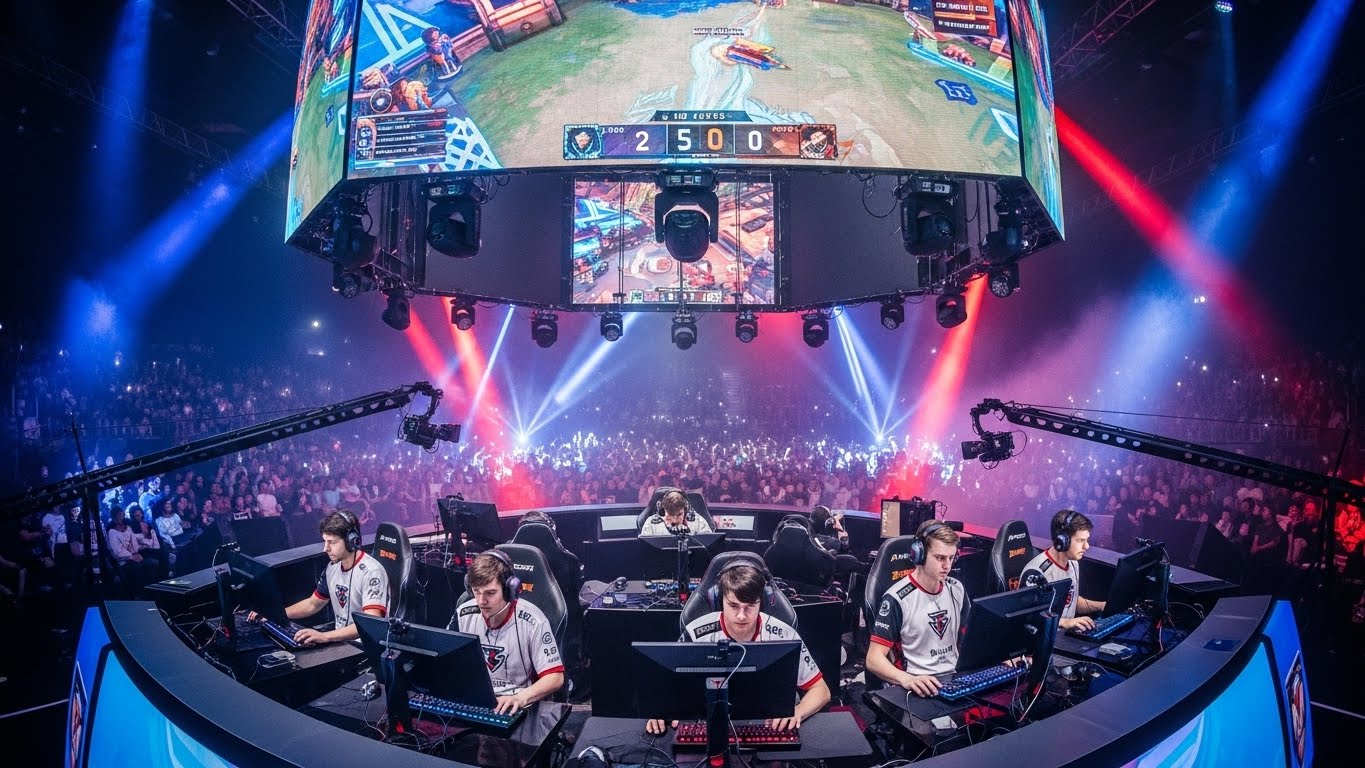
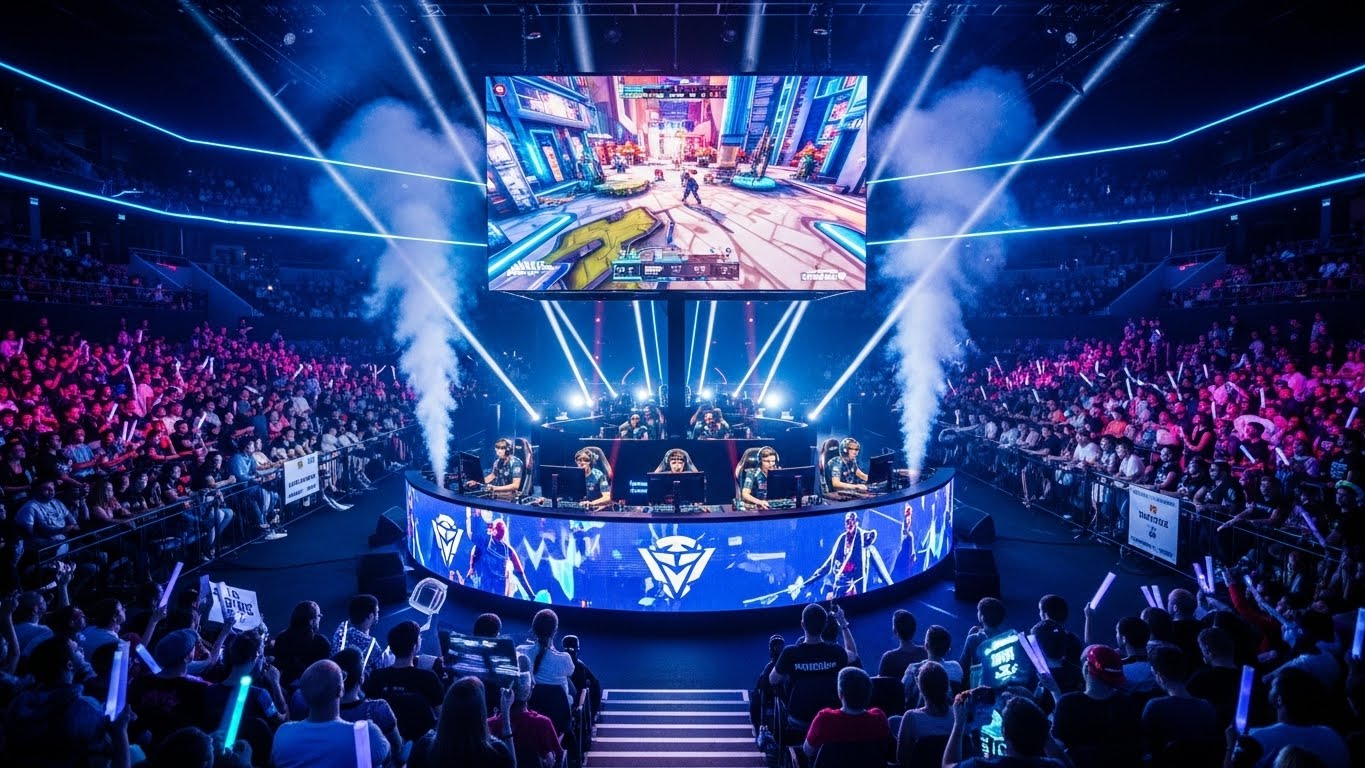
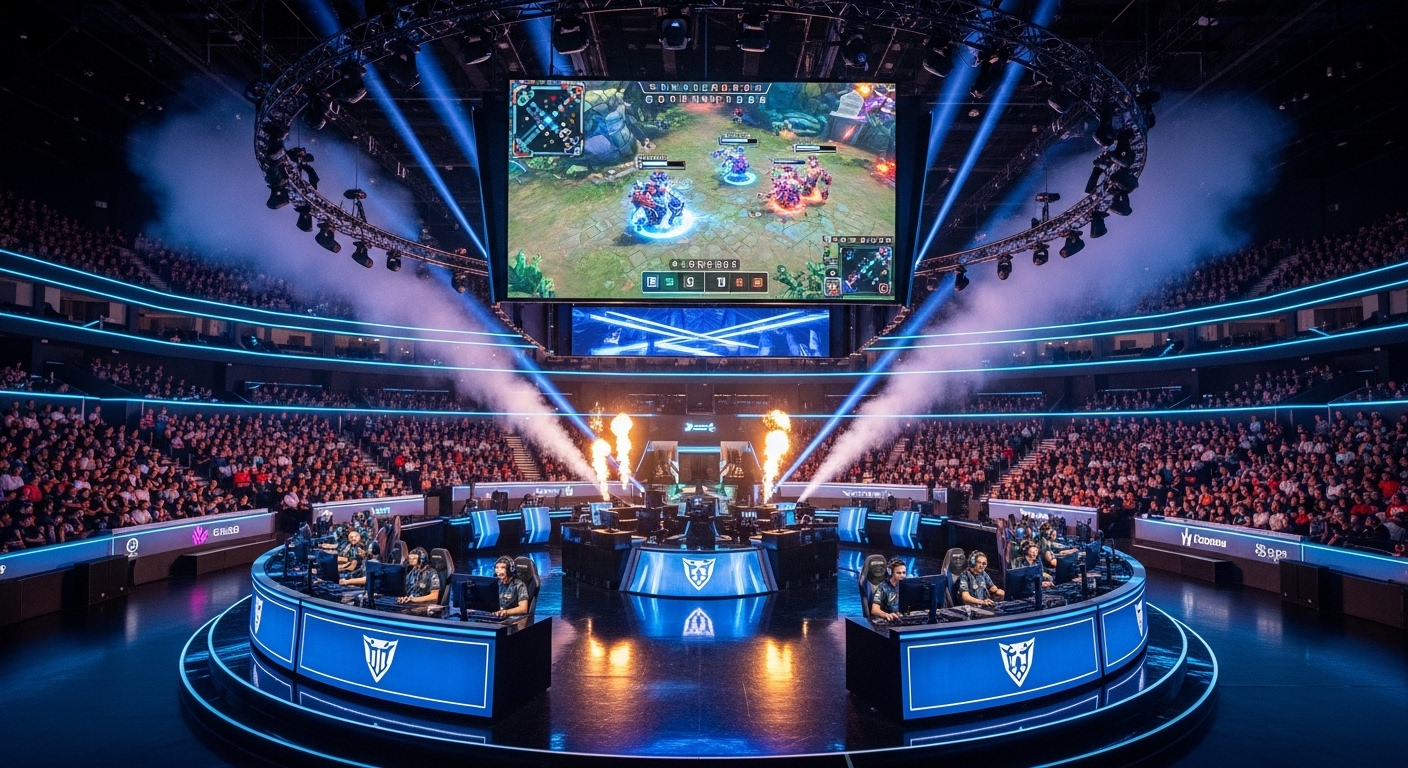
Large arenas began hosting esports finals, complete with roaring crowds, cinematic stage designs, and high-energy commentary. What once seemed unconventional quickly became mainstream. Millions of fans around the world watched these events from home, often matching the viewership of traditional sports events. This tremendous growth demonstrated that esports was more than a trend. It had become a cultural force capable of standing shoulder to shoulder with long-established sports industries.
What Makes Esports So Popular
Esports has gained widespread popularity because it appeals to a diverse audience. The digital nature of competitions makes them accessible to anyone with an internet connection. Players do not need expensive equipment or specialized training facilities. Instead, they need determination, practice, and strategic thinking.
The thrill of esports comes from its unpredictability. Every match is different, shaped by the creativity, skill, and teamwork of the players. Spectators enjoy the complexity of gameplay, the tense moments of decision-making, and the emotional highs and lows that accompany competitive battles. Fans form strong attachments to their favorite teams and players, much like supporters of traditional sports. This connection fuels a passionate global community that continues to expand every year.
Professionalism in Esports
Esports today is far from casual gaming. It has evolved into a structured, highly professional industry. Teams operate like traditional sports organizations, complete with coaches, analysts, nutritionists, and training staff. Players often sign year-long contracts and commit to rigorous practice schedules. They study gameplay strategies, analyze opponent patterns, and work on teamwork coordination.
Training environments are now highly advanced. Many esports organizations provide players with state-of-the-art training facilities, offering top-tier technology, comfortable workspaces, and wellness programs. This level of professionalism ensures that players can perform at their peak and consistently improve their competitive skills.
Streaming as a Catalyst for Growth
One of the most powerful drivers of esports growth has been the rise of live streaming. Players can broadcast their matches, interact with followers, and build online communities. This direct connection between professional players and fans creates a level of engagement rarely seen in other industries.
Streaming allows fans to witness training sessions, learn strategies, and enjoy casual games played by their favorite stars. As a result, professional gamers can earn income not only from tournaments but also through streaming, sponsorships, and content creation. Many players have turned content creation into a full-time career, blending entertainment and competition in a way that engages millions.
The Economic Impact of Esports
The financial landscape of esports is vast and continues to expand. Prize pools for major tournaments reach millions of dollars, attracting the best talent from around the world. Beyond tournaments, esports generates revenue through sponsorships, merchandise sales, team branding, advertising, event tickets, and digital content.
Major brands across multiple industries see value in esports due to its young, global audience. Technology companies, beverage brands, apparel manufacturers, and even car companies invest heavily in esports marketing. This influx of sponsorship has elevated esports to new heights and solidified its place as a major economic force.
The Cultural Influence of Esports
Esports has become more than just gaming. It has become a cultural identity for millions. Fans engage in lively discussions, follow team rivalries, and celebrate major victories with excitement and pride. Gaming slang, memes, and competitive highlights have infiltrated mainstream social media.
Esports also brings together people from different countries and backgrounds. International tournaments showcase cultural diversity, unity, and sportsmanship. These events create shared experiences and emotions that bridge language barriers and geographic distances.
The Skills Required in Esports
Being an esports athlete demands a unique set of skills. Players need exceptional reflexes, hand-eye coordination, communication abilities, and strategic planning. The mental aspects of esports are just as important as the physical ones. Players must remain calm under pressure, adapt to unexpected changes, and make split-second decisions that can determine the outcome of a match.
These skills are not limited to gaming. They translate to real-life problem-solving, teamwork, leadership, and cognitive development. These qualities help players grow both inside and outside the digital arena.
The Importance of Health in Esports
With the rise of professional gaming, health and wellness have become major topics. Long hours of practice can lead to physical strain, stress, and burnout. To address this, many esports organizations incorporate fitness programs, mental health guidance, and balanced schedules.
Physical exercise helps players maintain stamina and focus, while mental health support ensures they can handle competitive stress effectively. These improvements contribute to longer, healthier careers for esports athletes.
Esports in Education
In recent years, esports has made its way into schools and universities. Educational institutions are recognizing esports as a valuable platform for developing teamwork, leadership, critical thinking, and digital literacy. Many schools offer esports clubs, competitive teams, and scholarships for talented players.
Universities now provide academic programs focused on game design, esports management, broadcasting, and marketing, giving students the opportunity to build careers within the industry. This educational shift demonstrates the growing legitimacy and acceptance of esports across the world.
Challenges Facing Esports
Despite its growth, esports faces challenges that require attention. Issues such as burnout, inconsistent regulations, cheating, and unequal access to technology can hinder progress. Creating unified rules, improving player protection, and promoting fair competition are essential to maintaining esports integrity.
The industry must also continue addressing issues related to diversity and inclusion. Making esports welcoming and accessible for all players is crucial for long-term success.
The Future of Esports
The future of esports is filled with promise. Emerging technologies like virtual reality, augmented reality, and artificial intelligence are poised to revolutionize competitive gaming. Esports may expand into new genres, create hybrid events that merge virtual and physical elements, and attract even larger audiences.
Traditional sports organizations may deepen their involvement in esports, leading to collaborations that blend the best of both industries. As global interest continues to rise, esports will likely become a permanent feature in mainstream entertainment.
Conclusion
Esports has grown into a powerful and dynamic phenomenon that captures the excitement of competition and the creativity of digital innovation. Its influence stretches far beyond gaming, shaping culture, careers, education, and global entertainment. As the digital battleground continues to expand, esports will remain a driving force that inspires millions, breaks boundaries, and redefines the meaning of competition in the modern world.
If you’d like, I can also create a shorter version, a more dramatic version, or a beginner-