Introduction: The Birth of a Digital Phenomenon
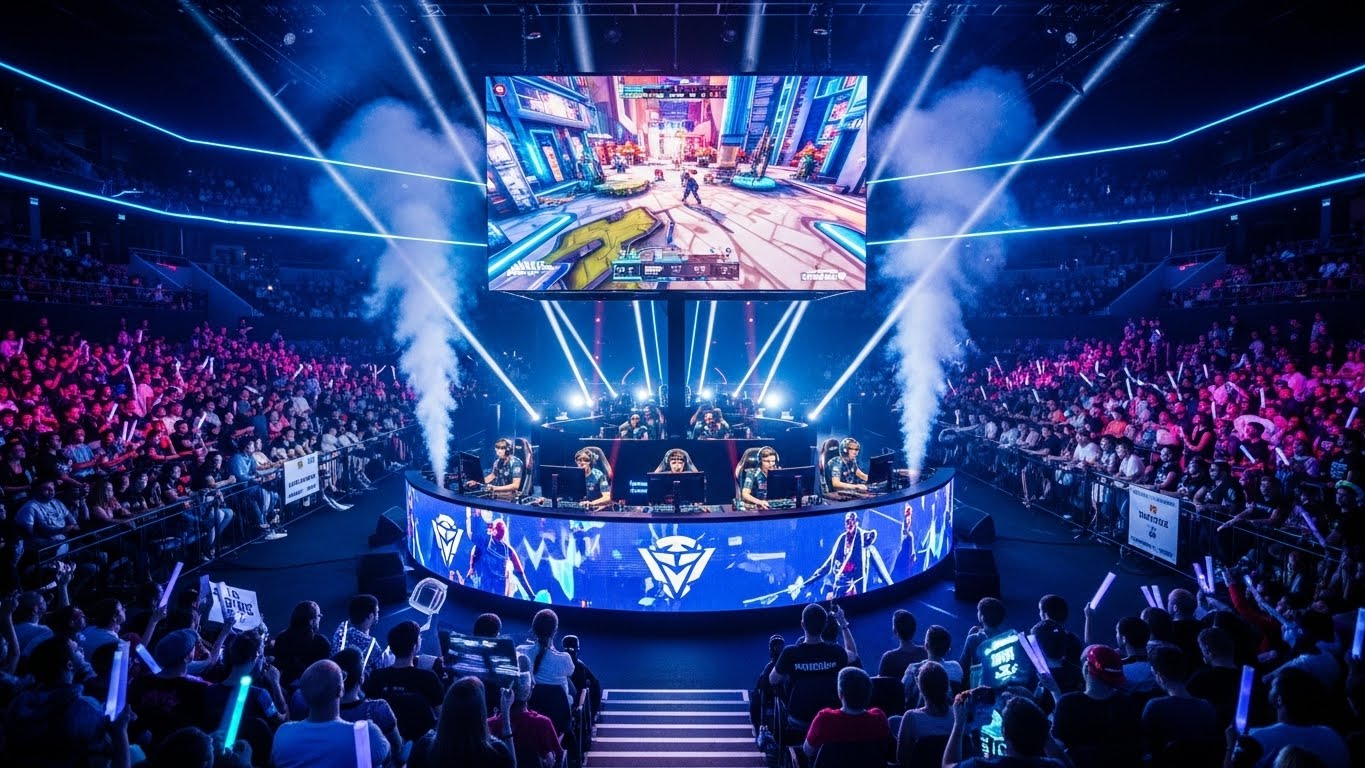
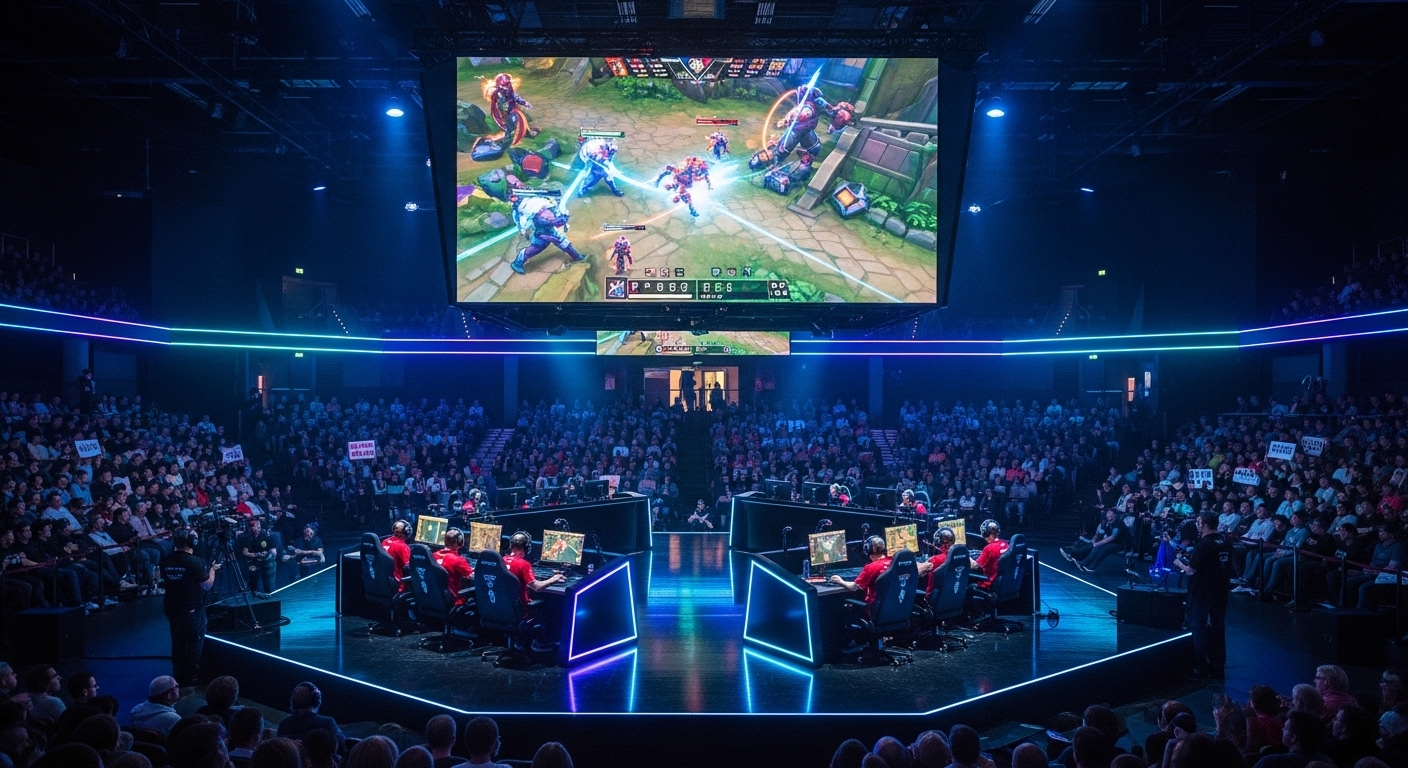
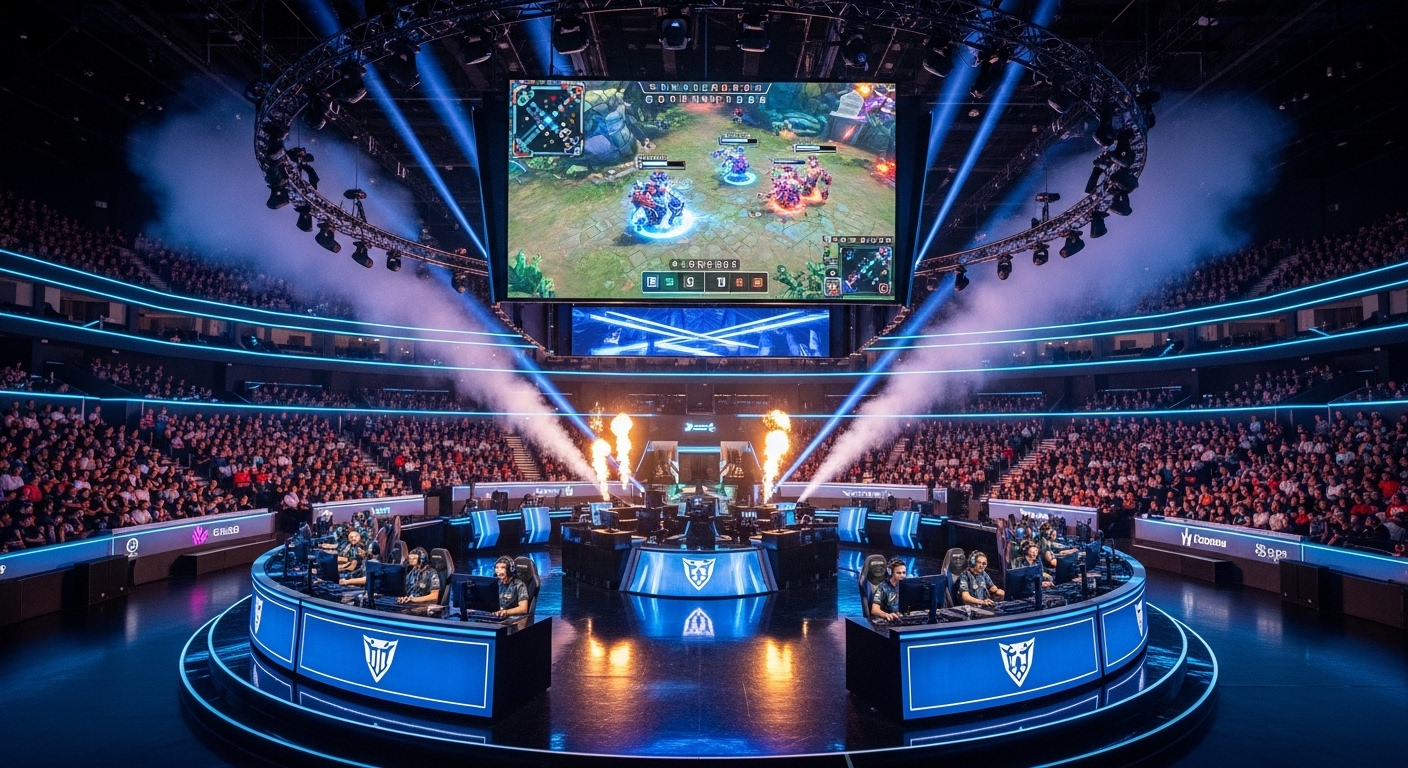
Esports, once a niche hobby known only to gaming communities, has grown into one of the world’s fastest-expanding entertainment industries. What began as informal competitions in computer labs and gaming arcades has transformed into a global spectacle with millions of fans, professional athletes, massive tournaments, and multimillion-dollar prize pools. As technology continues to evolve, esports stands at the center of a digital revolution, merging competition, creativity, and community in ways traditional sports never imagined. This blog explores how esports became a worldwide cultural force, the factors driving its growth, and what its future might hold.
The Evolution of Competitive Gaming
The origins of esports trace back to the earliest days of video gaming. In the 1970s and 80s, competitions for games like Space Invaders and Pac-Man laid the groundwork for organized digital play. However, the 1990s marked a turning point with the rise of home computers, local area networks, and early online gaming. Players could finally battle opponents from anywhere, creating the sense of a connected global arena.
By the early 2000s, games such as Counter-Strike, StarCraft, and Warcraft III inspired dedicated professional players and teams. Local tournaments began to attract sponsors, and streaming platforms were introduced, enabling fans to watch matches in real time. Esports was no longer just about playing games; it became a legitimate competitive pursuit with rules, strategies, and a rapidly growing audience.
Why Esports Grew Faster Than Traditional Sports
Esports’ explosive rise is tied to several key factors that make it uniquely appealing. One of the biggest drivers is accessibility. Unlike traditional sports, which often require specialized equipment, facilities, or physical attributes, almost anyone with a computer or console can begin playing. This accessibility widens the talent pool, attracting millions of participants, many from regions historically underrepresented in professional sports.
Another major force is technology. The internet enables instant global connection, and streaming services allow fans to watch their favorite players live. Social media has built communities where highlights, tutorials, opinions, and fan art spread instantly. Unlike traditional sports that require stadiums and physical travel, esports events can be broadcast from anywhere, reaching worldwide audiences with minimal barriers.
Finally, esports fits perfectly with today’s digital-native generation. Younger audiences spend more time online, engage deeply with interactive entertainment, and value communities built around shared interests. Esports doesn’t only provide competition; it offers identity, belonging, and a sense of participation in a global culture.
The Rise of Professional Players and Teams
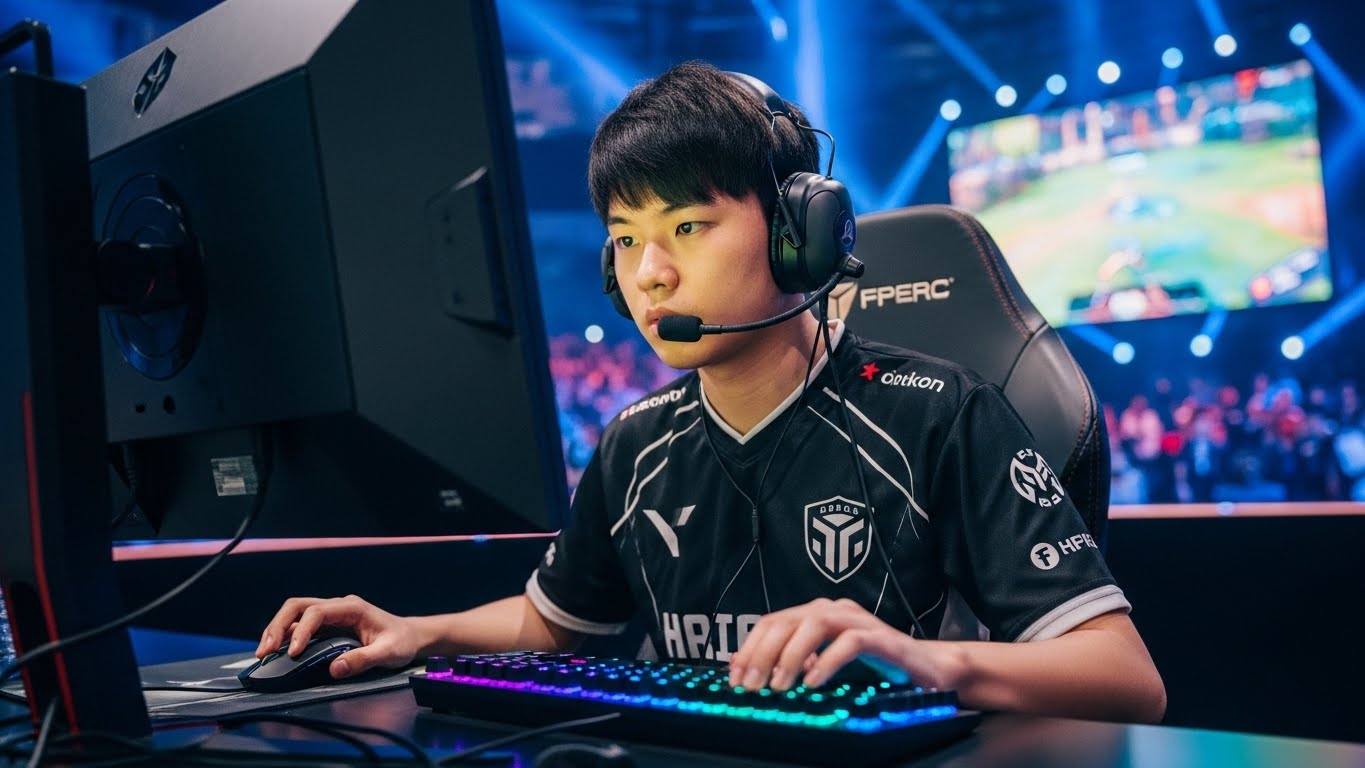
As esports matured, the rise of professional gaming organizations became inevitable. Today, teams function similarly to traditional sports clubs, complete with coaches, managers, analysts, nutrition experts, and performance psychologists. Players train for hours each day, mastering mechanics, strategies, and teamwork. Many live in dedicated training houses or facilities designed to optimize focus and communication.
What truly separates esports athletes is the speed and precision required. Games often demand rapid decision-making, near-instantaneous reflexes, and deep tactical understanding. A professional player must remain mentally sharp for long periods while maintaining coordination with teammates. The discipline required mirrors that of physical sports, proving that esports is far more than entertainment; it is a sophisticated, skill-based profession.
Iconic Esports Titles and Their Influence
Certain games have played pivotal roles in shaping the esports world. League of Legends revolutionized team-based competitions with its massive tournaments, including a world championship watched by millions every year. Dota 2 holds the record for some of the highest prize pools in esports history, funded largely by its passionate community. Counter-Strike remains a staple of tactical shooters, celebrated for its strategic depth and longevity. Games like Fortnite, Valorant, Rocket League, and Mobile Legends continue to push boundaries, appealing to younger audiences and new markets.
Each title cultivates a unique ecosystem, complete with its own culture, heroes, and storylines. The diversity of genres ensures that esports reaches a wide range of fans, from strategy enthusiasts to action lovers. This variety strengthens the entire industry by attracting different demographics and keeping the competitive scene fresh and exciting.
The Economics Behind Esports Growth
Esports has transformed into a thriving business supported by sponsorships, media rights, advertising, merchandise, and ticket sales for live events. Major brands invest heavily because esports attracts an engaged, youthful audience that consumes digital content more than traditional media.
Tournament organizers generate revenue through broadcasting partnerships, while teams earn through brand deals and fan merchandise. Some organizations have expanded into lifestyle branding, turning their logos into fashion statements. Game developers also play a major role, supporting competitive scenes to boost longevity and community interest.
Universities now offer scholarships for esports athletes, and entire academic programs revolve around esports management, broadcasting, and game design. This integration into education reflects the industry’s legitimacy and economic influence.
Community Power: The Heart of Esports
While professional players and big tournaments dominate headlines, the true strength of esports lies in its community. Fans participate through live chat, forums, social media groups, and in-game events. Content creators and streamers bridge the gap between casual and professional gaming, producing commentary, tutorials, and entertainment that sustain interest year-round.
Fan engagement is more interactive than in traditional sports. Viewers can communicate directly with players, influence content trends, and even shape the future of games through feedback. Online platforms foster a sense of shared identity, turning esports from mere games into a cultural movement.
Esports and Education: A New Pathway for Skills
Esports offers more than entertainment; it teaches valuable skills relevant to modern careers. Players develop teamwork, communication, problem-solving, and leadership abilities. Many games require strategic thinking and adaptability, while managing tournaments builds organizational and event-planning skills.
Schools and universities increasingly recognize esports as an educational tool. Esports clubs provide a structured environment for learning technical abilities like streaming, video editing, coding, and digital marketing. As digital literacy becomes essential, esports serves as a gateway for students pursuing careers in technology, media, and creative industries.
Challenges Facing the Esports Industry
Despite its growth, esports faces several challenges that need attention for sustainable development. Player burnout remains a major issue due to intense training schedules and high pressure. Mental health support is improving, but the industry must continue investing in player well-being.
Financial instability also affects smaller organizations, especially those without strong sponsors. While top teams flourish, many aspiring players struggle to secure stable income. Creating fair pay structures and long-term career pathways is essential.
Regulation presents another challenge. Esports spans multiple regions, each with different rules and standards. A unified framework is difficult to establish but necessary to ensure integrity, player safety, and competitive fairness.
The Future of Esports: Beyond the Screen
The future of esports is incredibly promising. Advances in virtual reality and augmented reality may reshape competitive gaming, creating immersive experiences that blend physical and digital play. Mobile esports is rapidly expanding, especially in regions where consoles and PCs are less accessible.
Traditional sports institutions are starting to collaborate with esports teams, recognizing the value of digital competition. Cities invest in esports arenas, and governments support tournaments to boost tourism and youth engagement.
Perhaps the most exciting aspect is how esports continues to redefine entertainment. It blurs the line between athlete and creator, viewer and participant. The industry’s innovation shows no signs of slowing down, and its impact on culture, technology, and global community will only grow stronger.
Conclusion: The New Frontier of Competition
Esports has evolved from small gaming gatherings into a global powerhouse that rivals traditional sports in viewership, cultural significance, and economic value. Its rise reflects a new era of digital connection where passion, creativity, and competition meet. What makes esports truly special is its inclusivity, its power to unite people across borders, and its ability to keep evolving with technology and community trends.
As we look ahead, esports is more than a passing trend. It is the frontier of modern competition, a celebration of digital skill, and a testament to how human creativity can turn entertainment into an international phenomenon. The world of esports is not just the future of gaming; it is the future of global culture.