Understanding Esports
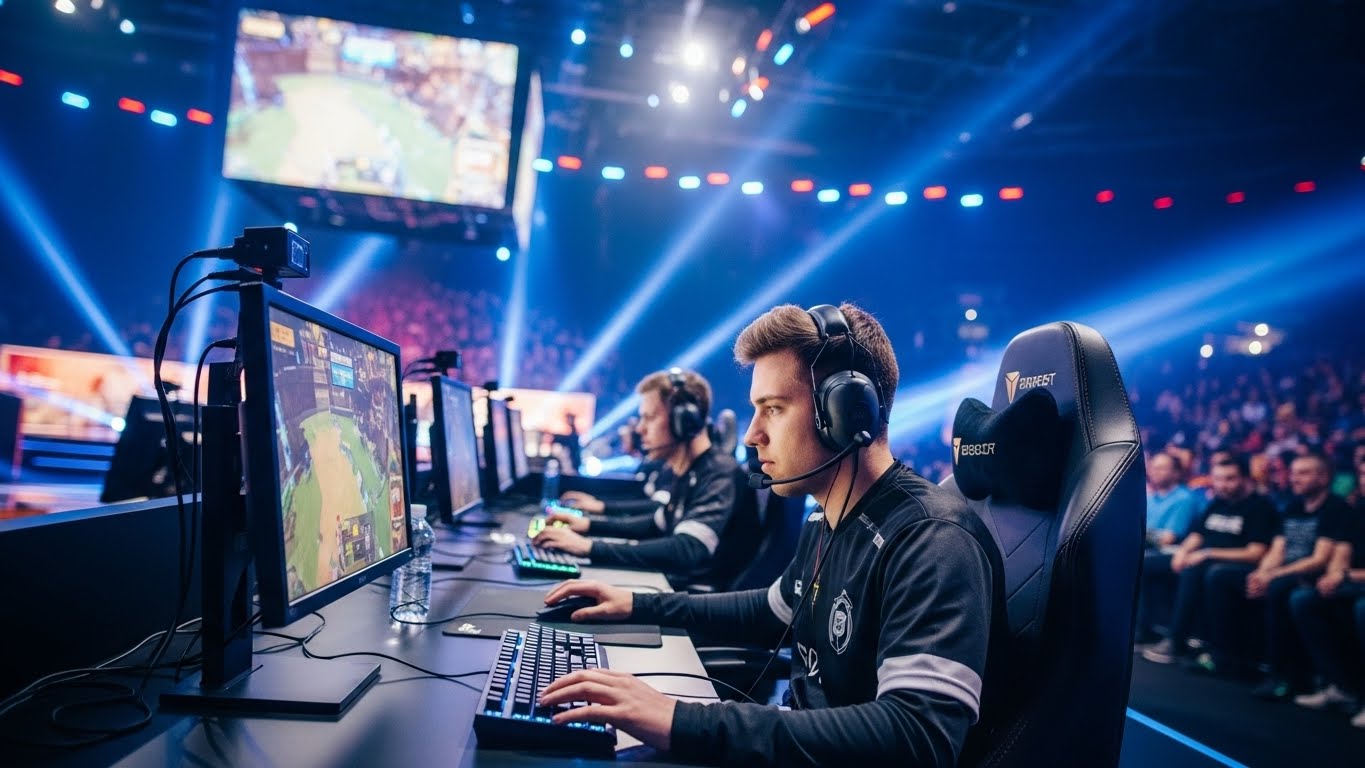
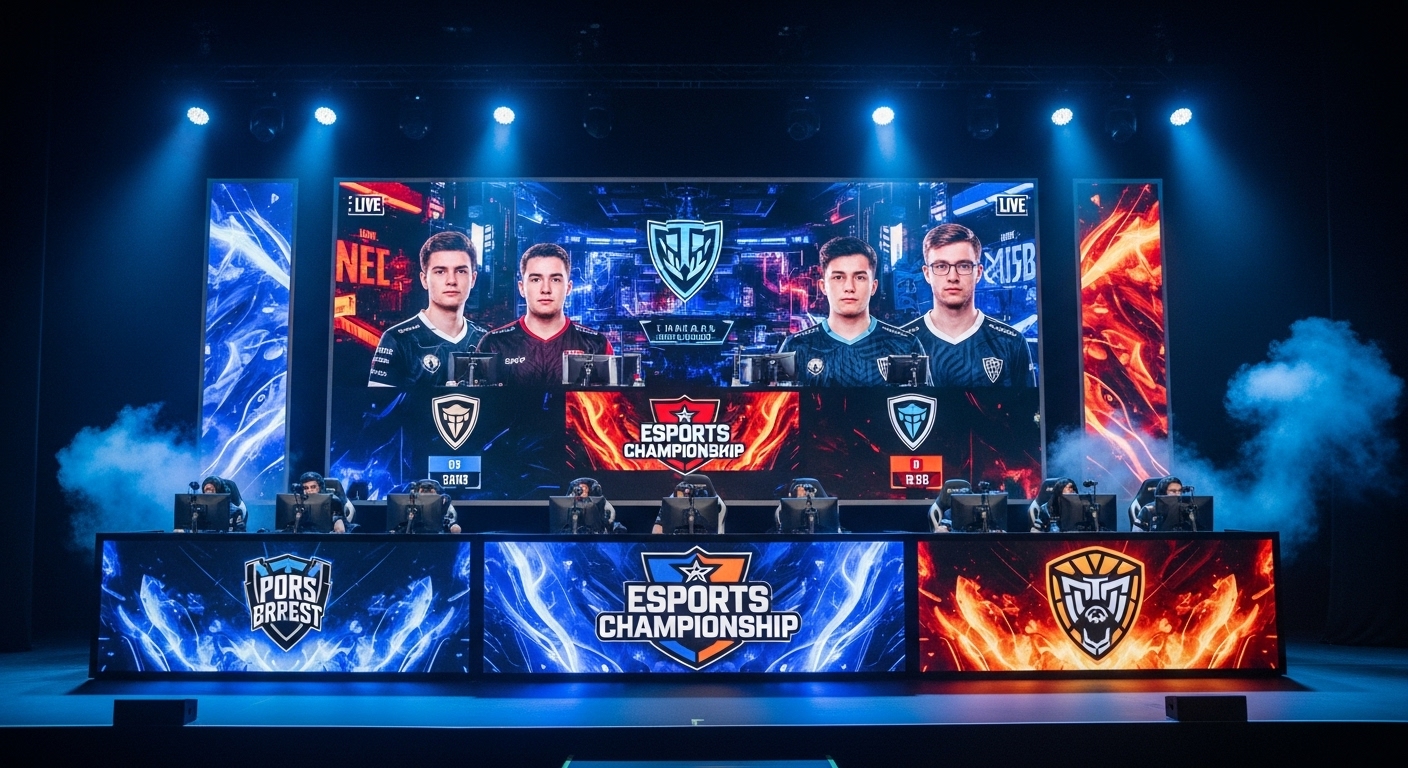
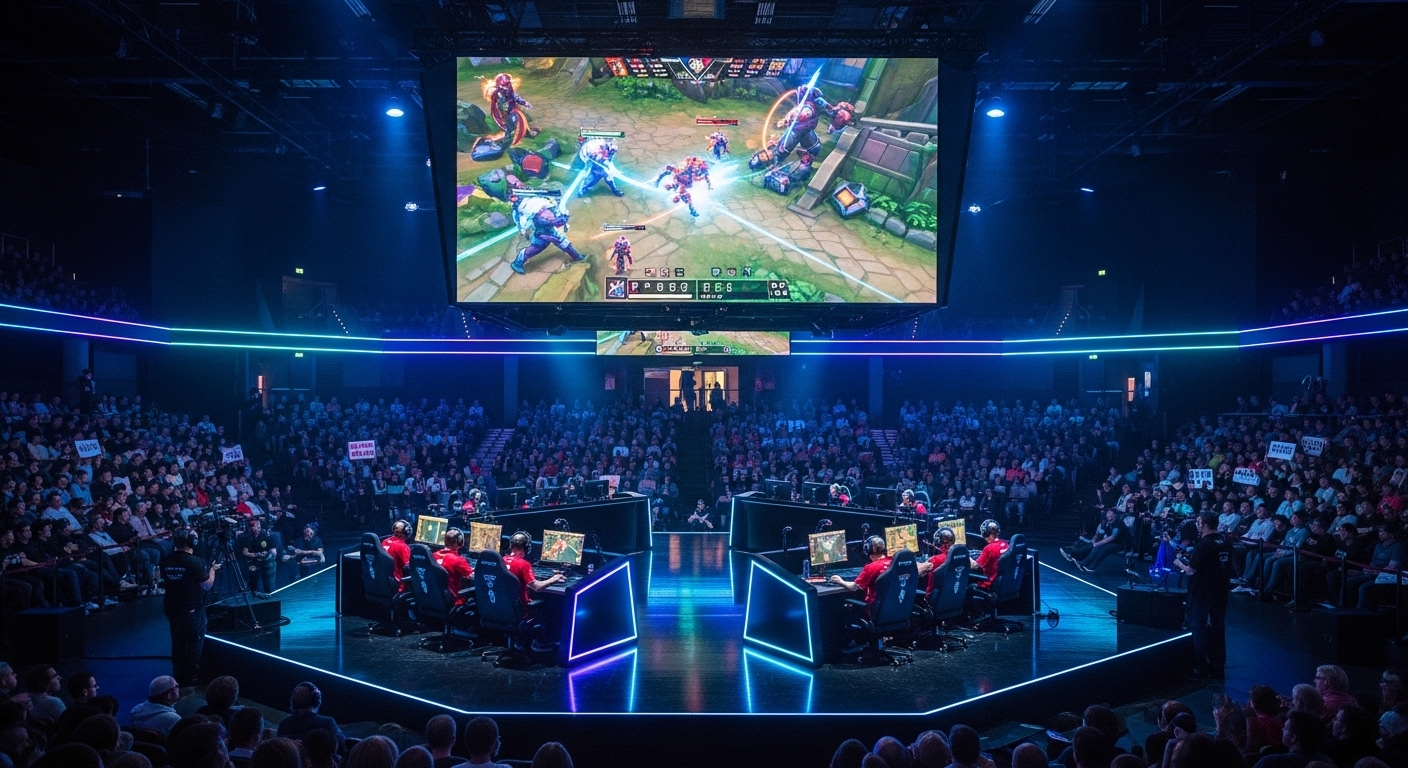
Esports, short for electronic sports, is the competitive playing of video games at a professional level. It involves individuals or teams competing in various games, often broadcasted to millions of viewers worldwide. From strategy-based games to fast-paced shooters, esports covers a wide range of genres that attract diverse audiences. What started as casual gaming has transformed into a structured industry with leagues, tournaments, and dedicated fan communities.
The Growth of Esports as a Career
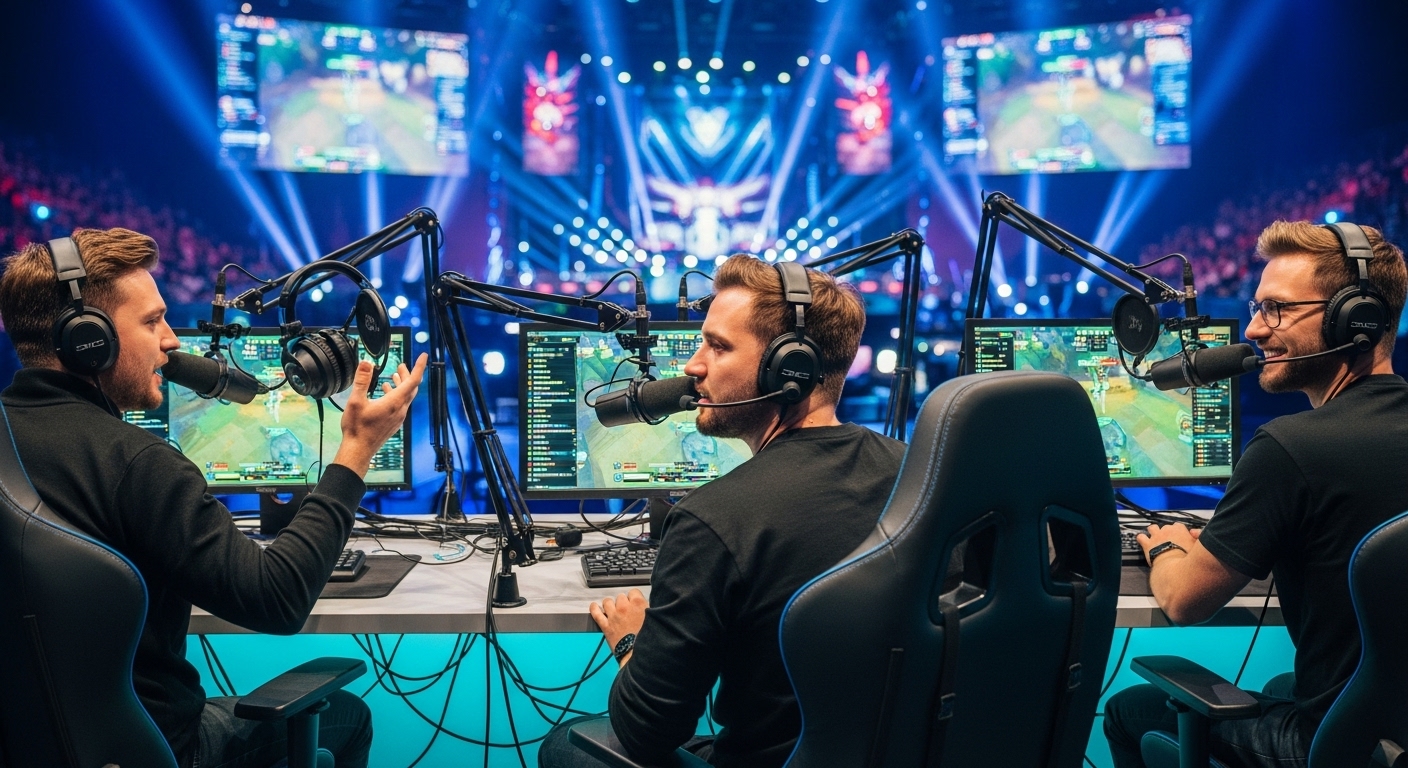
In the past decade, esports has shifted from being a hobby to a viable career option. Professional players train rigorously, honing their skills much like traditional athletes. They participate in national and international competitions with substantial prize money and sponsorship deals. Esports organizations have emerged, managing teams, coaches, and support staff. This growth has also led to specialized roles such as analysts, commentators, and content creators within the esports ecosystem.
The Impact of Streaming Platforms
A major factor behind esports’ success is the rise of streaming platforms. These platforms enable fans to watch live competitions, interact with players, and participate in community events. The accessibility of streams has allowed esports to reach global audiences, breaking geographical barriers. This direct engagement has created a unique culture around esports, where players and fans build close-knit relationships.
Esports and Technology
Technology plays a central role in esports, from game development to broadcasting. High-performance computers, fast internet, and sophisticated software enable seamless gameplay and viewer experiences. Emerging technologies like virtual reality and augmented reality are beginning to influence how games are played and watched, promising even more immersive esports experiences in the future.
Cultural Influence and Recognition
Esports has grown beyond the gaming community to influence broader culture. Major sporting events now include esports exhibitions, and universities offer scholarships for talented gamers. Governments recognize esports as a legitimate sport in many countries, granting visas and support to professional players. This increasing acceptance reflects esports’ significance in modern entertainment and society.
Challenges Facing the Industry
Despite its rapid growth, esports faces challenges such as player burnout, regulatory issues, and maintaining fair play. The intense competition and demanding schedules can affect players’ mental and physical health. Additionally, the industry continues to work on creating standardized rules and combating cheating to ensure a fair and sustainable competitive environment.
Looking Ahead: The Future of Esports
The future of esports looks promising with continuous innovation and expanding global reach. As new games emerge and technology evolves, esports is expected to attract even more fans and participants. With increasing investments and mainstream acceptance, esports is poised to become an integral part of the entertainment landscape for years to come.
Conclusion
Esports is much more than just video games. It represents a dynamic fusion of technology, competition, and community that resonates with millions worldwide. As the digital arena continues to grow, it challenges traditional perceptions of sports and entertainment, making esports a powerful force in the 21st century.