Introduction
In the last decade, the world of gaming has evolved in ways that no one could have anticipated. What started as a niche hobby has transformed into a global phenomenon, with professional players, massive tournaments, and millions of fans around the world. The rise of esports is not just about playing video games; it’s about a new kind of entertainment, one where strategy, teamwork, and skill collide to create a multi-billion-dollar industry.
Esports, or electronic sports, has emerged as a major player in the entertainment sector, attracting audiences, sponsors, and media attention on an unprecedented scale. Whether you’re a seasoned gamer or someone who’s new to the world of competitive gaming, the influence and growth of esports are hard to ignore. In this blog post, we will explore the origins of esports, its evolution, and what makes it such an appealing and exciting form of entertainment today.
The Origins of Esports: From Casual Play to Competitive Games
The concept of esports can be traced back to the early 1970s, although it wasn’t until the late ’90s and early 2000s that the foundation for modern esports began to take shape. Early forms of competitive gaming were usually confined to arcade tournaments or LAN (Local Area Network) parties, where players gathered in a physical location to compete against one another. However, with the advent of the internet, gaming moved from local gatherings to online platforms, allowing players from around the world to compete in real time.
One of the first major milestones in the history of esports was the launch of the Red Annihilation tournament in 1997, which was a Quake competition. This tournament is often seen as one of the first examples of competitive gaming being taken seriously as a sport. By the early 2000s, the rise of PC gaming and the increased popularity of titles like StarCraft, Warcraft III, and Counter-Strike laid the groundwork for what would later become an organized, professional industry.
By the mid-2000s, esports had begun to attract substantial viewership and sponsorship, and tournaments were held with growing prize pools. Organizations like Major League Gaming (MLG) and DreamHack started hosting international tournaments, and a global audience began to take notice.
The Growth and Evolution of Esports
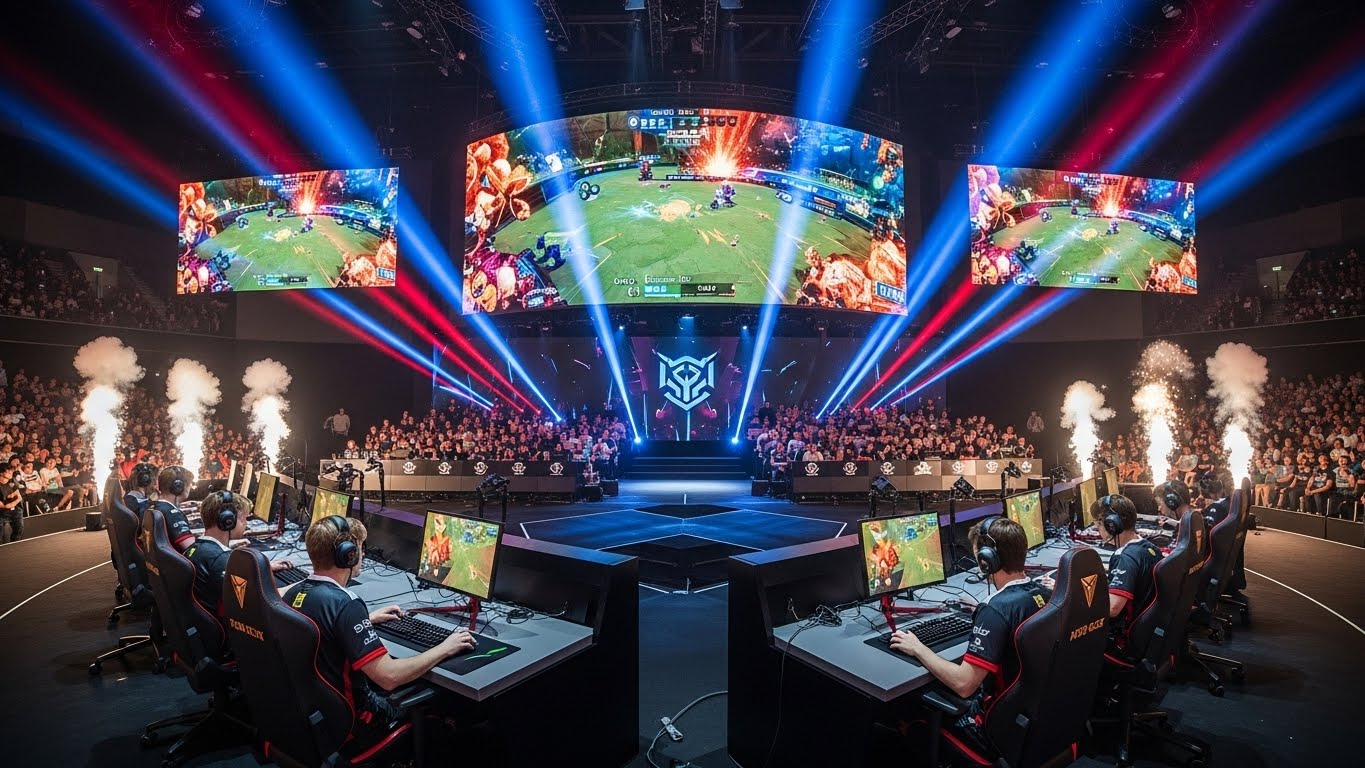
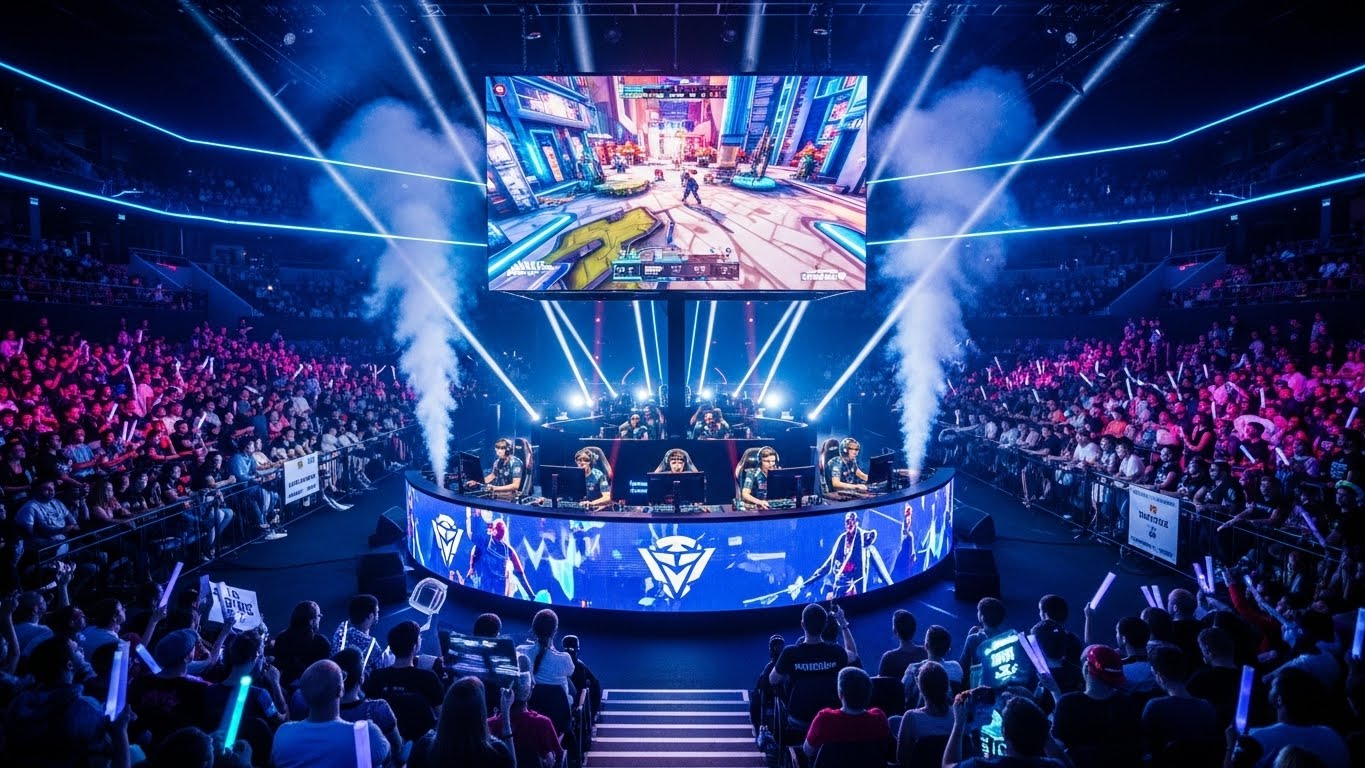
Esports has grown exponentially over the past two decades. In the early days, esports tournaments were broadcast on niche TV channels or streamed online through platforms like Twitch, which launched in 2011 and soon became the leading platform for live-streamed gaming content. Today, esports has evolved into a professional industry with its own infrastructure, including dedicated esports arenas, training facilities, and large-scale competitions broadcast on mainstream platforms like ESPN, YouTube, and social media.
One of the most significant factors in the rapid rise of esports is the increasing accessibility of gaming technology. High-speed internet, affordable gaming consoles, and powerful personal computers have allowed millions of people to participate in online multiplayer games. This democratization of gaming has resulted in a massive, diverse community of players who can now compete professionally and enjoy a global audience.
Furthermore, the development of online streaming platforms has played a pivotal role in the growth of esports. Platforms like Twitch, YouTube, and Facebook Gaming have allowed gamers to build massive followings by streaming their gameplay and interacting with fans in real time. This has created a new form of celebrity in the gaming world, with streamers and professional players earning millions of dollars through sponsorships, ad revenue, and merchandise sales.
Esports as a Global Phenomenon
Today, esports is truly global. While esports originated in the United States, it has quickly spread to other regions, including South Korea, Europe, and China. In South Korea, esports is often considered a national pastime, with professional players treated like celebrities. Esports organizations in countries like China and the United States are attracting top-tier sponsors, while major tournaments are broadcast to millions of viewers worldwide.
The global nature of esports is one of the key reasons for its explosive growth. Games like League of Legends, Dota 2, Fortnite, Counter-Strike: Global Offensive, and Overwatch attract players from all over the world, and their tournaments are held in major cities across the globe. These international competitions have turned esports into a truly global spectacle, with fans tuning in from every continent to watch their favorite teams compete for the biggest prize pools.
Esports is also becoming increasingly mainstream, with traditional sports leagues such as the NBA and NFL starting to invest in esports teams and events. In fact, the NBA’s NBA 2K League is a clear example of how traditional sports and esports are starting to merge. This crossover has helped to legitimize esports as a competitive and professional pursuit.
The Appeal of Esports: Why Is It So Popular?
So, what makes esports so appealing to so many people? The answer lies in the unique combination of factors that make esports different from traditional sports or other forms of entertainment.
1. Accessibility
One of the most significant appeals of esports is its accessibility. Unlike traditional sports, which often require expensive equipment, training, and facilities, esports only require a computer or console and an internet connection. Whether you’re playing for fun or aspiring to become a professional, the barrier to entry is relatively low, making it possible for anyone with the right skills to succeed.
2. The Thrill of Competition
At its core, esports is about competition. Players strive to be the best, whether they’re competing in a game like League of Legends, Valorant, or Call of Duty. The competitive nature of esports makes it a thrilling spectacle to watch, as fans tune in to see which team or player will rise to the top.
Much like traditional sports, esports features intense rivalries, underdog stories, and unforgettable moments of triumph. The drama and excitement of these competitions, combined with the high level of skill required to succeed, make esports a compelling form of entertainment.
3. Community and Fan Engagement
Esports has a strong and loyal community. Fans of professional teams and players engage with each other online, discussing strategies, sharing fan art, and supporting their favorite teams. The sense of belonging and camaraderie that comes with being part of the esports community is a huge part of its appeal.
Many professional esports players also have a strong presence on social media platforms, allowing fans to connect with them on a personal level. This level of interaction helps to humanize players and build a deeper emotional connection between them and their fans.
4. The Growth of Sponsorships and Prize Money
Esports has become a lucrative business. Large corporations such as Coca-Cola, Intel, Red Bull, and Samsung are just a few of the major sponsors involved in the esports industry. Sponsorship deals, advertising revenue, and media rights have helped to fuel the growth of esports, making it a financially viable career path for top players and organizations.
Prize pools for major esports tournaments can reach millions of dollars, attracting elite players and teams from around the world. For example, the prize pool for The International (the annual Dota 2 tournament) reached over $40 million in 2021, making it one of the largest prize pools in esports history.
The Future of Esports
The future of esports looks bright, with continued growth and innovation on the horizon. With the increasing popularity of mobile gaming, it is likely that esports will expand beyond PC and console gaming to include mobile platforms as well. In fact, games like PUBG Mobile and Free Fire have already gained a large esports following, particularly in regions like Southeast Asia and India.
The integration of virtual reality (VR) and augmented reality (AR) into gaming could also have a significant impact on the future of esports. These technologies could bring new, immersive experiences to players and spectators, further enhancing the excitement of esports competitions.
Additionally, the growth of esports as an educational tool is also noteworthy. Many universities around the world are now offering scholarships for esports players, and some schools even have dedicated esports teams and facilities. This trend is helping to legitimize esports as a professional career choice and providing opportunities for young gamers to turn their passion into a future career.
Conclusion
Esports has come a long way from its humble beginnings in arcade competitions and LAN parties. Today, it is a multi-billion-dollar industry with a global following, attracting millions of viewers and players alike. Whether you’re a casual gamer, a professional player, or an avid fan, esports offers a level of excitement and engagement that is unparalleled in the world of entertainment.
As esports continues to evolve, it will undoubtedly remain at the forefront of digital entertainment, shaping the future of gaming and competitive sports for years to come. For those who have been along for the ride, it’s clear that esports isn’t just a trend—it’s here to stay.