
Introduction: The Emergence of Esports as a Cultural Phenomenon
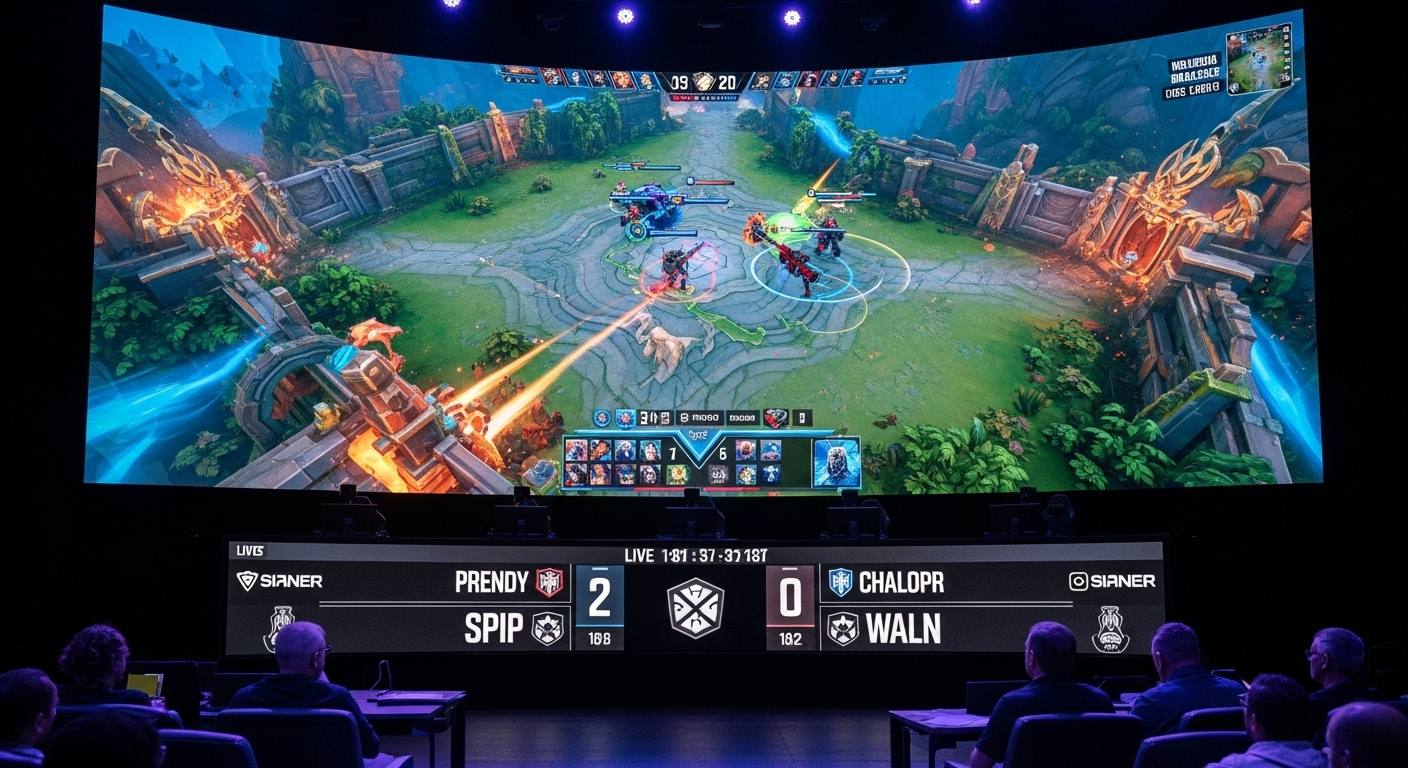
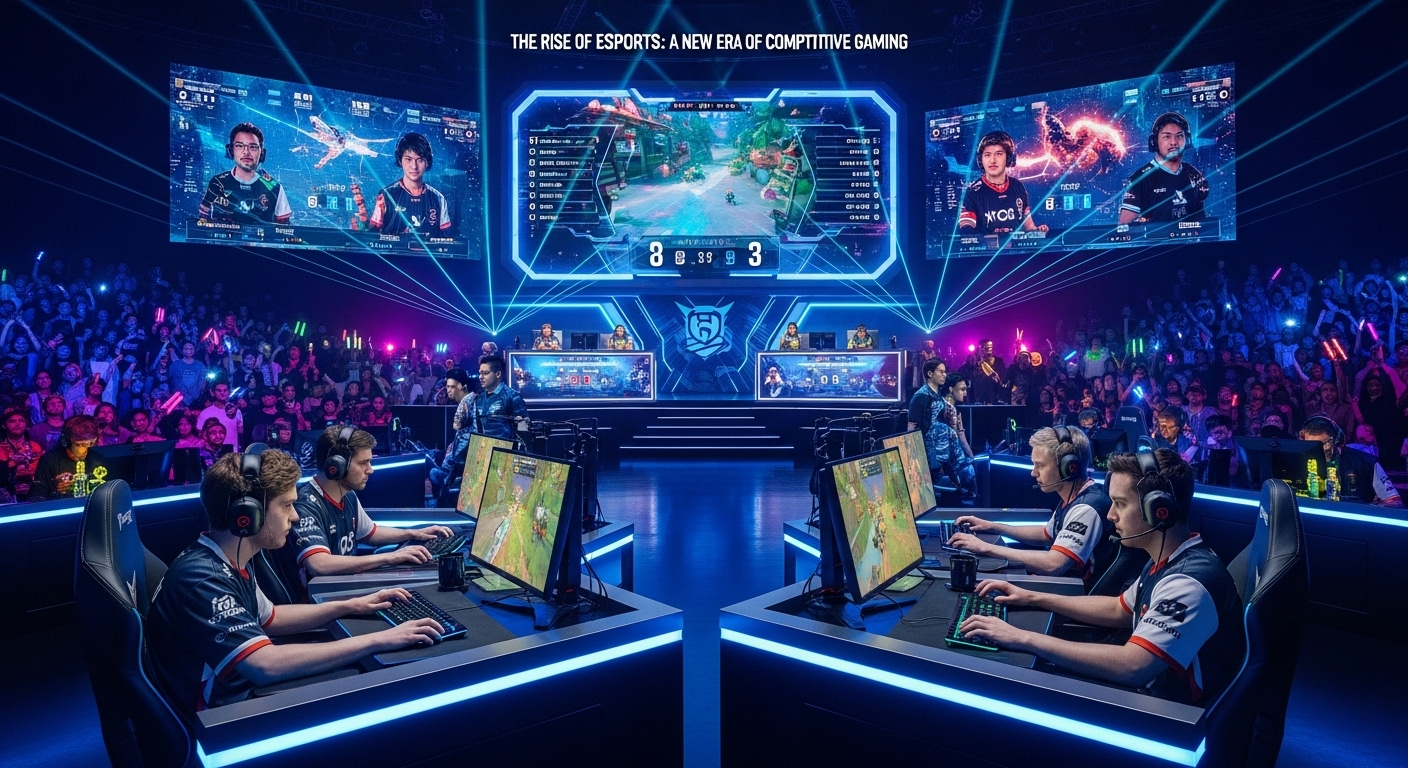
Over the last two decades, esports has evolved from a niche hobby to a global entertainment industry. What was once considered a pastime for gamers has now transformed into a multi-billion-dollar sector with millions of passionate fans, professional players, and massive international events. Esports, or competitive gaming, involves professional gamers competing in organized tournaments across various video game titles, ranging from first-person shooters to real-time strategy games.
As traditional sports continue to captivate audiences around the world, esports has carved out its own place in the entertainment industry. With the advent of streaming platforms, social media, and global connectivity, esports has attracted not only gamers but also sponsors, investors, and media companies eager to tap into its explosive growth. In this blog post, we will explore how esports has become a cultural force, examine the factors driving its rise, and discuss the future of competitive gaming.
Esports: A Brief History
To understand how esports has become a global powerhouse, it’s important to look back at its origins. The history of competitive gaming dates back to the early days of arcade games in the 1970s and 1980s. Titles like Pong and Space Invaders sparked the first wave of competitive gaming, with local tournaments and high-score competitions drawing crowds of enthusiasts. However, it wasn’t until the 1990s and the advent of personal computers and the internet that esports began to take shape in its modern form.
In the late 1990s, games like StarCraft and Quake gave rise to organized competitions that attracted professional players. Early esports events, such as the Red Annihilation tournament in 1997, featured top players battling it out for cash prizes and recognition. As internet access spread globally, so did the opportunity for gamers to compete in online tournaments, leading to the formation of online gaming communities.
By the mid-2000s, esports began to gain mainstream recognition, thanks in large part to the growth of online platforms like Twitch, a live-streaming service for gamers. Esports events were being broadcasted online, attracting viewers from all over the world. Major tournaments, such as The International for Dota 2 and League of Legends World Championship, started drawing massive crowds both in person and online. The prize pools for these events grew to extraordinary levels, with millions of dollars at stake, further solidifying esports as a serious competitive industry.
The Growth of Esports: Key Drivers of Success
Several factors have contributed to the rapid growth of esports over the past decade. Let’s take a closer look at these key drivers:
- The Rise of Streaming Platforms
The growth of streaming platforms like Twitch, YouTube Gaming, and Facebook Gaming has played a pivotal role in bringing esports to a global audience. These platforms allow gamers to broadcast their gameplay in real time, enabling them to build large followings and engage with fans directly. Esports tournaments are now streamed live to millions of viewers worldwide, creating a new form of entertainment that is accessible from anywhere with an internet connection. The ability for fans to watch their favorite players and teams in action has helped fuel the growth of esports as a spectator sport. - The Appeal of Competitive Gaming
Esports appeals to a wide range of audiences, from casual players to hardcore gamers. The thrill of watching skilled players compete at the highest level of play is a major draw for fans. Esports tournaments are intense, fast-paced, and often feature jaw-dropping moments that captivate viewers. Unlike traditional sports, esports also has the benefit of being more accessible. Anyone with a computer or console can participate in or watch competitive gaming, making it a sport that can be enjoyed by people of all ages and backgrounds. - Technological Advancements
The advancement of gaming hardware and internet infrastructure has made esports more accessible and competitive than ever before. The rise of high-performance gaming computers, low-latency internet connections, and high-definition monitors has enabled players to compete at the highest level of precision and skill. In addition, virtual reality (VR) and augmented reality (AR) technologies are beginning to shape the future of esports, opening up new possibilities for immersive and interactive experiences. - Professionalization of the Industry
Esports has increasingly mirrored traditional sports in terms of organization and professionalism. Today, esports features established leagues, tournaments, and teams that compete in various game genres. Teams are often sponsored by major brands, and players are treated like professional athletes, with salaries, sponsorship deals, and training regimens. Major gaming titles, such as League of Legends, Overwatch, Counter-Strike: Global Offensive, and Valorant, have created their own leagues, with regular seasons, playoffs, and championship events that are broadcast globally. This professionalization has helped elevate esports to a level where it is now seen as a legitimate career path for gamers.
The Impact of Esports on the Entertainment Industry
Esports has become a major player in the entertainment industry, with a reach that rivals traditional sports. Esports events attract millions of viewers, and companies are investing heavily in sponsorships and advertising opportunities. Major brands like Coca-Cola, Red Bull, Intel, and Nike have all partnered with esports organizations and tournaments to engage with the gaming community.
In addition to sponsorships, esports has created new opportunities for digital content creators. Streamers, analysts, casters, and influencers are now some of the most influential figures in the entertainment industry, with millions of followers on social media and streaming platforms. These personalities help promote games, teams, and events, and they play a key role in fostering the global esports community.
Esports has also opened up new career opportunities for those interested in working within the gaming industry. In addition to professional players, there is a growing demand for coaches, analysts, content creators, event organizers, and broadcasters. Universities are even offering esports scholarships and degree programs, further solidifying the industry’s place in mainstream culture.
Esports Tournaments: The Heart of Competitive Gaming
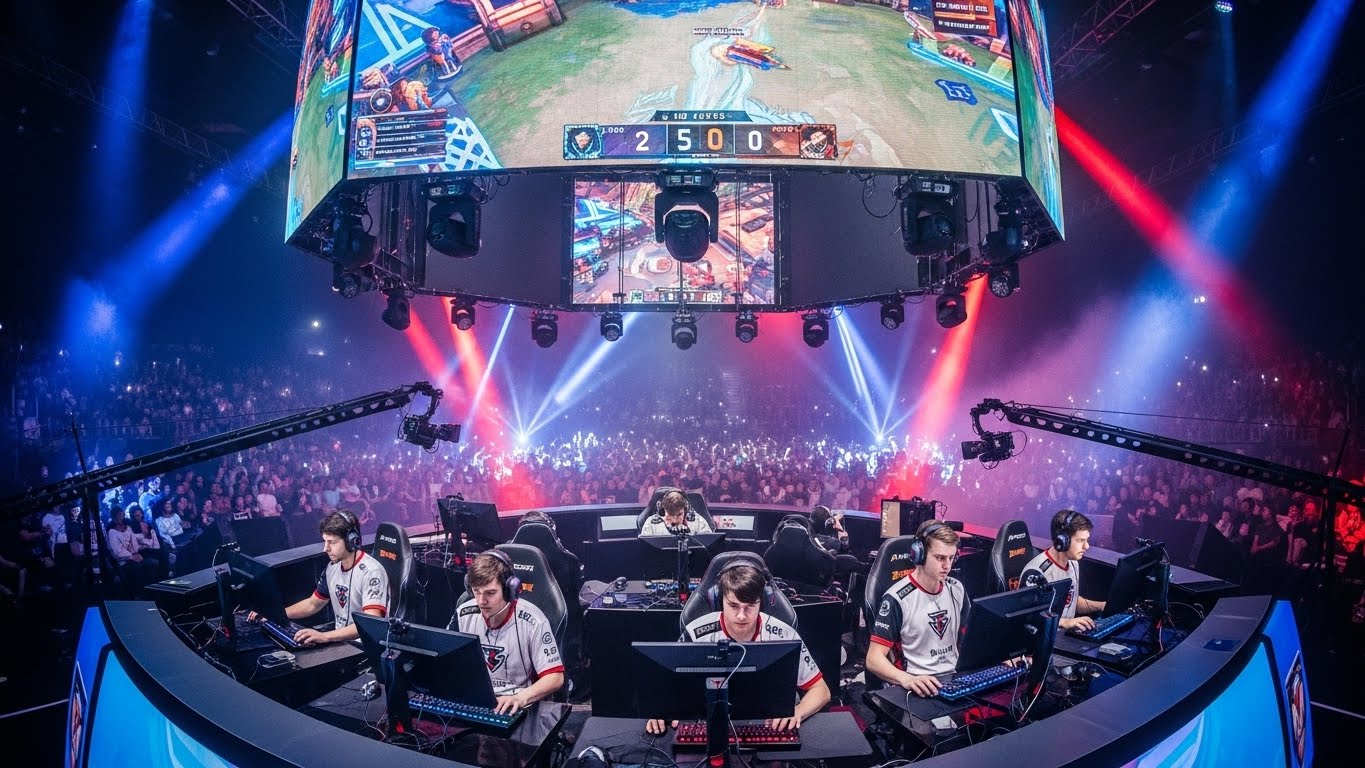
At the core of esports are the tournaments and competitions where the best players and teams face off. These events have become major spectacles, attracting huge audiences both online and in person. Some of the most popular esports tournaments include:
- The International (Dota 2)
The International is one of the largest and most prestigious esports tournaments in the world, with a prize pool that consistently reaches over $30 million. It is the culmination of the Dota 2 competitive season, where the world’s best teams compete for the championship title. The event is known for its intense matches and high stakes, with the winning team taking home a massive portion of the prize pool. - League of Legends World Championship
The League of Legends World Championship is another marquee event in the esports calendar. Every year, the world’s top teams from across different regions compete for the Summoner’s Cup. With millions of viewers watching the action live, the event is a celebration of the global League of Legends community and its competitive scene. - Overwatch League
Overwatch has become a popular esports title, thanks to its engaging gameplay and team-based mechanics. The Overwatch League (OWL) is a professional esports league that brings together the world’s best Overwatch teams, with franchises located in major cities worldwide. The league structure, with its regular seasons and playoffs, mirrors that of traditional sports leagues, creating a professional ecosystem for the game. - CS:GO Majors
Counter-Strike: Global Offensive (CS:GO) is one of the longest-running competitive esports titles, with its Majors being some of the most prestigious tournaments in the game. The CS:GO Majors attract top-tier teams from around the world and offer large prize pools and a competitive atmosphere that is a favorite among fans.
These tournaments showcase the incredible talent of players, the excitement of competition, and the global appeal of esports. They are not just about the games themselves but the entire spectacle—the production value, the passionate fanbases, and the celebration of gaming culture.
The Future of Esports: What Lies Ahead?
The future of esports is incredibly promising. As technology continues to advance, esports will become even more immersive and interactive. Virtual reality and augmented reality technologies will likely play a larger role in shaping the esports experience, providing players and fans with new ways to engage with the action.
The growth of mobile esports is also expected to continue, with games like PUBG Mobile, Free Fire, and Clash Royale gaining popularity in regions like Southeast Asia and Latin America. These mobile games allow for competitive play on smartphones, making esports more accessible to a wider audience.
Esports will also continue to integrate with traditional sports, with more organizations and leagues adopting esports as part of their brand. Partnerships between esports organizations and traditional sports franchises are becoming more common, as both industries look for ways to expand their reach and appeal to younger audiences.
Furthermore, the continued professionalization of esports will create more opportunities for players, coaches, analysts, and content creators to make a living in the industry. As universities offer more scholarships and degree programs in esports management and game development, the next generation of esports professionals is already being trained.
Conclusion: Esports as the Future of Entertainment
Esports has come a long way since its humble beginnings in local tournaments and small-scale competitions. Today, it stands as one of the most influential entertainment industries in the world, captivating millions of fans and offering career opportunities for gamers and professionals alike. With its growing global audience, technological advancements, and increasing commercialization, esports is poised to continue its rise and shape the future of entertainment.