Introduction: The Surge of Esports in the Digital Age
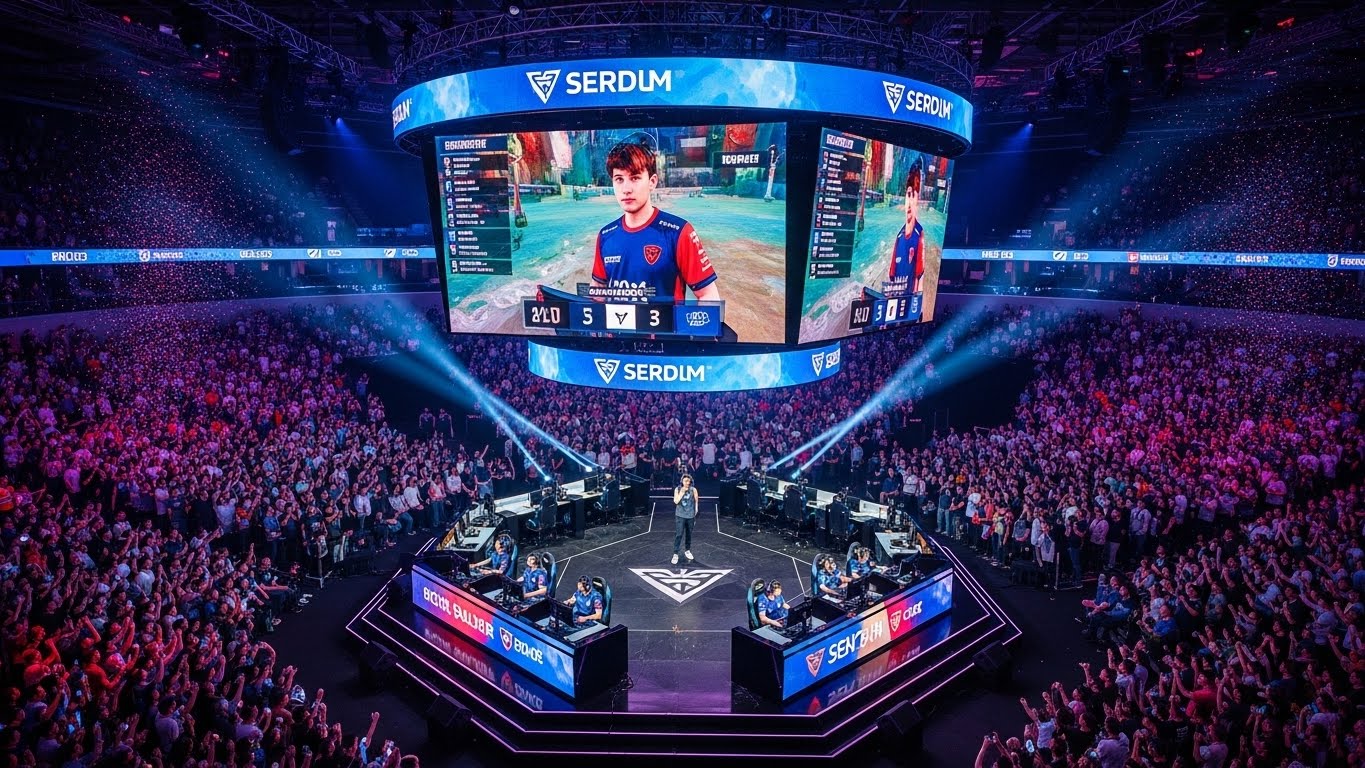
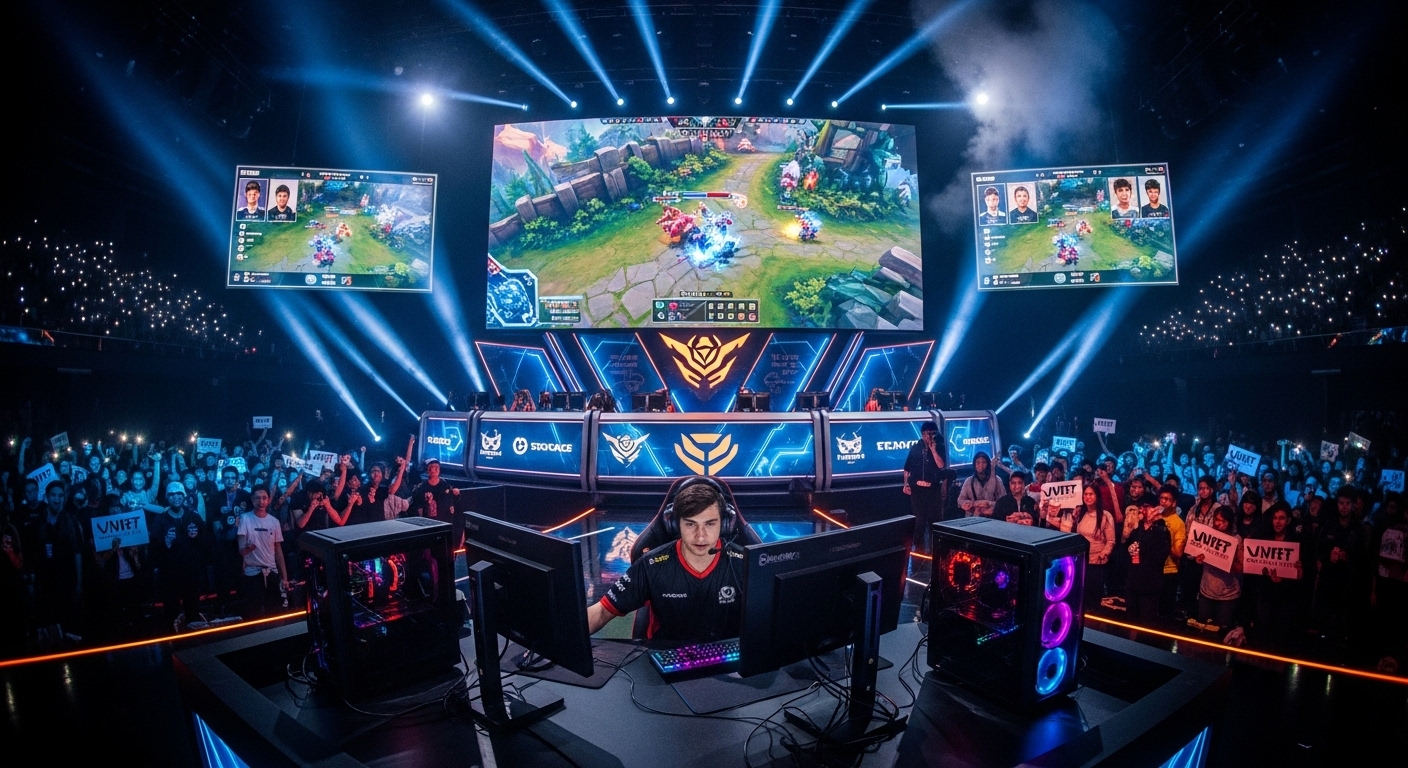
In recent years, a new kind of sport has emerged that transcends physical boundaries and connects millions of people across the globe: esports. What began as a niche hobby for avid gamers has quickly evolved into a multi-billion-dollar industry that competes with traditional sports for attention, investment, and viewership. With sold-out arenas, massive sponsorship deals, and a growing number of professional leagues, esports has cemented itself as a global phenomenon.
Esports, or electronic sports, involves competitive video gaming at a professional level. Players, teams, and organizations compete in various titles across multiple platforms, including PC, console, and mobile. The games themselves span genres such as real-time strategy, first-person shooters, multiplayer online battle arenas, and sports simulations. As technology continues to advance and gaming culture continues to grow, esports has become a mainstream form of entertainment.
This blog explores the rise of esports, its impact on gaming and entertainment, the business behind it, and the future potential of competitive gaming as a major industry.
The Early Days: From Casual Competitions to Global Tournaments
The roots of esports trace back to the early 1990s when video games were first introduced as competitive events. The early competitions were small-scale, often held in local arcades, gaming clubs, or conventions. Games like “Street Fighter,” “Quake,” and “StarCraft” laid the groundwork for the competitive gaming scene by encouraging players to test their skills against others.
The first major shift toward professional esports came with the rise of LAN (local area network) tournaments, where players would connect their computers to compete against each other in real time. These events allowed players to test their skills in larger, more organized formats. In 1997, the first significant esports tournament was held in the form of the Red Annihilation Tournament, where players competed in the popular game “Quake.”
The turn of the millennium marked the beginning of more formalized esports competitions, with games like “Counter-Strike,” “Warcraft III,” and “StarCraft” becoming fixtures in the competitive gaming scene. The establishment of major leagues, such as the World Cyber Games (WCG) and the Electronic Sports World Cup (ESWC), signaled the shift from casual play to serious competition.
By the late 2000s and early 2010s, online streaming platforms like Twitch provided a way for gamers to broadcast their matches to an audience, making esports not just a competition for players but an entertainment spectacle for viewers. This was the turning point when esports began its ascent into the mainstream.
The Anatomy of Esports: Games, Players, and Tournaments
At the heart of esports are the games themselves. Esports spans a wide array of genres, each offering unique types of competition and fan engagement.
1. Multiplayer Online Battle Arenas (MOBAs)
Games like “League of Legends” and “Dota 2” belong to the MOBA genre, where teams of five players face off to control objectives and defeat the enemy team. These games require deep strategic thinking, communication, and coordination, making them ideal for competitive play. Tournaments such as the League of Legends World Championship have become iconic events, attracting millions of viewers worldwide.
2. First-Person Shooters (FPS)
First-person shooters like “Counter-Strike: Global Offensive” and “Overwatch” dominate the esports landscape, where players use a variety of weapons and tactics to outsmart and eliminate opponents. These games require exceptional reflexes, teamwork, and strategic decision-making, and their fast-paced action makes for thrilling spectator events.
3. Real-Time Strategy (RTS)
Real-time strategy games like “StarCraft II” have long been staples of competitive gaming. Players control entire armies, making real-time decisions that affect the outcome of the match. RTS games are deeply complex and involve both tactical skills and quick decision-making.
4. Sports Simulation Games
Esports also includes games that replicate real-world sports, such as “FIFA,” “NBA 2K,” and “Madden NFL.” These sports simulations offer a virtual alternative to traditional sports, with professional leagues and tournaments gaining popularity in their own right.
The Rise of Professional Esports: From Hobbyists to Full-Time Athletes
As the popularity of esports grew, so did the professionalization of the industry. Esports teams and organizations began to form, with players signing contracts, receiving salaries, and participating in regular league events. Much like traditional sports, esports athletes now undergo rigorous training to hone their skills, often practicing for hours each day to stay at the top of their game.
One of the most notable examples of this professionalization is the rise of teams in games like “League of Legends” and “Dota 2.” Teams such as Cloud9, Fnatic, Team Liquid, and T1 have become household names within the esports community. These organizations recruit players from around the world, offering them sponsorships, coaching staff, and state-of-the-art training facilities.
Esports players, or “pros,” often train under intense pressure. Unlike traditional athletes, esports competitors face mental and physical challenges that are unique to gaming. Hours of gameplay, constant strategic thinking, and maintaining peak performance can lead to mental fatigue and physical stress. This has prompted the rise of esports-specific coaching, physiotherapists, and psychologists who help players manage their health and mindset.
Moreover, esports players can now earn substantial incomes through tournament winnings, sponsorships, streaming, and merchandise sales. The prize pools for major events such as “The International” (Dota 2) and the “League of Legends World Championship” can reach millions of dollars, attracting top-tier talent and increasing the stakes for competitors.
The Business Behind Esports: Sponsors, Streaming, and Media
The business side of esports has experienced explosive growth. What was once a small niche market has turned into a billion-dollar industry, with numerous revenue streams. One of the primary drivers of this growth is sponsorship. Companies from a wide variety of industries—ranging from tech giants like Intel and NVIDIA to beverage companies like Coca-Cola—sponsor esports events, teams, and individual players. These sponsorships bring in significant revenue, helping esports grow even further.
Streaming platforms like Twitch and YouTube have become central to the esports ecosystem, giving fans access to live streams of competitions, commentary, and player interactions. Esports broadcasting has become its own genre, with commentators (known as “casters”) offering real-time analysis and play-by-play commentary during live matches. Fans are able to engage with their favorite players and teams in ways that traditional sports cannot replicate.
Moreover, streaming platforms offer opportunities for players to build their own personal brands. Professional gamers often stream their gameplay on Twitch, interact with their followers, and monetize their channels through ads, subscriptions, and donations. This has allowed players to build a diverse income stream that extends beyond tournament winnings.
The Global Appeal of Esports: Connecting People Worldwide
One of the most fascinating aspects of esports is its ability to transcend borders. Unlike traditional sports, which are often confined to specific regions or countries, esports has a global audience. A tournament in Korea can attract viewers from the United States, Europe, China, and beyond. With online platforms making competitions accessible to anyone with an internet connection, esports has broken down geographical barriers.
This global reach has given rise to a vibrant international esports community. Players and fans from different cultures share a common love for their favorite games, regardless of where they are located. International tournaments like “The International” (Dota 2) and “League of Legends” World Championships have become global events that draw viewers from all corners of the earth.
Esports also has the potential to foster inclusivity and diversity, with players and teams representing various nationalities, genders, and backgrounds. The industry has made significant strides in encouraging participation from women and non-binary individuals, though challenges remain in promoting greater gender equity.
The Future of Esports: Innovation, Expansion, and Global Recognition
The future of esports is incredibly promising. As technology continues to advance, the quality of gameplay, broadcasting, and fan engagement will only improve. Virtual reality (VR) and augmented reality (AR) are expected to play a significant role in the evolution of esports, offering players and spectators even more immersive experiences.
In addition to technology, the industry is also focused on the expansion of esports into new regions, including the Middle East, Africa, and Latin America. As internet infrastructure improves in these regions, esports is set to become a major part of local entertainment culture.
Another area of growth is the integration of esports into traditional sports. Major sports organizations, such as the NBA, NFL, and UEFA, have already started exploring esports through partnerships and the development of esports leagues. This convergence of traditional and digital sports will help further legitimize esports and cement its place in the global entertainment landscape.
Esports is also gaining recognition as a legitimate career option. Universities and colleges around the world are offering scholarships for competitive gaming, and some schools even have their own esports teams. As the industry grows, it will continue to attract talented individuals who want to make a career out of their passion for gaming.
Conclusion: The Endless Horizon of Esports
Esports has come a long way from its humble beginnings as small-scale competitions. Today, it is a global powerhouse with millions of fans, a multi-billion-dollar economy, and an ever-growing presence in the entertainment world. As technology continues to evolve and new players enter the scene, esports will continue to push boundaries, redefine competition, and inspire future generations of gamers.
Whether you’re a casual viewer, an aspiring professional, or someone who’s simply curious about the future of sports, one thing is clear: esports is here to stay. The digital playground is now an arena of champions, and the game has only just begun.