Esports has transformed from a niche hobby into a global phenomenon, captivating millions of fans and creating career opportunities that once seemed unimaginable. In the past decade, competitive gaming has grown at an unprecedented pace, influencing culture, entertainment, and even education. This blog explores the evolution, significance, and future of esports, highlighting why it has become more than just a pastime.
Understanding Esports
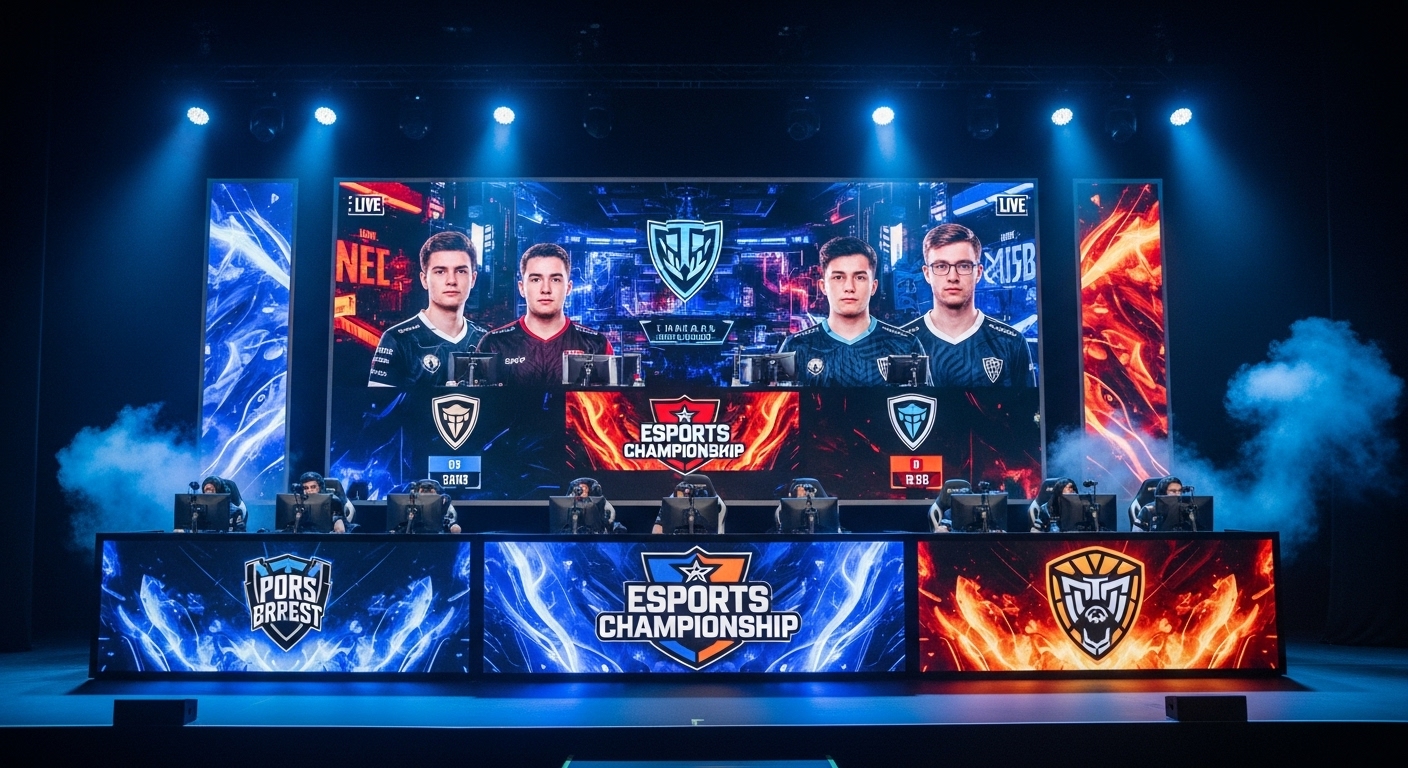
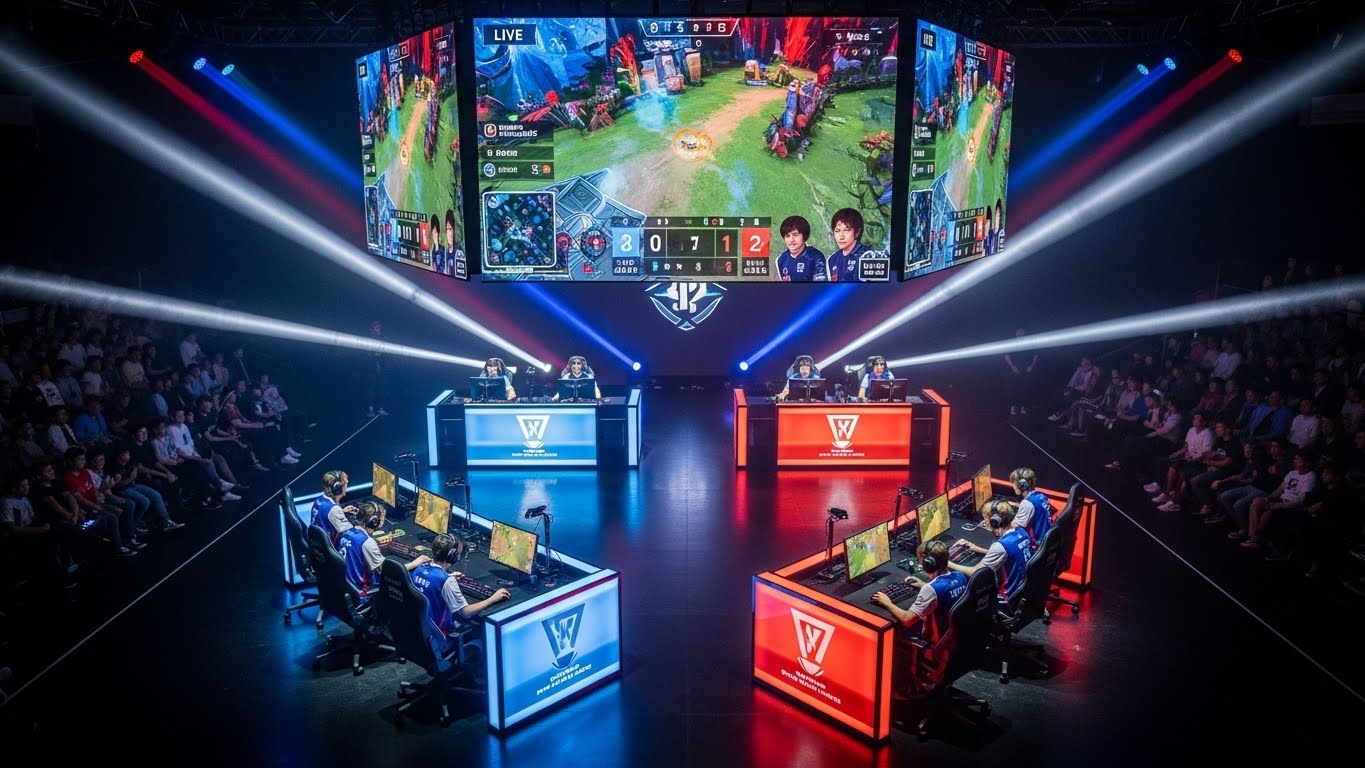
Esports, or electronic sports, refers to competitive video gaming where individuals or teams compete in tournaments for recognition, prizes, and sponsorships. Unlike casual gaming, esports requires rigorous training, strategic thinking, and teamwork. Popular games like League of Legends, Dota 2, Counter-Strike, and Fortnite have professional leagues, dedicated fan bases, and structured systems similar to traditional sports.
The essence of esports lies in its blend of entertainment, skill, and technology. Players often specialize in particular roles within a game, honing reflexes, decision-making abilities, and communication skills. Unlike conventional sports, esports transcends physical limitations, enabling players from different regions and backgrounds to compete on a level playing field.
Historical Evolution of Esports
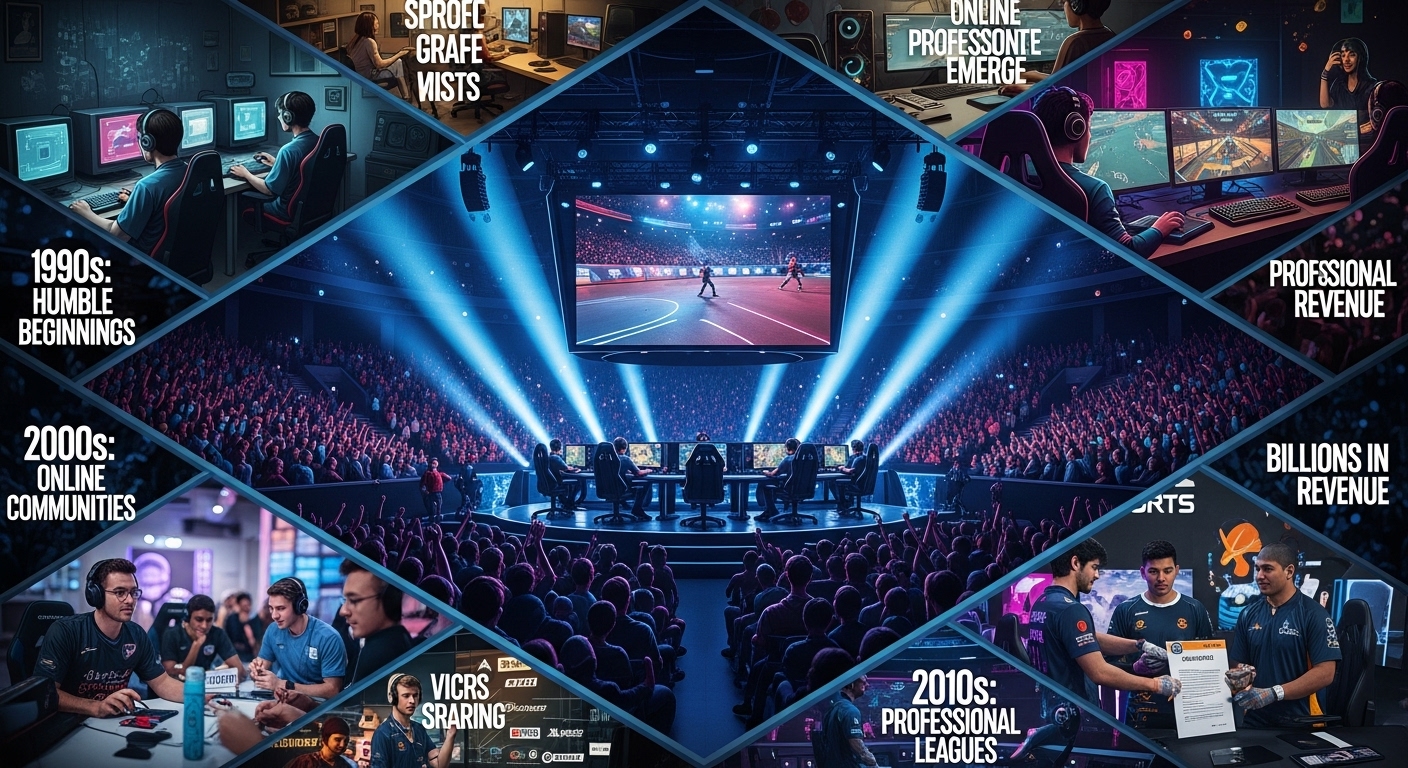
The journey of esports can be traced back to the 1970s and 1980s with arcade competitions and early gaming tournaments. Games like Space Invaders and Pac-Man introduced competitive gaming, though these were primarily local events. The 1990s marked a turning point with the emergence of multiplayer games on personal computers and the rise of the internet. Games like StarCraft in South Korea set the foundation for modern esports leagues and fan communities.
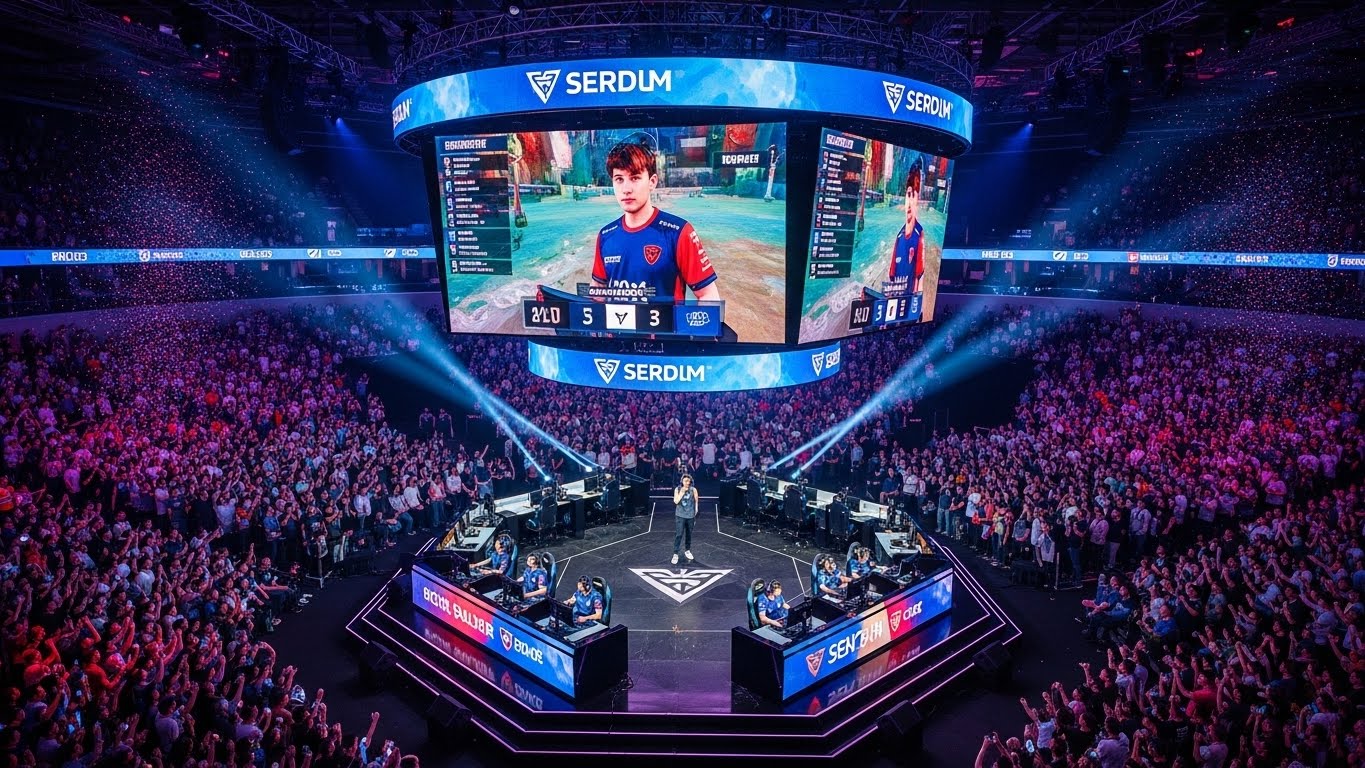
In the early 2000s, esports started gaining professional recognition. Major tournaments began offering significant cash prizes, and dedicated teams started forming. South Korea became a pioneer in professional gaming culture, establishing esports as a legitimate career path. Today, the industry has expanded globally, with tournaments broadcasted online and in arenas, attracting millions of viewers worldwide.
The Economic Impact of Esports
Esports is no longer just entertainment; it is a multi-billion-dollar industry. Revenue streams include sponsorships, advertising, merchandise, ticket sales, streaming platforms, and media rights. Brands from technology, apparel, and energy drinks to mainstream consumer products actively sponsor esports teams and events, recognizing the potential to reach a younger, engaged audience.
Professional players can earn substantial incomes through tournament winnings, team salaries, and streaming. For instance, top esports athletes have incomes rivaling traditional sports stars. Beyond individual players, entire ecosystems exist, including coaches, analysts, content creators, and event organizers, all contributing to economic growth and job creation within the digital entertainment sector.
The Role of Streaming Platforms
Streaming platforms play a crucial role in the popularity of esports. Platforms such as Twitch and YouTube Gaming allow fans to watch live competitions, interact with players, and engage with communities. Streaming has democratized access to esports, enabling anyone with an internet connection to follow tournaments in real-time. This interactivity strengthens the fan experience, turning spectators into active participants in the esports culture.
Additionally, streaming provides aspiring players with exposure and potential income. Many gamers build personal brands by sharing gameplay, tutorials, and commentary, creating an additional revenue stream while cultivating a loyal audience. The rise of streaming has also blurred the lines between entertainment and competition, making esports accessible and appealing to a broader demographic.
Training and Discipline in Esports
Competitive gaming demands discipline similar to traditional sports. Professional esports players often follow structured training schedules, focusing on skill development, strategy, and mental resilience. Physical fitness is also becoming increasingly important, as prolonged gaming sessions can lead to fatigue and health issues if not managed properly.
Mental conditioning is equally critical. Esports athletes must maintain focus, manage stress, and make split-second decisions under pressure. Team dynamics, communication, and adaptability play a significant role in determining success. The combination of technical skill, strategic thinking, and psychological preparation sets esports apart as a serious professional endeavor rather than mere entertainment.
Cultural Influence of Esports
Esports has had a profound cultural impact, shaping entertainment, media, and social interaction. It has introduced a new type of celebrity: the professional gamer. Fans idolize players for their skill, personality, and achievements, creating a global community united by shared passion. Major tournaments are celebrated as cultural events, with fans traveling across countries to witness live competitions.
Moreover, esports has influenced mainstream media. Movies, documentaries, and television shows now explore gaming culture and professional competition. Social media platforms amplify esports narratives, allowing fans to share highlights, memes, and stories, further embedding esports into popular culture.
Educational Opportunities and Esports
Esports has also entered the educational sphere. Schools and universities worldwide now offer esports programs, scholarships, and clubs. These programs teach teamwork, leadership, communication, and digital literacy, aligning with real-world skills that extend beyond gaming. For many students, esports provides a sense of belonging and motivation, promoting engagement in academic and extracurricular activities.
Additionally, some institutions have integrated esports into STEM education. Game design, programming, and data analysis are closely related to competitive gaming, providing students with practical skills applicable to technology-driven careers. This integration demonstrates how esports can serve as a bridge between passion and professional development.
Challenges Facing the Esports Industry
Despite its rapid growth, esports faces several challenges. One major concern is the issue of player burnout. The intense training schedules, constant travel, and high expectations can negatively impact mental and physical health. Organizations are now emphasizing support systems, including counseling, fitness programs, and balanced schedules, to address these issues.
Another challenge is the perception of esports as a legitimate sport. While acceptance is growing, traditional sports institutions and some segments of society remain skeptical. Advocates argue that esports demands the same level of dedication, strategy, and skill as conventional sports, deserving recognition and support.
Additionally, regulatory challenges exist. Issues such as cheating, match-fixing, and intellectual property disputes require robust governance to maintain integrity and trust within the industry.
The Future of Esports
The future of esports is promising, with technology driving new possibilities. Virtual reality, augmented reality, and advanced gaming engines are likely to create immersive experiences for players and spectators alike. As mobile gaming grows, esports will reach new audiences, particularly in regions where PC and console gaming are less accessible.
Global expansion will continue, with emerging markets contributing to player talent, fan communities, and sponsorship opportunities. Esports is also likely to integrate further with traditional sports, entertainment, and education, creating hybrid experiences that blend competition, media, and interactivity.
Conclusion
Esports has evolved far beyond its origins as a niche hobby. It has become a cultural, economic, and educational force, shaping the way people play, watch, and interact with games. The rise of professional players, streaming platforms, and institutional support underscores the legitimacy of esports as a competitive and influential industry.
While challenges such as burnout, regulation, and societal perceptions remain, the continued growth and innovation within esports suggest a bright and dynamic future. For players, fans, and institutions alike, esports represents not just a game but a global movement that celebrates skill, strategy, and community. As the industry expands, it will continue to redefine entertainment, career opportunities, and cultural engagement in the digital age.