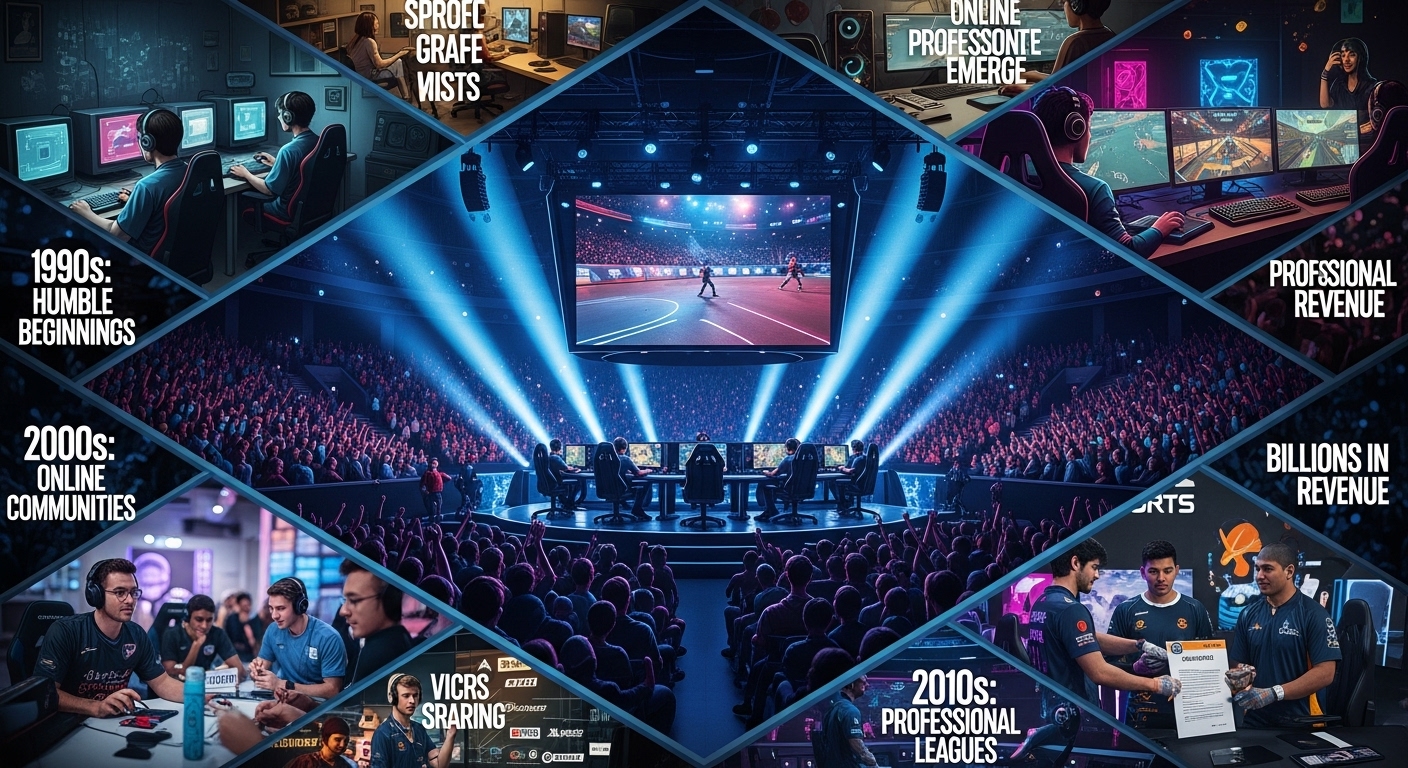
Esports, or competitive video gaming, has emerged as one of the fastest-growing forms of entertainment in the world. What started as casual gaming competitions among friends has evolved into a multi-billion-dollar industry, attracting professional players, dedicated fans, and corporate investment. Beyond just gameplay, esports has become a cultural phenomenon, shaping technology, careers, and community engagement on a global scale. Its growth demonstrates the increasing influence of digital culture in shaping entertainment, education, and social interaction.
The Origins of Esports
The roots of esports trace back to the 1970s and 1980s, when arcade competitions and high-score challenges offered early glimpses of competitive gaming. Players would gather to test their skills in games like Space Invaders and Pac-Man, showcasing dexterity and strategy. While these competitions were primarily local and informal, they laid the foundation for organized competitive gaming.
The 1990s brought the rise of multiplayer PC games like StarCraft, Quake, and Counter-Strike. These games introduced team-based strategies, online play, and community-driven tournaments. The internet allowed players from different regions to compete, creating a global network of gamers and sparking the first true wave of esports culture.
The Explosion of Esports Popularity
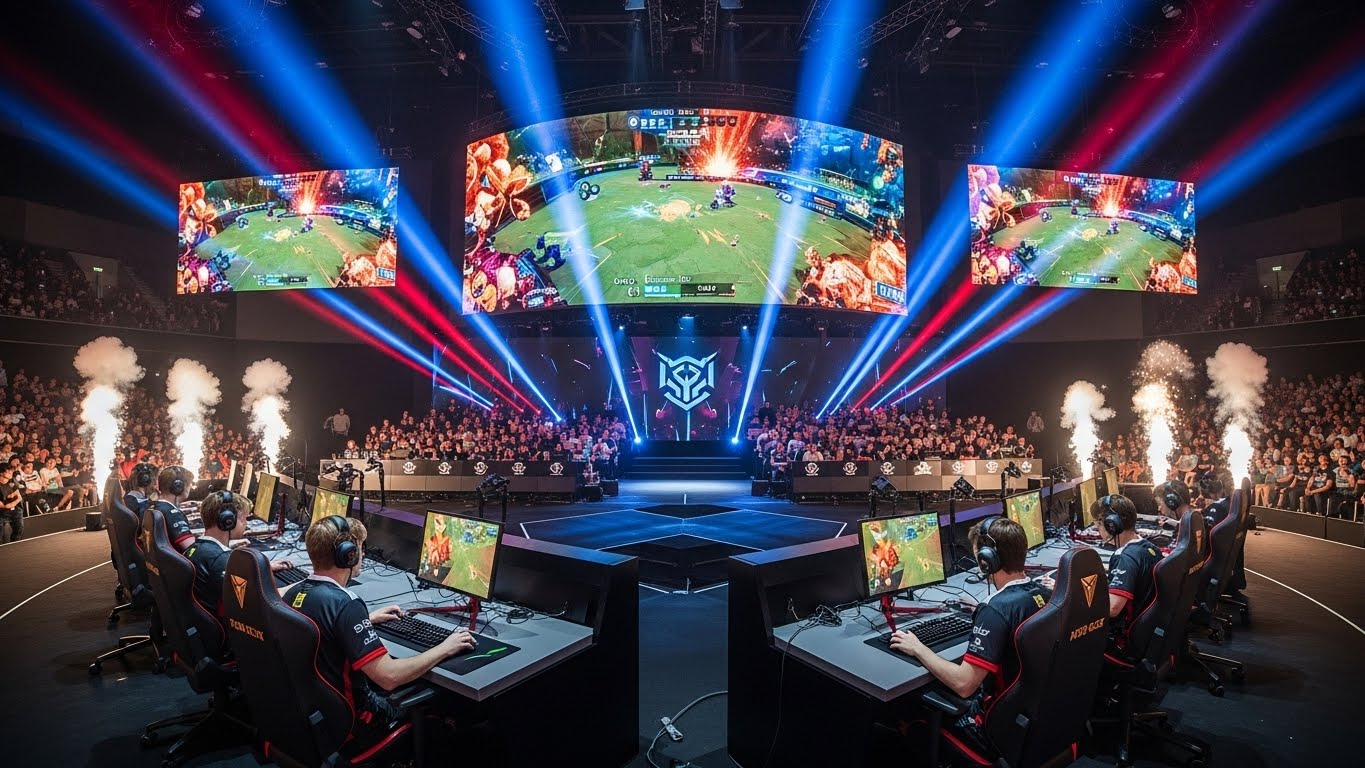
In the 21st century, esports has experienced unprecedented growth. Millions of fans now watch live tournaments, either in packed arenas or via streaming platforms. Games like League of Legends, Dota 2, Fortnite, and Call of Duty have attracted international audiences, combining thrilling gameplay with intricate strategies and high stakes.
The rise of streaming platforms has played a crucial role in this growth. Players can broadcast matches in real-time, interact with fans, and cultivate large online communities. This accessibility allows audiences to participate in esports culture, not just as spectators but as active members of gaming communities worldwide.
Professional Esports as a Career
Esports has evolved into a legitimate professional career. Competitive players train rigorously, often spending six to ten hours a day refining skills, analyzing gameplay, and developing team strategies. Professional esports organizations operate much like traditional sports teams, employing coaches, analysts, and support staff to optimize performance.
Successful esports players earn income through tournament winnings, sponsorships, streaming revenue, and merchandise sales. Some have even achieved celebrity status, influencing gaming culture and inspiring aspiring gamers. Collegiate esports programs and professional leagues have further cemented competitive gaming as a viable career path.
The Strategic and Mental Demands of Esports
Esports is not merely about reflexes; it requires strategic thinking, quick decision-making, and teamwork. In team-based games, communication, coordination, and tactical planning are essential for victory. Players must constantly adapt to opponents’ strategies, game updates, and evolving metas, demanding high levels of cognitive flexibility.
Mental resilience is equally critical. Athletes must handle high-pressure situations, recover from losses, and maintain focus during long gaming sessions. The combination of strategy, skill, and psychological endurance highlights esports as a complex and intellectually challenging discipline.
Esports and Community Building
Esports fosters a sense of community among players and fans alike. Online forums, social media groups, and streaming platforms allow enthusiasts to share experiences, discuss strategies, and form lasting friendships. Fans often follow professional players, participate in fan events, and contribute to discussions, creating a vibrant ecosystem of engagement and connection.
This sense of belonging extends across borders, bringing together individuals from diverse cultures and backgrounds. Esports communities often collaborate, celebrate achievements, and provide mutual support, demonstrating the social impact of competitive gaming.
Educational Opportunities Through Esports
Esports has increasingly found its way into education. Schools and universities are establishing esports teams, offering scholarships, and developing programs focused on game design, event management, and broadcasting. Students can learn leadership, teamwork, and digital literacy while participating in competitive gaming.
Some programs also explore the technical and business aspects of esports, preparing students for careers in technology, media, and entertainment industries. By integrating esports into education, students gain practical experience in an innovative field while developing valuable life and professional skills.
Economic Impact of Esports
The esports industry generates billions of dollars in revenue annually. Major tournaments attract global audiences, bringing revenue from sponsorships, media rights, merchandise, and ticket sales. Professional teams operate as businesses, investing in marketing, branding, and talent development to maximize profitability.
Beyond direct financial benefits, esports stimulates related sectors such as technology, event management, advertising, and tourism. The economic significance of esports underscores its role as a major global industry with long-term growth potential.
Global Reach of Esports
Esports has a truly international presence. Tournaments often feature teams from multiple countries, highlighting diverse strategies, playstyles, and gaming cultures. This global dimension promotes cultural exchange and collaboration, fostering understanding and inclusivity among players and fans alike.
Esports also provides opportunities for players from underrepresented regions to gain recognition and compete at the highest level. Its global nature emphasizes accessibility, showing that talent and dedication can transcend geographical and economic barriers.
Challenges in Esports
Despite its success, esports faces several challenges. Player burnout and mental health concerns are prevalent due to long training hours, high-pressure competitions, and constant scrutiny. Organizations are increasingly implementing wellness programs, structured schedules, and mental health support to address these issues.
Regulatory challenges also exist, such as ensuring fair competition, standardizing tournament rules, and protecting player rights. Establishing consistent governance and ethical standards is essential for sustaining credibility and long-term growth in the esports ecosystem.
Technological Innovation and Esports
Technology drives the evolution of esports. High-performance hardware, streaming platforms, and analytical tools enhance gameplay and audience engagement. Emerging technologies like virtual reality, augmented reality, and artificial intelligence are poised to revolutionize both competition and spectator experiences.
Interactive features allow fans to engage with live events, chat with players, and influence online experiences, creating an immersive ecosystem that distinguishes esports from traditional forms of entertainment. Innovation in technology ensures that esports remains dynamic, engaging, and continually evolving.
Cultural Influence of Esports
Esports has a significant cultural impact. Professional players have become influencers, shaping fashion, social media trends, and online content. Tournaments, streaming, and fan communities contribute to the creation of a new entertainment culture, where gaming is celebrated as a legitimate form of skill and achievement.
The industry also intersects with traditional media, with esports events broadcast on television and covered by mainstream publications. Its influence extends beyond gaming, impacting lifestyle, creativity, and popular culture on a global scale.
The Future of Esports
The future of esports is full of potential. Audience growth, technological innovation, and increasing investment will continue to drive expansion. Inclusivity, mental health awareness, and regulatory development will be crucial in ensuring sustainable growth.
Esports will intersect further with education, media, and entertainment, creating opportunities for professional development and cultural exchange. It will continue to challenge traditional definitions of sports and competition, demonstrating that digital arenas can inspire skill, strategy, and global community.
Conclusion: Esports as a Transformative Force
Esports is no longer just a hobby; it is a transformative cultural, economic, and social phenomenon. It offers professional opportunities, fosters global communities, and drives technological innovation, all while providing entertainment and engagement for millions of fans worldwide.
Esports exemplifies the potential of digital culture to connect people, develop skills, and create economic value. Whether as a player, fan, or industry professional, participation in esports offers opportunities for growth, collaboration, and achievement. Beyond the screen, esports is a movement shaping the future of competition, entertainment, and human interaction.