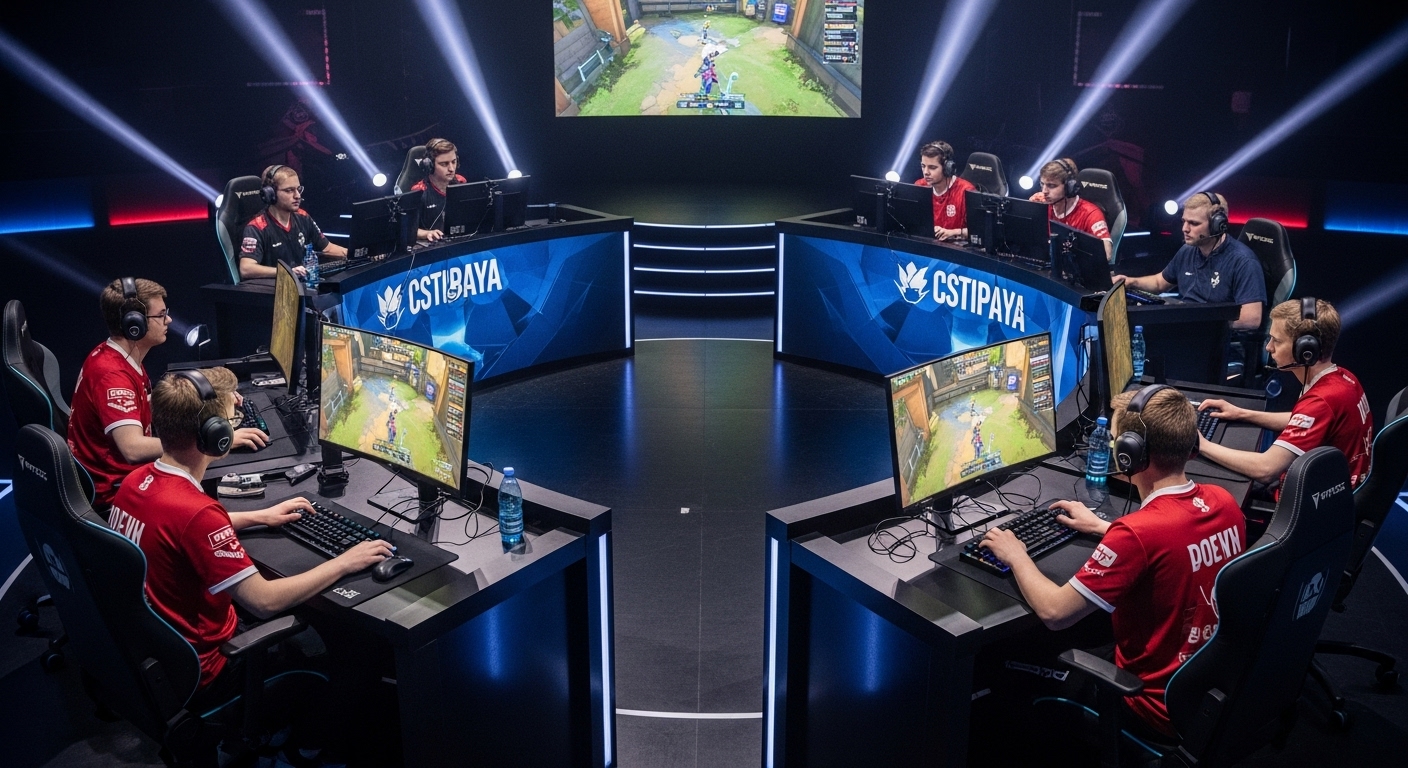
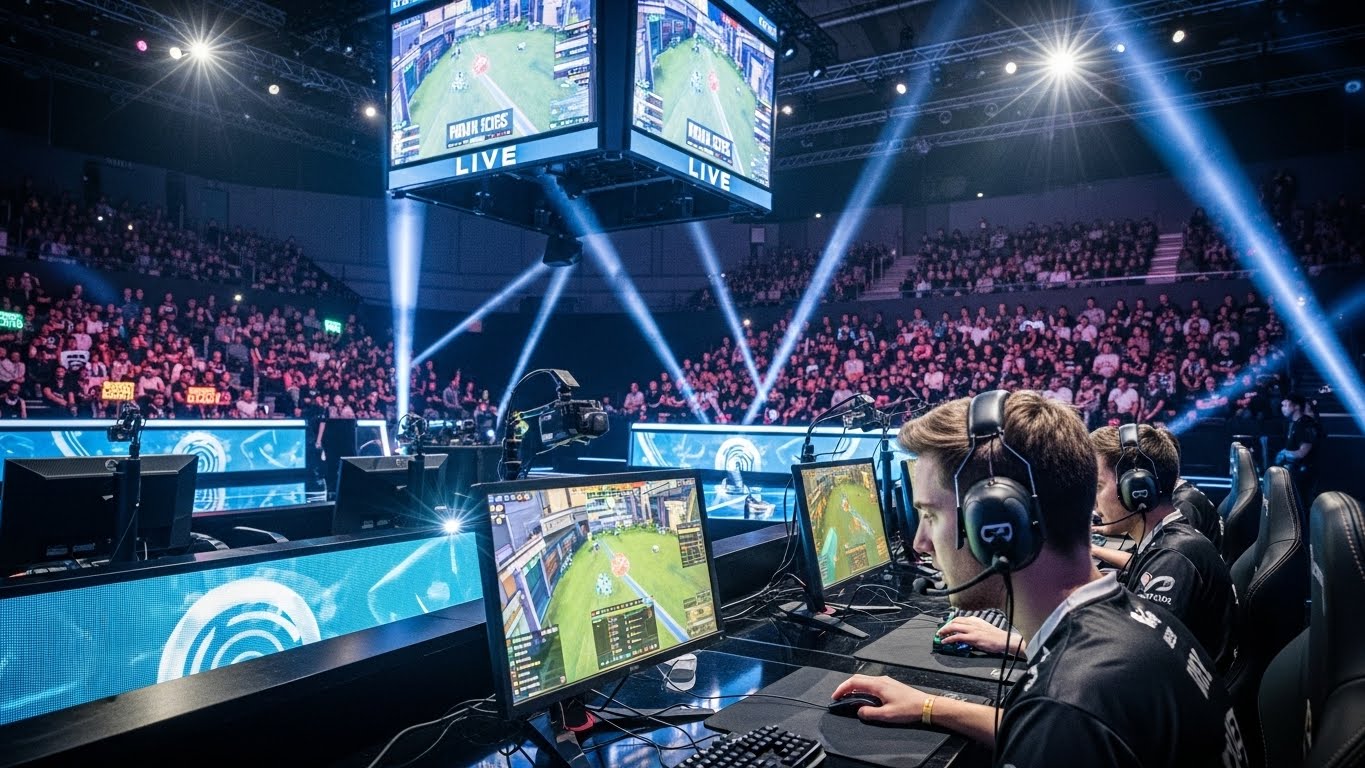
Esports, or electronic sports, has transformed the world of gaming from casual entertainment into a global competitive phenomenon. What began as informal tournaments among friends has evolved into a multi-billion-dollar industry, attracting millions of viewers, professional players, and corporate sponsorships. Today, esports combines skill, strategy, technology, and entertainment, creating experiences that rival traditional sports in excitement and cultural influence. This blog explores the evolution of esports, its impact on gaming culture, technological advancements, and its future prospects.
The Origins of Esports
The concept of competitive gaming dates back to the 1970s and 1980s, with early arcade tournaments and high-score competitions. Games like Space Invaders and Pac-Man were among the first to inspire organized competitions. As gaming consoles became more popular, local and regional competitions emerged, attracting passionate players eager to prove their skills.
In the 1990s, competitive gaming began to gain wider recognition with the rise of multiplayer games on PCs. Titles like Quake, StarCraft, and Counter-Strike became the foundation of modern esports, combining fast-paced gameplay with strategic depth. These games introduced online leaderboards, tournaments, and organized communities, laying the groundwork for esports as a structured competitive platform.
The Global Expansion of Esports
The 2000s marked a significant shift in esports as technology and internet connectivity expanded globally. Online gaming allowed players from different countries to compete, breaking geographical barriers and creating international communities. Professional esports leagues and tournaments began to emerge, offering prize money and attracting sponsorships.
South Korea played a pivotal role in esports growth, particularly with the popularity of StarCraft in the early 2000s. Professional players became national celebrities, and televised competitions brought esports into mainstream culture. Other countries followed suit, with dedicated esports organizations, arenas, and online platforms facilitating competitive play.
Today, esports is a worldwide phenomenon, with tournaments held across continents, massive live audiences, and millions of online viewers. Popular titles like League of Legends, Dota 2, Fortnite, and Call of Duty attract professional teams, sponsorship deals, and media coverage comparable to traditional sports.
The Structure of Esports Competitions
Esports tournaments are organized across various formats, including online qualifiers, regional leagues, and international championships. Competitions can range from one-on-one duels to large-scale team battles, depending on the game. Professional teams often recruit players through scouting, tryouts, and amateur competitions.
Leagues such as the League of Legends Championship Series, Dota 2’s The International, and Call of Duty League offer structured seasons, rankings, and playoffs. These leagues maintain competitive integrity, provide financial support for teams, and engage fans through storytelling, content creation, and live events.
Prize pools in esports can be enormous. The International, Dota 2’s annual championship, boasts multi-million-dollar prize pools, demonstrating the financial viability and global appeal of competitive gaming. These stakes attract highly skilled players, professional coaches, and analysts, elevating esports to a professional and strategic discipline.
The Role of Technology in Esports
Technology is at the heart of esports, enabling gameplay, broadcasting, and fan engagement. High-performance gaming PCs, consoles, and peripherals provide the precision and responsiveness required for competitive play. Network infrastructure ensures low latency and smooth online experiences, critical for games where milliseconds can determine outcomes.
Broadcasting technology has transformed esports into a spectator sport. Streaming platforms allow millions of fans to watch live competitions from anywhere in the world. Commentators, analysts, and content creators enhance the viewing experience, breaking down strategies, highlighting key moments, and engaging audiences. Virtual overlays, real-time statistics, and instant replays make esports broadcasts as immersive and exciting as traditional sports coverage.
Artificial intelligence and data analytics play an increasing role in professional esports. Teams analyze player performance, strategies, and opponent tendencies to gain competitive advantages. AI-driven tools provide insights on optimal gameplay, character selection, and tactical decision-making, reflecting the growing sophistication and professionalism of esports.
Esports and Gaming Culture
Esports has had a profound impact on gaming culture, redefining what it means to be a gamer. Competitive play encourages skill development, teamwork, and strategic thinking. Esports communities foster collaboration, mentorship, and friendly rivalry, creating inclusive spaces where players share knowledge and experiences.
The rise of esports has also blurred the lines between gaming and mainstream entertainment. Professional players achieve celebrity status, and fan engagement extends beyond gameplay to social media, merchandise, and lifestyle content. Cosplay, fan art, and community events further strengthen the connection between esports and popular culture.
Economic Impact of Esports
Esports has become a significant economic driver, generating revenue through sponsorships, advertising, media rights, merchandise, and ticket sales. Major technology and consumer brands invest in esports to reach younger audiences and engage with digital communities. Sponsorships provide financial support for teams, events, and tournaments, fueling the industry’s growth.
The professionalization of esports has created new career opportunities beyond playing. Coaches, analysts, commentators, content creators, event organizers, and marketing professionals all contribute to the ecosystem. Esports academies and training programs help aspiring players develop skills, pursue professional careers, and navigate the competitive landscape.
The Social Impact of Esports
Esports fosters social interaction and community engagement. Online platforms allow players to connect globally, form teams, and participate in tournaments. Fans engage with content creators, attend live events, and collaborate on fan-driven initiatives. This social dimension creates a sense of belonging, identity, and shared passion within esports communities.
Esports also challenges traditional notions of sports and competition. It emphasizes strategy, reflexes, and teamwork over physical prowess, making it accessible to a broader range of participants. People with disabilities or geographic limitations can compete at high levels, democratizing access to competitive experiences.
Challenges Facing Esports
Despite its growth, esports faces challenges that require careful consideration. Competitive integrity is critical, as cheating, match-fixing, and unfair advantages can undermine credibility. Organizations must implement rules, anti-cheat systems, and regulatory frameworks to ensure fair play.
Mental and physical health is another concern. Professional players often face intense schedules, high stress, and physical strain from long hours of practice. Maintaining balance, managing burnout, and providing support systems are essential for sustaining careers in esports.
Representation and inclusivity remain ongoing challenges. Efforts to promote diversity, gender equality, and safe environments are crucial to ensuring esports is welcoming for all participants. Addressing toxicity, harassment, and accessibility issues is necessary to foster healthy and vibrant communities.
The Future of Esports
The future of esports is promising, with continued growth in audiences, revenue, and technological innovation. Emerging technologies such as virtual reality and augmented reality may create new forms of competitive experiences, adding immersive dimensions to gameplay. Cloud gaming and improved internet infrastructure will make esports more accessible to players and fans globally.
Esports may also become increasingly integrated with traditional sports and entertainment. Collaborations, hybrid events, and cross-industry partnerships could expand audience reach and cultural impact. Education and training programs will professionalize the field further, offering structured pathways for aspiring players, analysts, and content creators.
As esports matures, sustainability, ethical standards, and global collaboration will shape the industry. Ensuring fair competition, inclusivity, and positive community engagement will be essential for long-term success. The intersection of gaming, technology, and entertainment positions esports as a transformative cultural and economic force.
Conclusion
Esports has emerged as a defining phenomenon of modern entertainment. It combines competition, technology, and storytelling to create experiences that captivate players and audiences alike. From its humble beginnings in arcades and local tournaments to global championships with millions of viewers, esports demonstrates the power of gaming to inspire, connect, and innovate.
The industry has not only redefined what it means to compete but also transformed gaming culture, technology, and entertainment. With professional leagues, technological advancements, and growing social impact, esports continues to evolve as a dynamic and influential force.
The rise of esports signals a broader cultural shift, where digital experiences, skill-based competition, and community engagement shape modern entertainment. As esports grows, it will continue to redefine the boundaries of play, competition, and connection, offering new opportunities for players, fans, and creators worldwide.