In the modern digital age, esports has evolved from being a simple hobby into a thriving global industry. What was once seen as just playing video games for fun is now recognized as a professional sport that requires teamwork, strategy, leadership, and communication. While many people focus on the physical and mental skills required for esports success, one of the most valuable skills that competitive gaming helps to develop is communication. In fact, effective communication is one of the cornerstones of success in esports, both on and off the virtual battlefield.
Esports players, whether competing in games like League of Legends, Counter-Strike, Dota 2, or Valorant, must constantly exchange information, coordinate strategies, and react quickly to changing circumstances. Every call, every decision, and every move requires clear and concise communication. Through regular practice and competition, esports participants naturally enhance their communication abilities in ways that extend beyond the gaming world.
The Importance of Communication in Esports
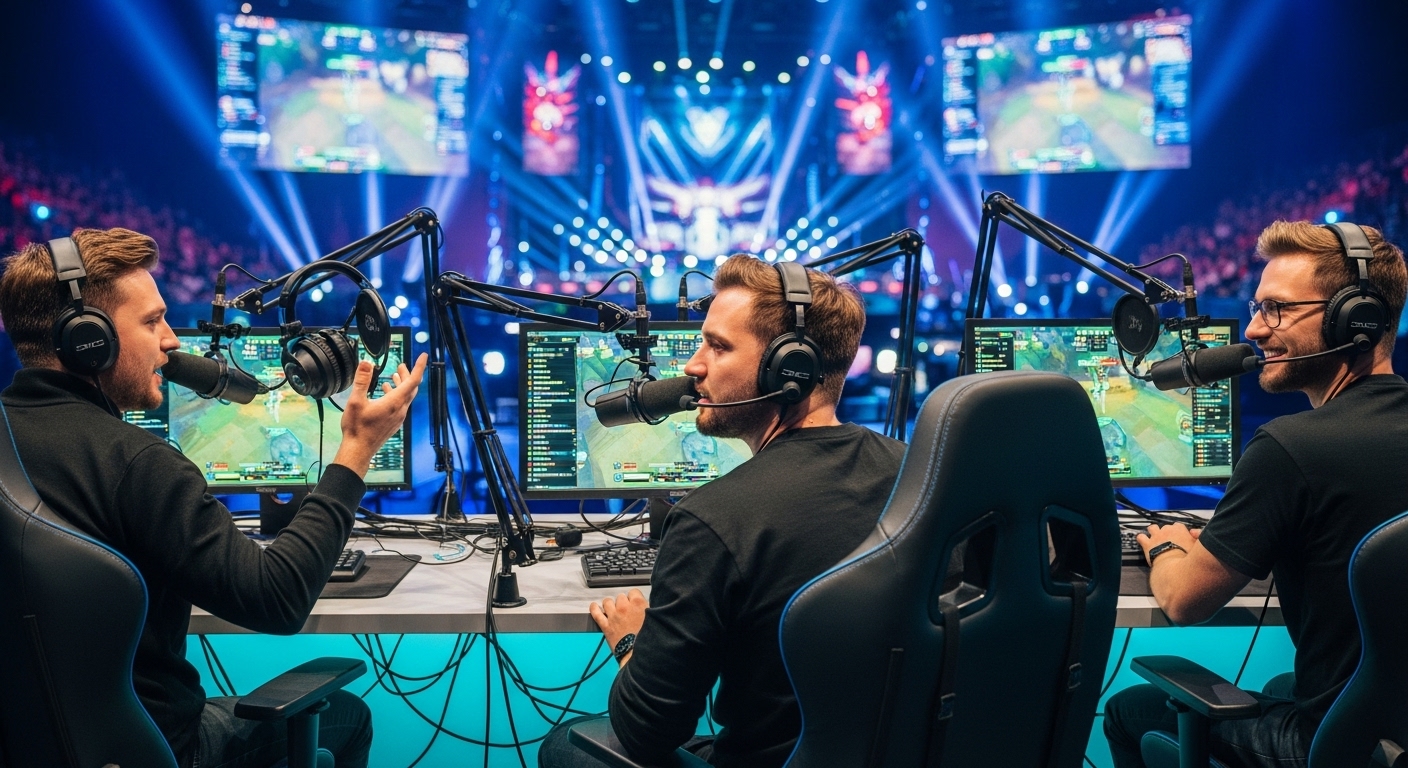
Communication is the backbone of teamwork in any competitive setting, and esports is no different. In most esports titles, success depends on collaboration between teammates. Players must coordinate strategies, share real-time updates about the game environment, and make quick decisions under pressure. Miscommunication can lead to mistakes, wasted opportunities, or even total defeat.
In games like Counter-Strike, for instance, players rely on callouts to describe enemy positions, item locations, or strategic plays. Every word matters, and a single unclear message can change the outcome of a round. Similarly, in League of Legends, players communicate about objectives, lane pressure, and enemy movements. Without effective communication, even the most skilled players cannot perform as a cohesive unit.
Through these experiences, players learn how to express themselves clearly, listen actively, and adapt their communication styles to fit the needs of the team. This constant feedback loop helps esports athletes refine their verbal and non-verbal communication over time.
Developing Verbal Clarity and Precision
One of the first communication skills that esports improves is verbal clarity. In fast-paced matches, players don’t have time for long explanations. They must deliver information quickly and clearly, often using short, standardized terms known as callouts. These callouts serve as a language unique to each game, allowing teammates to share complex information with just a few words.
For example, in Valorant, saying “enemy mid pushing B” instantly informs the team of an impending threat without confusion. Over time, players become adept at summarizing key points, avoiding unnecessary chatter, and speaking with purpose. This ability to convey essential details efficiently is a valuable communication skill that transfers easily to professional and personal interactions outside of gaming.
Esports also fosters the ability to control tone and timing. During intense matches, shouting or panicking can create confusion. Players learn to maintain composure, speak calmly under pressure, and adjust their tone to the situation. This kind of communication discipline is beneficial in leadership roles, customer service, and collaborative work environments where emotions can run high.
Enhancing Non-Verbal Communication
While verbal communication is critical in esports, non-verbal communication also plays a significant role. Players often use body language, gestures, and eye contact when competing in person. Even in online play, non-verbal cues can be conveyed through pings, quick movements, or visual signals on the map.
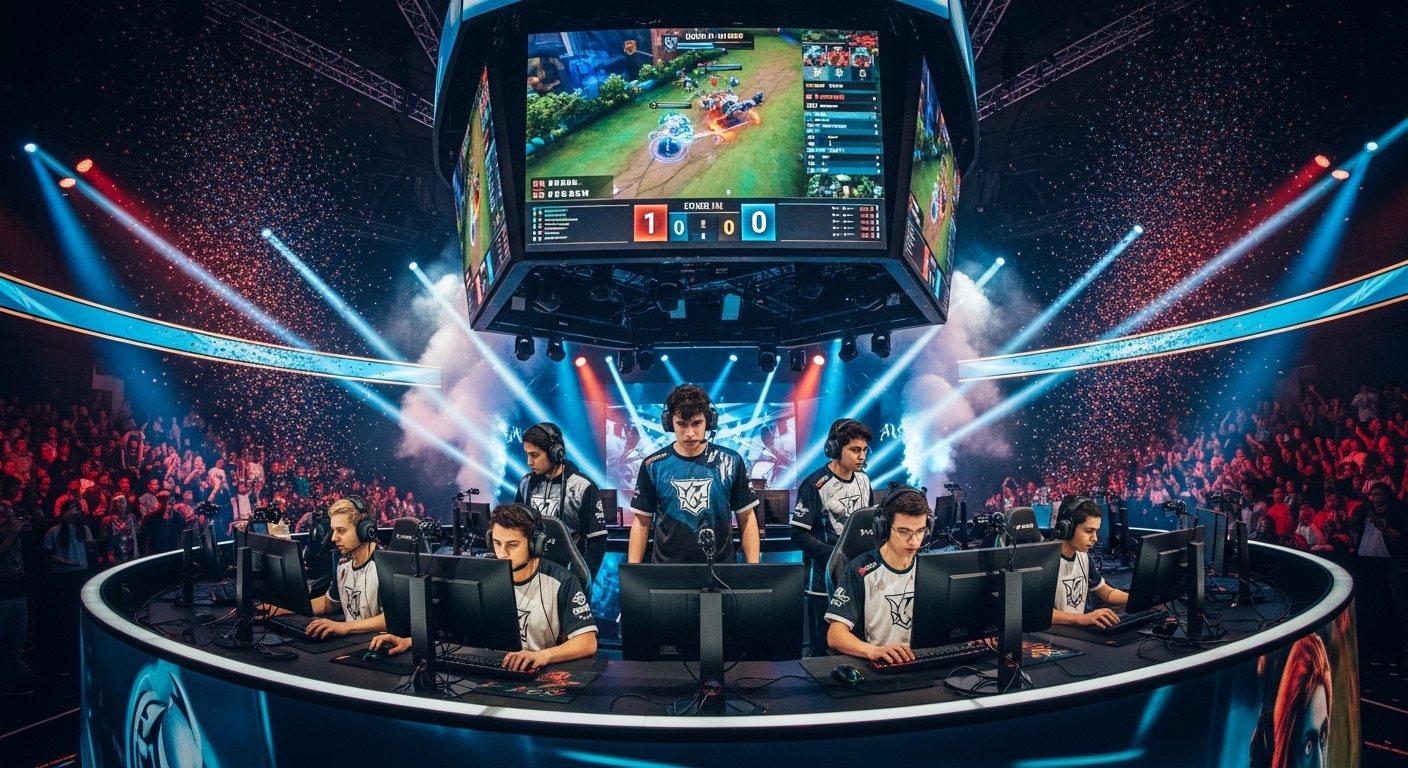
In team environments where members play side by side, non-verbal cues like nodding, pointing, or maintaining focus on a shared objective help maintain synchronization. Over time, esports players become more aware of their teammates’ body language and learn to interpret subtle signals.
This heightened awareness of non-verbal cues is beneficial in real-world communication. It helps individuals read social situations better, interpret emotions more accurately, and respond appropriately in group discussions or business meetings.
Building Active Listening Skills
Communication is not just about speaking—it’s equally about listening. In esports, players must process information from multiple sources simultaneously: their teammates’ voices, in-game sounds, visual indicators, and their own thoughts. This demands an extraordinary level of focus and active listening.
Active listening means fully concentrating on what others are saying without distraction or interruption. In an esports match, missing a single piece of information can be the difference between winning and losing. For example, if a teammate warns about a potential ambush and others don’t listen carefully, the entire team could fall into a trap.
Through constant practice, players develop the habit of attentive listening. They learn how to filter noise, prioritize information, and act quickly on what they hear. These listening skills are highly transferable to real-life scenarios, such as workplace collaboration, customer interactions, or academic teamwork.
Promoting Team Coordination and Synergy
Esports is built around teamwork. Even the most talented player cannot carry a match alone without effective coordination. Communication is what binds a team together, enabling them to synchronize movements, plan strategies, and execute plays with precision.
Teams that communicate well develop trust and synergy over time. Players learn how to anticipate each other’s actions and make decisions based on shared understanding. This level of cooperation comes from hours of communicating—discussing strategies before matches, analyzing mistakes afterward, and maintaining open channels during gameplay.
The experience of working in a coordinated team environment helps players understand the importance of collaboration. They learn how to balance their individual ambitions with the collective goal, negotiate differences in opinion, and handle constructive criticism. These lessons are valuable in professional settings, where teamwork and communication are essential for organizational success.
Encouraging Emotional Intelligence and Empathy
In competitive gaming, emotions can run high. A single mistake can cost the team victory, and frustrations can easily boil over. However, successful teams learn to manage their emotions, support one another, and maintain positive communication even under stress.
Esports teaches players to recognize and regulate their emotions, as well as to empathize with teammates who may be struggling. For example, if a teammate makes a mistake, skilled communicators know how to offer feedback constructively rather than with anger or blame. This emotional intelligence not only strengthens team bonds but also makes players better communicators in general.
Over time, players become more attuned to the emotional states of those around them. They learn when to motivate, when to offer encouragement, and when to stay silent. Such empathy-driven communication is vital in leadership, friendships, and professional relationships.
Leadership Through Communication
Leadership is another area where communication plays a pivotal role in esports. Every successful team needs a leader who can guide strategy, make quick decisions, and maintain morale. These leaders, often known as captains or shot-callers, rely heavily on communication to coordinate their teams.
A good esports leader must be persuasive yet respectful, confident yet open to feedback. They must communicate their vision clearly and ensure that every team member understands their role. Through experience, players in leadership positions learn how to give instructions effectively, listen to teammates’ input, and adjust strategies based on feedback.
This type of leadership communication closely mirrors real-world management. Whether in business, education, or sports, leaders must inspire, organize, and guide others through clear and empathetic communication. Esports provides a unique platform for individuals to develop these leadership qualities in a fast-paced, high-pressure environment.
Conflict Resolution Through Communication
In any team setting, conflicts are inevitable. Disagreements about strategy, performance, or communication style can arise during or after matches. Esports players quickly learn that resolving conflicts constructively is essential for maintaining team harmony and focus.
Effective conflict resolution depends on calm, respectful communication. Players must express their concerns without hostility, listen to others’ perspectives, and find common ground. Many teams hold post-match discussions, known as “debriefs,” where they analyze performance and address any issues. These moments teach players how to give and receive criticism professionally.
Over time, players develop resilience and diplomacy—two critical traits that help them navigate interpersonal challenges outside of gaming as well. Whether in the workplace, school, or family life, the ability to resolve conflicts through communication is a skill that esports players carry with them.
Cross-Cultural Communication in Global Esports
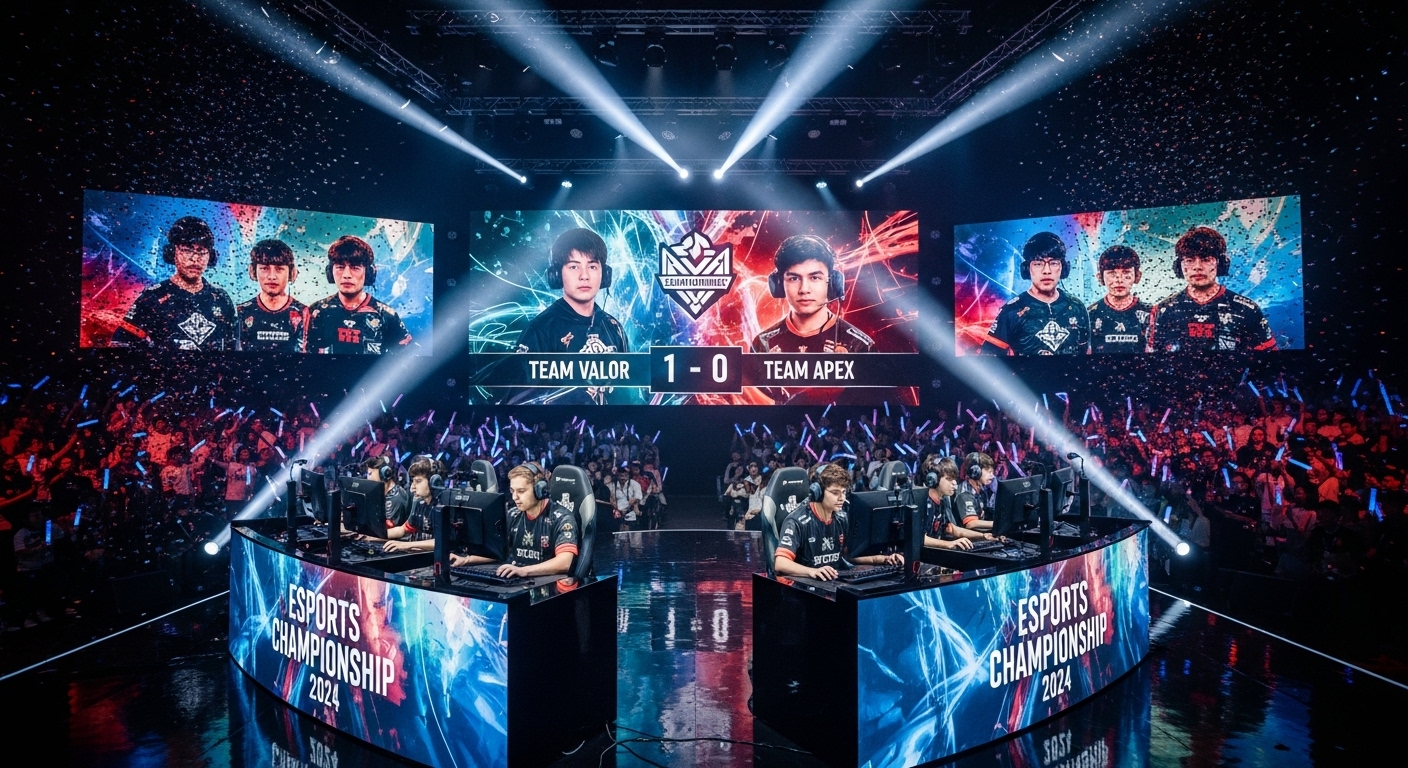
Esports is a global phenomenon, bringing together players from different cultures, languages, and backgrounds. Teams often consist of members who speak different native languages or come from diverse regions. This international environment encourages players to develop cross-cultural communication skills.
To work effectively with teammates from around the world, players must be patient, respectful, and adaptable. They learn how to bridge language barriers, use universal gaming terms, and understand cultural differences in communication styles. This experience fosters global awareness and cultural sensitivity—qualities that are increasingly important in today’s interconnected world.
By participating in international tournaments or playing on global servers, esports athletes become more comfortable interacting with people from diverse backgrounds. They gain confidence in expressing themselves across cultural boundaries, which is a valuable skill in global business, diplomacy, and education.
Communication in Esports Coaching and Analysis
Beyond players, communication also plays a central role in esports coaching and analysis. Coaches, analysts, and support staff rely on effective communication to train players, review performances, and strategize for future matches.
Coaches must convey feedback clearly and motivate players without discouraging them. Analysts must present complex data in a way that is understandable and actionable. These communication practices create an environment of growth and continuous improvement.
For players, learning to communicate with coaches and analysts strengthens their ability to handle feedback constructively. They learn to ask questions, seek clarification, and engage in productive discussions about performance. This type of open communication culture mirrors successful professional environments in other industries.
Communication Beyond the Game
One of the most fascinating aspects of esports is how communication skills developed in the gaming arena translate to everyday life. Many players report that their ability to communicate, collaborate, and express themselves improves significantly through gaming.
In schools and universities, educators have begun to recognize esports as a tool for teaching teamwork and communication. Students who participate in esports clubs or tournaments often show better social skills, confidence in public speaking, and improved cooperation in group projects.
In professional settings, former esports players bring their strong communication and problem-solving abilities to the workplace. Their experience working in high-stress, fast-paced environments gives them an advantage in roles that require coordination, quick thinking, and teamwork.
Even casual gamers benefit from the communication lessons learned in esports. Whether they are talking to friends, managing online communities, or participating in collaborative online spaces, they demonstrate better interpersonal skills and adaptability.
The Psychological Foundation of Communication in Esports
Psychologists studying esports have found that communication plays a key role in performance and satisfaction. Teams that communicate effectively tend to report higher morale, stronger bonds, and better results. Good communication reduces misunderstandings, lowers stress, and promotes a sense of belonging.
From a psychological perspective, the social interaction within esports teams fulfills a fundamental human need for connection. Players feel part of a community where their voices matter, and their opinions contribute to collective success. This sense of belonging can improve mental health and self-confidence, especially for younger players who may struggle with social anxiety.
The iterative nature of team communication—discussing strategies, executing them, and reflecting afterward—also builds cognitive and emotional skills. It teaches players how to handle feedback, accept responsibility, and stay motivated even after setbacks.
The Long-Term Impact of Esports on Communication Skills
As esports continues to grow, its influence on personal and professional development becomes more evident. Many players who start gaming in their teens carry the communication habits they learn into adulthood. They are more likely to value collaboration, be open to feedback, and excel in group-oriented environments.
Organizations and educational institutions have begun to embrace esports as a legitimate training ground for soft skills. Communication, leadership, and teamwork are now recognized as transferable competencies gained through gaming. This shift in perception demonstrates how esports can be more than just entertainment—it can be an educational and developmental platform.
With proper guidance, structured practice, and a focus on teamwork, esports can serve as a powerful tool for teaching essential life skills. The discipline of communicating effectively under pressure, coordinating with diverse individuals, and resolving conflicts respectfully prepares players for success in any field.
Conclusion
Esports is far more than a competition of reflexes and strategy—it is a communication laboratory. Every match, every team discussion, and every strategic adjustment provides an opportunity to strengthen essential interpersonal skills. Players learn to speak clearly, listen actively, manage emotions, resolve conflicts, and lead with empathy.
The communication lessons learned in esports extend beyond the game, influencing education, careers, and relationships. Whether someone becomes a professional gamer, coach, analyst, or simply applies these skills in everyday life, the impact of esports on communication is profound and lasting.
In a world that increasingly values digital collaboration, esports stands as a testament to how technology and teamwork can work hand in hand to develop human connection. By fostering communication, esports not only builds better players—it builds better people.