Over the past two decades, the world of gaming has evolved from a niche hobby into a global phenomenon, and at the heart of this transformation lies esports. What began as casual, friendly competitions between friends has exploded into a billion-dollar industry, attracting millions of viewers, professional athletes, and sponsors from all around the world. Esports, or electronic sports, refers to competitive video gaming at a professional level, where individuals and teams compete in organized tournaments for substantial prize pools. But what is it about esports that has captivated such a large audience, and how did it become such a massive industry? In this blog post, we will explore the rise of esports, its impact on the gaming community, the industry behind it, and what the future holds for this rapidly growing sector.
The Origins of Esports
The roots of competitive gaming can be traced back to the early days of video gaming itself. While the modern concept of esports wasn’t fully realized until the 21st century, the foundation was laid in the late 1970s and early 1980s. Games like Space Invaders and Pong were among the first to host competitive events, albeit on a small scale. The first true esports tournament, known as the “Space Invaders Championship,” took place in 1980 in the United States, and it attracted thousands of participants, marking the beginning of competitive gaming’s journey.
In the 1990s, the internet revolutionized gaming, allowing players to connect with each other online. This was the tipping point that led to the rise of more organized competitive gaming events. Games such as StarCraft, Quake, and Warcraft III played key roles in shaping the early esports landscape. By the late 1990s and early 2000s, regional and international tournaments began to gain popularity, particularly in South Korea, where StarCraft became a national pastime and helped establish esports as a legitimate career path.
The early 2000s also saw the launch of platforms like Battle.net, Xfire, and Steam, which made it easier for gamers to connect and compete online. This period marked the beginning of a professional esports scene, with major competitions being held for games like Counter-Strike and League of Legends, some of which still remain staples in the industry today.
The Growth of Esports: From Niche to Mainstream
What started as a niche subculture for passionate gamers gradually grew into a global spectacle. A major turning point came in the mid-2000s, when events like The International, the world’s first major Dota 2 tournament, attracted significant sponsorship and media attention. With impressive prize pools and the development of high-profile tournaments, esports began to emerge as a serious, professional pursuit.
Streaming platforms such as Twitch and YouTube Gaming played a huge role in this transition. Twitch, launched in 2011, became the go-to platform for live streaming competitive gaming events, giving fans easy access to watch their favorite games and players in action. With more viewers tuning in to watch live esports competitions, sponsorship deals, advertising revenue, and media rights became key drivers of growth in the esports ecosystem.
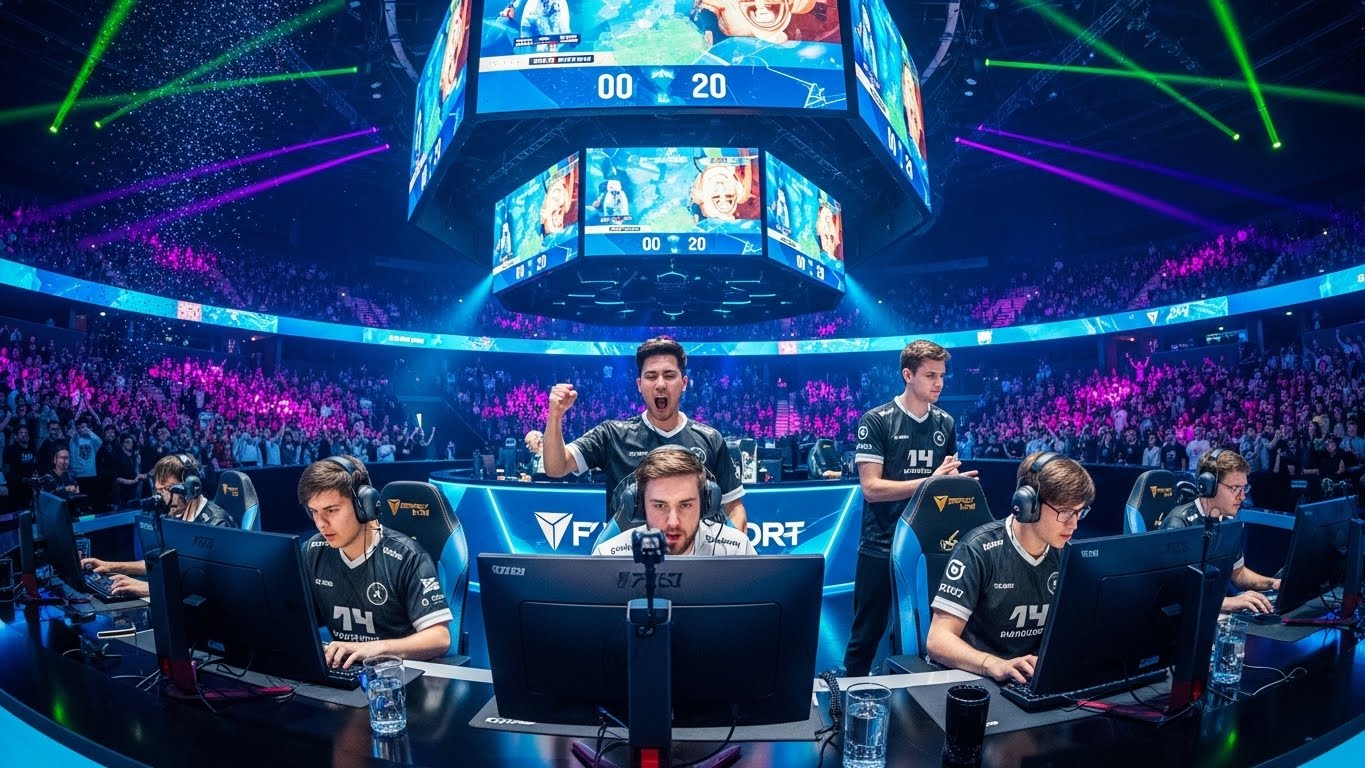
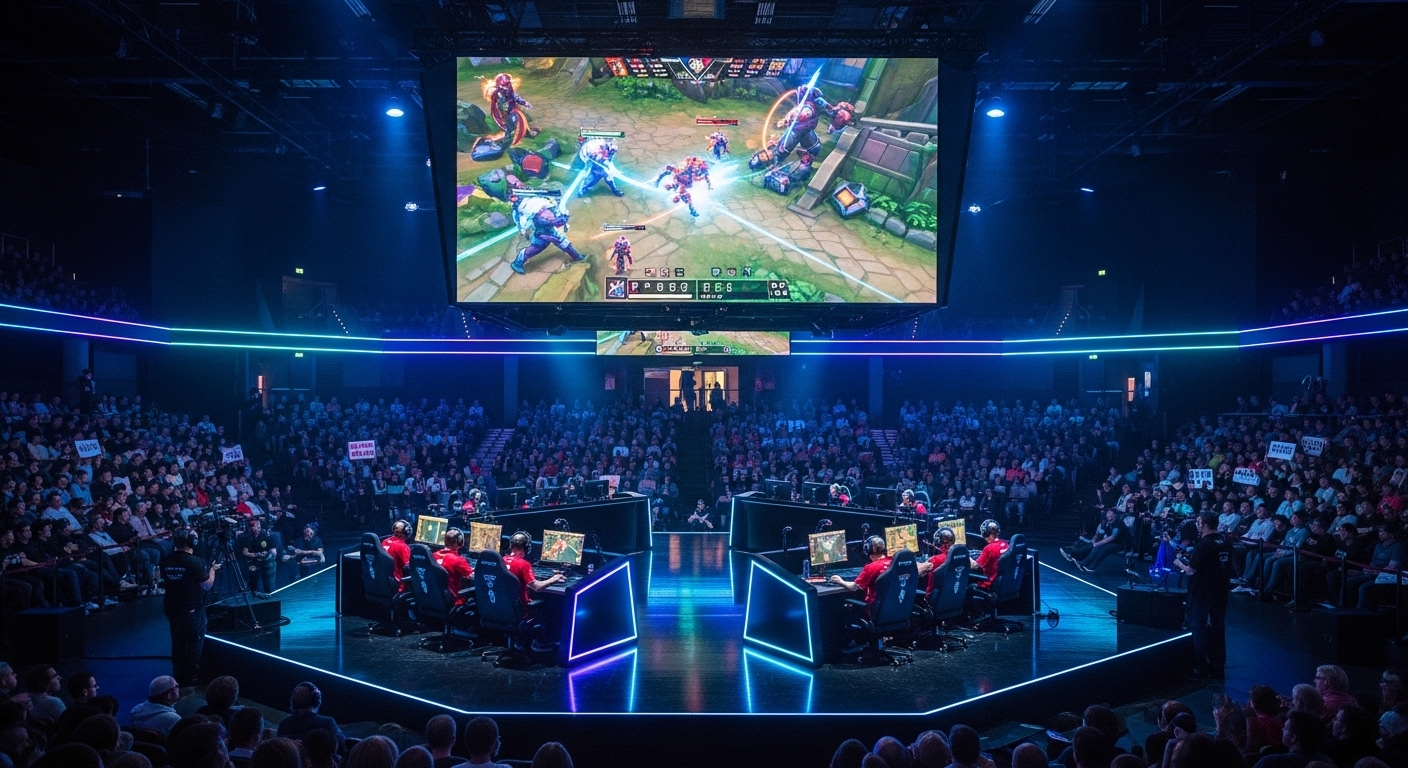
Another factor contributing to the rise of esports was its appeal to a younger audience. As millennials and Gen Z grew up with video games, they also became the demographic driving the demand for professional gaming. Esports events, once held in small venues, started to fill arenas and stadiums, drawing crowds that rivaled those of traditional sports events. In 2018, the League of Legends World Championship final drew a crowd of over 99 million viewers, surpassing the viewership of many traditional sports finals, including the Super Bowl.
The Structure of the Esports Industry
The esports industry has evolved into a complex, multi-layered ecosystem that encompasses a variety of stakeholders, from players and teams to sponsors and broadcasters. Let’s break down the key components of the esports industry:
Professional Players and Teams
At the heart of the esports industry are the professional players and teams who compete in tournaments for fame, glory, and significant monetary prizes. Unlike traditional athletes, esports players can compete in a variety of genres, from first-person shooters to real-time strategy games and multiplayer online battle arena (MOBA) games.
Esports players often start at a young age and hone their skills over years of practice and competition. Many players begin their careers in online communities or amateur tournaments, before being noticed by major teams or sponsors. In esports, a player’s skill level, teamwork, and ability to perform under pressure are key to success. It’s not just about playing the game well; players must also be mentally sharp and able to work together with their teammates to win.
Professional esports teams operate similarly to traditional sports teams, with players recruited based on their individual talents and teamwork abilities. These teams have coaches, analysts, and managers who help prepare players for competitions and assist with team strategy. Top esports teams, such as Team Liquid, Fnatic, and Cloud9, regularly compete in tournaments and have established their brands within the esports ecosystem.
Tournaments and Leagues
Esports tournaments are the cornerstone of the competitive gaming scene. These events bring together the best players from around the world to compete for large prize pools, often totaling millions of dollars. Some of the most prestigious tournaments include The International (Dota 2), League of Legends World Championship, ECS (Esports Championship Series), and ESL One. These tournaments attract millions of viewers, both online and in-person, and are often broadcast live on platforms like Twitch and YouTube.
Esports leagues have also become a vital part of the ecosystem. One of the most prominent examples is the Overwatch League (OWL), which functions similarly to traditional sports leagues like the NBA or NFL. The OWL features franchises based in various cities, with teams competing in regular seasons and playoffs. Other games, like Call of Duty, Rocket League, and Valorant, have also adopted league systems, providing players with consistent opportunities to compete at the highest level.
Sponsors and Advertisers
The growth of esports has attracted the attention of major brands and companies looking to tap into the gaming demographic. Sponsorship deals have become a primary source of revenue for esports teams, players, and tournaments. Brands from a wide range of industries—tech, apparel, energy drinks, and even automobiles—are investing heavily in esports to build their brands among the younger, tech-savvy audience that follows competitive gaming.
For instance, companies like Intel, Coca-Cola, Nike, and Red Bull have all sponsored esports tournaments or partnered with professional teams. These sponsorships often include product placements, branded content, and advertising during broadcasts. With the esports audience continuing to grow, sponsorship and advertising revenue have become crucial to sustaining the industry.
Broadcasting and Streaming
As esports became more mainstream, the way fans consumed these events also changed. Traditional TV broadcasting gave way to online streaming platforms, with Twitch emerging as the dominant force in esports content. Twitch allows fans to watch their favorite players, teams, and events live, often with interactive features that let viewers engage with streamers in real time.
In addition to Twitch, other streaming services like YouTube Gaming and Facebook Gaming also broadcast esports events, further expanding the audience. Many esports tournaments also receive coverage on traditional TV networks, including ESPN and TBS, which have aired major events such as the League of Legends World Championship and ELeague tournaments.
Streaming platforms have helped elevate esports to new heights by making it easier for fans to access content, support their favorite players, and interact with other members of the gaming community. The ability to watch tournaments live, along with the development of esports commentary (similar to traditional sports), has made esports events feel more like legitimate sporting competitions.
Esports and the Culture of Gaming
Beyond the financial and structural components of esports, the rise of competitive gaming has also had a profound effect on the gaming community and its culture. Esports has fostered a sense of belonging and camaraderie among players, viewers, and fans alike. It has also reshaped how society views gaming as a whole.
Gaming as a Career Path
In the past, playing video games was often seen as a recreational activity or a hobby. Today, however, professional gaming has become a legitimate career path for many individuals. Young gamers can now aspire to become professional esports athletes, streamers, or content creators, earning sponsorship deals, prize money, and streaming revenue.
The rise of esports has also created new job opportunities within the industry. Beyond players, there are roles for coaches, analysts, broadcasters, event organizers, graphic designers, and marketing professionals. Esports has become a thriving industry that supports a wide variety of careers for people with different skill sets and passions.
Esports Communities and Social Interaction
Esports has also created global communities of fans and players who share a passion for gaming. Online platforms like Discord and Reddit have allowed fans to connect, discuss strategies, share content, and build relationships with others who have similar interests. These communities provide an outlet for social interaction, whether through casual conversation or serious discussions about gameplay.
Moreover, esports has become a social experience that transcends geographical boundaries. Players and fans from different countries and cultures come together to celebrate their love for games, fostering cross-cultural communication and collaboration.
The Future of Esports
As esports continues to grow, the future of the industry looks bright. Esports is now an established part of the entertainment world, with millions of fans and players worldwide. The industry’s continued expansion is driven by increased investment, broader media coverage, and growing global fanbases.
We can expect to see more innovation in the ways esports tournaments are organized and broadcasted. Virtual reality (VR) and augmented reality (AR) technologies have the potential to revolutionize the esports experience, creating new ways for fans to engage with events and players. Additionally, the increasing integration of esports in schools and universities suggests that the next generation of professional gamers is already