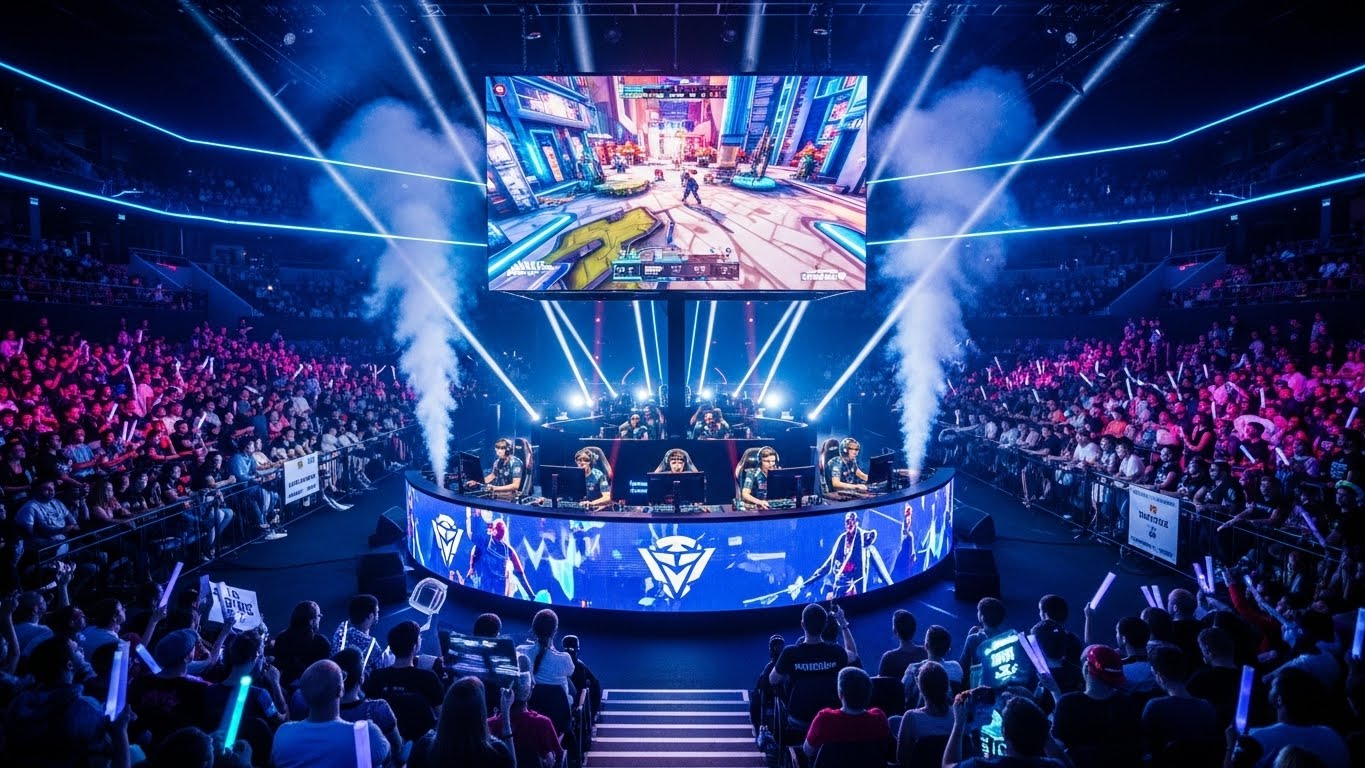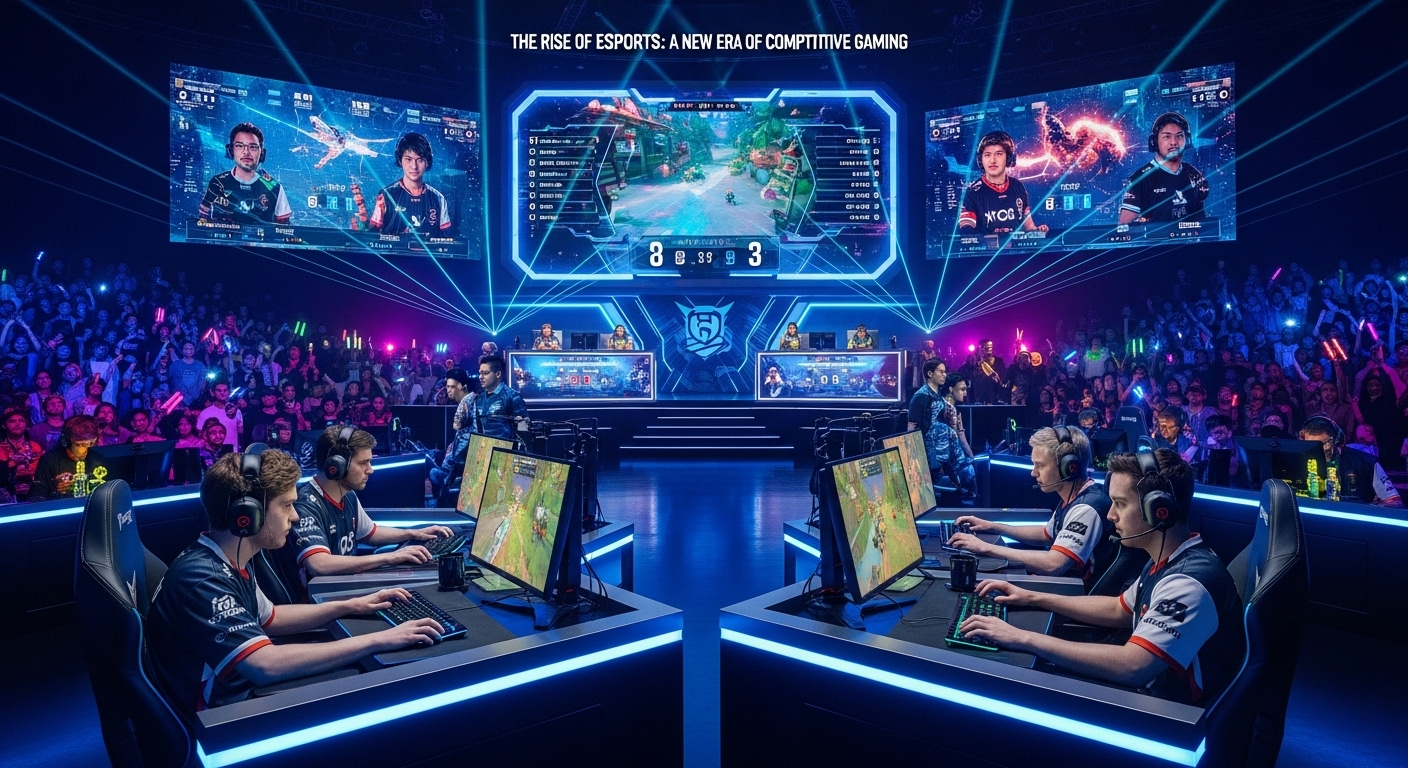
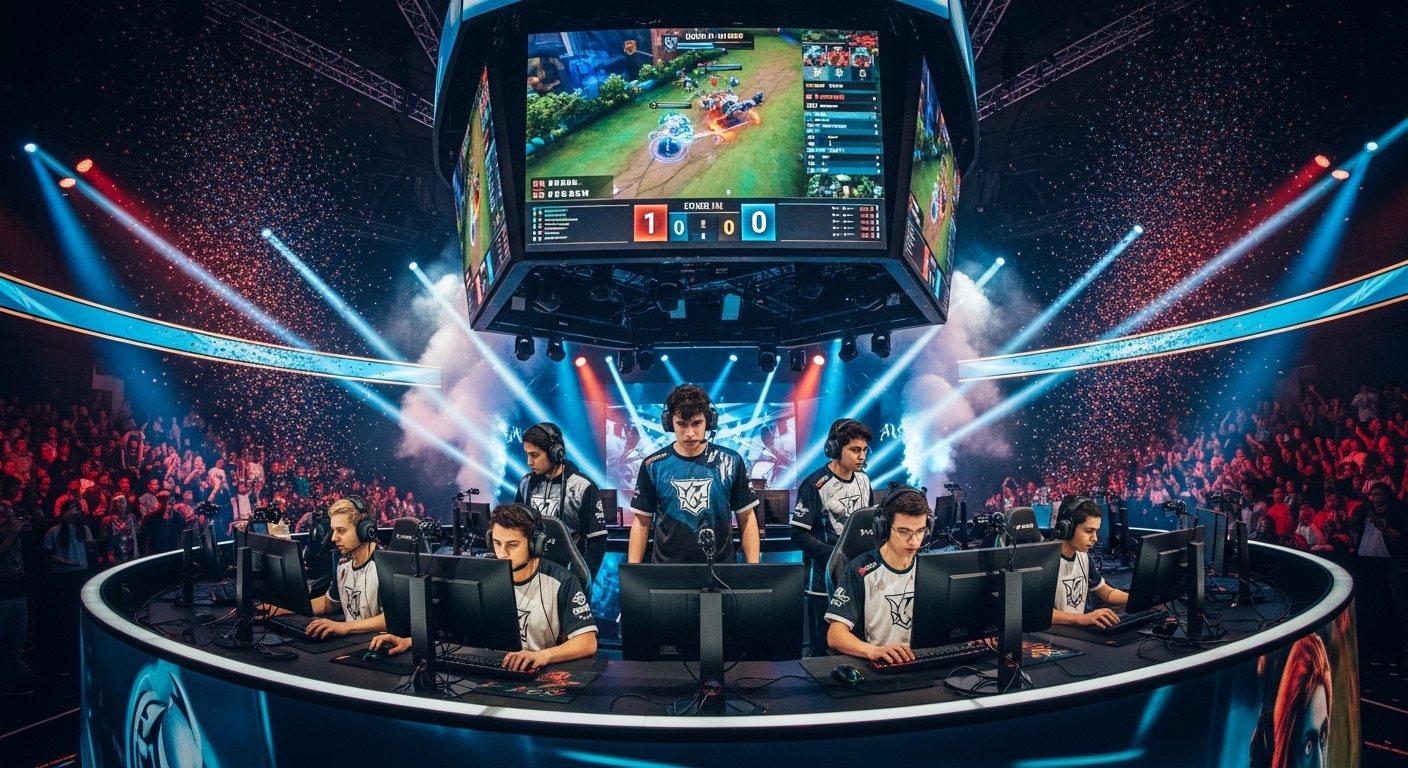
Esports, or competitive gaming, has evolved from a niche hobby into a global phenomenon. Once considered a pastime for teenagers in basements, esports now fills stadiums, attracts millions of viewers online, and generates revenues rivaling traditional sports. With professional players, team organizations, sponsorship deals, and international tournaments, esports has become a legitimate career path and a cultural force. This blog explores the rise of esports, its influence on society, its economic potential, and the future of competitive gaming.
The Origins of Esports
The roots of esports can be traced back to the late 1970s and early 1980s, when arcade games and early computer games became popular. Simple competitions for games like Space Invaders and Pac-Man attracted small communities of players. However, esports as we know it began in the 1990s with the rise of personal computers and multiplayer gaming.
Games like Doom, Quake, and StarCraft pioneered online competitive play. Players started forming teams, participating in tournaments, and sharing strategies. The concept of professional gaming slowly emerged as communities began organizing competitions with cash prizes. This was the foundation of what would grow into the esports ecosystem we see today.
The Evolution of Competitive Gaming
The 2000s marked a turning point for esports. Internet accessibility increased, allowing players to connect and compete globally. Multiplayer online games became the cornerstone of competitive gaming, with titles like Counter-Strike, World of Warcraft, and League of Legends attracting dedicated player bases.
Esports tournaments began to draw attention from sponsors and media, legitimizing the competitive scene. Platforms like Twitch and YouTube enabled live streaming of matches, allowing fans to watch their favorite players in real time. This era marked the transition from casual gaming competitions to a professional and organized sport.
The Role of Streaming Platforms
Streaming platforms have been critical to the growth of esports. They allow players to broadcast their gameplay to millions of viewers, creating a sense of community and fan engagement. Twitch, in particular, became a hub for live esports content, connecting fans with players and teams.
Streaming not only provides entertainment but also monetization opportunities. Viewers can subscribe, donate, and interact with their favorite players. For professionals, this creates an additional revenue stream beyond tournament winnings. Streaming has made esports accessible worldwide, turning it into a spectator sport with a massive digital audience.
Professional Teams and Players
Professional esports teams operate much like traditional sports organizations. They recruit talented players, provide training facilities, and manage sponsorship deals. Teams compete in leagues and tournaments across different games, from first-person shooters to multiplayer online battle arenas.
Top esports players gain celebrity status, with fan followings rivaling athletes in traditional sports. They are often signed to lucrative contracts and receive salaries, sponsorships, and merchandise deals. The dedication and skill required at the professional level are immense, with players practicing for hours daily to maintain peak performance.
Major Esports Tournaments
Esports tournaments are now global events that attract millions of viewers and offer substantial prize pools. Games like Dota 2, League of Legends, Counter-Strike: Global Offensive, and Fortnite host annual tournaments with prizes in the millions of dollars.
Events such as The International, the League of Legends World Championship, and the Fortnite World Cup are broadcast worldwide, filling arenas and digital platforms. These competitions are not just about gaming; they feature live commentary, professional production, and fan experiences that rival major sporting events. The rise of esports tournaments has transformed competitive gaming into a professional industry with international reach.
The Economic Impact of Esports
Esports has become a major economic force. Revenue comes from multiple sources, including sponsorships, advertising, merchandise, ticket sales, and digital content. Leading brands from technology, beverage, and apparel industries invest heavily in esports sponsorships, seeing the marketing potential of engaging younger, digitally native audiences.
The growth of esports has also led to job creation. Beyond players, there are opportunities for coaches, analysts, event organizers, commentators, and content creators. Universities and training academies now offer programs in esports management, game design, and professional coaching, reflecting its integration into mainstream economy and education.
Esports and Youth Culture
Esports has had a significant influence on youth culture. It provides a platform for social interaction, competition, and skill development. Many young people are inspired to pursue gaming professionally or develop careers in technology and entertainment related to esports.
Esports also fosters teamwork, strategic thinking, and quick decision-making. Players learn to manage pressure, communicate effectively, and collaborate to achieve objectives. These skills are transferable, benefiting education and career prospects. The cultural impact of esports extends beyond gaming, shaping how young generations engage with technology and entertainment.
Health and Well-Being in Esports
While esports has many benefits, it also presents unique health challenges. Professional players face intense schedules, repetitive strain injuries, eye strain, and mental stress from competition. Managing physical and mental well-being is essential for long-term performance.
Teams now employ sports psychologists, fitness trainers, and nutritionists to support players. Healthy routines, exercise, and balanced nutrition are increasingly recognized as vital components of professional gaming. The esports community continues to raise awareness about well-being, ensuring that success in the industry does not come at the cost of health.
The Role of Technology in Esports
Technology is the backbone of esports. High-performance computers, fast internet connections, and advanced gaming peripherals are essential for competitive play. Graphics engines, streaming software, and online platforms facilitate global tournaments and real-time viewer interaction.
Artificial intelligence and analytics are increasingly used to study gameplay, improve strategies, and enhance performance. Virtual reality and augmented reality are opening new possibilities for immersive esports experiences. Technology not only enables competitive gaming but also drives innovation within the industry, making esports a field where technological advancement and entertainment converge.
The Globalization of Esports
Esports has transcended national boundaries to become a global phenomenon. Countries in Asia, Europe, and North America dominate competitive gaming, but emerging regions are rapidly gaining prominence. Nations host international tournaments, develop infrastructure, and support esports programs to cultivate local talent.
The international nature of esports fosters cultural exchange and global connectivity. Players and fans from different countries come together through competition and community engagement. This global reach distinguishes esports from traditional sports, highlighting the power of digital platforms to unite people worldwide.
The Future of Esports
The future of esports is full of opportunities and challenges. Advancements in virtual reality, cloud gaming, and artificial intelligence will redefine how games are played and experienced. Audience engagement is expected to grow as interactive and immersive technologies make spectators active participants.
Esports may also become more integrated into traditional sports ecosystems, with collaborations between professional leagues, media networks, and academic institutions. Greater recognition from governments and sporting organizations could lead to formalized training programs, scholarships, and inclusion in events like the Olympics.
Challenges Facing Esports
Despite its rapid growth, esports faces several challenges. Ensuring fair competition, regulating prize pools, and addressing cheating are critical concerns. The mental health of players and the sustainability of long-term careers require ongoing attention.
Additionally, accessibility remains an issue in regions with limited technological infrastructure. Bridging these gaps will be essential for making esports truly global and inclusive. Industry stakeholders must navigate these challenges responsibly to maintain growth and credibility.
Esports as a Cultural Phenomenon
Esports is more than a competitive activity; it is a cultural movement. It influences entertainment, fashion, music, and online communities. Esports personalities become role models, inspiring creativity and ambition. The rise of fan art, cosplay, and esports media shows how gaming culture extends into lifestyle and identity.
By embracing esports, society acknowledges the legitimacy of digital competition and entertainment. It highlights how technology, culture, and creativity intersect to create new forms of human expression.
Conclusion: Esports Beyond the Game
Esports has evolved from small local competitions to a global industry with millions of players and fans. It combines technology, skill, strategy, and entertainment into a dynamic ecosystem that continues to grow. Beyond the thrill of competition, esports fosters community, drives economic opportunities, and shapes youth culture.
As technology advances and the industry matures, esports will become even more immersive, interactive, and influential. It is no longer just a game; it is a platform for connection, creativity, and human potential. The rise of esports demonstrates that entertainment, competition, and innovation can coexist, creating a future where gaming is recognized as a legitimate, celebrated, and transformative pursuit.