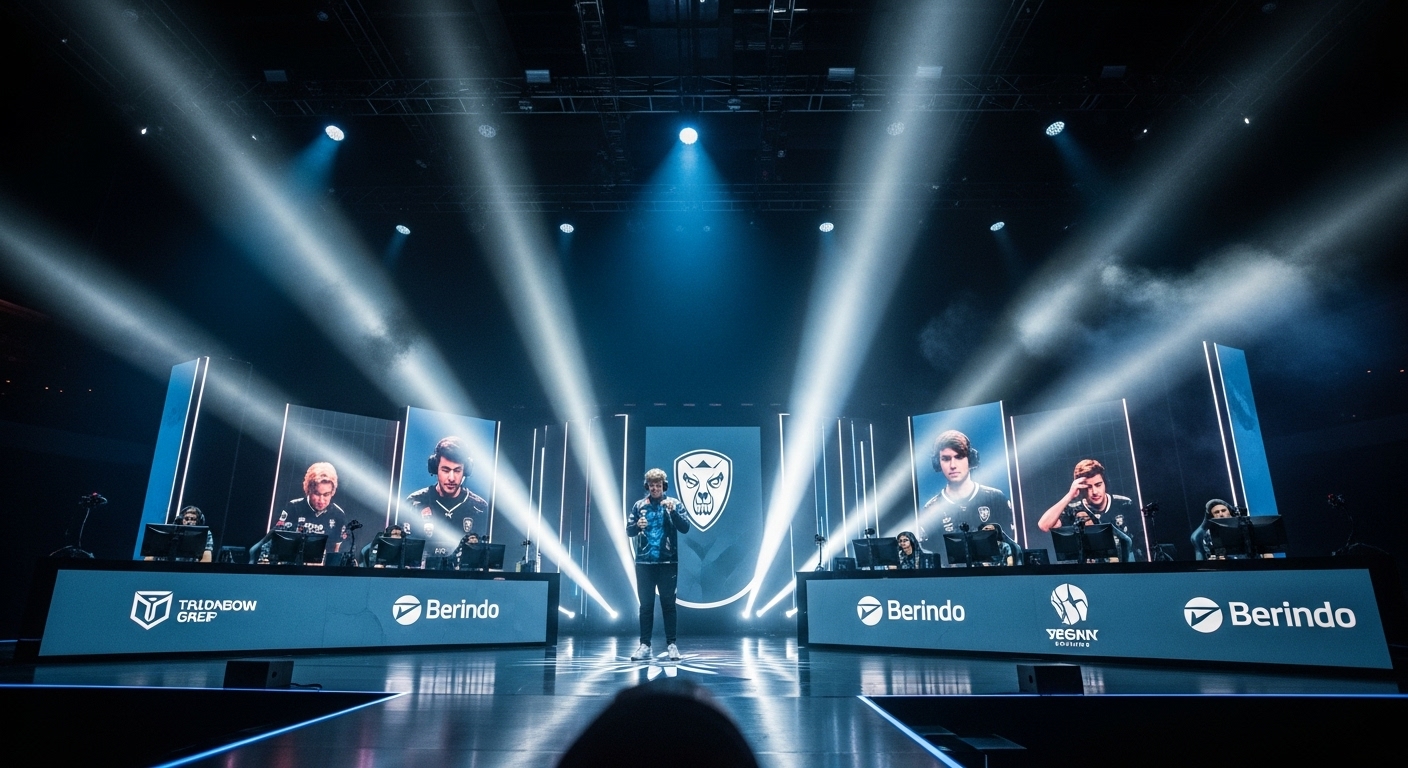
The world of esports is no longer just about who is the best at a particular game. Today, the conversation extends far beyond tournaments and championships. A new rivalry has emerged: esports streamers versus professional players. While one group grinds through competitive leagues and tournaments for prize pools, the other builds massive audiences online and converts views into revenue streams.
So, who earns more—streamers or professional players? The answer is more complex than you might think. Both career paths can be incredibly lucrative, but they differ in revenue models, stability, and longevity. This article takes a deep dive into the financial realities of both careers, breaking down how money is made, who the top earners are, and what the future holds.
The Rise of Two Career Paths in Gaming
Professional Esports Players
Pro players are contracted by esports organizations to compete in tournaments, leagues, and show matches. Their careers resemble those of athletes in traditional sports. They train rigorously, follow team schedules, and earn a base salary plus potential bonuses. The most prestigious competitions, like The International in Dota 2 or the League of Legends World Championship, offer multi-million-dollar prize pools that can dramatically boost earnings.
Streamers and Content Creators
Streamers, on the other hand, are more like entertainers. They play games, chat with audiences, host events, and create content across platforms like Twitch, YouTube, and Kick. Their income depends on audience engagement and monetization tools such as subscriptions, ads, donations, sponsorships, and merchandise. Unlike pro players, streamers don’t need to win tournaments to earn money—they need to capture attention and keep their fans engaged.
Revenue Sources for Pro Players
Professional players rely on several income streams:
- Salaries
Most pro players receive monthly or annual salaries from their teams. These vary significantly by region and game. In franchised leagues like the LCS (League of Legends Championship Series) or top-tier Valorant leagues, salaries can range from $100,000 to $500,000 annually for star players. In smaller regions or lesser-known games, salaries may be as low as $20,000–$40,000 per year. - Prize Winnings
Tournament prize pools can be massive. Dota 2’s The International, for instance, has awarded more than $30 million in a single year. Players like Johan “N0tail” Sundstein have earned over $7 million in career winnings—primarily from tournament victories. However, prize money is usually split among teammates, and unless you’re consistently at the top, these windfalls are rare. - Performance Bonuses
Teams often reward players with bonuses for high placements, championship titles, or MVP awards. These can add tens of thousands of dollars to yearly income. - Sponsorship Deals
Top-tier players may secure personal sponsorships, such as gaming peripheral endorsements or energy drink partnerships. While valuable, they’re less common for mid-tier players. - Streaming as a Side Hustle
Many pro players stream their practice sessions or off-hours gameplay. While not always as profitable as full-time streamers, this can provide an extra layer of income.
Revenue Sources for Streamers
Streamers’ earnings are built around their audiences. The bigger and more loyal the fanbase, the more diverse their income becomes.
- Subscriptions and Memberships
Twitch subscriptions or YouTube channel memberships provide steady monthly income. For instance, a streamer with 10,000 subscribers can earn between $25,000–$30,000 per month from subscriptions alone. - Ad Revenue
Ads run before or during streams. The payout depends on total watch hours and ad contracts. While ad revenue can be inconsistent, for large streamers it often adds six figures annually. - Donations and Tips
Direct viewer support through platforms like Twitch Bits or YouTube SuperChats can result in thousands of dollars per month, depending on audience generosity. - Sponsorships and Brand Deals
For top creators, brand partnerships are often the single largest income source. A popular streamer may earn millions annually by partnering with brands ranging from PC hardware companies to fashion labels. - Merchandise Sales
Streamers frequently launch their own clothing lines, accessories, or digital products, turning loyal fans into paying customers. - Exclusive Platform Deals
Occasionally, streaming platforms sign creators to exclusive contracts. These deals can be worth millions of dollars per year and guarantee stability.
Top Earners in Both Worlds
Highest-Earning Pro Players
- Johan “N0tail” Sundstein (Dota 2): Over $7 million in prize winnings, making him the all-time leader in esports earnings.
- Kyle “Bugha” Giersdorf (Fortnite): Won $3 million at the Fortnite World Cup in 2019.
- Kuro “KuroKy” Salehi Takhasomi (Dota 2): Another multi-million-dollar earner thanks to The International.
These players represent the extreme top tier, where tournament victories result in life-changing paydays.
Highest-Earning Streamers
- Kai Cenat: Known for massive subscriber milestones and record-breaking events, estimated to earn millions annually from subscriptions and brand partnerships.
- Tyler “Ninja” Blevins: Once the face of Fortnite streaming, Ninja signed a multi-million-dollar exclusive deal with Mixer and later returned to Twitch.
- xQc (Félix Lengyel): Former Overwatch pro turned streamer, now earning multi-millions annually through subscriptions, sponsorships, and streaming deals.
- Ibai Llanos (Spain): One of the biggest Spanish-language streamers, combining streaming with large-scale event hosting, bringing in significant revenue.
Average Earnings: The Reality Check
While top earners make headlines, most professionals and streamers fall into much lower ranges.
- Average Pro Player: Many pros outside the elite level earn between $30,000 and $80,000 annually. This is respectable but not extravagant, especially considering the short career span and intense competition.
- Average Streamer: The majority of streamers earn little to no income. Only a small fraction make it to full-time wages. However, once a streamer reaches 1,000–2,000 subscribers and consistent viewership, they can bring in $50,000–$150,000 annually.
Longevity and Stability
Pro Players
- Careers are often short. Mechanical skill and reaction times peak in the late teens or early twenties, making it hard to sustain competitive dominance past 25–28 years of age.
- After retiring, many pro players transition to streaming, coaching, or content creation.
Streamers
- Careers can last much longer. As long as they maintain an audience and adapt to trends, streamers can continue making money for a decade or more. Charisma, personality, and entertainment value matter more than raw mechanical skill.
Risks and Downsides
For Pro Players
- Highly competitive environment; only a few make it to the top.
- Short career span due to burnout, injuries, or loss of motivation.
- Income heavily dependent on contracts and rare prize wins.
For Streamers
- Income is volatile and tied to audience behavior.
- Platform policies or algorithm changes can dramatically impact revenue.
- Requires constant engagement; taking long breaks often results in income loss.
Who Earns More?
The question comes down to consistency versus peaks:
- Top pro players can earn multi-millions, but their income often comes from a few huge tournament wins and short contracts. Unless they stay on top, earnings decline quickly.
- Top streamers often earn more consistently because revenue is diversified—subscriptions, ads, sponsorships, merch, and events. Many top streamers make between $5–$20 million annually, compared to most pros who average in the low six figures.
For the vast majority, streamers have higher earning potential if they can build and sustain an audience. For a small group of elite pro players, a single win can rival years of streaming revenue.
The Hybrid Model: Best of Both Worlds
The most successful individuals often combine both paths. A pro player who streams builds a fanbase, while a streamer who competes in events gains credibility and exposure. This hybrid model maximizes earnings by leveraging both competitive success and audience-driven monetization.
Examples include:
- Faker (Lee Sang-hyeok): Legendary League of Legends player who also streams, securing both salary and fan-driven revenue.
- Shroud: Former CS:GO pro who transitioned into full-time streaming and remains one of the biggest names in gaming.
- xQc: Started as a pro player, now a streamer earning significantly more than during his competitive career.
The Future of Esports Income
Looking ahead:
- Streamers will likely continue to dominate in total earnings, as the creator economy grows and monetization tools expand.
- Pro players will benefit from better salaries as franchising stabilizes, but prize pool dominance will remain concentrated in a few games like Dota 2.
- Crossovers will increase, with more players transitioning into streaming earlier in their careers, ensuring long-term income.
Final Verdict
So, who earns more—esports streamers or professional players?
- At the very top, both can earn millions. But streamers usually come out ahead in terms of consistency, stability, and longevity.
- Pro players rely heavily on peak performances in short careers, while streamers can turn an audience into a sustainable business.
- The ultimate winners are those who merge both worlds—building an audience while competing at a high level.
In the end, the difference isn’t just about money. It’s about the kind of lifestyle you want. Pro players live the life of athletes, with strict training, short careers, and the pursuit of trophies. Streamers live the life of entertainers, with flexible schedules, long-term growth, and constant audience interaction. Both paths offer opportunities for fame, fortune, and influence—but the money often favors the streamers.