
Introduction
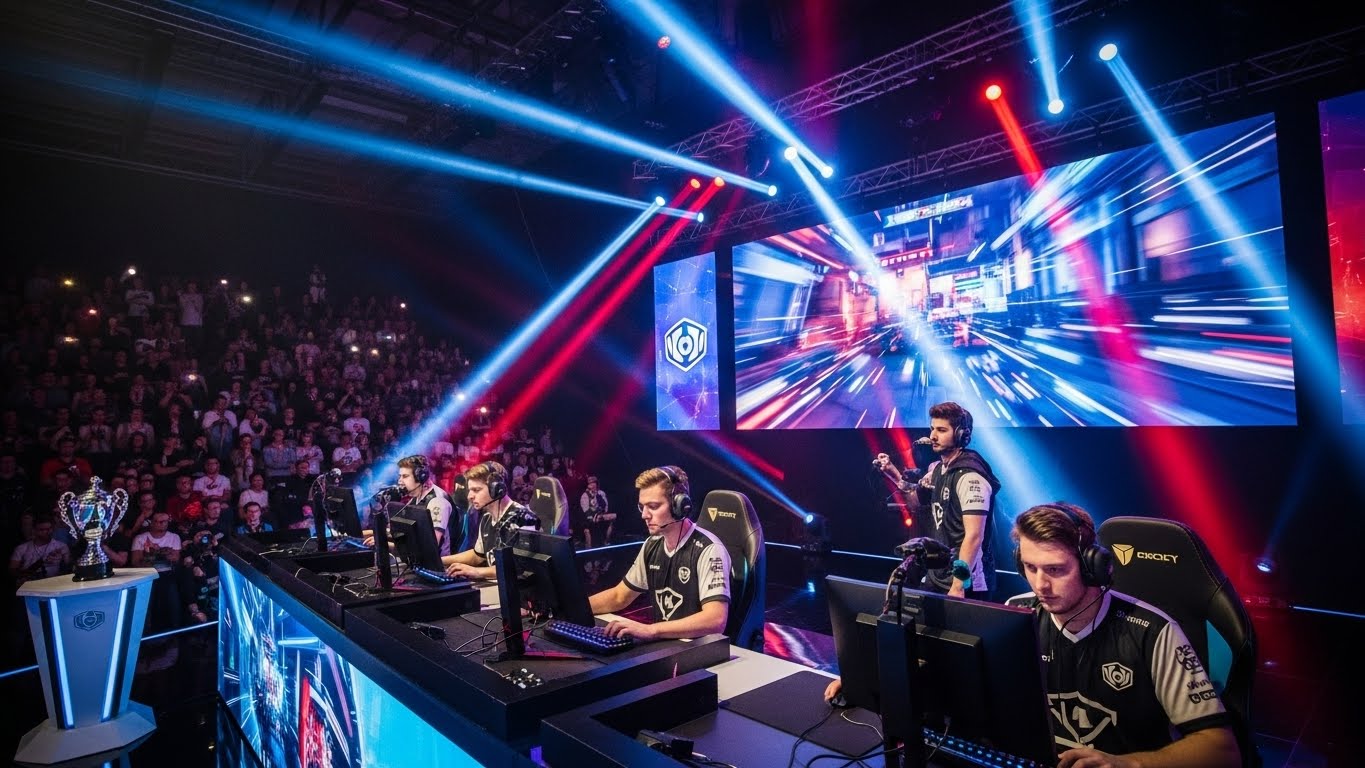
Over the last two decades, the world of gaming has undergone a profound transformation. What once started as a niche hobby for enthusiasts has blossomed into a global phenomenon that is now a major part of mainstream entertainment. This remarkable shift in gaming culture can be attributed to the meteoric rise of esports—competitive gaming played at a professional level. Esports is no longer just about casual gaming sessions; it has become a multi-billion-dollar industry, filled with professional leagues, sponsorships, and audiences that rival traditional sports.
In this blog post, we will explore how esports has evolved, the factors contributing to its success, the most popular games in competitive gaming today, and what the future holds for this rapidly expanding industry. Esports is a unique and dynamic space that continues to redefine what it means to be a gamer in the 21st century.
The Evolution of Esports: From Casual Play to Professional Leagues
Esports, short for electronic sports, is a term that refers to the competitive play of video games, especially at a professional level. But the journey from the early days of gaming to today’s world of esports was not a simple one. The foundations of esports were laid back in the late 20th century, when video games were just beginning to find their place in the public consciousness. In the 1980s, video games like Pong, Space Invaders, and Pac-Man became cultural icons, but these were mostly single-player games or arcade machines that encouraged individual competition.
The first real spark of competitive gaming began in the 1990s, with the rise of multiplayer games that allowed individuals to compete against each other over local area networks (LAN) or the internet. Games like Doom and Quake allowed players to battle each other in real-time, setting the stage for what would later evolve into organized tournaments and leagues.
In the early 2000s, the concept of esports began to gain traction in specific gaming communities. Events like the World Cyber Games and Electronic Sports World Cup became some of the first high-profile esports tournaments. StarCraft, Warcraft III, and Counter-Strike were among the games that helped define the competitive scene. The success of these tournaments in countries like South Korea, where esports became a national pastime, was a pivotal moment that would set the course for the future of competitive gaming.
However, it was the 2010s that truly marked the explosion of esports into the mainstream. The arrival of streaming platforms like Twitch in 2011 and the increasing professionalization of games like League of Legends and Dota 2 helped elevate esports into a legitimate and profitable form of entertainment. Today, esports has millions of viewers worldwide and is supported by professional leagues, players, organizations, broadcasters, and sponsors, making it an undeniable force in the entertainment industry.
Key Factors Behind the Growth of Esports
The growth of esports cannot be attributed to any single factor but rather a combination of technological advancements, changing attitudes towards gaming, and the strategic involvement of major corporations. Let’s explore some of the key drivers behind esports’ rise to prominence.
1. Advancements in Technology and Internet Accessibility
One of the most crucial factors in the rise of esports has been the development of technology. High-speed internet access has been a game-changer for competitive gaming, allowing players to connect seamlessly across the globe. Online gaming has evolved from dial-up connections and laggy servers to ultra-fast, stable connections that allow for smooth, real-time gameplay. The introduction of fiber-optic broadband, 5G networks, and other technological advancements has made it easier than ever for players to participate in online tournaments and for spectators to watch high-quality streams.
The evolution of gaming hardware has also contributed to esports’ growth. Modern gaming PCs, gaming consoles, and peripherals like keyboards, mice, and headphones have been optimized for competitive gaming. Graphics cards, in particular, have seen remarkable advancements, enabling games to run at higher frame rates and resolutions, providing a better experience for both players and viewers.
2. The Emergence of Live Streaming Platforms
Before live streaming, competitive gaming was largely restricted to physical events or limited broadcast opportunities. The introduction of platforms like Twitch and YouTube Gaming changed this forever. With these platforms, anyone could broadcast their gameplay to a global audience in real time. Gamers and fans could now watch live events from the comfort of their own homes, and more importantly, they could interact with players and other fans via live chat features.
Twitch, in particular, played a pivotal role in the development of esports by providing a central hub for tournaments, player streams, and community engagement. This accessibility has allowed esports to reach millions of viewers worldwide, creating a sense of community and shared excitement. In 2014, Amazon purchased Twitch for nearly $1 billion, cementing its place as a major player in the entertainment landscape.
Streaming not only allowed fans to watch but also gave players the ability to cultivate personal fanbases and earn revenue through subscriptions, donations, and sponsorships. The rise of popular streamers like Ninja, Shroud, and Pokimane proved that being an esports player or content creator could be a viable career path, further driving the industry’s growth.
3. Professionalization of Esports
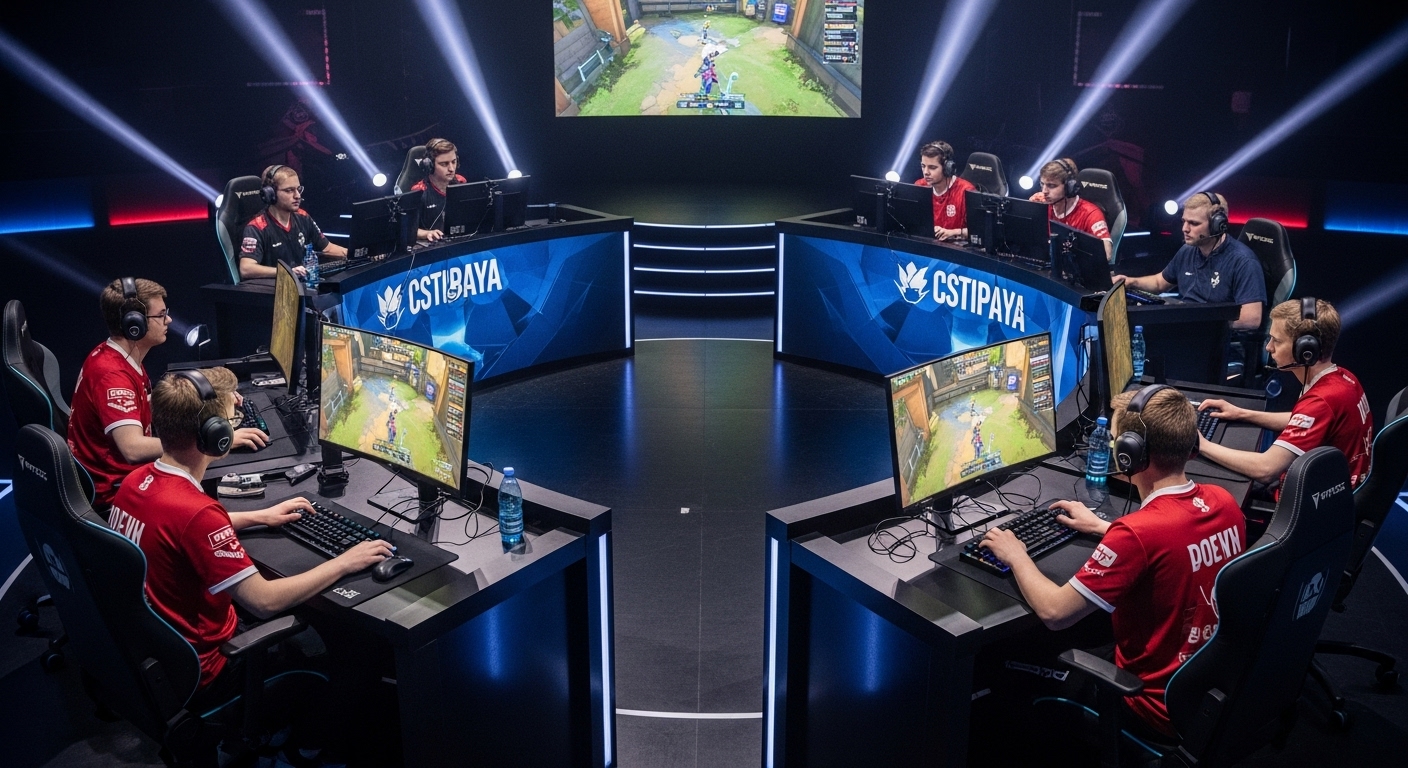
The transition of esports from a casual hobby to a professional industry has been another key driver behind its success. Over the past decade, esports has become more structured, with players, teams, and coaches working together to compete in high-level tournaments. The establishment of professional leagues in games like League of Legends, Dota 2, and Overwatch has created a system that mirrors traditional sports leagues, complete with contracts, sponsorships, and prize money.
In addition to these league structures, there has been a growing focus on player development. Esports organizations have hired coaches, analysts, and psychologists to help players improve their skills, mental focus, and physical fitness. Just like traditional athletes, esports professionals are now treated as elite performers who require a holistic approach to their training and well-being.
4. The Role of Sponsorships and Investment
As esports has grown, so too has the amount of money flowing into the industry. Major global brands have recognized the value of associating themselves with esports, and this has resulted in a surge of sponsorship deals. Companies like Coca-Cola, Intel, Nike, and Mercedes-Benz have all signed sponsorships with esports teams, tournaments, and events. These brands see esports as a way to reach younger, tech-savvy audiences that are often difficult to target through traditional advertising channels.
In addition to sponsorships, investment in esports organizations has also been a driving force. Traditional sports teams, celebrities, and tech moguls have invested heavily in esports teams, further legitimizing the industry. The Overwatch League, for example, attracted investment from major sports franchises, including the New England Patriots and Dallas Cowboys. These investments have helped to professionalize the industry, ensuring that players can make a living wage while growing the overall value of the industry.
5. Social Media and Community Building
Social media has played a crucial role in the growth of esports by providing a platform for fans and players to connect. Platforms like Twitter, Reddit, and Instagram allow fans to discuss their favorite players and teams, share news and highlights, and engage with the esports community. The rise of esports-focused communities, like those found on Discord, has further strengthened the sense of camaraderie and fan loyalty.
For esports players, social media is an essential tool for building their personal brand. By engaging with their fanbase on platforms like Twitter and Instagram, players can attract sponsorships, increase their visibility, and foster a deeper connection with their audience. This direct interaction between players and fans is one of the unique aspects of esports, distinguishing it from traditional sports where fans typically have limited access to their favorite athletes.
Popular Esports Titles That Shaped the Industry
While esports encompasses a wide range of games, some titles have achieved greater success due to their competitive depth, widespread popularity, and organized ecosystems. Let’s take a look at a few games that have been integral to the growth of esports.
League of Legends
Released in 2009, League of Legends (LoL) is one of the most successful and influential games in the history of esports. Developed by Riot Games, LoL is a Multiplayer Online Battle Arena (MOBA) game where two teams of five players compete to destroy the opposing team’s Nexus, located at their base. The game requires strategic thinking, teamwork, and individual skill, making it a perfect fit for esports.
LoL’s professional ecosystem, particularly its League of Legends World Championship, has grown to become one of the most prestigious events in esports. The championship attracts millions of viewers worldwide and offers a multi-million dollar prize pool. The game’s regular seasonal tournaments and regional leagues have also helped to establish a steady pipeline for new talent.
Dota 2
Like LoL, Dota 2 is another MOBA that has been instrumental in the growth of esports. Developed by Valve, Dota 2 is known for its strategic depth, large roster of heroes, and complex gameplay mechanics. The game is notorious for its steep learning curve, but this challenge is also part of what makes it so exciting for competitive players.
Dota 2’s flagship tournament, The International, is one of the most lucrative and watched esports events in the world. The tournament has set records for prize pools, often exceeding $30 million, with the money raised through community support via in-game purchases. This model has made Dota 2’s competitive scene unique, as it creates a direct connection between the game’s community and the tournament’s prize pool.
Counter-Strike: Global Offensive
Counter-Strike: Global Offensive (CS: GO) is one of the most iconic first-person shooters in esports history. Released in 2012, CS: GO pits two teams against each other—terrorists and counter-terrorists—who must either plant or defuse a bomb. The game requires precise aim, quick reflexes, and exceptional teamwork, making it a cornerstone of the esports scene.
The game’s esports ecosystem is vast, with major tournaments like CS: GO Majors drawing millions of viewers. The game’s popularity and longevity have ensured its place as one of the most consistent esports titles over the past decade.
The Future of Esports
The future of esports looks incredibly bright, with several exciting developments on the horizon. The growing interest in mobile esports, the rise of virtual reality, and the continued expansion of esports into new regions and markets are just a few factors that will shape the future of competitive gaming. As esports continues to grow in both size and scope, it is likely to become an even more integrated part of global entertainment culture, with new opportunities for players, fans, and organizations alike.
Esports is more than just a trend; it is a revolution in how we think about gaming and competition. What started as a niche hobby has now become a multi-billion-dollar industry that will continue to evolve and inspire future generations of gamers, athletes, and fans.
Conclusion
Esports has undoubtedly transformed the gaming landscape, reshaping how we view competitive play, entertainment, and even sports. The rise of professional leagues, live streaming, and increased investment from major companies has propelled esports into a global industry. As technology continues to advance and new opportunities emerge, esports is poised to become even more integrated into our everyday lives, offering both exciting career opportunities for players and incredible entertainment for fans. The world of esports is here to stay, and its impact will only grow stronger in the years to come.