Introduction: Esports and Its Explosive Growth
In the past decade, esports has shifted from a niche hobby to a mainstream global industry. Competitive gaming, once considered the realm of casual enthusiasts, now attracts millions of viewers, professional players, and massive investments worldwide. Tournaments fill stadiums, live streams reach audiences by the millions, and esports athletes earn salaries rivaling traditional sports players. What started as local gaming competitions has transformed into a cultural phenomenon that influences entertainment, technology, and community engagement across the globe.
The Origins of Esports: From LAN Parties to International Arenas
Esports traces its roots back to the early days of competitive video gaming, where players would gather at LAN (Local Area Network) parties to test their skills against one another. Titles like Street Fighter, StarCraft, and Counter-Strike laid the foundation for organized competitive gaming. As technology advanced and internet connectivity became widespread, competitions expanded online, allowing players from different regions to face off virtually. These early developments set the stage for professional leagues, sponsorships, and global tournaments that define esports today.
Popular Esports Titles and Genres
The esports ecosystem encompasses a variety of game genres, each attracting different audiences and skill sets. Multiplayer online battle arenas, known as MOBAs, such as League of Legends and Dota 2, emphasize strategic team play and coordination. First-person shooters like Counter-Strike: Global Offensive and Call of Duty focus on precision, reflexes, and tactical thinking. Battle royale games such as Fortnite combine strategy, survival, and creativity in dynamic arenas. Sports simulations, fighting games, and racing games further diversify the landscape. Each genre brings unique challenges, strategies, and competitive opportunities, making esports appealing to a wide range of players and fans.
The Rise of Professional Esports Players
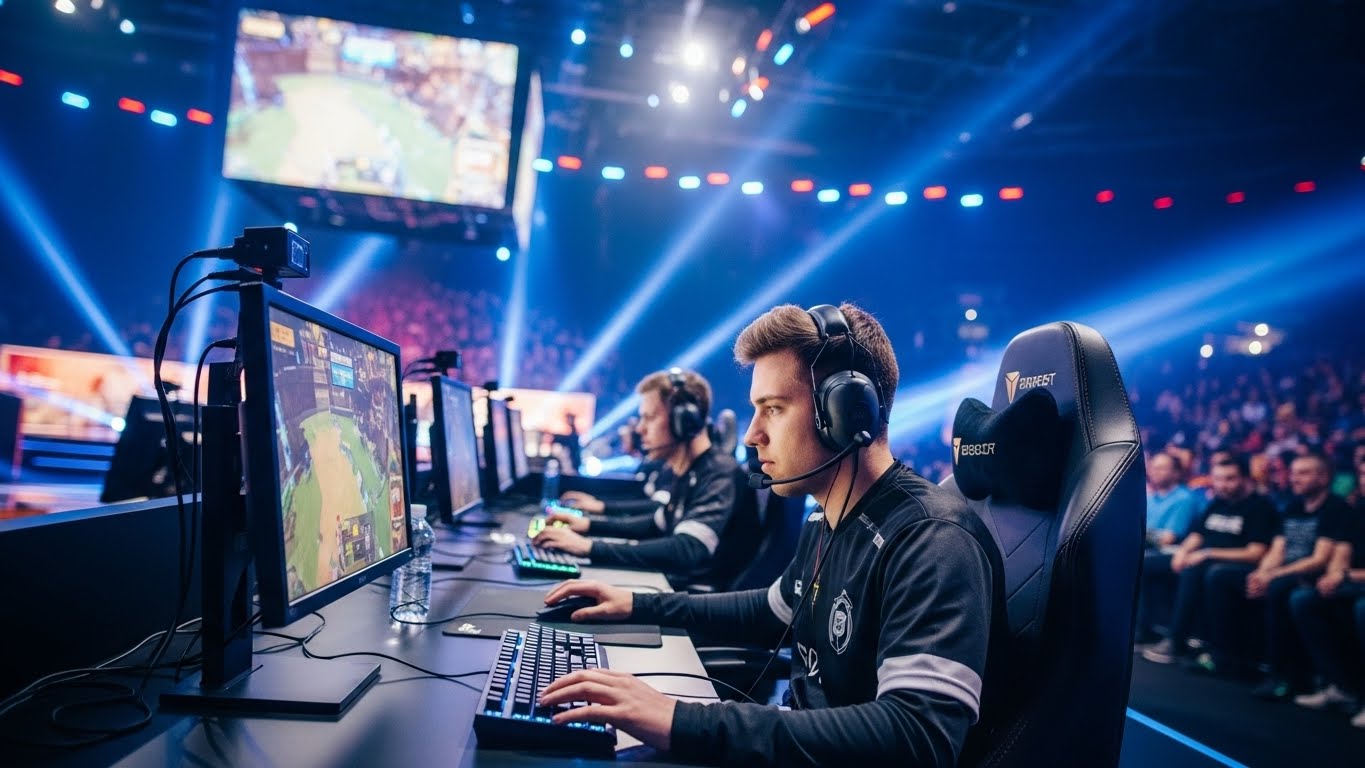
Today, esports athletes are recognized as professional competitors, dedicating countless hours to practice, strategy, and team coordination. Unlike casual gamers, professional players follow rigorous training schedules, undergo physical and mental conditioning, and participate in organized leagues. Top esports players gain global recognition, earning sponsorship deals, prize money, and salaries comparable to traditional sports stars. The rise of professional esports careers has legitimized gaming as a serious pursuit, inspiring new generations to pursue competitive gaming as a viable profession.
Esports Tournaments: The Modern Colosseums
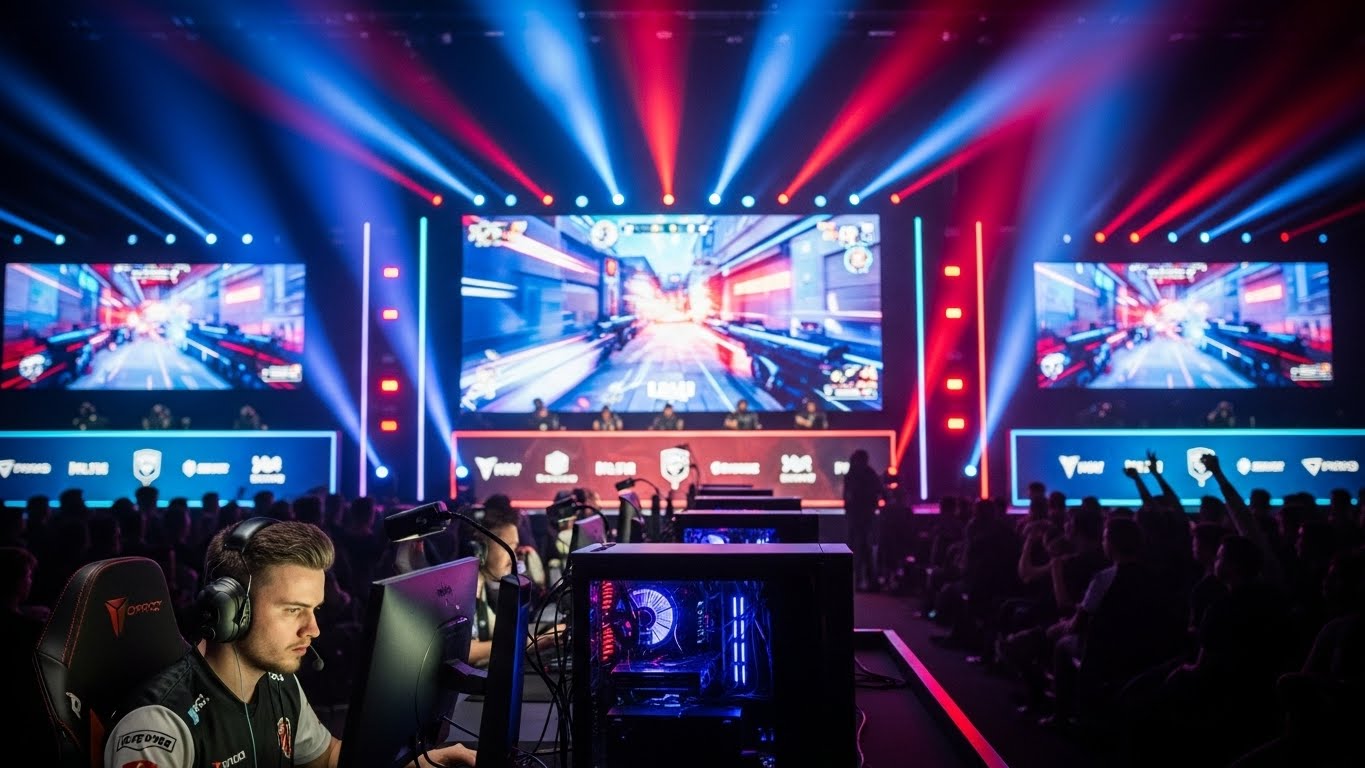
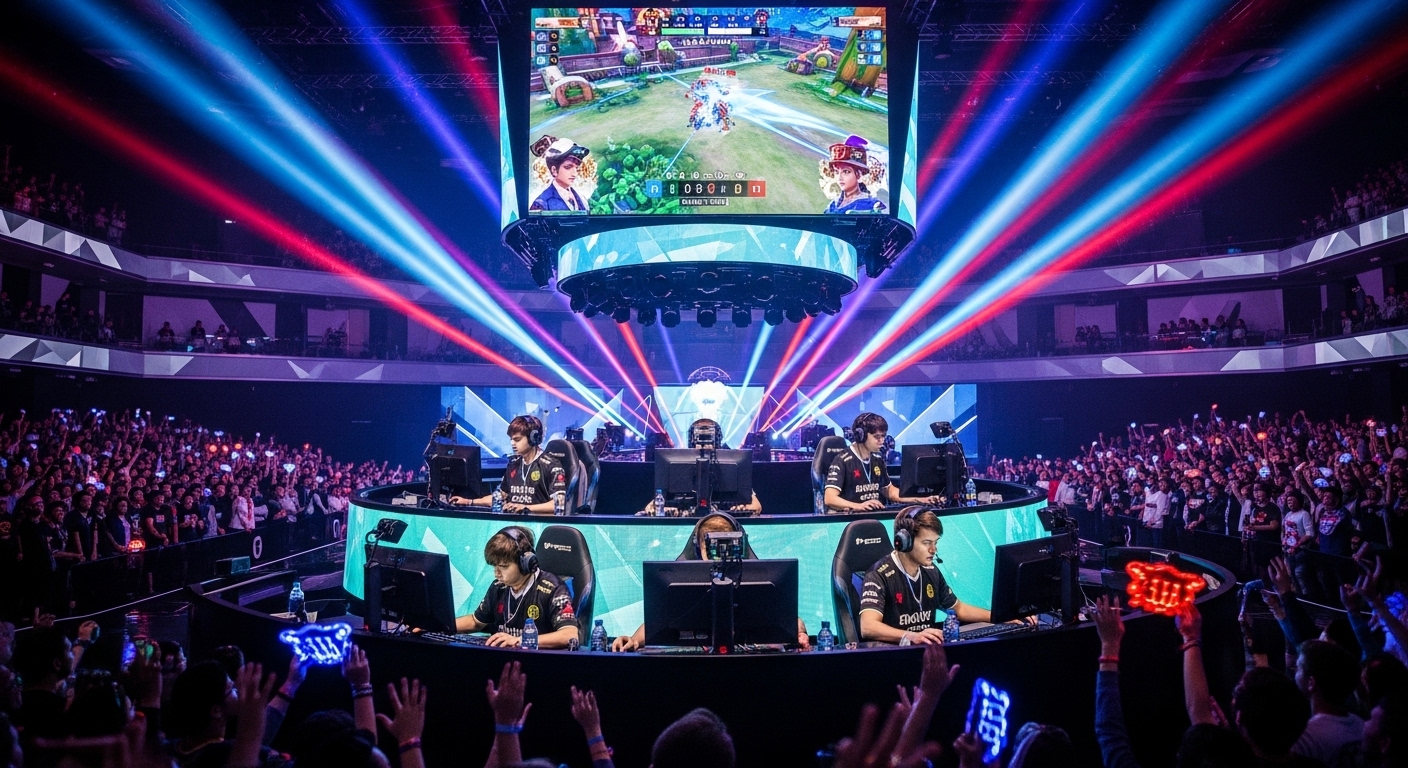
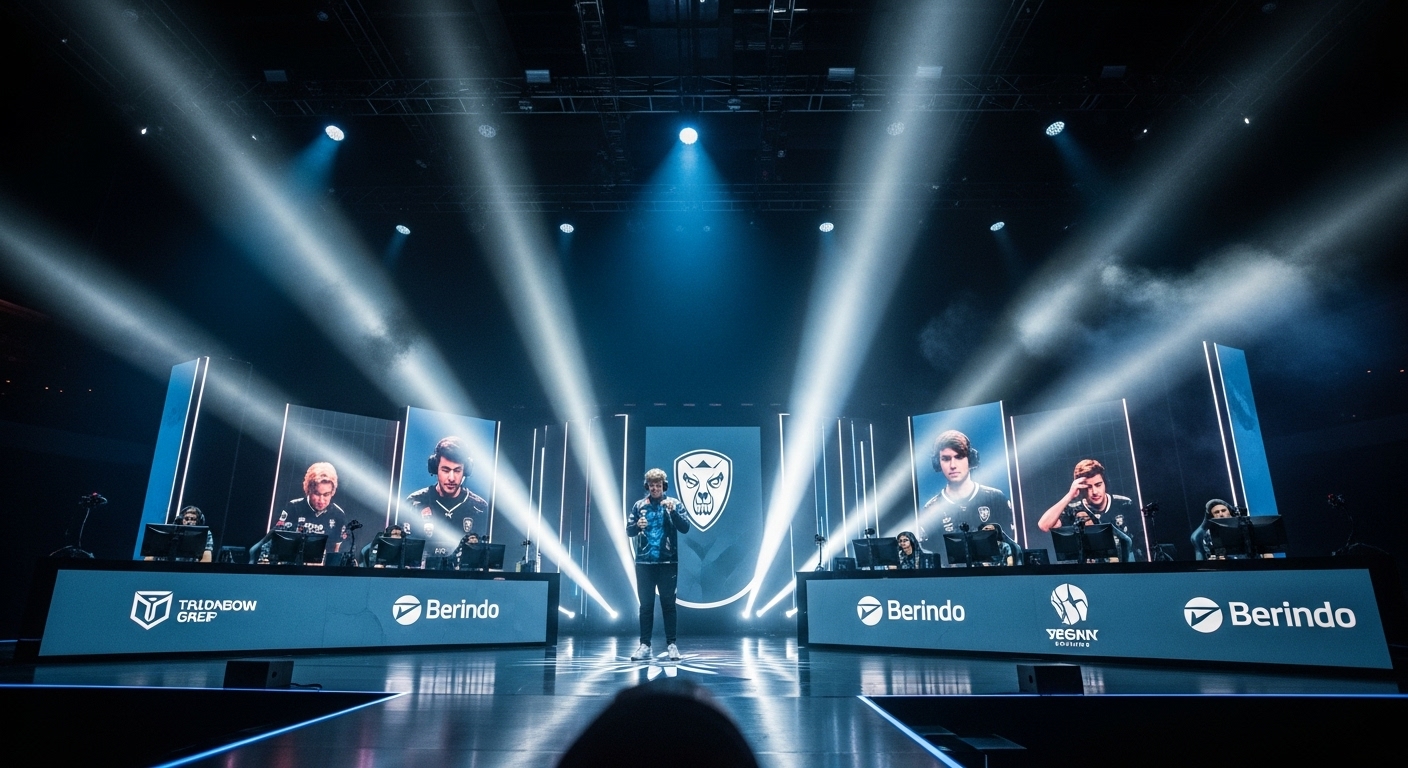
Esports tournaments are now grand spectacles with live audiences, high production values, and multi-million-dollar prize pools. Events such as The International, League of Legends World Championship, and Fortnite World Cup attract thousands of fans to stadiums and millions more via online streaming platforms. These tournaments feature elaborate stage designs, commentary teams, and cinematic presentations, providing viewers with an experience akin to traditional sports events. The excitement, storytelling, and unpredictability of competitive play captivate audiences, fostering a global fanbase for esports.
Streaming Platforms: Connecting Fans and Players
Streaming platforms have revolutionized the way esports reaches its audience. Services that allow live streaming of gameplay have created opportunities for players to build personal brands, engage with fans, and monetize their skills. Platforms like these have enabled esports content to reach millions worldwide, providing interactive features such as live chat, donations, and subscriptions. Fans can watch their favorite players compete in real time, analyze strategies, and even learn from professional gameplay. This accessibility has strengthened the connection between players and audiences, driving the popularity of esports.
The Economics of Esports: Money, Sponsorships, and Careers
The financial landscape of esports has grown exponentially. Revenue streams include tournament prize pools, sponsorships, merchandise sales, advertising, and media rights. Major brands invest in esports for marketing opportunities, recognizing the medium’s ability to engage younger audiences. Esports organizations operate like professional sports franchises, managing players, coaching staff, and content production. The influx of money has created career opportunities not only for players but also for analysts, commentators, event organizers, and content creators, making esports an economic powerhouse.
The Role of Teams and Organizations
Esports teams function similarly to traditional sports clubs, providing structure, training, and support to players. Teams recruit talented individuals, develop strategies, and compete in various leagues. Organizations invest in player development, coaching, mental health support, and brand building. The sense of identity and loyalty associated with teams strengthens fan engagement, as supporters root for their favorite players and organizations. Team dynamics, collaboration, and communication are critical in high-level esports, highlighting the professional and disciplined nature of competitive gaming.
Esports and Global Community
Esports is a cultural bridge that connects players and fans across continents. Online tournaments and live streams allow international competition, fostering a sense of community and shared passion. Fans gather in forums, social media groups, and in-person events to discuss strategies, celebrate victories, and share content. Esports has created a global subculture where diversity, collaboration, and innovation thrive. It provides a platform for people from different backgrounds to engage in a shared passion, breaking down barriers and encouraging cross-cultural understanding.
Training and Mental Resilience in Esports
Competitive gaming requires not only technical skill but also mental resilience. Players face intense pressure, high-stakes decisions, and the need to perform consistently under scrutiny. Professional esports athletes incorporate mental training, stress management, and physical exercise into their routines to maintain peak performance. Focus, discipline, and adaptability are critical skills for success. This emphasis on preparation and mental fortitude demonstrates that esports is a demanding and structured discipline, challenging traditional perceptions of gaming as casual entertainment.
Esports and Education: Nurturing the Next Generation
Many educational institutions are recognizing esports as a legitimate avenue for skill development and career exploration. Schools and universities are introducing esports programs, offering scholarships, and supporting competitive teams. Students gain experience in teamwork, strategic thinking, communication, and digital literacy. Esports education provides opportunities to explore related fields such as game design, event management, broadcasting, and marketing. By integrating esports into academic programs, institutions validate competitive gaming and prepare students for professional opportunities in this expanding industry.
Technology and Innovation in Esports
Esports thrives at the intersection of technology and entertainment. Advanced gaming hardware, high-speed internet, streaming platforms, and analytics tools enhance player performance and audience experience. Technology enables real-time statistics, in-depth strategy analysis, and immersive broadcasts, creating engaging and interactive content. Virtual reality and augmented reality innovations are set to transform esports further, offering new forms of competition and audience participation. Technology not only powers the games themselves but also drives the evolution of esports as an entertainment and professional domain.
Addressing Misconceptions About Esports
Despite its mainstream success, esports faces misconceptions. Critics sometimes dismiss it as “just playing video games” or question its legitimacy as a career. However, the discipline, strategy, and professionalism required in competitive gaming rival those in traditional sports. Players train rigorously, teams employ coaches and analysts, and tournaments demand organization, planning, and execution. Esports combines entertainment, athleticism, and mental skill, proving it is far more than casual gaming. The growing acceptance of esports as a legitimate industry reflects its professionalism and societal impact.
The Cultural Impact of Esports
Esports has influenced culture, fashion, media, and even lifestyle. Merchandise, fan art, streaming content, and social media communities demonstrate its influence beyond the games themselves. Players and tournaments inspire creativity, fandom, and shared experiences. Esports also serves as a platform for storytelling, branding, and personal expression. Its cultural impact extends into entertainment, music, and other media forms, cementing its place as a transformative global phenomenon.
The Future of Esports: Boundless Opportunities
The future of esports promises growth, innovation, and broader recognition. Increased investment, technological advancements, and mainstream acceptance will drive expansion into new markets. Esports may integrate with virtual reality, augmented reality, and artificial intelligence to create unprecedented competitive experiences. Global tournaments will continue to attract massive audiences, while educational and professional opportunities will expand. Esports is poised to influence entertainment, culture, and industry on a scale previously reserved for traditional sports, offering endless possibilities for players, fans, and professionals alike.
Conclusion: Esports as a Transformative Force
Esports has transcended its origins as casual gaming to become a global cultural, economic, and social phenomenon. It combines skill, strategy, entertainment, and community, providing opportunities for professional careers, creative expression, and social engagement. The rise of esports illustrates how digital culture can reshape the way people compete, connect, and consume entertainment. As the industry continues to grow, esports will remain a transformative force, inspiring innovation, collaboration, and passion in players and fans worldwide.