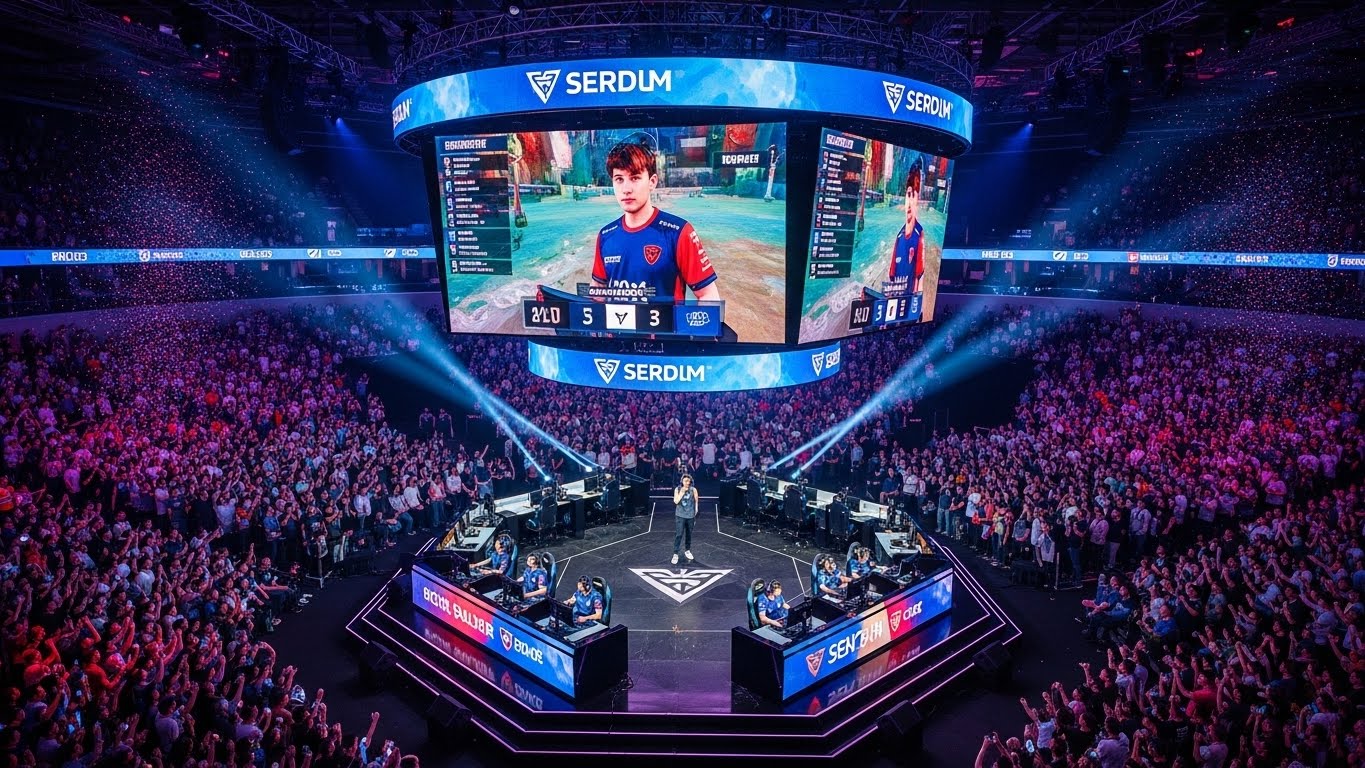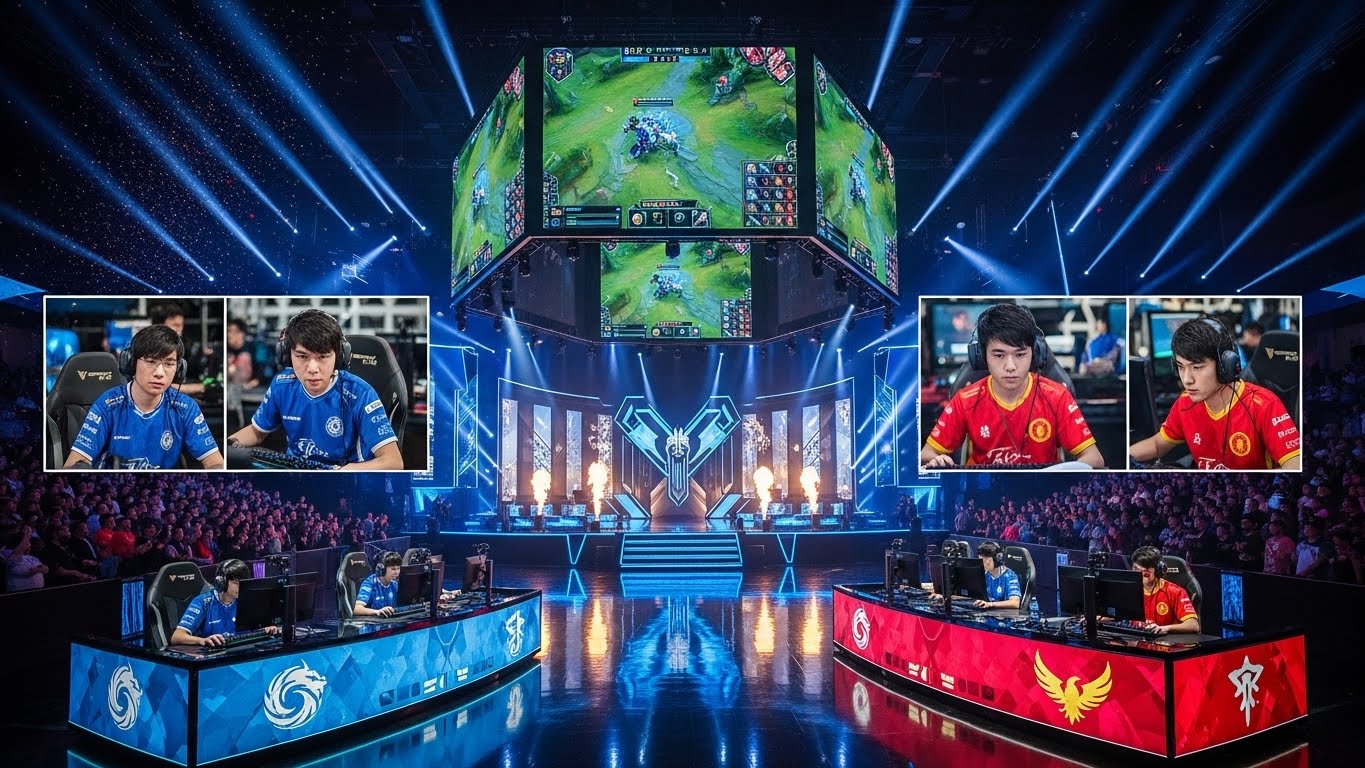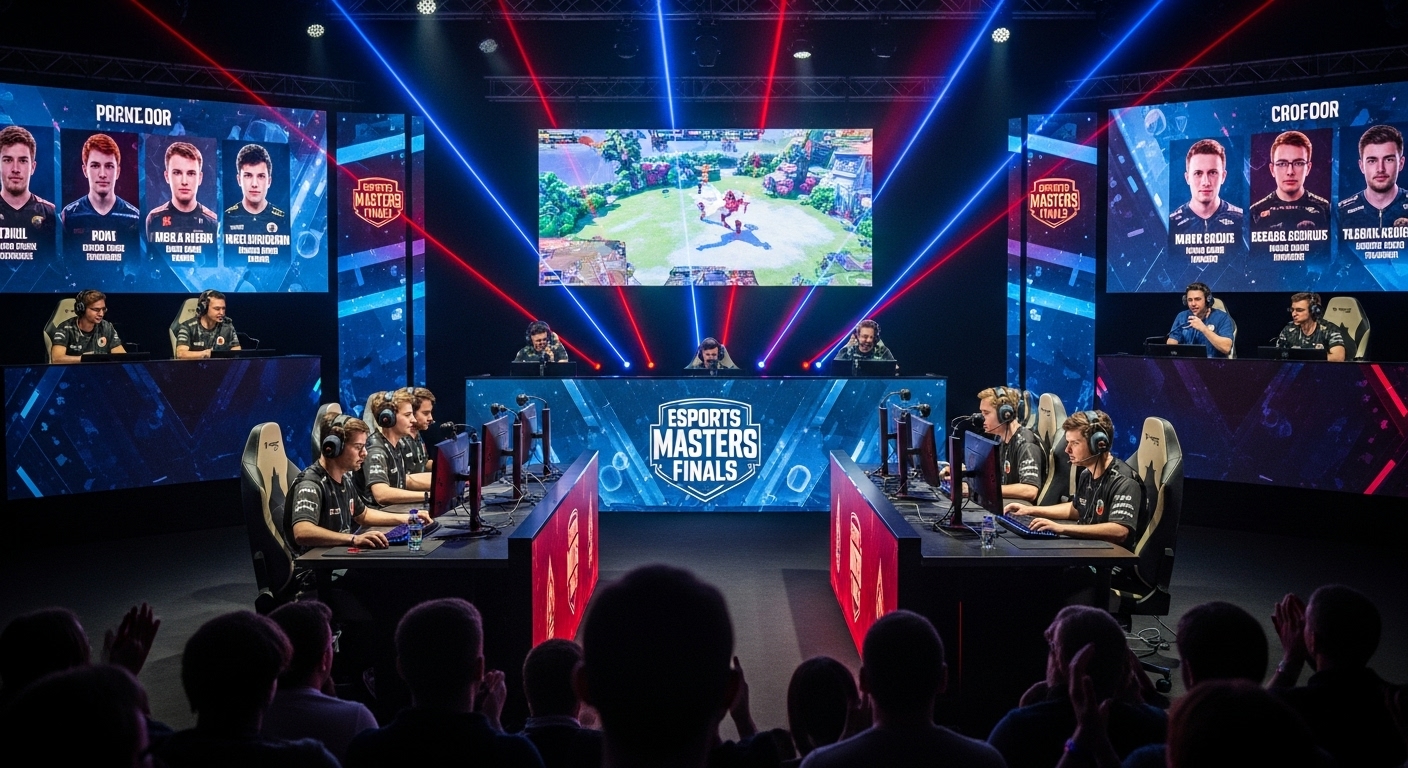
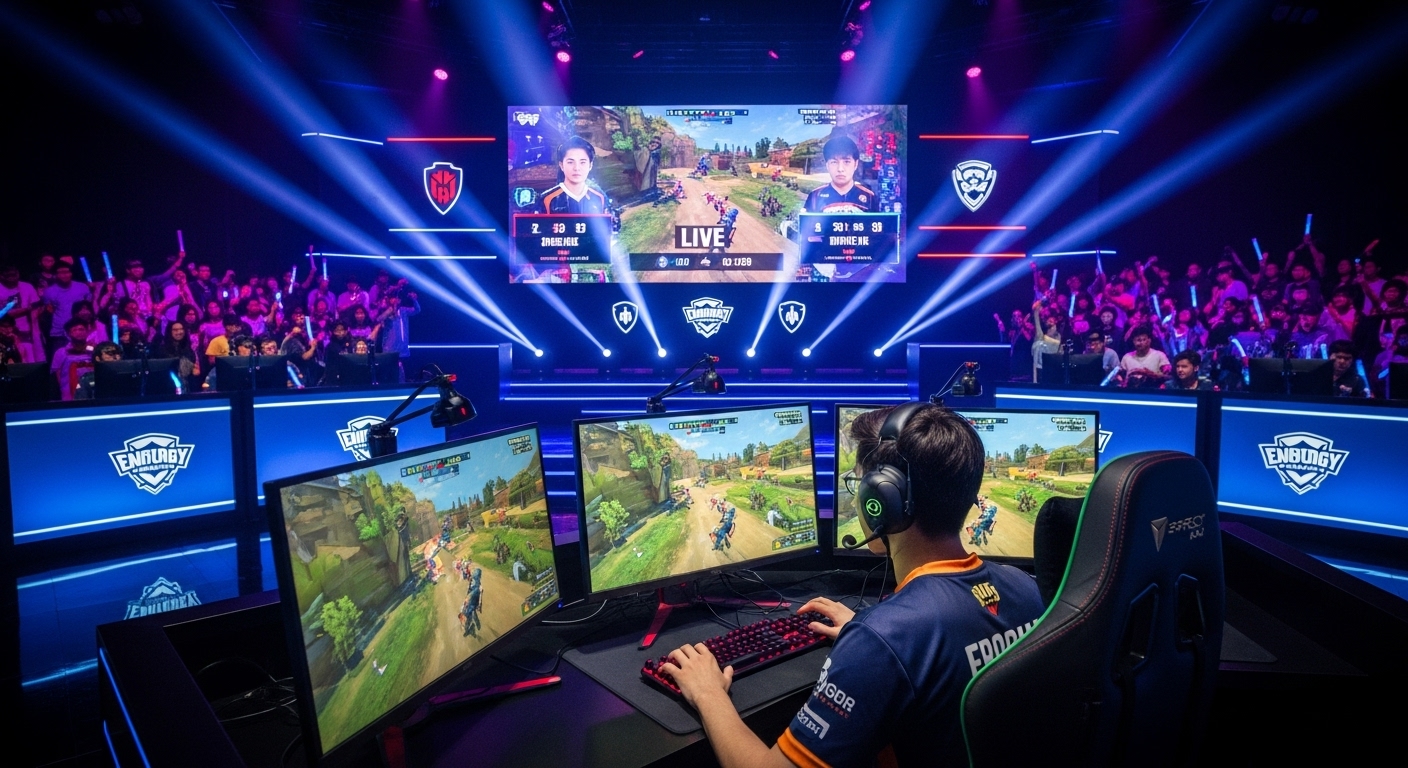
Esports, or competitive video gaming, has undergone a remarkable transformation over the past two decades. What began as a niche hobby enjoyed by a small community of gamers has now evolved into a global phenomenon attracting millions of viewers, professional players, and major sponsorships. The journey of esports is a fascinating story of technological innovation, cultural shifts, and the relentless passion of gamers worldwide.
The Origins of Competitive Gaming
Competitive gaming is not a new concept. In the early 1980s, arcade tournaments became the first platform for gamers to showcase their skills in front of an audience. Games like Space Invaders and Pac-Man attracted local and regional competitions. However, it was the introduction of networked multiplayer games in the 1990s that truly laid the foundation for modern esports. Titles like Quake and StarCraft allowed players to compete against each other across cities and countries, fostering a sense of community and rivalry that would become central to esports culture.
The Cyberathlete Professional League (CPL), established in 1997, was one of the first organizations to formalize competitive gaming with structured tournaments and prize money. These early competitions demonstrated that gaming could be more than just entertainment; it could be a legitimate competitive pursuit.
The Growth of Esports in the 2000s
The 2000s marked a significant period of growth for esports. The rise of broadband internet and the proliferation of online gaming platforms made it easier for players to compete internationally. Games like Counter-Strike, Warcraft III, and DotA became household names in the gaming community.
In South Korea, esports exploded into mainstream culture. The government, recognizing the potential of esports as both a cultural and economic force, supported professional gaming leagues, broadcasting tournaments on television, and encouraging young talent to pursue gaming careers. By the mid-2000s, professional gamers in South Korea were achieving celebrity status, with sponsorships, fan followings, and lucrative contracts.
Key Esports Titles and Their Impact
Different games have shaped the esports industry in unique ways. League of Legends, released in 2009, revolutionized competitive gaming by creating one of the largest professional leagues in the world. The League of Legends World Championship became a global spectacle, attracting millions of viewers and setting the standard for esports production quality.
Similarly, Dota 2 and its flagship tournament, The International, pushed the boundaries of prize pools, community engagement, and tournament organization. With multi-million-dollar prizes funded largely through community contributions, The International demonstrated the financial potential of esports and the deep passion of its fan base.
First-person shooters (FPS) like Call of Duty and Counter-Strike: Global Offensive also carved out a massive competitive scene, emphasizing teamwork, strategy, and precision. FPS tournaments became a staple in esports competitions, drawing attention from both casual viewers and serious gamers.
The Role of Streaming Platforms
The rise of streaming platforms such as Twitch, YouTube Gaming, and later Facebook Gaming played a pivotal role in the growth of esports. These platforms allowed fans to watch live matches, follow their favorite players, and engage with the community in real-time. Unlike traditional sports, esports provided direct interaction between players and fans, creating a more immersive and participatory experience.
Streaming also opened doors for amateur players to gain recognition and for professional gamers to build personal brands. Many esports stars began their careers by streaming content online, eventually transitioning into professional teams and tournaments. This democratization of exposure changed the landscape of competitive gaming forever.
The Economics of Esports
Esports has become a multi-billion-dollar industry. Revenue streams include sponsorships, advertising, merchandise, ticket sales, and media rights. Brands ranging from energy drink companies to tech giants recognize the value of reaching esports audiences, who are often young, tech-savvy, and highly engaged.
Sponsorship deals have become a cornerstone of esports economics. Professional teams are often funded through partnerships with major corporations, allowing players to focus on training and competition. Tournaments now offer prize pools that rival traditional sports events, further legitimizing esports as a professional career path.
Moreover, esports betting and fantasy leagues have emerged as lucrative markets, attracting further investment and engagement. These financial incentives continue to fuel growth and innovation in the industry.
Esports as a Career
For many, esports is no longer just a pastime; it is a viable career. Professional players dedicate countless hours to honing their skills, developing strategies, and maintaining peak performance. Teams employ coaches, analysts, and psychologists to optimize player performance, much like in traditional sports.
Beyond playing professionally, the esports ecosystem offers a variety of career opportunities. Commentators, content creators, event organizers, and marketing specialists are all essential to the industry. This expansion of roles has made esports a diverse and dynamic career landscape for individuals with different skills and interests.
The Cultural Impact of Esports
Esports has had a profound cultural impact. It has challenged traditional notions of sports and athleticism, proving that mental agility, strategy, and hand-eye coordination are equally valuable as physical strength and endurance.
The community-driven nature of esports has fostered inclusivity and diversity, attracting players and fans from all backgrounds. Online forums, fan art, cosplay, and community events have strengthened the social bonds within the gaming culture, creating a global network of enthusiasts who share a passion for competition.
Esports has also influenced mainstream media, with documentaries, movies, and TV shows exploring gaming culture and the lives of professional gamers. The portrayal of esports in popular culture has helped normalize gaming as a legitimate profession and form of entertainment.
Challenges Facing Esports
Despite its rapid growth, esports faces several challenges. One major issue is the sustainability of professional gaming careers. High-intensity training and long hours can lead to burnout and physical health issues, and the career lifespan of a professional player is often short.
Regulation and governance are also critical challenges. The decentralized nature of esports, with multiple game publishers and tournament organizers, creates inconsistencies in rules, contracts, and dispute resolution. Standardizing regulations across regions and games remains an ongoing challenge for the industry.
Additionally, esports must address issues related to inclusivity and harassment. While the community has made progress, toxic behavior and gender discrimination remain concerns that need continued attention and proactive measures.
The Future of Esports
The future of esports is incredibly promising. Technological advancements such as virtual reality, augmented reality, and cloud gaming are poised to redefine competitive gaming experiences. Imagine tournaments played in fully immersive virtual arenas or games streamed directly to devices without the need for high-end hardware.
Esports is also likely to see further integration with traditional sports and entertainment. Collaborations between professional sports leagues and esports teams are already happening, creating crossover audiences and new business opportunities.
Educational institutions are beginning to recognize the value of esports as well. Scholarships, training programs, and esports curricula are becoming more common, providing structured pathways for aspiring gamers to pursue their passions while obtaining an education.
Moreover, the global reach of esports will continue to expand. Regions like South America, Southeast Asia, and the Middle East are emerging as major players in the esports ecosystem, bringing diverse talent and new audiences to the forefront.
Conclusion
Esports has come a long way from its humble beginnings in arcades and small online communities. It has grown into a professional, global industry that rivals traditional sports in terms of viewership, revenue, and cultural impact. The journey of esports is a testament to the power of technology, community, and human passion.
As the industry continues to evolve, it will face challenges, but its potential for innovation, entertainment, and global connection is limitless. Esports is not just a game; it is a cultural movement that redefines competition, community, and creativity in the 21st century.
For anyone watching closely, the rise of esports is one of the most exciting stories of our time, and its influence will continue to shape the future of entertainment, sports, and digital culture for decades to come.