The Birth of a New Era in Competition
Once upon a time, gaming was just a hobby. A few decades ago, it was a pastime reserved for those who loved challenges, storytelling, and digital adventures. Nobody imagined that one day, video games would evolve into a global industry worth billions of dollars—an empire built on pixels, strategy, and adrenaline. That empire is known today as esports.
Esports, or electronic sports, refers to organized, competitive video gaming. Players face off individually or in teams, just like traditional sports, but the battleground is virtual. The concept may sound futuristic, but it’s been quietly building momentum for over forty years. Today, esports isn’t just entertainment—it’s a career, a culture, and a movement redefining what competition means in the digital age.
From Arcades to Arenas
The earliest seeds of esports were planted in the 1970s and 1980s, when arcade gaming first took over the world. Players crowded around machines to claim high scores on classics like Pac-Man, Space Invaders, and Donkey Kong. These scores were badges of honor, proof of skill in a world where every second and pixel mattered.
In 1980, the first-ever known video game competition, the Space Invaders Championship, took place in the United States. Thousands participated, proving that competitive gaming had a future beyond living rooms and arcades. However, technology wasn’t ready to take things global yet. Players competed locally, relying on magazines and bulletin boards to track who was the best.
The 1990s changed everything. With home consoles, better computers, and the rise of the internet, players could connect across continents. Titles like Street Fighter, Counter-Strike, and StarCraft laid the foundation for esports leagues, transforming friendly rivalry into professional competition.
The Internet Revolution and Globalization
The internet didn’t just connect people—it united gamers. Suddenly, players from Japan could battle those in the United States or Europe in real time. Latency was an issue, but it didn’t matter. The thrill of competing online outweighed any technical limitations.
By the 2000s, esports tournaments began to explode in popularity. Early events like the World Cyber Games and Major League Gaming attracted thousands of competitors and millions of viewers. Live-streaming platforms like Twitch later fueled this rise, giving fans front-row seats to their favorite players’ matches.
Esports evolved from casual matches into structured leagues. Professional teams, sponsorships, and coaches became the new normal. Video games were no longer just for fun—they were the stage for fame, money, and pride.
The Players Behind the Screens
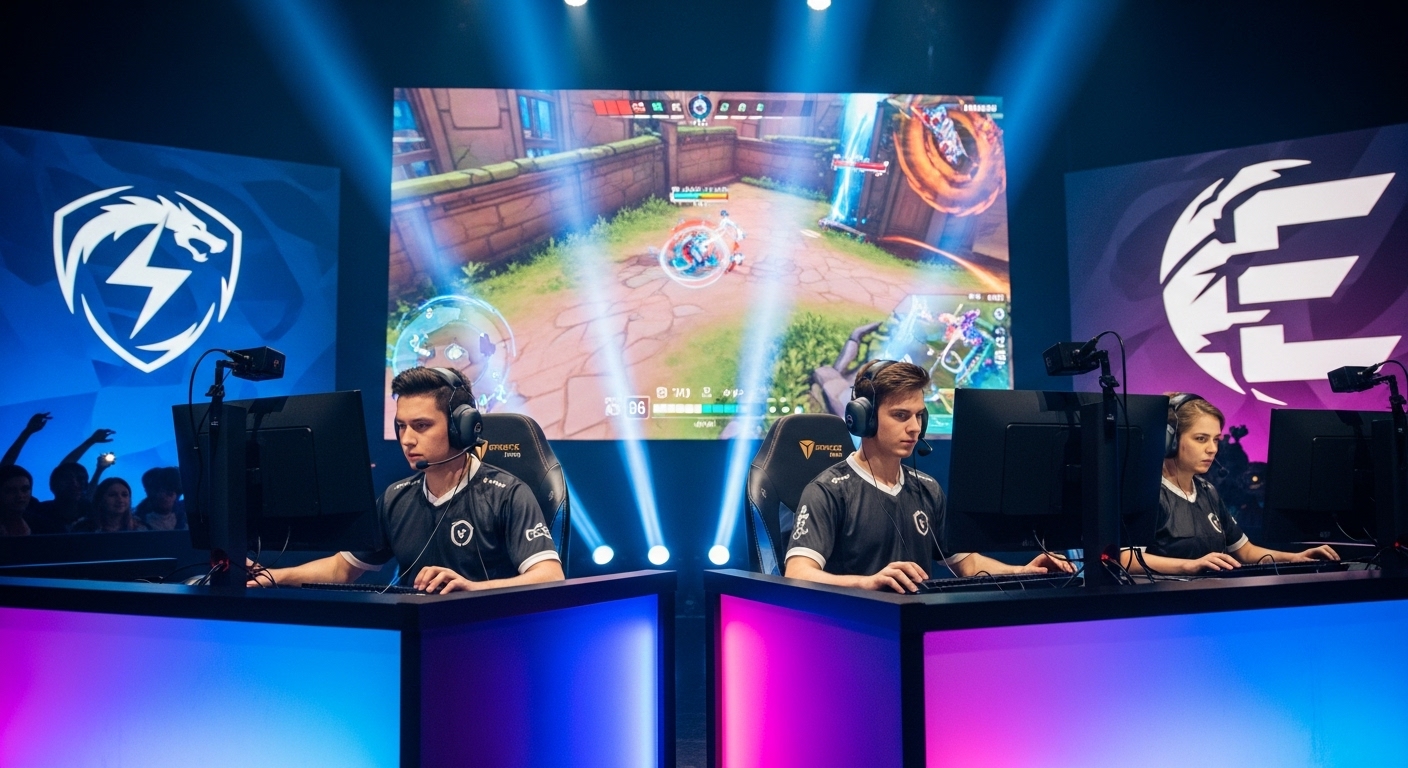
Behind every professional esports player is a story of dedication. Hours upon hours of practice, strategy discussions, and mental training go into each match. Esports athletes treat their craft no differently than traditional athletes treat football or basketball. They study opponents, develop reflexes, and refine tactics.
These players are often young, but their commitment rivals that of Olympic competitors. Many start their careers in their teens and retire in their late twenties, as reflexes and focus peak early. Yet the fame and respect they gain during that window can last a lifetime.
Icons like Faker in League of Legends, s1mple in Counter-Strike, and Doinb in esports history have become legends. Their gameplay inspires millions, their personalities fill arenas, and their stories show that digital arenas can produce real heroes.
The Rise of Esports Organizations
As esports grew, so did the need for structure. Teams began forming organizations similar to football clubs. They hired managers, analysts, and marketing teams. These organizations didn’t just compete—they built brands. Names like Team Liquid, Cloud9, T1, Fnatic, and Natus Vincere became synonymous with excellence.
Each team developed a unique identity. Some focused on specific games, while others expanded across multiple titles. Fans began wearing jerseys, waving banners, and chanting in live stadiums. What was once considered a niche hobby had officially become a sport with devoted followers.
Esports and the Streaming Boom
If one technological innovation propelled esports into the mainstream, it was live streaming. Platforms dedicated to gaming transformed the experience from solitary play into communal entertainment. Viewers could now interact directly with their favorite players, learn new strategies, and even participate in events through chat and online communities.
Streaming turned gamers into celebrities. Personalities like Ninja, Shroud, and Pokimane built massive followings by blending competition with entertainment. Their influence extended far beyond gaming—into culture, fashion, and even charity. Esports became a lifestyle, not just a sport.
The Economic Impact of Esports
Behind every match lies a massive economy. From ticket sales and sponsorships to streaming revenue and merchandise, esports is a financial powerhouse. Global tournaments fill entire arenas, attracting millions of viewers online. Prize pools for top competitions reach tens of millions of dollars.
Companies from traditional industries—like car manufacturers, tech giants, and beverage brands—now invest heavily in esports sponsorships. This influx of capital has transformed the industry, creating opportunities for broadcasters, analysts, commentators, and content creators.
Moreover, esports has also fueled innovation in technology. Better hardware, faster internet, and advanced streaming software have emerged largely because of the demand for high-quality competitive gaming experiences.
The Cultural Shift Toward Acceptance
For a long time, gaming faced stereotypes. Many saw it as a distraction or a waste of time. But the success of esports changed that narrative. Today, esports athletes are celebrated in media, invited to talk shows, and recognized by major sports organizations.
Universities now offer scholarships for esports players. Governments in countries like South Korea, China, and the United States recognize esports as legitimate professions. Fans travel internationally to attend tournaments, proving that this movement transcends borders and languages.
Esports has created its own culture—a blend of gaming, art, music, and technology. From cosplay at events to the booming market for gaming merchandise, it represents a generation that grew up online and found its voice through digital competition.
The Variety of Esports Titles
Unlike traditional sports that focus on a few disciplines, esports encompasses hundreds of games across genres. Each title offers a different style of play, strategy, and community.
First-Person Shooters (FPS) like Counter-Strike, Valorant, and Call of Duty focus on reflexes and team coordination.
Multiplayer Online Battle Arenas (MOBA) such as League of Legends and Dota 2 emphasize strategy, timing, and resource control.
Battle Royale titles like Fortnite and PUBG introduce survival dynamics.
Sports Simulations like FIFA and NBA 2K bring real-world athletic competition to consoles.
Fighting Games like Street Fighter and Super Smash Bros. showcase precision and mastery of mechanics.
Each game has its own legends, leagues, and fanbases. This diversity keeps esports vibrant and ever-changing, offering something for every type of gamer and viewer.
The Role of Technology in Esports Evolution
Technology is the backbone of esports. From high-speed internet to powerful gaming PCs, every advancement has pushed the industry forward. Cloud gaming, virtual reality, and artificial intelligence are shaping the next generation of esports experiences.
AI-powered tools help players analyze matches, predict opponents’ strategies, and refine gameplay. Virtual arenas are being built where fans can attend matches in the metaverse, interacting as avatars. The future promises experiences that blur the line between player and spectator.
Even hardware has evolved with esports in mind. Specialized gaming monitors, ergonomic chairs, and advanced controllers have become essential for both professional and amateur gamers. Esports has turned gaming technology into a billion-dollar market on its own.
Education and Career Opportunities in Esports
Esports isn’t just about playing games anymore. It’s an industry with countless career paths. Behind every tournament is a network of event planners, commentators, analysts, designers, marketers, and developers.
Universities around the world now offer degrees in esports management, game design, and digital broadcasting. Students can study the business, production, and psychology behind competitive gaming. Esports has opened doors for creative minds to merge passion with profession.
Even high schools have started introducing esports programs, recognizing that teamwork, communication, and strategic thinking developed through gaming are valuable life skills.
The Challenges Facing Esports
Despite its explosive growth, esports faces challenges. Player burnout, mental health concerns, and the lack of standardized regulations remain ongoing issues. Many players practice up to twelve hours a day, leading to physical and emotional strain.
Toxicity in online communities is another major problem. Developers and organizers continue working toward creating more positive and inclusive environments.
There’s also the issue of financial inequality. While top players earn millions, many others struggle to make a living. The industry’s rapid expansion has created opportunities, but not everyone benefits equally.
Still, with growing awareness and investment, solutions are being implemented. Player unions, mental health programs, and stricter tournament rules are paving the way for a healthier esports ecosystem.
Esports and Traditional Sports: Rivals or Partners?
The debate about whether esports qualifies as a “real sport” has been ongoing for years. Traditionalists argue that physical activity is essential to sports, while others believe mental agility and teamwork matter just as much.
However, the gap between the two worlds is closing fast. Major sports organizations now invest directly in esports teams. Football clubs have their own esports divisions. The Olympic Committee has even hosted virtual events, acknowledging the growing impact of digital competition.
Instead of replacing traditional sports, esports complements them. It appeals to a generation raised in the digital era—one that values both athletic and virtual performance.
The Global Fanbase
Esports fandom is unlike any other. It’s global, digital, and incredibly passionate. Fans support their favorite players the same way traditional sports fans do—through watch parties, fan art, and social media.
What sets esports apart is accessibility. Anyone with an internet connection can watch tournaments live, no matter where they are. This inclusivity has helped esports transcend barriers of language, geography, and culture.
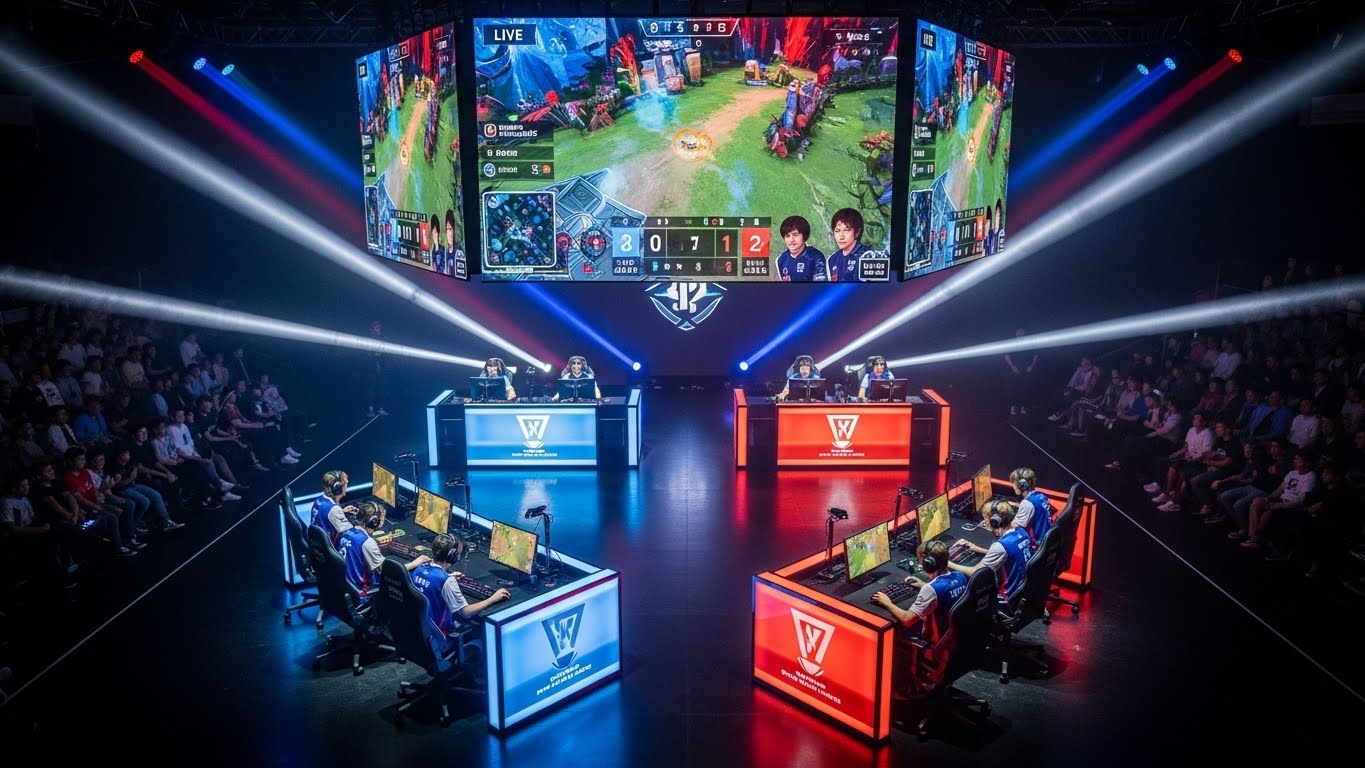
The energy inside esports arenas rivals that of the biggest football stadiums. The crowd roars, lights flash, and the excitement is tangible. It’s a reminder that human emotion—joy, tension, victory—is universal, whether on a field or a digital battlefield.
The Future of Esports
As technology advances, esports will continue evolving. Virtual reality tournaments, AI-driven coaching, and hybrid events combining physical and digital elements are already emerging.
The metaverse could redefine how fans interact with esports. Imagine watching a match from inside the game world or walking through a digital stadium as your favorite player competes in real time. These innovations are no longer science fiction—they’re on the horizon.
More countries are recognizing esports as a legitimate profession, providing visa support and national funding for players. As a result, the next decade could see esports athletes representing their nations on global stages, much like the Olympics.
The Social Impact of Esports
Beyond competition, esports has built communities. It has brought people together across age, gender, and cultural boundaries. Friendships and careers have been born through shared passion for gaming.
Charity tournaments raise millions for global causes, showing that esports can inspire positive change. Diversity initiatives are encouraging more women and marginalized groups to participate, ensuring that the industry becomes more inclusive and representative.
Esports also gives hope to those who may not fit into traditional athletic molds. It celebrates intellect, creativity, and innovation—qualities that define modern success.
Conclusion: The Power of Play
Esports represents more than just gaming. It’s the story of human ambition evolving alongside technology. It’s about teamwork, strategy, and the desire to push limits.
From arcade beginnings to global stadiums, esports has proven that competition doesn’t need to be physical to be powerful. The players are digital warriors, the fans are global citizens, and the stage is boundless.
As we move deeper into a connected world, esports will continue shaping culture, inspiring innovation, and redefining what it means to play. The journey from pixels to podiums is just beginning—and the next chapter will be even more extraordinary.