Introduction
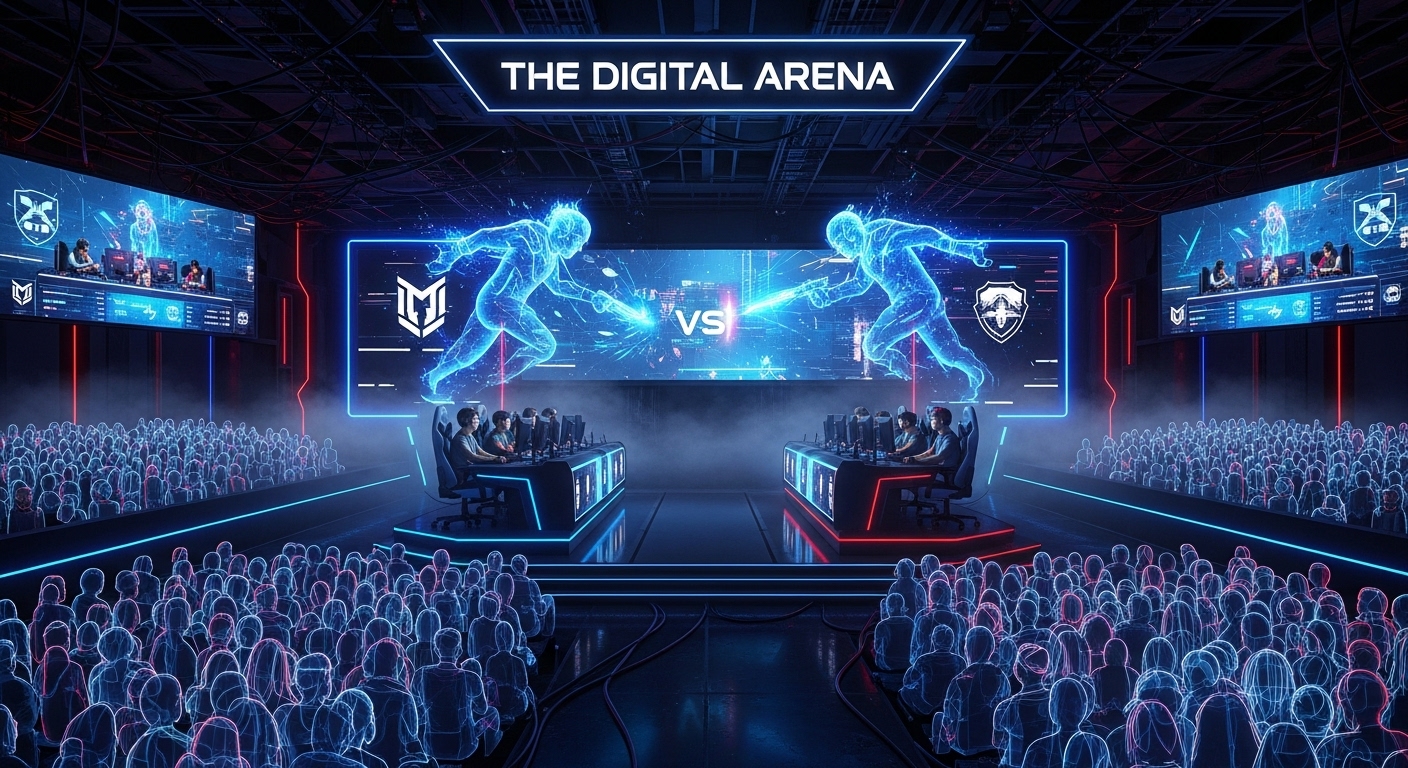
Not long ago, playing video games was mostly seen as a pastime—a way to unwind after school or work, something casual and fun. Fast-forward to today, and gaming has evolved into a billion-dollar global industry with packed arenas, professional athletes, sponsorships, and fan bases that rival traditional sports. This phenomenon is called Esports, short for electronic sports. It’s not just about playing games anymore—it’s about competing, entertaining, and redefining what it means to be an athlete in the digital age.
Esports is one of the fastest-growing entertainment sectors in the world, combining skill, strategy, teamwork, and showmanship. It has given rise to careers, inspired new media formats, and even found its way into schools and universities as a legitimate discipline. But how did Esports come this far, and what makes it so powerful? Let’s dive deep into the story behind this digital revolution.
The Humble Beginnings of Esports
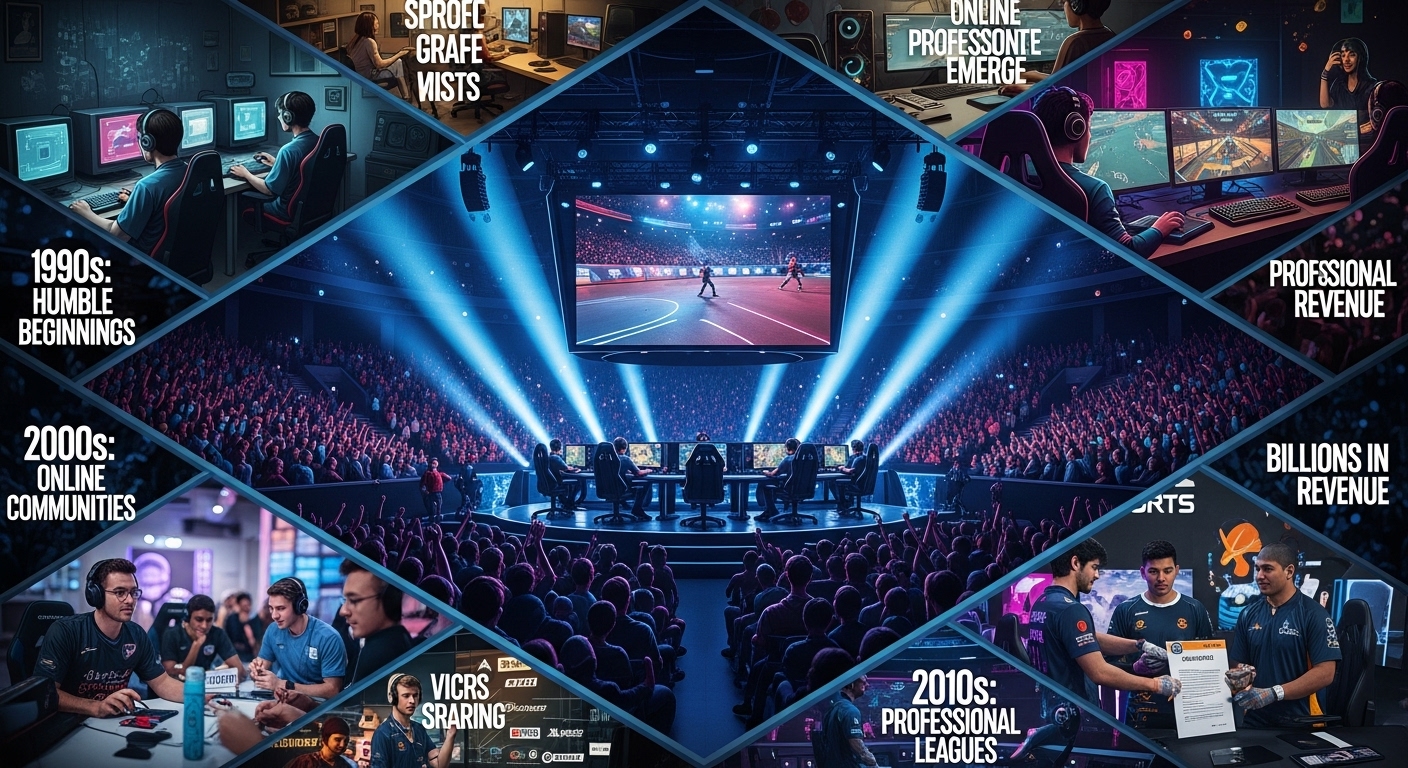
The story of Esports doesn’t start with flashy lights and million-dollar tournaments. Its roots go back to the early days of arcade machines in the late 1970s and early 1980s. The first known competitive gaming event took place in 1972 at Stanford University, where students competed in the game Spacewar! for a year’s subscription to Rolling Stone magazine. That small event planted the seed for what would later become a global competitive scene.
In the 1980s, arcade games like Pac-Man and Donkey Kong pushed competition to the public stage. Players sought to achieve the highest scores, often recorded in gaming magazines. Then, in 1990, Nintendo hosted the Nintendo World Championships, one of the earliest large-scale gaming tournaments. It traveled across the United States, giving young gamers a chance to showcase their skills.
The 1990s introduced local area network (LAN) parties and PC gaming. Titles like Doom, StarCraft, and Quake fostered multiplayer competition. By the late 90s, online gaming was gaining traction, and communities began forming around shared experiences and rivalries. South Korea quickly became the epicenter of organized Esports, building dedicated TV channels and training programs for professional players. The rest of the world soon followed.
The 2000s: When Esports Became Serious Business
The turn of the millennium was a defining period for Esports. The internet was faster, games were more advanced, and communities were better connected than ever. Esports began shifting from casual fun to professional competition.
Games like Counter-Strike, Warcraft III, and StarCraft: Brood War became iconic in shaping early Esports culture. South Korea’s dominance continued with televised matches, sponsorship deals, and professional gaming houses where players trained full-time. Around the world, tournaments such as the World Cyber Games and Electronic Sports World Cup began offering serious cash prizes, and the dream of becoming a professional gamer became attainable.
Streaming technology and broadband internet changed everything. By the late 2000s, platforms like YouTube and later Twitch made it possible for anyone to watch live matches, tutorials, and highlights. This accessibility allowed Esports to reach millions, creating stars who were as recognizable as athletes in traditional sports.
The 2010s: The Golden Age of Esports
If the 2000s built the foundation, the 2010s launched Esports into mainstream culture. This decade saw the rise of major leagues, corporate investment, and fan engagement at an entirely new level.
The Games That Defined an Era
Some of the most popular Esports titles emerged in the 2010s, shaping the modern scene we know today:
- League of Legends became the face of Esports with massive tournaments, celebrity players, and a loyal global fan base.
- Dota 2 pushed the boundaries of prize pools with The International, a tournament funded partly by the gaming community.
- Counter-Strike: Global Offensive (CS:GO) refined competitive shooting with tactical depth and unforgettable rivalries.
- Overwatch, Fortnite, and PUBG brought first-person shooters and battle royale formats into the spotlight, appealing to both casual and hardcore audiences.
Each of these games contributed something unique—whether it was storytelling, strategy, or sheer spectacle.
The Expansion of Infrastructure
During this time, Esports organizations became professionalized. Teams had coaches, analysts, nutritionists, and managers. Sponsorships from brands like Intel, Red Bull, and Adidas poured in. Traditional sports franchises started investing in Esports teams, recognizing the growth potential.
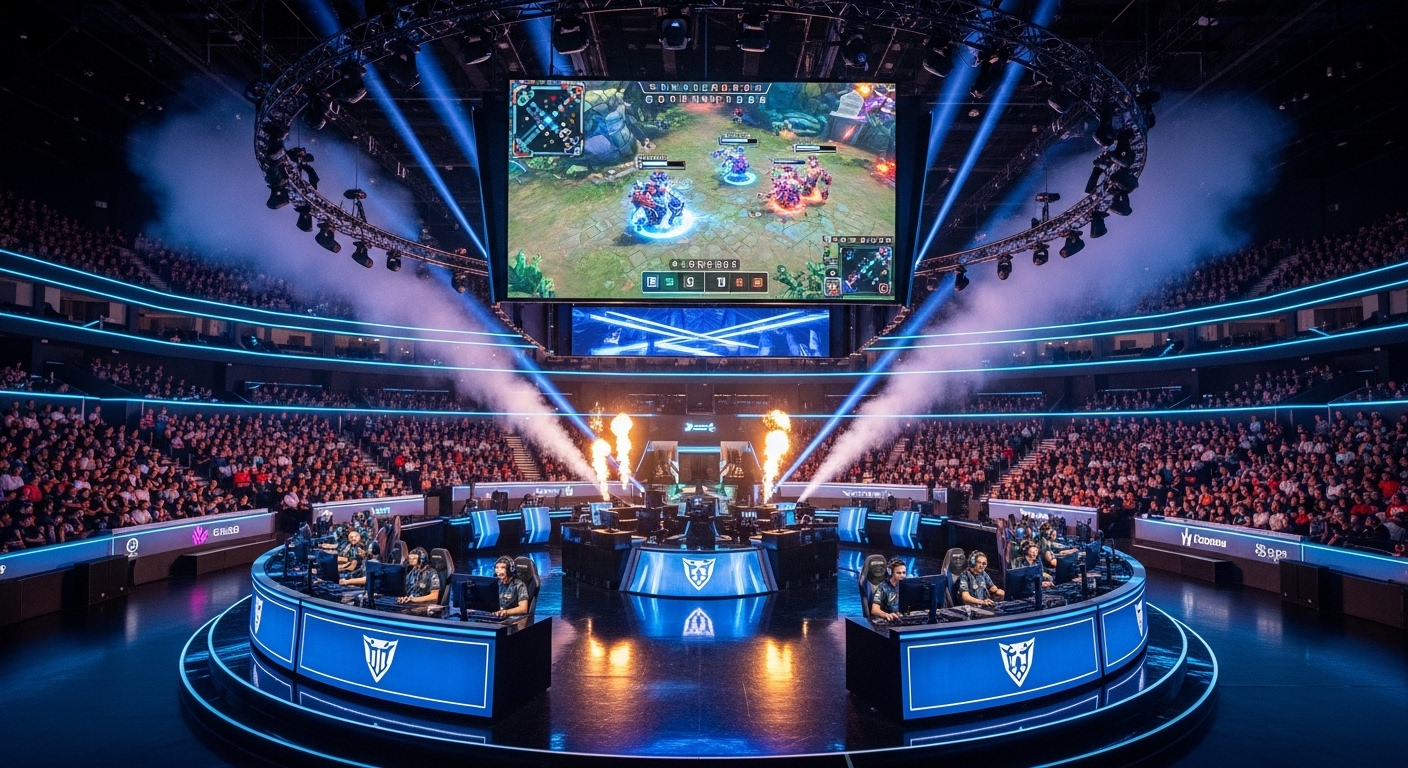
Esports arenas began popping up in major cities, with events filling stadiums that once hosted concerts and sports matches. The 2018 League of Legends World Championship drew nearly 100 million viewers—rivaling the audience of the Super Bowl. The numbers spoke for themselves: Esports was no longer a niche hobby; it was a global entertainment industry.
Esports as a Career and Culture
For many, gaming is still a hobby, but for a growing number of individuals, it’s a career path. The Esports ecosystem is diverse, offering opportunities both on and off the screen.
Professional Players
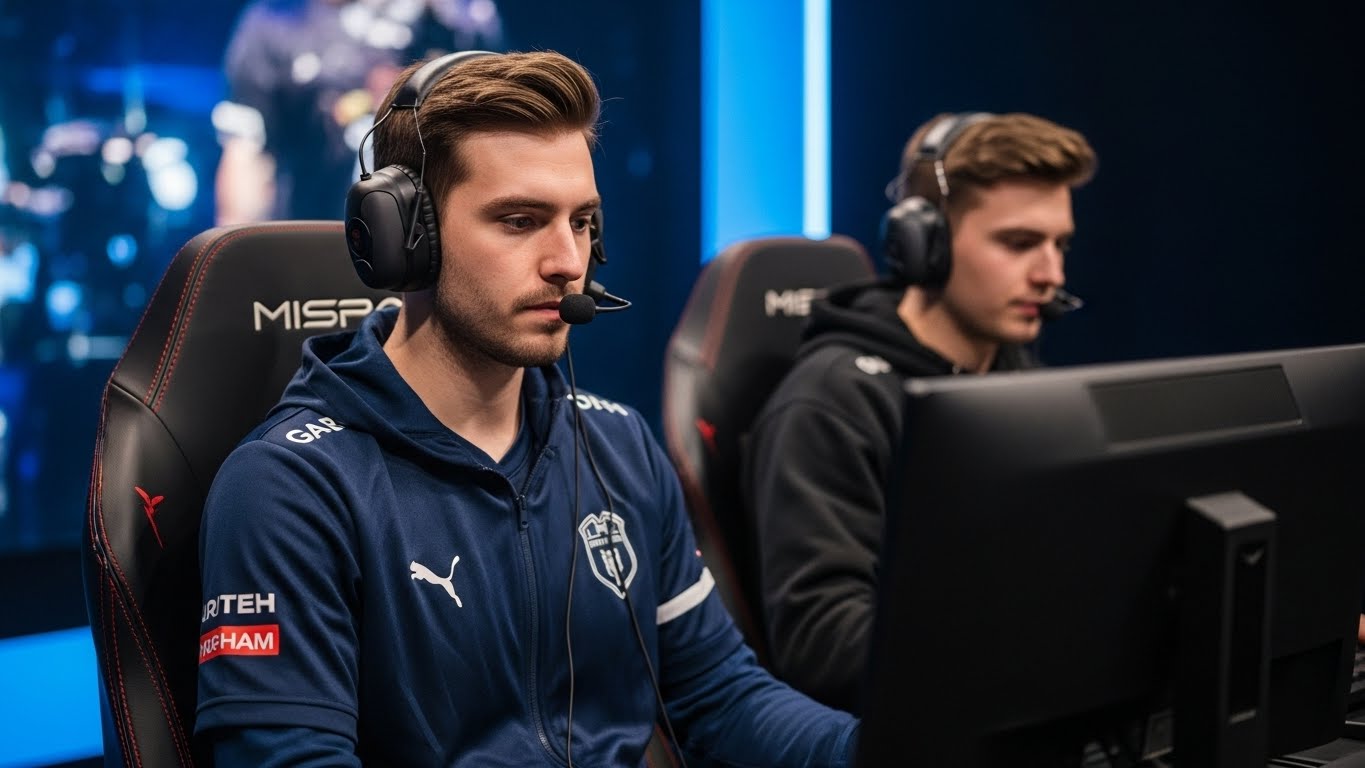
At the center are the players—individuals who dedicate countless hours to mastering their craft. Like traditional athletes, they follow strict training regimens, studying strategies, improving reflexes, and maintaining physical and mental health. While only a small percentage reach elite status, those who do often enjoy fame, sponsorships, and financial stability.
Streamers and Content Creators
Beyond tournaments, the rise of streaming has allowed gamers to build personal brands. Some players transition to full-time streaming, where they interact directly with fans and generate income through sponsorships, ads, and subscriptions. The line between professional competition and entertainment continues to blur, creating new forms of engagement.
Coaches, Analysts, and Support Staff
Behind every successful team is a group of professionals who make the machine run smoothly. Coaches design strategies, analysts break down data, and managers handle logistics. This behind-the-scenes workforce ensures that teams perform at their best.
Event Organizers and Broadcasters
Esports events require massive coordination. Production crews, commentators, hosts, and event planners work together to deliver the same level of quality and drama seen in traditional sports broadcasts. The storytelling, camera work, and energy of live Esports broadcasts rival even the biggest television productions.
The Psychology of Competition
One reason Esports connects so deeply with audiences is that competition is universal. It doesn’t matter whether you’re on a soccer field or behind a keyboard—human nature drives us to improve, to win, and to belong to something greater.
Esports adds a modern twist to that timeless spirit of competition. Unlike traditional sports, it’s not limited by geography or physical ability. Anyone with a computer, console, or smartphone can compete, making it one of the most inclusive arenas in the world. It also engages the mind in unique ways—requiring rapid decision-making, coordination, and strategic thinking.
Players often experience similar pressures to traditional athletes: performance anxiety, burnout, and the struggle for balance. As the industry matures, organizations are taking mental health seriously, offering support systems for players to manage stress and sustain long careers.
The Role of Technology
Technology has always been at the heart of Esports, and advancements continue to shape the industry’s future.
Faster Internet and Better Hardware
High-speed internet and powerful hardware have made competitive gaming smoother and more accessible. Low latency and high refresh rates can mean the difference between victory and defeat. Hardware brands have capitalized on this by creating specialized gaming equipment—monitors, keyboards, and headsets—tailored to Esports performance.
Virtual Reality and Augmented Reality
The next frontier could involve virtual and augmented reality competitions. Imagine players physically moving within VR arenas or fans experiencing games from the players’ perspectives. These technologies could transform how audiences experience Esports, blurring the line between digital and physical worlds.
Artificial Intelligence and Data Analytics
AI-driven analytics are becoming essential tools for teams. Coaches use software to analyze gameplay data, detect weaknesses, and predict opponents’ strategies. AI also helps enhance viewer experiences, automatically generating highlights or offering real-time stats during matches.
Esports and Education
In recent years, Esports has entered classrooms and universities around the world. Institutions are recognizing the value of gaming in developing teamwork, problem-solving, and leadership skills. Some schools have launched Esports programs, offering scholarships similar to traditional sports.
These programs teach not just gaming skills, but also aspects of event management, marketing, and media production. For students passionate about gaming, Esports provides a way to combine education with enthusiasm, opening doors to careers in technology, design, and communication.
Challenges Facing the Esports Industry
Despite its success, Esports faces challenges that must be addressed to ensure sustainable growth.
Player Burnout
Professional gamers often train for long hours, leading to mental exhaustion and physical strain. Burnout is a real issue, especially given the young age of many competitors. Teams are beginning to focus on health management, but the balance between performance and well-being remains a delicate one.
Financial Instability
While top-tier players and organizations make substantial earnings, smaller teams often struggle. Prize pools are inconsistent, and sponsorships can fluctuate with market trends. Finding a sustainable business model continues to be a key challenge for many Esports ventures.
Regulation and Fair Play
Cheating, match-fixing, and performance-enhancing substances pose risks to the integrity of Esports. Establishing clear global standards and fair regulations is necessary to maintain trust within the community.
Gender Representation and Inclusivity
Esports is open to everyone, but female representation remains limited. Many women face harassment and barriers to entry. Promoting inclusivity and creating safer environments for all players is crucial for the industry’s future.
The Global Impact of Esports
Esports transcends borders, uniting people from different cultures under one digital roof. It’s a shared language that speaks through excitement, teamwork, and passion.
In Asia, countries like South Korea, China, and Japan lead the charge with massive fan bases and government support. Europe has developed regional leagues and international tournaments, while North America has become a hub for investments and gaming startups. Even developing regions like Africa and South America are experiencing rapid Esports growth, fueled by mobile gaming.
Cultural exchange is one of the most fascinating aspects of Esports. Players from opposite sides of the world connect, compete, and collaborate. It’s not unusual to see teams composed of members from multiple countries, united by shared goals and digital friendship.
Esports and Traditional Sports: Rivals or Partners?
For years, people debated whether Esports should be considered a “real sport.” While it may not involve physical endurance in the same way, the mental intensity, strategic depth, and team coordination mirror traditional athletics.
In fact, many traditional sports organizations have embraced Esports rather than resisting it. Football clubs, basketball teams, and even Olympic committees have launched Esports initiatives. Events like the Asian Games have included Esports as a medal sport, signaling growing recognition at the international level.
This partnership between traditional and digital sports creates exciting possibilities. Both worlds can learn from each other—Esports gains legitimacy and structure, while traditional sports tap into new audiences and technologies.
The Future of Esports
The future of Esports looks incredibly bright. Analysts predict continued growth in viewership, revenue, and cultural influence. As technology evolves, so will the ways we play, watch, and interact with games.
The Metaverse and Beyond
Esports could become a central part of the emerging metaverse—digital spaces where people gather to play, socialize, and create. Imagine attending a live Esports event inside a virtual arena, surrounded by fans from every continent. The possibilities are endless.
Accessibility and Grassroots Growth
As mobile gaming expands, more people will be able to participate in Esports regardless of income or location. Local tournaments and community-driven leagues are nurturing the next generation of players and fans.
Mainstream Acceptance
With colleges, corporations, and media outlets investing heavily, Esports is no longer an outsider in the entertainment world. The next decade may see it sit alongside football, basketball, and other sports as a permanent fixture of global culture.
Conclusion
Esports is more than just gaming—it’s a movement. It represents the convergence of technology, creativity, and competition in a way that defines the digital era. From humble beginnings in university labs and arcades to international stadiums filled with roaring fans, the journey of Esports is nothing short of remarkable.
It has given rise to new heroes, new stories, and new ways to connect. Whether you’re a player, a fan, or a casual observer, you’re part of a moment in history where the boundaries between play and profession are being redrawn.
The rise of Esports shows that passion, when combined with innovation, can create something extraordinary. And this is just the beginning—the next chapter of competitive gaming is still being written, one match at a time.